
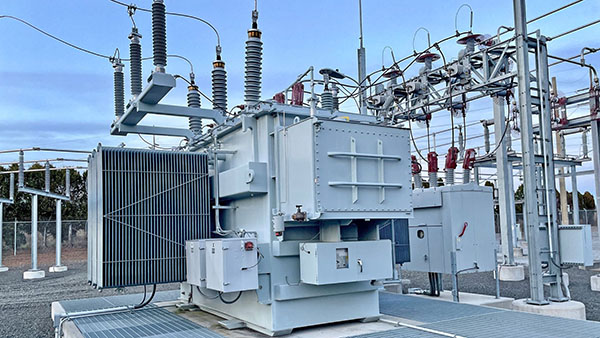
Transformers are the backbone of the electric power industry, ensuring the efficient transmission and distribution of electricity from generation plants to consumers. Central to their reliability and performance are the electrical connections that link various components within the transformer. Properly tightening these connections is not just a routine task; it’s an art that requires precision, expertise, and the right tools. As a professional electrical testing expert with over 25 years of experience, I’ve witnessed how meticulous attention to electrical connections can prevent costly failures, enhance safety, and extend the lifespan of transformers. This comprehensive guide provides electric power industry workers with detailed, practical steps to properly tighten transformer electrical connections, covering their importance, step-by-step procedures, best practices, troubleshooting tips, essential tools, benefits, real-world case studies, training considerations, and future trends.
Why Properly Tightened Electrical Connections Matter
Enhancing Electrical Efficiency
Electrical connections within transformers facilitate the flow of electricity between windings and other internal components. Properly tightened connections ensure minimal resistance, allowing electricity to pass through efficiently without significant losses. Loose connections can lead to increased resistance, resulting in voltage drops, reduced power quality, and intermittent transformer performance.
Preventing Overheating and Component Degradation
Electrical connections that are not properly tightened can generate excessive heat due to arcing and increased resistance. Over time, this heat can degrade insulation materials, leading to short circuits and potential transformer failure. Maintaining tight connections helps dissipate heat effectively, safeguarding the transformer’s internal components.
Reducing Maintenance and Operational Costs
Frequent transformer failures caused by loose connections can result in unplanned outages, expensive repairs, and replacement costs. Regularly tightening connections as part of a proactive maintenance strategy minimizes the risk of such failures, reducing overall maintenance expenses and ensuring continuous power supply.
Ensuring Safety
Faulty electrical connections pose significant safety risks, including electrical fires and explosions. Properly tightened connections eliminate arcing and overheating risks, ensuring a safer working environment for maintenance personnel and protecting critical infrastructure from potential hazards.
Extending Transformer Lifespan
Consistently maintaining tight electrical connections reduces wear and tear on transformer components, preserving their performance and reliability over extended periods. This proactive approach extends the operational life of transformers, maximizing return on investment and minimizing the need for frequent replacements.
Step-by-Step Guide to Properly Tighten Electrical Connections
Step 1: Prioritize Safety
Importance:
Working with high-voltage equipment requires strict adherence to safety protocols to prevent accidents and ensure a secure working environment.
Steps:
- Isolate the Transformer:
- Disconnect the transformer from the power source to eliminate electrical hazards.
- Follow Lockout/Tagout (LOTO) procedures to ensure the transformer cannot be accidentally energized during maintenance.
- Wear Appropriate Personal Protective Equipment (PPE):
- Use insulated gloves, safety glasses, and protective clothing to protect against electrical shocks and accidental splashes of transformer oil.
- Verify Absence of Voltage:
- Use a voltage tester to confirm that the transformer is completely de-energized before beginning any maintenance work.
Step 2: Gather Essential Tools and Equipment
Importance:
Using the right tools ensures that connections are tightened accurately and efficiently, minimizing the risk of errors and maintaining connection integrity.
Tools Needed:
- Torque Wrench: For applying precise torque to bolts and screws.
- Multimeter: To measure electrical parameters and detect anomalies.
- Thermal Imaging Camera: To identify hot spots indicative of loose connections.
- Wire Brush and Cleaning Supplies: To clean connections before tightening.
- Screwdrivers and Wrenches: For general tightening tasks.
- Inspection Mirror and Flashlight: For visual inspections in hard-to-reach areas.
- CMMS (Computerized Maintenance Management System): For tracking maintenance activities and recording data.
Step 3: Conduct a Comprehensive Visual Inspection
Importance:
A thorough visual inspection helps identify obvious signs of loose or deteriorating connections, such as discoloration, corrosion, or physical damage.
Steps:
- Examine All Connections:
- Inspect terminal blocks, busbars, and connectors for signs of loosening, corrosion, or wear.
- Check for Contamination:
- Look for oil leaks, dirt, or debris around connections that can impede electrical flow.
- Identify Potential Hot Spots:
- Use a thermal imaging camera to detect areas with abnormal heat generation, indicating potential loose connections.
Step 4: Measure Electrical Parameters
Importance:
Measuring electrical parameters quantifies the condition of connections and identifies issues that may not be visible through inspection alone.
Steps:
- Check Resistance Levels:
- Use a multimeter to measure the resistance across connections. Elevated resistance indicates poor contact and potential loosening.
- Verify Voltage Drops:
- Measure voltage drops across connections under load. Significant drops can signal inadequate contact and increased resistance.
- Assess Continuity:
- Ensure there is no interruption in electrical continuity, which can be caused by loose or corroded connections.
Step 5: Tighten Electrical Connections Correctly
Importance:
Properly tightened connections ensure optimal electrical flow, minimizing resistance and preventing overheating.
Steps:
- Use the Right Tools:
- Employ screwdrivers, wrenches, or torque wrenches to tighten connections as per manufacturer specifications.
- Apply Correct Torque:
- Use a torque wrench to apply the specified torque, avoiding over-tightening, which can damage components, or under-tightening, which can leave connections loose.
- Secure All Fasteners:
- Ensure all bolts, screws, and nuts are uniformly tightened to maintain even pressure and prevent future loosening.
Step 6: Clean and Reassemble Connections
Importance:
Clean connections ensure optimal electrical contact and prevent future contamination-related issues.
Steps:
- Remove Debris:
- Clean all connections using wire brushes and lint-free cloths to remove dirt, corrosion, and oil residues.
- Apply Contact Cleaners:
- Use contact cleaners to eliminate any remaining contaminants and enhance electrical conductivity.
- Reassemble Components:
- Carefully reassemble any disassembled parts, ensuring that all connections are properly seated and secured.
Step 7: Perform Post-Maintenance Testing
Importance:
Post-maintenance testing verifies that connections are properly tightened and functioning as expected, ensuring transformer reliability.
Steps:
- Re-Measure Electrical Parameters:
- Repeat resistance, voltage drop, and continuity tests to confirm improvements.
- Conduct Thermal Scans:
- Use thermal imaging to ensure that no new hot spots have emerged post-maintenance.
- Monitor Performance:
- Observe transformer performance over the next few operating cycles to ensure that tightened connections maintain stability.
Best Practices for Tightening Electrical Connections
Establish a Regular Maintenance Schedule
Develop a routine maintenance plan that includes periodic inspections, testing, and tightening of electrical connections. Regular maintenance helps in early detection of issues, preventing them from escalating into costly failures.
Use High-Quality Components
Invest in high-quality connectors, terminal blocks, and fasteners that resist corrosion and wear. Superior components maintain their integrity longer, reducing the frequency of maintenance and replacements.
Implement Proper Cleaning Procedures
Ensure all electrical connections are clean before tightening. Use appropriate cleaning agents and tools to remove contaminants, enhancing electrical conductivity and connection reliability.
Document Maintenance Activities
Maintain detailed records of all maintenance activities, including inspection results, measurements, tightening actions, and any issues encountered. Documentation aids in tracking trends, planning future maintenance, and ensuring compliance with industry standards.
Train Maintenance Personnel
Provide comprehensive training for maintenance staff on proper inspection techniques, use of tools, tightening procedures, and safety protocols. Skilled technicians are essential for effective maintenance and transformer longevity.
Monitor Environmental Conditions
Control environmental factors such as humidity, dust, and temperature around transformers to minimize contamination risks. Implement measures like proper ventilation, dust control systems, and protective covers to maintain clean and stable operating conditions.
Utilize Advanced Monitoring Technologies
Leverage technologies like IoT-enabled sensors and automated monitoring systems to continuously track the condition of electrical connections. Real-time data enhances proactive maintenance and quick issue resolution.
Troubleshooting Common Issues with Electrical Connections
Issue 1: Increased Resistance
Cause:
- Loose or corroded connections
- Contaminants on contact surfaces
Solution:
- Tighten Connections:
- Ensure all connections are securely tightened using the correct torque.
- Clean Contact Surfaces:
- Remove any dirt, corrosion, or oil residues from connections.
- Replace Damaged Components:
- Replace connectors or terminal blocks that show signs of severe corrosion or wear.
Issue 2: Voltage Drops
Cause:
- Poor contact between connectors
- Inadequate tightening of connections
Solution:
- Inspect and Tighten:
- Check all connections for tightness and re-tighten if necessary.
- Ensure Proper Seating:
- Make sure all connectors are fully seated and making uniform contact.
- Upgrade Components:
- Use higher-rated connectors if voltage drops persist under high loads.
Issue 3: Overheating Connections
Cause:
- Excessive resistance due to loose or dirty connections
- Overloading transformers beyond their capacity
Solution:
- Identify Hot Spots:
- Use thermal imaging to locate overheating connections.
- Tighten and Clean:
- Tighten connections and clean any contaminants that may be causing increased resistance.
- Assess Load Conditions:
- Ensure transformers are operating within their specified load capacities to prevent overheating.
Issue 4: Corrosion on Connections
Cause:
- Exposure to moisture and corrosive environments
- Inadequate protective measures
Solution:
- Apply Protective Coatings:
- Use anti-corrosion sprays or coatings on exposed connections.
- Seal Connections:
- Implement sealing solutions like gaskets and protective covers to prevent moisture ingress.
- Regular Inspections:
- Conduct frequent inspections to detect and address corrosion early.
Essential Tools for Tightening Electrical Connections
Torque Wrench
Purpose: Apply precise torque to bolts and screws to ensure connections are tightened correctly.
Usage: Set the torque wrench to the manufacturer-specified value and tighten each connection accordingly. This prevents over-tightening, which can strip threads or damage components, and under-tightening, which can leave connections loose.
Multimeter
Purpose: Measure electrical parameters such as voltage, current, and resistance to assess connection integrity.
Usage: Use the multimeter to perform resistance and voltage drop tests on connections. This helps identify issues like increased resistance or inadequate contact that may not be visible through visual inspection alone.
Thermal Imaging Camera
Purpose: Detect thermal anomalies and hot spots within transformers, indicating potential loose or deteriorating connections.
Usage: Conduct thermal scans during inspections to identify areas with abnormal heat generation. This allows for targeted maintenance actions to address specific issues before they escalate.
Wire Brush and Cleaning Supplies
Purpose: Remove dirt, corrosion, and contaminants from electrical connections to ensure optimal conductivity.
Usage: Use wire brushes to clean metal surfaces and lint-free cloths to wipe away residues. Contact cleaners can be applied to eliminate any remaining contaminants, enhancing electrical performance.
Screwdrivers and Wrenches
Purpose: Tighten and secure electrical connections effectively.
Usage: Use the appropriate screwdriver or wrench type and size for each connection to avoid damaging components. Ensure that tools are in good condition to maintain grip and prevent slippage during tightening.
Inspection Mirror and Flashlight
Purpose: Perform visual inspections in hard-to-reach areas.
Usage: Utilize the inspection mirror and flashlight to examine connections that are not easily visible, ensuring a thorough assessment of all connection points.
Computerized Maintenance Management System (CMMS)
Purpose: Organize and manage maintenance schedules, inspection records, and diagnostic data.
Usage: Use the CMMS to input and track maintenance activities, monitor connection conditions, and generate reports for performance analysis and compliance documentation.
Benefits of Properly Tightened Electrical Connections
Enhanced Transformer Reliability
Consistently tight connections ensure that transformers operate efficiently and reliably, reducing the likelihood of unexpected failures and downtimes. Reliable transformers contribute to a stable and continuous power supply, enhancing overall grid performance.
Cost Savings
Proactive maintenance minimizes the need for costly emergency repairs and extends transformer lifespan, leading to significant long-term savings. Efficient connection management also reduces energy losses, lowering operational costs.
Improved Safety
Properly maintained connections reduce the risk of overheating-related hazards such as electrical fires and explosions, ensuring a safer working environment for personnel and protecting critical infrastructure from potential damage.
Extended Transformer Lifespan
Regularly tightening and maintaining connections preserve transformer integrity, prolonging their operational life and maximizing return on investment. This reduces the frequency of transformer replacements, saving both time and resources.
Optimized Performance
Transformers with well-maintained electrical connections operate within optimal parameters, enhancing overall electrical efficiency and reducing energy losses. This leads to better performance and reliability of the power distribution network.
Regulatory Compliance
Regular maintenance ensures adherence to industry standards and regulatory requirements, avoiding legal penalties and enhancing organizational credibility. Proper documentation of maintenance activities supports compliance audits and inspections.
Real-World Case Studies
Case Study 1: Preventing Transformer Failure through Rigorous Connection Management
Background: A regional utility company managed a diverse fleet of transformers serving both urban and rural areas. Frequent transformer failures during peak load periods resulted in widespread power outages and customer dissatisfaction.
Challenge: Initial assessments revealed that loose electrical connections were a primary cause of transformer overheating and failures. Inadequate maintenance practices and lack of proper tools hindered effective connection management.
Solution: The maintenance team implemented a rigorous connection management program, incorporating regular inspections, precise tightening using torque wrenches, and cleaning of all electrical contacts. They invested in thermal imaging cameras to detect hot spots and integrated data logging systems to track maintenance activities and connection conditions.
Outcome: Transformer failures decreased by 70%, power outages were significantly reduced, and customer satisfaction improved. The proactive connection management program ensured that transformers operated reliably even under high-load conditions, enhancing overall grid stability and reliability.
Case Study 2: Extending Transformer Lifespan through Advanced Connection Techniques
Background: An industrial facility relied on a fleet of transformers to power its manufacturing operations. Frequent overheating and reduced transformer performance threatened operational continuity and increased maintenance costs.
Challenge: Loose and corroded electrical connections were identified as the primary cause of cooling inefficiencies and transformer overheating. Traditional maintenance methods were insufficient to address the extent of connection issues.
Solution: The facility adopted advanced connection management strategies, including the use of anti-corrosion coatings, regular torque verification with calibrated torque wrenches, and implementing automated connection monitoring systems. They also conducted regular training sessions for technicians on best practices for connection maintenance.
Outcome: Transformer lifespan was extended by an average of five years, overheating incidents were eliminated, and maintenance costs decreased by 40%. Efficient connection management ensured reliable transformer performance, maintaining uninterrupted operations and reducing operational costs.
Case Study 3: Enhancing Safety through Effective Connection Monitoring
Background: A municipal utility provider experienced safety hazards due to transformer overheating, posing risks of electrical fires and infrastructure damage.
Challenge: Inadequate monitoring of electrical connections led to undetected loose connections, resulting in overheating and safety incidents.
Solution: The maintenance team equipped themselves with thermal imaging cameras and multimeters to monitor electrical connections more effectively. They conducted regular training sessions on proper connection maintenance techniques and implemented a proactive monitoring schedule using their new tools. Automated alerts were set up to notify technicians of any deviations from acceptable connection conditions.
Outcome: Safety incidents related to transformer overheating were eliminated, transformer reliability improved, and the utility achieved compliance with enhanced safety regulations. The effective connection monitoring practices ensured that transformers operated within safe parameters, protecting both personnel and infrastructure.
Conclusion
Properly tightening electrical connections is essential for the reliable, efficient, and safe operation of transformers in the electric power industry. By following a structured maintenance approach—prioritizing safety, using the right tools, conducting thorough inspections, and adhering to best practices—electric power industry workers can ensure that transformer connections remain secure and effective. This not only prevents costly failures and enhances transformer performance but also promotes safety and extends the lifespan of critical infrastructure.
Embracing future trends such as AI-driven predictive maintenance, IoT integration, sustainable practices, and blockchain for maintenance records will further elevate the effectiveness and efficiency of transformer maintenance. Remember, transformer maintenance is not just about keeping the equipment running; it’s about ensuring the stability and resilience of the entire power distribution network. Master the art of tightening electrical connections today to secure a reliable and efficient power infrastructure for tomorrow.
Additional Resources
Recommended Reading and References
- Books and Articles:
- Transformer Engineering: Design, Technology, and Diagnostics by S.V. Kulkarni and S.A. Khaparde
- Practical Transformer Engineering and Maintenance by Gordon Chidley
- Electrical Transformers and Power Equipment Maintenance by C. Russell Mason
- Industry Standards:
- IEEE Standards for Transformer Testing and Maintenance
- IEC Standards for Electrical Transformers and Accessories
Training and Certification Programs
- Courses:
- Advanced Transformer Maintenance – Offered by IEEE
- Smart Transformer Technologies – Available through online platforms like Coursera and Udemy
- Transformer Diagnostics and Troubleshooting – Provided by technical training institutes
- Workshops and Seminars:
- Annual Transformer Maintenance Symposium
- Smart Grid and Transformer Technology Workshops hosted by major utility companies
- Hands-On Transformer Diagnostic Training Sessions
Contact Information for Experts
- Professional Networks:
- Join the IEEE Power & Energy Society for networking with industry experts and accessing valuable resources.
- Participate in LinkedIn groups focused on transformer technology and electric power systems maintenance.
- Support Services:
- Siemens Energy Solutions: www.siemens-energy.com
- ABB Power Grids: www.abb.com/powergrids
- Schneider Electric: www.se.com
- Local Utility Providers: Reach out to your local utility companies for consultation and support services.
By mastering the art of properly tightening transformer electrical connections, electric power industry workers can ensure the reliable and efficient operation of transformers, avoiding costly failures and maintaining a stable and resilient power distribution network for the future.

 Arabic
  English
  German
  Spanish
  French
  Portuguese
  Vietnamese
  Afrikaans
  Amharic
  Aragonese
  Moroccan Arabic
  Assamese
  Azerbaijani
  South Azerbaijani
  Belarusian
  Bulgarian
  Bengali
  Tibetan
  Bosnian
  Catalan
  Czech
Czech  Danish
  Welsh
Welsh  Lower Sorbian
  Dzongkha
  Greek
Greek  Esperanto
  Estonian
  Basque
  Finnish
  Indonesian
  Italian
  Malayalam
  Latvian
  Panjabi
  Romanian
  Slovenian
  Russian