
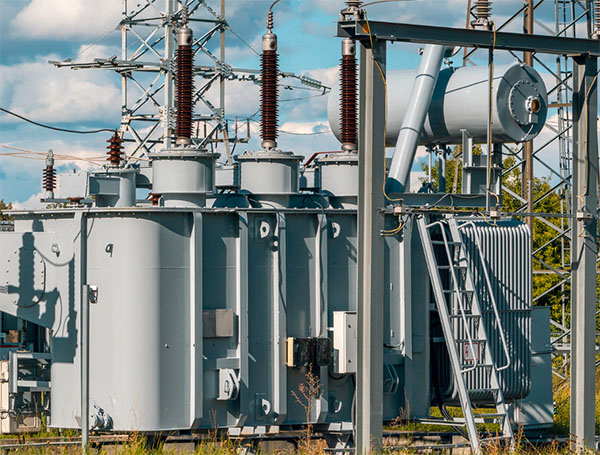
In the electric power industry, transformer failures are often costly and disruptive. They can result in extended downtime, hefty repair bills, and a significant impact on service reliability. One of the most effective ways to mitigate such risks is through proper lifecycle management. In this case study, we’ll explore how one utility company was able to save a transformer from premature retirement and extend its service life by implementing a robust lifecycle management program. By utilizing proactive maintenance, monitoring technologies, and data-driven decisions, the company was able to keep a key transformer in operation for years longer than initially expected.
The Problem: A Transformer Showing Signs of Wear
Several years ago, a major utility company noticed that one of its aging transformers was showing signs of wear. It had been in service for more than 30 years, which, by most standards, was already beyond its expected operational lifespan. The transformer was an integral part of the local grid, serving a key area with high demand. The utility had two options: replace the transformer or take proactive measures to extend its service life.
The transformer in question had started exhibiting several concerning symptoms that often indicate impending failure, including:
- Increased noise levels: The transformer had started emitting unusual buzzing and humming noises.
- Excessive oil degradation: The oil levels had dropped, and the quality of the oil showed signs of contamination.
- Thermal hotspots: Regular monitoring revealed increased temperatures in certain parts of the transformer, suggesting internal issues.
- Bushing deterioration: The bushings were showing visible signs of wear and had begun leaking moisture, a common precursor to failure.
Given the age of the transformer and the increasing operational costs associated with maintaining it, the company was facing a tough decision: should they retire the transformer and replace it with a new unit, or could they find a way to extend its operational life through effective lifecycle management?
The Solution: Implementing a Lifecycle Management Strategy
After consulting with their team of engineers and reviewing the options, the utility company decided to adopt a lifecycle management approach to address the issues. The goal was to monitor the condition of the transformer and perform targeted interventions that would extend its life without compromising its performance.
The following key steps were implemented to save the transformer from premature retirement:
1. Condition-Based Monitoring
The company began using advanced condition-based monitoring systems to track the performance of the transformer in real time. This included:
- Oil testing: The oil quality was regularly tested for contaminants, moisture, and acidity. This allowed the team to monitor the health of the transformer’s insulating oil and make adjustments before oil degradation led to critical failures.
- Thermal imaging: Thermal cameras were used to identify hotspots in the transformer. These hotspots, often indicative of electrical faults or wear in internal components, were addressed before they became a serious problem.
- Vibration monitoring: The transformer’s vibrations were continuously monitored to detect any abnormal mechanical wear or instability in moving parts like the tap changer.
- Partial discharge detection: A partial discharge testing system was installed to detect electrical discharges within the transformer’s insulation system, which could signal an impending failure.
2. Oil Filtration and Replacement
Based on the oil testing results, the transformer’s oil was regularly filtered and replaced. Over time, the oil had become contaminated with moisture and particles, which contributed to the overheating and degradation of the transformer. By regularly filtering and replacing the oil, the team was able to maintain optimal insulation properties and ensure efficient heat dissipation.
3. Bushing Repairs and Replacements
The worn bushings were identified as a primary point of failure, and so a targeted bushing replacement program was implemented. The team replaced the bushings showing the most wear and tear with newer, more durable components. Additionally, the team ensured that all bushings were properly sealed to prevent moisture ingress, which is a common cause of bushing failure.
4. Thermal Management
To address the thermal hotspots, additional cooling measures were introduced, including upgraded fans and improved ventilation. The cooling system was optimized to maintain consistent operating temperatures, preventing overheating and extending the lifespan of the transformer.
5. Proactive Maintenance
The transformer underwent a rigorous maintenance schedule that included cleaning, checking connections, and replacing minor components before they failed. This proactive approach ensured that issues were caught early and resolved without major disruptions to the transformer’s operation.
The Results: Extending Transformer Life by More Than a Decade
By implementing these lifecycle management strategies, the utility company was able to extend the transformer’s operational life by more than 10 years. What was initially perceived as an asset nearing the end of its life was now a reliable component of the power grid, performing at a high level of efficiency and reliability. Here’s a summary of the results:
1. Reduced Downtime
Thanks to regular monitoring and proactive maintenance, the transformer’s downtime was significantly reduced. While many other transformers would have failed during this period, the managed transformer continued to operate reliably, preventing grid disruptions and power outages.
2. Cost Savings
The utility company saved millions of dollars in replacement costs by extending the life of the transformer. This investment in lifecycle management paid off in terms of avoided capital expenditure for purchasing a new transformer.
3. Improved Reliability
The transformer’s reliability improved, as evidenced by a decrease in unscheduled repairs and a significant reduction in operational failures. The use of thermal imaging, vibration monitoring, and partial discharge detection allowed the company to address minor issues before they escalated into major failures.
4. Efficient Energy Distribution
With the transformer remaining in service longer, energy distribution remained efficient, and the utility was able to meet customer demand without having to invest in new infrastructure. The transformer continued to serve a key part of the grid, improving overall grid stability.
Lessons Learned: The Importance of Lifecycle Management
This case study demonstrates the value of lifecycle management in extending the life and improving the performance of aging transformers. Here are a few key lessons learned:
- Proactive Maintenance Pays Off: Regular inspections and maintenance not only prevent major failures but also enhance the overall reliability of the transformer. By staying ahead of issues, you can avoid costly downtime and repairs.
- Use of Modern Technology: Tools like thermal imaging, vibration monitoring, and partial discharge detection are invaluable for diagnosing issues early. These technologies provide real-time data that allows for targeted interventions, saving both time and money.
- The Value of Oil Management: Regular oil testing and filtration are critical for maintaining the insulating properties of the oil and ensuring efficient cooling. Clean oil contributes to the overall health and longevity of the transformer.
- Bushing Care Is Crucial: Bushings are a common point of failure, and replacing them before they degrade is essential for maintaining transformer performance. Keeping bushings in good condition helps avoid costly failures.
Conclusion: Transforming Transformer Lifecycle Management into a Competitive Advantage
Lifecycle management is not just about keeping transformers running; it’s about optimizing their performance and ensuring they provide reliable service for as long as possible. By employing proactive maintenance practices, leveraging modern technologies, and using data-driven insights, you can extend the life of your transformers, reduce operational costs, and improve grid stability. As demonstrated in this case study, careful lifecycle management can help save a transformer from premature retirement, turning what could have been an expensive replacement project into a success story.

 South Azerbaijani
  English
  German
  Spanish
  French
  Portuguese
  Vietnamese
  Afrikaans
  Amharic
  Arabic
  Aragonese
  Moroccan Arabic
  Assamese
  Azerbaijani
  Belarusian
  Bulgarian
  Bengali
  Tibetan
  Bosnian
  Catalan
  Czech
Czech  Danish
  Welsh
Welsh  Lower Sorbian
  Dzongkha
  Greek
Greek  Esperanto
  Estonian
  Basque
  Finnish
  Indonesian
  Italian
  Malayalam
  Latvian
  Panjabi
  Romanian
  Slovenian
  Russian