
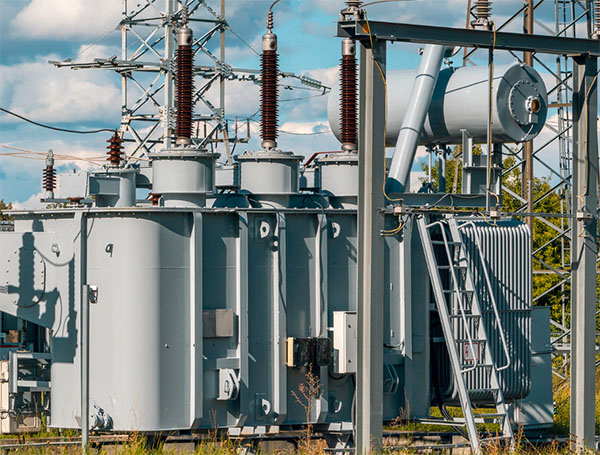
In the electric power industry, the accuracy of your transformers plays a critical role in ensuring the reliability and efficiency of your entire power system. A slight deviation in transformer accuracy can lead to significant issues, including poor power quality, increased energy losses, and even equipment failures. But how can you be sure that your transformers are operating at their peak accuracy? The answer lies in a crucial test that every electrical power professional should know about—the transformer ratio test. As someone who has spent years in the field, I’ve seen firsthand the impact that this simple yet powerful test can have on the performance and longevity of transformers.
The Importance of Transformer Accuracy
Why Accuracy Matters in Power Transformers
Transformer accuracy is not just a technical detail; it’s a cornerstone of effective power management. Accurate transformers ensure that voltage levels are properly regulated, which is essential for maintaining power quality and system stability. When a transformer operates with precision, it helps to prevent voltage fluctuations that can cause equipment malfunctions and disrupt service to customers.
Personal Anecdote: “In my years in the field, I’ve seen how even minor inaccuracies in transformers can lead to power quality issues, causing headaches for both operators and customers. In one case, a slight inaccuracy in a substation transformer led to voltage fluctuations that triggered alarms across the grid.”
Operational efficiency is another key reason why transformer accuracy is vital. When a transformer accurately steps up or steps down voltage according to its design specifications, it minimizes energy losses, ensuring that the maximum amount of energy is delivered to the end-user. This efficiency translates into lower operational costs and a more sustainable power system.
Moreover, there are safety considerations. Inaccurate transformers can lead to overheating, insulation breakdowns, and other issues that pose significant risks to both equipment and personnel. Ensuring transformer accuracy is a critical step in maintaining a safe working environment and avoiding costly failures.
Common Causes of Inaccuracy in Transformers
Several factors can cause a transformer to drift from its original accuracy. One of the most common causes is aging. Over time, the components within a transformer, such as the windings and insulation, can degrade, leading to a gradual loss of accuracy. This aging process is inevitable but can be managed with regular testing and maintenance.
Environmental stressors, including temperature fluctuations, humidity, and pollution, can also impact transformer accuracy. For instance, excessive moisture can lead to insulation degradation, while high temperatures can cause thermal expansion in the windings, both of which can alter the transformer’s performance.
Load variations are another significant factor. Transformers that frequently operate under varying load conditions may experience stress that leads to inaccuracies over time. These load variations can cause mechanical wear and tear on the transformer components, further contributing to accuracy drift.
Introducing the Transformer Ratio Test: Ensuring Transformer Accuracy
What is a Transformer Ratio Test?
The transformer ratio test is a diagnostic procedure used to measure the ratio between the primary and secondary windings of a transformer. This ratio is a critical parameter because it determines how effectively the transformer can step up or step down voltage. The test involves applying a known voltage to the primary winding and measuring the resulting voltage in the secondary winding. The ratio of these two voltages should match the transformer’s design specifications.
Personal Anecdote: “I recall a scenario where a transformer was suspected of causing inconsistencies in power delivery. A transformer ratio test quickly pinpointed a discrepancy in the turns ratio, allowing us to correct the issue before it escalated into a major problem.”
The transformer ratio test is a simple yet effective way to verify that a transformer is operating as intended. It can detect issues such as winding deformations, insulation failures, and incorrect tap settings—problems that might not be evident during routine inspections.
How Ratio Testing Verifies Transformer Accuracy
The primary function of the transformer ratio test is to detect deviations from the expected turns ratio. Even a slight deviation can indicate underlying issues that, if left unaddressed, could lead to more serious problems down the line. For example, a discrepancy in the ratio could suggest that the windings have been damaged or that the insulation has begun to degrade.
By ensuring that the transformer is accurately stepping up or stepping down voltage, the ratio test helps maintain the precision of voltage transformation. This precision is crucial for keeping the power system balanced and for preventing electrical imbalances that can lead to overheating and equipment failures.
Regular ratio testing also plays a key role in preventing long-term drift in transformer accuracy. Over time, factors such as aging and environmental stress can cause a transformer’s performance to deviate from its original specifications. By conducting ratio tests at regular intervals, you can catch these deviations early and take corrective action before they lead to significant performance issues.
Practical Guide to Conducting a Transformer Ratio Test
Preparing for the Test
Before conducting a transformer ratio test, it’s important to gather the necessary tools and equipment. The essential tools include a transformer turns ratio (TTR) tester, a multimeter, and appropriate safety gear, such as gloves and protective eyewear. The TTR tester is a specialized device that measures the turns ratio between the transformer’s windings, providing the data needed to assess the transformer’s accuracy.
Safety should always be a top priority when conducting electrical tests. Ensure that the transformer is de-energized and properly isolated from the power system before beginning the test. Follow all safety protocols, including wearing the appropriate protective gear and verifying that all connections are secure.

Step-by-Step Testing Procedure
Here’s a step-by-step guide to conducting a transformer ratio test:
- Isolate the Transformer: Ensure that the transformer is de-energized and disconnected from the power grid to prevent any electrical hazards.
- Connect the Tester: Attach the TTR tester to the primary and secondary windings of the transformer according to the manufacturer’s instructions.
- Perform the Test: Apply a known test voltage to the primary winding using the TTR tester. Measure the resulting voltage in the secondary winding and record the readings.
- Interpret the Results: Compare the measured ratio with the transformer’s design specifications. A significant deviation from the expected ratio may indicate issues such as winding deformation, insulation breakdown, or incorrect tap settings.
Personal Anecdote: “During one test, a slight deviation was detected that initially seemed insignificant. However, upon further investigation, we discovered that the deviation was an early sign of insulation degradation. By addressing it early, we avoided a costly repair down the line.”
Addressing Inaccuracies
If the transformer ratio test reveals any inaccuracies, it’s crucial to diagnose the problem and take corrective action promptly. Common causes of inaccuracies include mechanical wear, insulation breakdown, and incorrect tap settings. Depending on the severity of the issue, corrective actions may involve recalibrating the transformer, repairing damaged components, or adjusting the tap settings.
After making the necessary corrections, it’s important to conduct follow-up tests to ensure that the transformer’s accuracy has been restored. Regular monitoring and testing can help prevent future inaccuracies and extend the life of the transformer.
The Long-Term Benefits of Ensuring Transformer Accuracy
Prolonged Equipment Lifespan
Maintaining transformer accuracy through regular ratio testing can significantly extend the lifespan of the equipment. By catching and correcting issues early, you can reduce the strain on transformer components, preventing them from deteriorating prematurely. This not only prolongs the life of the transformer but also ensures that it operates efficiently throughout its service life.
Cost Savings and Efficiency
In addition to extending the life of your transformers, regular ratio testing can lead to substantial cost savings. Accurate transformers minimize energy losses, leading to lower operational costs. Furthermore, by preventing failures and reducing the need for costly repairs or replacements, regular testing can help you manage your maintenance budget more effectively.
Personal Anecdote: “I’ve seen companies save thousands in energy costs simply by maintaining accurate transformers. In one case, regular ratio testing helped a utility company improve their overall system efficiency by 5%, resulting in substantial savings.”
Enhanced System Reliability
The reliability of your power system depends heavily on the accuracy of your transformers. Regular ratio testing helps ensure that your transformers are operating at their best, leading to fewer service interruptions and a more stable power supply. This reliability is crucial for maintaining customer satisfaction and avoiding regulatory penalties.
Transformer accuracy is not just a technical requirement—it’s a critical factor that influences the reliability, efficiency, and safety of your entire power system. The transformer ratio test is a simple yet powerful tool that can help you ensure that your transformers are operating at peak accuracy. By integrating regular ratio testing into your maintenance routine, you can catch potential issues early, extend the life of your transformers, and save on costly repairs and replacements.
Personal Anecdote: “In my career, I’ve seen how a simple ratio test can uncover hidden issues that would otherwise go unnoticed. Don’t wait for a problem to arise—make transformer accuracy a priority, and use the ratio test as your first line of defense.”
By taking a proactive approach to transformer maintenance, you can ensure the long-term success and reliability of your power system. Make transformer accuracy a priority in your operations, and leverage the transformer ratio test to keep your system running smoothly.

 Belarusian
  English
  German
  Spanish
  French
  Portuguese
  Vietnamese
  Afrikaans
  Amharic
  Arabic
  Aragonese
  Moroccan Arabic
  Assamese
  Azerbaijani
  South Azerbaijani
  Bulgarian
  Bengali
  Tibetan
  Bosnian
  Catalan
  Czech
Czech  Danish
  Welsh
Welsh  Lower Sorbian
  Dzongkha
  Greek
Greek  Esperanto
  Estonian
  Basque
  Finnish
  Indonesian
  Italian
  Malayalam
  Latvian
  Panjabi
  Romanian
  Slovenian
  Russian