
How to Choose Between AC and AC/DC Test Transformers for High-Voltage Testing

The selection of a test transformer—whether to use AC-only or a combined AC/DC system—depends on the testing requirements, the type of equipment being tested, and the specific standards governing the tests. Both types have their unique applications, advantages, and limitations, which are crucial to consider when making this decision. 1. Overview of AC and AC/DC […]
How to Choose a High Voltage Dielectric Loss Tester: 10kV vs. 12kV

High voltage dielectric loss testing is essential for assessing the insulation quality of electrical equipment like transformers, cables, and switchgear. The choice of testing voltage depends on the type of equipment being tested, its voltage class, and the accuracy required for the test. In this article, we will explore how to select between 10kV and […]
How Dielectric Testing Keeps Substations Running and Prevents Blackouts!

In the electric power industry, substations are critical nodes in the transmission and distribution network, and their reliability is essential for maintaining uninterrupted power supply. Dielectric testing plays a vital role in assessing the health of substation equipment and identifying insulation issues before they lead to blackouts. This article explores how dielectric testing helps prevent […]
Diagnosing Transformer Aging with Winding Resistance Testing

As transformers age, their performance can degrade due to various factors like insulation wear, mechanical stresses, and heat-induced damage. Understanding the aging process is crucial for scheduling maintenance, avoiding unexpected failures, and prolonging the lifespan of the equipment. Transformer Winding Resistance Testing (TWRT) is an invaluable tool in diagnosing and monitoring the effects of aging […]
How to Choose the Right Loop Resistance Tester Based on Current Ratings: A Comprehensive Guide
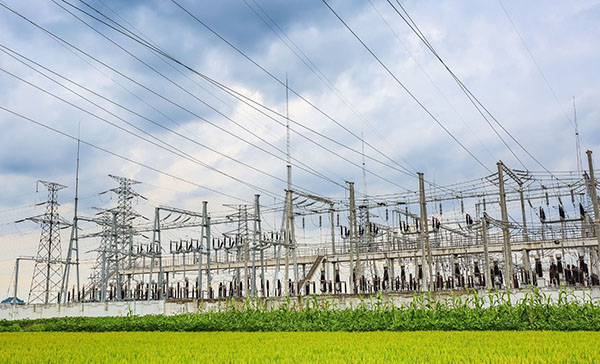
When selecting a loop resistance tester, the current rating is a key factor that determines the suitability of the device for various applications. The current ratings typically range from 100A to 600A, and choosing the right current value is crucial for achieving accurate measurements, ensuring the safety of your equipment, and meeting industry standards. This […]
How to Choose Between 80kV and 100kV Insulation Oil Dielectric Strength Testers

Introduction Insulation oil is a critical component in power transformers and other high-voltage equipment, providing both electrical insulation and cooling. Ensuring the oil’s dielectric strength is crucial to prevent electrical breakdowns and ensure the safe operation of equipment. When selecting an insulation oil dielectric strength tester, the voltage rating of the tester plays a significant […]
How to Perform a Perfect Transformer Winding Resistance Test Every Time
Performing a Transformer Winding Resistance Test (TWRT) is a critical procedure for ensuring the health and reliability of a transformer. A perfectly executed TWRT can help detect hidden issues like winding deformation, loose connections, or insulation problems before they lead to costly failures. However, to get the most accurate and reliable results, there are specific […]
Choosing the Right Insulating Oil Dielectric Strength Tester: Single, Three, or Six Cup Models

When it comes to testing the dielectric strength of insulating oil, selecting the right insulating oil dielectric strength tester is crucial for ensuring that the oil used in electrical equipment such as transformers and circuit breakers maintains its insulating properties. These testers come in various configurations, typically with single cup, three cups, or six cups, […]
How to Choose Voltage and Capacity for a Series Resonance Test System for Transformer Testing

Selecting the voltage and capacity for a series resonance test system to test transformers depends on the transformer’s rated voltage, insulation type, capacitance, and the testing standards to which the transformer must comply. Below is a comprehensive guide to help you choose the appropriate system. 1. Understanding Voltage and Capacity for Transformer Testing Voltage Capacity […]
How to Choose a Dual-Channel DC Resistance Tester for Transformer Winding Resistance and Temperature Rise Testing

When selecting a dual-channel DC resistance tester for transformer temperature rise testing, there are several key factors to consider. Dual-channel testers are particularly suited for situations where simultaneous measurements of two windings are required, making them efficient for temperature rise testing. 1. Why Choose a Dual-Channel DC Resistance Tester? (1) Dual Measurement Capability (2) Time […]
 Belarusian
  English
  German
  Spanish
  French
  Portuguese
  Vietnamese
  Afrikaans
  Amharic
  Arabic
  Aragonese
  Moroccan Arabic
  Assamese
  Azerbaijani
  South Azerbaijani
  Bulgarian
  Bengali
  Tibetan
  Bosnian
  Catalan
  Czech
Czech  Danish
  Welsh
Welsh  Lower Sorbian
  Dzongkha
  Greek
Greek  Esperanto
  Estonian
  Basque
  Finnish
  Indonesian
  Italian
  Malayalam
  Latvian
  Panjabi
  Romanian
  Slovenian
  Russian