
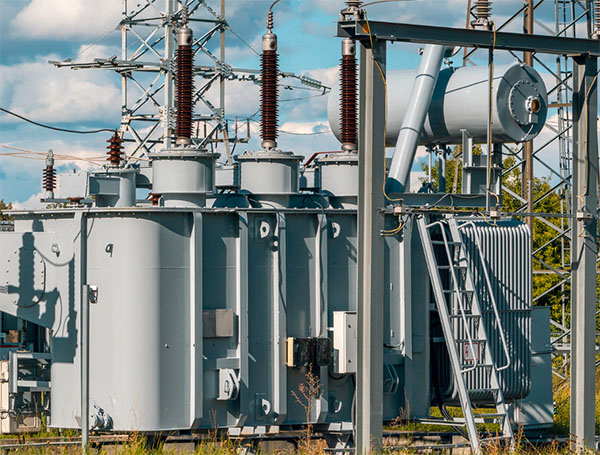
In the world of electrical testing, particularly when evaluating the insulation of critical equipment like transformers, motors, or power cables, both AC and DC dielectric testing play significant roles. Each test method has its strengths and is suited for different applications, but it’s essential to understand the distinctions between them to choose the right one for the job.
As someone who has worked with both methods extensively, I’ll walk you through the differences, applications, and practical considerations for using AC and DC dielectric tests. This guide is specifically designed for power industry workers who need to apply these tests in real-world scenarios.
Understanding Dielectric Testing
Dielectric testing evaluates the insulation strength of electrical equipment by applying voltage and measuring its response. The goal is to determine if the insulation can withstand operating voltage stresses without breaking down. This is critical for preventing electrical faults that could lead to equipment failure, downtime, or safety hazards.
The key difference between AC and DC dielectric testing lies in the nature of the voltage applied:
- AC dielectric testing applies an alternating current, which constantly reverses direction.
- DC dielectric testing applies a steady, unidirectional voltage.
While both methods are used to assess insulation, their applications, and the way they stress the insulation, differ significantly.
AC Dielectric Testing
What is AC Dielectric Testing?
AC dielectric testing involves applying an alternating current (AC) voltage to the insulation of a device. This simulates the real-world operating conditions that equipment faces, as most electrical systems use AC power. The test typically involves gradually increasing the voltage until it reaches the required test value, which is held for a specified time (usually one minute). If the insulation withstands this voltage without breaking down, the equipment passes the test.
AC dielectric tests are widely used for:
- Transformers
- Power cables
- High-voltage switchgear
- Motors
How AC Dielectric Testing Works
During an AC test, the polarity of the voltage alternates at a specific frequency (usually 50 or 60 Hz), similar to the operating conditions of most equipment. This constant reversal of current direction stresses the insulation both in the positive and negative directions.
Because of this:
- AC testing is considered more rigorous for evaluating insulation in real-world conditions.
- The alternating nature of the voltage can expose weak points in the insulation that might only show up under AC stress.
Practical Example
In my experience, AC dielectric testing is particularly useful when working with transformers or high-voltage switchgear. On one job, we tested an older transformer that had passed its visual inspection. However, when we applied the AC dielectric test, the insulation failed under the alternating voltage, revealing hidden weaknesses. This prevented us from putting a potentially dangerous transformer back into service.
Advantages of AC Dielectric Testing
- Realistic stress: AC testing replicates real operating conditions, making it more reliable for predicting how equipment will behave under normal loads.
- Detects partial discharges: The alternating nature of AC voltage can detect partial discharges (small, localized dielectric breakdowns) that indicate weak insulation spots.
- More rigorous testing: Because the polarity shifts during the test, AC dielectric testing puts more stress on insulation, making it an ideal test for comprehensive evaluations.
Disadvantages of AC Dielectric Testing
- More expensive equipment: AC dielectric test sets are often larger and more expensive than their DC counterparts because they need to generate high alternating voltages.
- Not suitable for long cables: Testing long cables with AC can lead to capacitive charging currents, which can make testing less practical or give inaccurate results.
DC Dielectric Testing
What is DC Dielectric Testing?
DC dielectric testing applies a steady, unidirectional (direct current) voltage to the insulation. Unlike AC testing, the voltage remains constant and does not alternate between positive and negative polarities. This makes DC dielectric testing useful for certain applications, especially in cases where the test object is large or where long cables are involved.
DC dielectric tests are commonly used for:
- Cables (especially long underground or overhead lines)
- Capacitive equipment
- Old equipment with weakened insulation
How DC Dielectric Testing Works
During a DC dielectric test, a constant voltage is applied to the insulation. This method is especially useful when testing long cables, as DC testing reduces the issues caused by the charging currents that can complicate AC testing. DC testing also measures the leakage current over time, which can indicate insulation degradation.
One important aspect to consider with DC dielectric testing is that it tends to polarize the insulation, meaning the test results may not fully replicate real-world conditions, particularly for AC-operated equipment.
Practical Example
Several years ago, I was tasked with testing a series of long underground cables that stretched over several kilometers. AC dielectric testing wasn’t an option because of the high capacitive charging currents. Instead, we used DC dielectric testing, which gave us a clear indication of the cables’ insulation health by measuring the leakage current over time. This allowed us to pinpoint areas of weakness without dealing with the excessive charging current that would have complicated the AC test.
Advantages of DC Dielectric Testing
- Less stress on equipment: DC testing places less strain on the insulation than AC testing, making it suitable for older or weaker insulation systems.
- Ideal for long cables: Because there’s no capacitive charging current, DC testing is perfect for long underground or overhead power cables.
- Simpler, more portable equipment: DC test sets are generally smaller, more portable, and less expensive than AC test sets, making them easier to use in the field.
Disadvantages of DC Dielectric Testing
- Doesn’t replicate real-world AC conditions: Since most power systems use AC, testing with DC may not fully predict how the insulation will perform under actual operating conditions.
- Polarization effects: DC voltage can polarize the insulation, potentially masking certain defects that would appear under AC stress.
- Less rigorous: DC testing is less effective at detecting partial discharges, which are early indicators of insulation failure.
AC vs. DC Dielectric Testing: Key Differences
| Aspect | AC Dielectric Testing | DC Dielectric Testing |
|---|---|---|
| Voltage Type | Alternating Current (AC) | Direct Current (DC) |
| Stress Applied to Insulation | Alternating stress that switches polarity | Constant, unidirectional voltage |
| Use Cases | Transformers, switchgear, motors | Long cables, aged equipment, cables in capacitive loads |
| Test Equipment | Larger, more expensive, requires larger power sources | Smaller, more portable, and less expensive |
| Realistic for AC Systems? | Yes, mimics real-world AC conditions | No, doesn’t fully replicate AC system behavior |
| Charging Current | Can be significant, especially for long cables | Minimal, suitable for long cables |
| Partial Discharge Detection | Effective for detecting partial discharges | Less effective |
| Risk to Equipment | Higher, especially for older equipment | Lower, less stress on older or weakened insulation |
Which Test Should You Choose?
The choice between AC and DC dielectric testing depends on the specific application, equipment type, and condition of the insulation.
When to Use AC Dielectric Testing
- Transformers, motors, and switchgear: Since these systems typically operate under AC, it’s best to test them with AC voltage.
- New equipment or recently repaired insulation: AC dielectric tests provide a comprehensive assessment of insulation strength.
- Detecting partial discharges: If there’s a concern about partial discharges or localized weaknesses in the insulation, AC testing is more effective.
When to Use DC Dielectric Testing
- Long cables: DC testing is ideal for long underground or overhead power cables because it avoids the complications of high capacitive charging currents.
- Older equipment: If the insulation is weak or has been in service for many years, DC testing applies less stress, reducing the risk of damaging the equipment.
- Portable, field testing: For quick, portable testing in the field, DC testing equipment is often a better choice due to its simplicity and portability.
Both AC and DC dielectric testing are vital tools in the electrical testing world, each with its strengths and limitations. Understanding when and where to use each method is crucial to accurately assess the insulation health of electrical equipment. In my experience, there’s no one-size-fits-all solution—each method has its place, depending on the type of equipment and the condition of the insulation.
Whether you’re working with transformers, motors, or long cables, dielectric testing provides invaluable insights that can help prevent costly failures, prolong equipment life, and ensure the safety of your power system.

 Bulgarian
  English
  German
  Spanish
  French
  Portuguese
  Vietnamese
  Afrikaans
  Amharic
  Arabic
  Aragonese
  Moroccan Arabic
  Assamese
  Azerbaijani
  South Azerbaijani
  Belarusian
  Bengali
  Tibetan
  Bosnian
  Catalan
  Czech
Czech  Danish
  Welsh
Welsh  Lower Sorbian
  Dzongkha
  Greek
Greek  Esperanto
  Estonian
  Basque
  Finnish
  Indonesian
  Italian
  Malayalam
  Latvian
  Panjabi
  Romanian
  Slovenian
  Russian