
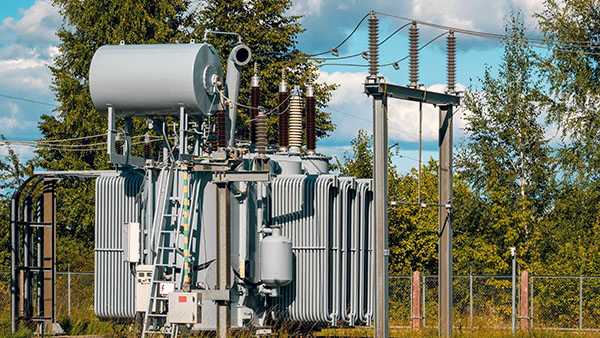
Transformers are vital components of the power grid, and their longevity directly impacts the efficiency and reliability of electrical systems. However, transformers are exposed to harsh environmental conditions that can significantly affect their performance and lifespan. One of the most common issues transformers face is corrosion, which can be caused by environmental factors like moisture, temperature fluctuations, and pollution. This corrosion can deteriorate the transformer’s metal components, causing operational failures and costly repairs.
One effective way to protect transformers from corrosion and extend their life is through transformer painting and corrosion prevention. Proper coating and regular maintenance can shield transformers from the elements and prevent corrosion from compromising their function.
In this article, we will discuss the importance of transformer painting, best practices for corrosion prevention, and key steps to ensure that your transformer remains in peak condition for years to come.
1. Introduction: Why Transformer Painting Matters
When we think about transformer maintenance, many of us focus on internal components like insulation, oil levels, and electrical connections. While these are crucial elements of transformer function, the external protection of the transformer is just as important. The exterior of the transformer, which includes metal parts such as the tank, bushings, and radiators, is constantly exposed to weather, chemicals, and pollutants. Without proper painting and corrosion protection, these components can degrade over time, leading to a reduction in efficiency and even catastrophic failure.
Proper transformer painting provides a protective barrier that shields metal surfaces from corrosion, rust, and oxidation. This layer also helps maintain the structural integrity of the transformer and contributes to its overall reliability and efficiency.
2. Understanding Corrosion and Its Impact on Transformers
Corrosion is a natural process where materials (typically metals) break down due to environmental exposure. For transformers, corrosion can cause serious damage to key components, leading to electrical failures and mechanical degradation. Here’s how corrosion affects transformers:
- Corrosion on Transformer Tanks: The tank, which houses the transformer’s electrical components, is susceptible to rust and oxidation, especially in areas with high humidity or salt exposure (such as coastal regions). Corrosion can weaken the tank structure and cause leaks, exposing internal components to moisture.
- Corrosion of Radiators and Cooling Fins: Radiators and cooling fins are critical for maintaining the transformer’s temperature. Corrosion in these parts reduces heat dissipation, leading to overheating, reduced efficiency, and potential failure.
- Bushing Degradation: Bushings, which provide electrical insulation and protection for transformer terminals, can also deteriorate due to corrosion, impacting the overall reliability of the transformer.
Corrosion not only affects transformer performance but also accelerates the aging process of the equipment, significantly reducing its lifespan.
3. Step-by-Step Guide to Transformer Painting and Corrosion Prevention
Painting and corrosion prevention are integral aspects of transformer maintenance. Here is a step-by-step guide to ensure your transformer receives the proper treatment:
3.1 Choosing the Right Coating
Choosing the correct coating material is critical for ensuring effective protection against corrosion. Transformer paints are specifically designed to withstand harsh environmental conditions and provide a durable barrier against moisture and pollutants.
- Epoxy Coatings: These coatings are ideal for transformers exposed to severe weather conditions. They offer excellent adhesion and resistance to moisture, chemicals, and extreme temperatures.
- Polyurethane Coatings: Known for their flexibility and UV resistance, polyurethane coatings are effective for protecting transformers exposed to sunlight and UV radiation.
- Zinc-Rich Primers: Zinc-rich coatings provide a sacrificial layer that corrodes first, protecting the underlying metal components.
Best Practice: Always consult with your manufacturer or a corrosion expert to choose the appropriate coating for your region’s climate and transformer specifications.
3.2 Surface Preparation: The Key to a Long-Lasting Finish
Surface preparation is the most critical step in the painting process. If the metal surfaces are not properly prepared, the coating will not adhere correctly, leading to premature failure.
- Cleaning: Thoroughly clean all surfaces to remove dirt, rust, oils, and old paint. Use abrasive tools like sandblasters or wire brushes to remove surface rust.
- Priming: Apply an appropriate primer to ensure that the coating adheres properly. The primer acts as a bonding layer between the metal surface and the final coat of paint.
- Drying: Allow the primer to dry completely before applying the final layer of paint.
Personal Anecdote:
In a previous project, we worked with a utility company in a high-humidity coastal region. The company had transformers exposed to constant saltwater spray, causing extensive corrosion. By ensuring proper surface preparation and applying high-quality epoxy coatings, we saw a significant increase in transformer longevity and a reduction in corrosion-related failures.
3.3 Applying the Paint: Techniques for a Durable Coating
Once the surface is clean and primed, it’s time to apply the final paint layer. Use the following techniques to achieve the best results:
- Spray Application: Use airless spray guns for an even, smooth coat. This method ensures thorough coverage and can reach difficult areas.
- Brush Application: For smaller or hard-to-reach areas, use a high-quality brush to ensure full coverage.
- Multiple Coats: Apply at least two coats of paint to ensure durability and resistance to the elements. Always follow the recommended curing times between coats.
4. Corrosion Prevention Best Practices
Painting alone is not enough to prevent corrosion—it’s important to incorporate other practices to ensure long-term protection. Here are some best practices for corrosion prevention:
4.1 Regular Inspections and Maintenance
Regular inspections are key to identifying early signs of corrosion and taking corrective action before it becomes a serious issue.
- Visual Inspection: Look for signs of rust, peeling paint, or bubbles in the coating, which could indicate the presence of moisture underneath.
- Touch-ups: Perform annual touch-ups to prevent the formation of rust and maintain the integrity of the coating.
4.2 Proper Drainage and Ventilation
Ensure that the transformer has adequate drainage and ventilation to prevent moisture buildup, which can accelerate corrosion. A transformer with poor drainage may trap moisture, causing rust and oxidation.
- Drainage Holes: Ensure that any drainage holes are free from debris and allow water to exit the transformer.
- Ventilation: Proper airflow is essential to prevent the buildup of moisture inside the transformer.
4.3 Utilizing Anti-Corrosion Coatings
In addition to standard paints, consider applying anti-corrosion coatings in areas where rust is more likely to form, such as the transformer tank, bushings, and tap changers. These coatings are designed to prevent rust and oxidation and can help extend the life of your transformer.
5. Tools and Materials You Need for Transformer Painting
The following tools and materials are essential for an efficient and successful transformer painting and corrosion prevention process:
- Abrasive Cleaning Tools (e.g., sandblasters, wire brushes)
- Spray Guns or Brushes for applying paint
- Epoxy or Polyurethane Paint specifically designed for transformers
- Zinc-Rich Primers for corrosion resistance
- Moisture Meters and Corrosion Detectors to identify early signs of moisture buildup
6. Common Mistakes in Transformer Painting and How to Avoid Them
While transformer painting is a relatively simple process, there are several common mistakes that can result in poor-quality coatings or early corrosion. Here are some mistakes to avoid:
- Skipping Surface Preparation: Failing to properly clean and prep the surface can cause the paint to peel or flake off prematurely.
- Using Low-Quality Paint: Using inexpensive or low-quality paint can lead to poor adhesion and reduced corrosion resistance.
- Inconsistent Application: Uneven application of paint can lead to weak spots that are vulnerable to rust.
7. Real-World Example: How Transformer Painting Extended Transformer Lifespan
A transformer operating in a coastal area was experiencing significant corrosion and oil leaks, leading to costly maintenance. The company decided to implement a comprehensive painting and corrosion prevention program, which included proper surface preparation, high-quality epoxy coatings, and annual touch-ups.
After three years of maintenance, the transformer experienced a 50% reduction in corrosion-related failures and extended its operational lifespan by over five years.
8. Conclusion: A Proactive Approach to Transformer Maintenance
Transformer painting and corrosion prevention are essential practices for maintaining the health and efficiency of transformers. By following the right procedures, choosing the appropriate coatings, and incorporating other corrosion control methods, you can significantly extend the lifespan of your transformers and reduce costly repairs.
Personal Insight:
From my experience, it’s clear that regular maintenance and corrosion prevention are key to transformer longevity. Proactive transformer care is not just about improving efficiency; it’s about ensuring that your investment in the power grid remains reliable and cost-effective for years to come.

 Bulgarian
  English
  German
  Spanish
  French
  Portuguese
  Vietnamese
  Afrikaans
  Amharic
  Arabic
  Aragonese
  Moroccan Arabic
  Assamese
  Azerbaijani
  South Azerbaijani
  Belarusian
  Bengali
  Tibetan
  Bosnian
  Catalan
  Czech
Czech  Danish
  Welsh
Welsh  Lower Sorbian
  Dzongkha
  Greek
Greek  Esperanto
  Estonian
  Basque
  Finnish
  Indonesian
  Italian
  Malayalam
  Latvian
  Panjabi
  Romanian
  Slovenian
  Russian