
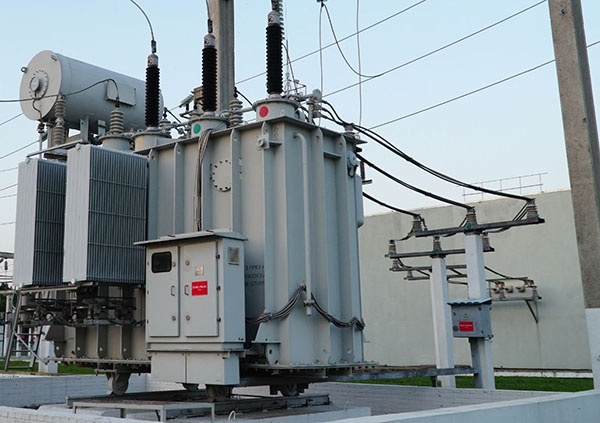
Transformer efficiency is a critical factor in the electric power industry. Efficient transformers reduce energy losses, minimize operational costs, and extend the lifespan of equipment. However, maintaining optimal transformer efficiency is not always straightforward, as many factors—from aging components to environmental stress—can degrade performance over time. The good news is that there’s a simple yet powerful test that can help: the transformer ratio test. In this article, we’ll explore how transformer ratio testing can significantly boost efficiency, safeguard power quality, and enhance overall system reliability.
Understanding Transformer Efficiency
Why Efficiency Matters in Transformers
Transformer efficiency refers to the ability of a transformer to transfer electrical power from the primary to the secondary winding with minimal energy loss. Ideally, a transformer should transfer nearly all of the input power to the output, with only a small portion lost as heat. However, in practice, even small inefficiencies can add up over time, leading to significant energy losses.
When transformers operate efficiently, they not only save energy but also help reduce operational costs. These savings can be substantial over the life of the transformer, particularly in high-load applications where even a slight improvement in efficiency can result in major financial benefits.
Personal Anecdote: “I worked with a utility company where we discovered that one of their key transformers was running at only 95% efficiency. This small 5% loss translated into tens of thousands of dollars in wasted energy each year. After identifying the issue with a transformer ratio test, we were able to make the necessary adjustments, which significantly improved efficiency and reduced their operating costs.”
In addition to saving energy and money, efficient transformers help reduce the environmental footprint of power systems. The less energy wasted in transmission, the fewer resources are required to generate and deliver power.
Common Causes of Transformer Inefficiency
There are several factors that can contribute to transformer inefficiency, including:
- Aging Components: Over time, transformer windings, insulation, and other components degrade, leading to increased energy losses.
- Overloading and Stress: Transformers that are regularly operated beyond their design specifications, or those exposed to fluctuating load conditions, may suffer from reduced efficiency due to the added stress.
- Environmental Factors: Extreme temperatures, humidity, and pollution can negatively impact transformer performance, particularly if the transformer is located in a challenging environment.
When these factors come into play, they can cause transformers to operate at suboptimal efficiency, increasing both energy losses and the likelihood of equipment failures.
The Transformer Ratio Test: A Simple Way to Boost Efficiency
What is a Transformer Ratio Test?
The transformer ratio test is a diagnostic procedure that measures the turns ratio between the primary and secondary windings of a transformer. This ratio is crucial because it determines how effectively the transformer can step up or step down voltage. During the test, a known voltage is applied to the primary winding, and the resulting voltage is measured in the secondary winding. The ratio of these two voltages should match the transformer’s design specifications.
The transformer ratio test is relatively simple to perform but provides invaluable insights into the condition and performance of a transformer. It helps ensure that the transformer is operating within its intended parameters, which is essential for maintaining efficiency.
How Ratio Testing Improves Transformer Efficiency
Transformer ratio testing helps boost efficiency in several ways:
- Detecting Degraded Components: The test can detect winding deformations, insulation breakdowns, and other issues that reduce efficiency. By catching these problems early, you can prevent further deterioration and restore the transformer to its optimal performance.
- Ensuring Proper Voltage Transformation: Transformers rely on precise voltage transformation to maintain efficiency. A transformer with an incorrect turns ratio won’t transform voltage as efficiently as it should, leading to unnecessary energy losses. Ratio testing helps ensure that the transformer is stepping up or stepping down voltage accurately.
- Preventing Electrical Imbalances: Imbalances in a transformer’s windings can lead to uneven power distribution, which reduces efficiency and stresses the system. Transformer ratio tests help identify and correct these imbalances, improving the overall performance of the power system.
Practical Steps to Conduct a Transformer Ratio Test for Optimal Efficiency
Setting Up a Testing Routine
To maximize transformer efficiency, regular ratio testing should be part of your maintenance routine. The frequency of testing depends on several factors, including the age of the transformer, its load, and the environmental conditions it operates in. For newer transformers, annual testing may suffice. However, older transformers or those exposed to high loads or harsh conditions should be tested more frequently—perhaps every quarter or even monthly.
Personal Anecdote: “At one facility, we focused our ratio testing efforts on transformers that were handling the most significant loads. This targeted approach helped improve overall system efficiency, and we were able to reduce downtime by 15%. By prioritizing the most critical transformers, we made the most of our maintenance efforts and achieved substantial energy savings.”
It’s also essential to prioritize high-load transformers or those in critical infrastructure, as any inefficiencies in these transformers can have a disproportionate impact on the entire power system.
Performing the Transformer Ratio Test
Conducting a transformer ratio test requires specialized tools, including a transformer turns ratio (TTR) tester, a multimeter, and appropriate safety gear. Below is a step-by-step guide to performing the test:
- Isolate the Transformer: Before testing, make sure the transformer is de-energized and disconnected from the power system. Safety should always be the top priority.
- Connect the Tester: Attach the TTR tester to the primary and secondary windings of the transformer according to the manufacturer’s instructions.
- Apply the Test Voltage: Use the TTR tester to apply a known test voltage to the primary winding.
- Measure the Secondary Voltage: Record the voltage in the secondary winding and calculate the turns ratio.
- Interpret the Results: Compare the measured ratio to the transformer’s design specifications. Any significant deviation from the expected ratio could indicate issues like winding deformation or insulation breakdown.
Addressing Efficiency Issues Detected by Ratio Testing
If the transformer ratio test reveals inefficiencies, the next step is to diagnose the root cause and take corrective action. Some common causes of inefficiency include damaged windings, insulation breakdown, or incorrect tap settings. Depending on the issue, corrective measures may involve recalibrating the transformer, repairing damaged components, or adjusting the tap settings.
Once corrective actions have been taken, follow-up ratio tests should be conducted to ensure that the transformer is operating efficiently again.
Long-Term Benefits of Regular Transformer Ratio Testing for Efficiency
Prolonging Transformer Life
One of the key benefits of regular transformer ratio testing is that it helps reduce stress on the transformer’s components, thereby extending its operational life. By detecting and addressing issues early, you can prevent further deterioration of the transformer, avoiding the need for costly repairs or replacements.
Efficient transformers also operate at lower temperatures, which reduces wear and tear on internal components and minimizes the risk of overheating and insulation breakdowns.
Lower Operational Costs
Regular ratio testing not only improves efficiency but also helps minimize operational costs. Efficient transformers waste less energy, which translates into lower energy bills for your organization. Additionally, catching inefficiencies early through regular testing can reduce the need for frequent repairs and replacements, leading to further cost savings.
Personal Anecdote: “One company I worked with saved over $100,000 a year simply by improving transformer efficiency through regular ratio testing. The reduction in energy losses and maintenance costs quickly made up for the cost of the testing.”
Increasing Overall System Reliability
Maintaining transformer efficiency through ratio testing also enhances system reliability. Efficient transformers are less likely to experience unexpected failures, leading to fewer outages and less disruption to the power system. This stability is crucial for maintaining consistent power quality and avoiding costly downtime.
By improving transformer efficiency, you also contribute to a more reliable and resilient power grid, which benefits both your organization and the customers you serve.
Transformer efficiency plays a critical role in the performance, reliability, and cost-effectiveness of your power system. Fortunately, maintaining this efficiency doesn’t have to be complicated. By integrating regular transformer ratio testing into your maintenance routine, you can detect inefficiencies early, reduce energy losses, and extend the life of your equipment.
Personal Anecdote: “In my experience, regular transformer ratio testing is one of the most effective tools for maintaining efficiency and preventing costly issues down the line. It’s a small investment that pays off with big rewards.”
Don’t wait until inefficiencies cause major problems—start incorporating transformer ratio testing into your maintenance plan today. With this simple test, you can boost transformer efficiency, save on operational costs, and ensure the long-term reliability of your power system.

 Catalan
  English
  German
  Spanish
  French
  Portuguese
  Vietnamese
  Afrikaans
  Amharic
  Arabic
  Aragonese
  Moroccan Arabic
  Assamese
  Azerbaijani
  South Azerbaijani
  Belarusian
  Bulgarian
  Bengali
  Tibetan
  Bosnian
  Czech
Czech  Danish
  Welsh
Welsh  Lower Sorbian
  Dzongkha
  Greek
Greek  Esperanto
  Estonian
  Basque
  Finnish
  Indonesian
  Italian
  Malayalam
  Latvian
  Panjabi
  Romanian
  Slovenian
  Russian