
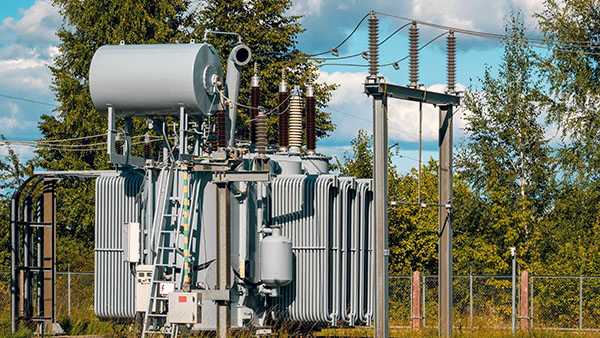
Oil dielectric testing is a cornerstone in maintaining the reliability and safety of electrical equipment within the electric power industry. Proper testing ensures that transformers, capacitors, and other critical components operate efficiently and safely, preventing costly downtime and catastrophic failures. In this comprehensive guide, we’ll delve into expert best practices for mastering oil dielectric testing, drawing from real-world experiences to provide actionable insights for electric power industry workers.
Understanding Oil Dielectric Testing
What is Oil Dielectric Testing?
Oil dielectric testing assesses the insulating properties of transformer oil, ensuring it can effectively prevent electrical discharges between conductive parts. The dielectric strength of oil indicates its ability to withstand high voltages without breaking down, which is crucial for the safe operation of electrical equipment.
Importance in the Electric Power Industry
In the electric power sector, transformers and other high-voltage equipment rely on oil dielectric properties to maintain insulation and prevent short circuits. Regular dielectric testing helps identify deteriorating oil quality, enabling timely maintenance and avoiding unexpected failures that can disrupt power supply and pose safety risks.
Common Applications
- Power Transformers: Ensures oil insulation maintains optimal dielectric strength.
- Circuit Breakers and Switchgear: Validates the insulating properties of oil used in these components.
- Insulation Monitoring Systems: Continuously assesses the condition of oil-based insulation.
Personal Anecdote: During a routine dielectric test on a critical transformer, we discovered a gradual decline in oil quality. Addressing the issue promptly through oil replacement and filtration prevented a potential transformer failure, saving the company from significant downtime and repair costs.
Selecting the Right Oil Dielectric Test Set
Key Features to Consider
Choosing the appropriate oil dielectric test set is vital for accurate and reliable testing. Key features to evaluate include:
- Voltage Range and Frequency Capabilities: Ensure the test set can handle the specific voltage levels required for your equipment.
- Measurement Accuracy and Precision: High accuracy is essential for reliable test results.
- Portability and Ease of Use: Depending on your testing environment, a portable and user-friendly test set can enhance efficiency.
Comparing Different Models
Different test sets offer varying functionalities. Popular models in the industry include:
| Model | Voltage Range | Accuracy | Portability | Pros | Cons |
|---|---|---|---|---|---|
| TestSet Pro 3000 | 0-100 kV | ±0.5% | High | High accuracy, robust build | Higher cost |
| DielecMaster 200 | 0-50 kV | ±1% | Medium | Affordable, easy to use | Limited voltage range |
| VoltGuard 500 | 0-200 kV | ±0.3% | Low | Extremely precise, advanced features | Heavy and less portable |
Budget vs. Performance
Balancing cost with performance is crucial. While high-end test sets offer superior accuracy and features, mid-range models can provide adequate performance for routine testing. Investing in quality equipment ensures long-term benefits, including reduced maintenance costs and enhanced reliability.
Personal Anecdote: We initially opted for a mid-range dielectric test set, which proved sufficient for most of our routine tests. However, during high-stakes projects requiring ultra-precision, upgrading to a higher-end model significantly improved our testing accuracy, leading to more reliable maintenance decisions.
Calibration Techniques for Accurate Testing
Importance of Regular Calibration
Regular calibration of your oil dielectric test set is essential to maintain measurement accuracy and comply with industry standards. Calibration ensures that your test equipment provides reliable data, which is critical for making informed maintenance decisions.
Step-by-Step Calibration Guide
- Gather Calibration Tools: Ensure you have the necessary reference standards and calibration equipment.
- Power Off the Test Set: Safely disconnect the test set from any power sources.
- Connect to Calibration Standards: Follow the manufacturer’s instructions to connect the test set to certified calibration standards.
- Run Calibration Procedures: Execute the calibration steps as outlined in the user manual, adjusting settings to match the reference standards.
- Verify Calibration: Perform a few test measurements to confirm the calibration accuracy.
- Document Calibration Results: Maintain records of calibration for compliance and future reference.
Troubleshooting Calibration Issues
Common calibration problems include drift in measurement accuracy and failure to match reference standards. To resolve these issues:
- Check Connections: Ensure all cables and connectors are secure and free from damage.
- Inspect Calibration Standards: Verify that the calibration standards themselves are accurate and not expired.
- Consult the Manual: Refer to the test set’s manual for specific troubleshooting steps.
- Seek Professional Calibration Services: When in doubt, professional calibration services can ensure your equipment remains precise.
Personal Anecdote: Once, our test set showed inconsistent readings due to a loose connection during calibration. Identifying and tightening the connection restored accuracy, highlighting the importance of meticulous calibration checks.
Proper Sample Preparation
Collecting Oil Samples Correctly
Proper sample collection is fundamental to obtaining accurate dielectric test results. Follow these best practices:
- Use Clean Containers: Ensure that sampling containers are clean and free from contaminants.
- Avoid Exposure to Air: Minimize the oil’s exposure to air to prevent moisture absorption.
- Sample from the Right Location: Collect samples from designated points to ensure representativeness.
Conditioning Samples for Testing
Preparing samples correctly involves:
- Removing Moisture: Use drying agents or centrifugation to eliminate moisture from the oil.
- Filtering Impurities: Remove solid particles and contaminants through filtration.
- Temperature Control: Ensure samples are at the correct temperature, typically room temperature, to avoid test result discrepancies.
Storage and Handling of Samples
Proper storage and handling maintain sample integrity:
- Seal Containers Tightly: Prevent contamination by ensuring containers are sealed properly.
- Store in Controlled Environments: Keep samples in cool, dry places away from direct sunlight.
- Label Accurately: Clearly label samples with relevant information such as date, location, and equipment details.
Personal Anecdote: A colleague once neglected to filter a sample properly, introducing particulate matter that skewed the test results. This oversight led to unnecessary maintenance actions. Adhering to proper sample preparation protocols ensures reliable and actionable test data.
Executing the Testing Procedures
Step-by-Step Testing Process
- Set Up the Test Set: Ensure the test set is calibrated and connected correctly.
- Prepare the Oil Sample: Follow the proper preparation steps to condition the oil.
- Conduct the Test: Perform the dielectric test as per the manufacturer’s instructions.
- Record the Results: Document the measurements accurately for analysis.
- Repeat for Consistency: Conduct multiple tests to ensure result reliability.
Safety Measures During Testing
Safety is paramount when conducting oil dielectric tests:
- Wear Appropriate PPE: Use insulated gloves, safety glasses, and protective footwear.
- Handle High-Voltage Equipment Carefully: Maintain safe distances and follow established safety protocols.
- Ensure Proper Ventilation: Conduct tests in well-ventilated areas to avoid inhaling fumes.
Common Testing Methods
- Breakdown Voltage Test: Determines the voltage at which the oil breaks down and conducts electricity.
- Dissipation Factor (Tan Delta) Test: Measures the energy loss in the oil, indicating its insulating quality.
- Power Factor Test: Assesses the oil’s ability to prevent electrical leakage.
Personal Anecdote: During a breakdown voltage test on a large transformer, our team detected an unexpected decrease in dielectric strength. This early detection allowed us to perform necessary maintenance, preventing a potential transformer failure that could have led to a widespread power outage.
Data Analysis and Interpretation
Understanding Test Results
Key parameters to evaluate include:
- Dielectric Strength: Indicates the oil’s ability to withstand high voltages.
- Dissipation Factor: Reflects energy loss and potential oil degradation.
- Power Factor: Assesses the oil’s insulating effectiveness.
Comparing Results with Standards
Benchmark your results against industry standards such as IEEE or ASTM to assess equipment health. For instance, a dielectric strength below the standard threshold indicates the need for oil replacement or further investigation.
Utilizing Software Tools for Analysis
Modern software tools can streamline data analysis:
- Data Logging: Automatically record test results for trend analysis.
- Visualization: Use graphs and charts to visualize data trends over time.
- Predictive Analytics: Leverage software to forecast potential equipment failures based on historical data.
Personal Anecdote: Implementing a data analysis software allowed us to track dielectric strength trends over several months. This proactive approach enabled us to schedule oil replacements before dielectric strength fell below safe levels, enhancing equipment reliability.
Maintenance of Test Equipment
Regular Cleaning and Inspection
Maintaining your test set ensures longevity and reliability:
- Clean After Use: Wipe down the test set to remove oil residues and contaminants.
- Inspect for Damage: Regularly check cables, connectors, and components for signs of wear or damage.
- Store Properly: Keep the test set in a clean, dry environment to prevent deterioration.
Storage Best Practices
Proper storage conditions protect your equipment:
- Avoid Extreme Temperatures: Store in a temperature-controlled environment to prevent damage.
- Use Protective Covers: Shield the test set from dust and physical damage with appropriate covers.
- Organize Storage Space: Ensure the storage area is organized to prevent accidental damage and facilitate easy access.
Troubleshooting Common Issues
Identifying Common Faults
During oil dielectric testing, you might encounter several common issues:
- Inconsistent Readings: Fluctuating measurements can indicate calibration problems or environmental interferences.
- Low Dielectric Strength: May suggest oil contamination or degradation.
- High Dissipation Factor: Indicates increased energy loss, often due to moisture or impurities in the oil.
Step-by-Step Troubleshooting Guide
- Verify Calibration: Ensure the test set is properly calibrated.
- Check Connections: Inspect all cables and connectors for secure and undamaged connections.
- Assess Environmental Factors: Ensure testing is conducted in a stable environment free from electromagnetic interference.
- Examine the Oil Sample: Reevaluate sample preparation steps to rule out contamination.
- Consult the Manual: Refer to the test set’s troubleshooting section for specific issues.
- Seek Professional Help: If the problem persists, contact the manufacturer or a professional technician.
When to Seek Professional Help
Certain issues require expert intervention:
- Persistent Calibration Errors: Continuous calibration problems may indicate deeper equipment issues.
- Complex Faults: Advanced electrical faults that are beyond basic troubleshooting steps.
- Equipment Malfunctions: When the test set itself is malfunctioning and internal repairs are needed.
Personal Anecdote: When our test set began producing erratic readings despite proper calibration and environmental control, we contacted the manufacturer’s support team. Their prompt assistance identified a faulty internal component, allowing us to replace it swiftly and resume accurate testing without further delays.
Integrating Testing into Maintenance Programs
Developing a Comprehensive Testing Schedule
A well-structured testing schedule ensures consistent monitoring of oil dielectric properties:
- Frequency of Testing: Determine based on equipment usage, manufacturer recommendations, and historical data.
- Routine Maintenance Checks: Incorporate dielectric testing into regular maintenance routines.
- Scheduled Downtime: Plan tests during scheduled maintenance windows to minimize disruption.
Documentation and Record-Keeping
Maintaining detailed records of test results is essential for trend analysis and compliance:
- Use Digital Logs: Utilize software tools to record and store test data systematically.
- Include Key Information: Document date, time, equipment details, test conditions, and results.
- Review Regularly: Periodically review records to identify trends and potential issues.
Leveraging Testing Data for Predictive Maintenance
Analyzing test data can help forecast potential equipment failures:
- Trend Analysis: Monitor changes in dielectric strength and dissipation factor over time.
- Predictive Models: Use data to develop models that predict when maintenance or oil replacement is needed.
- Proactive Maintenance: Schedule maintenance based on predictive insights to prevent unexpected failures.
Personal Anecdote: By integrating dielectric testing data into our maintenance program, we identified a gradual decline in oil quality in several transformers. This proactive approach allowed us to replace the oil before it reached critical levels, avoiding unplanned outages and extending the lifespan of our equipment.
Enhancing Safety During Oil Dielectric Testing
Implementing Safety Protocols
Establishing clear safety guidelines ensures a safe testing environment:
- Standard Operating Procedures (SOPs): Develop and enforce SOPs for all testing activities.
- Training Programs: Regularly train workers on safety protocols and emergency procedures.
- Safety Audits: Conduct periodic safety audits to ensure compliance and identify areas for improvement.
Using Appropriate PPE
Personal Protective Equipment (PPE) is crucial for safeguarding workers:
- Essential PPE: Insulated gloves, safety glasses, helmets, and protective footwear.
- Proper Use: Train workers on the correct donning and doffing of PPE.
- Regular Inspections: Inspect PPE for damage and replace worn or defective gear promptly.
Emergency Preparedness
Being prepared for emergencies minimizes the impact of accidents:
- Develop Emergency Response Plans: Outline procedures for various emergencies, including electrical fires and spills.
- Accessible First Aid Kits: Ensure first aid kits are readily available and stocked.
- Regular Drills: Conduct emergency drills to ensure workers are familiar with response procedures.
Personal Anecdote: During an oil dielectric test, a minor spill occurred due to a faulty container. Thanks to our comprehensive emergency response plan and the quick actions of our trained team, the spill was contained without any injuries or significant equipment damage. This incident reinforced the importance of safety protocols and preparedness.
Continuous Improvement and Staying Updated
Staying Informed on Industry Standards
Keeping up with the latest standards ensures compliance and enhances testing accuracy:
- Industry Publications: Subscribe to journals and newsletters related to electrical testing and maintenance.
- Professional Organizations: Participate in organizations like IEEE for access to resources and networking opportunities.
- Regulatory Updates: Stay informed about changes in regulations and standards affecting oil dielectric testing.
Investing in Ongoing Training
Continuous education enhances skills and keeps workers updated on best practices:
- Certification Programs: Encourage workers to pursue certifications in electrical testing and maintenance.
- Workshops and Seminars: Attend industry workshops and seminars to learn about new technologies and methodologies.
- In-House Training: Conduct regular in-house training sessions to reinforce best practices and introduce new procedures.
Adopting New Technologies and Techniques
Embracing advancements in testing technology improves accuracy and efficiency:
- Automated Testing Systems: Implement automated systems for more consistent and precise measurements.
- Advanced Software Tools: Utilize sophisticated software for data analysis and predictive maintenance.
- Innovative Testing Methods: Explore new testing techniques that offer enhanced insights into oil quality and equipment health.
Personal Anecdote: Adopting an automated dielectric testing system significantly reduced the time required for each test while increasing measurement accuracy. This technological upgrade not only improved our testing efficiency but also provided more reliable data for maintenance planning.
Conclusion
Mastering oil dielectric testing is essential for ensuring the reliability and safety of electrical equipment in the electric power industry. By following these expert best practices—understanding the fundamentals, selecting the right equipment, maintaining accurate calibration, preparing samples properly, executing thorough testing procedures, analyzing data effectively, maintaining test equipment, troubleshooting issues, integrating testing into maintenance programs, enhancing safety, and committing to continuous improvement—you can significantly enhance your testing accuracy and equipment reliability.
Final Thoughts: Oil dielectric testing is not just a routine task but a critical component of your maintenance strategy. Embracing these best practices fosters a proactive approach to maintenance, preventing costly failures and ensuring the longevity of your electrical infrastructure.
Start today by reviewing your current oil dielectric testing practices. Identify areas for improvement, invest in quality test sets, and commit to regular calibration and maintenance. Engage with your team to foster a culture of continuous improvement and safety. By implementing these best practices, you can master oil dielectric testing and contribute to a more reliable and efficient power system.
I recall a time when our team faced frequent transformer failures due to overlooked oil degradation. By adopting these best practices, we not only reduced failure rates but also extended the lifespan of our equipment. This transformation underscored the profound impact that meticulous oil dielectric testing can have on overall system reliability and safety.

 Catalan
  English
  German
  Spanish
  French
  Portuguese
  Vietnamese
  Afrikaans
  Amharic
  Arabic
  Aragonese
  Moroccan Arabic
  Assamese
  Azerbaijani
  South Azerbaijani
  Belarusian
  Bulgarian
  Bengali
  Tibetan
  Bosnian
  Czech
Czech  Danish
  Welsh
Welsh  Lower Sorbian
  Dzongkha
  Greek
Greek  Esperanto
  Estonian
  Basque
  Finnish
  Indonesian
  Italian
  Malayalam
  Latvian
  Panjabi
  Romanian
  Slovenian
  Russian