
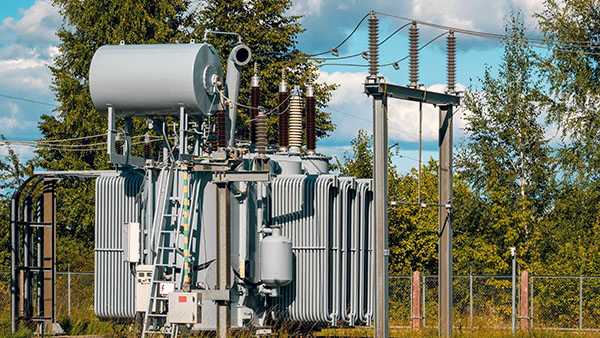
When it comes to maintaining transformers, grounding systems are often overlooked until something goes wrong. However, proper grounding is critical to ensuring the safety, reliability, and longevity of transformers in any electrical power system. As a professional in the electric power industry, you know how important it is for your team to have the right skills and knowledge when it comes to grounding maintenance. This article will explore why effective training is crucial, offer practical tips for empowering your team, and highlight how a well-trained team can improve safety, reduce downtime, and extend the life of your equipment.
Table of Contents
- The Importance of Grounding Training
- Essential Training Areas for Grounding Maintenance
- Best Practices for Training Your Team
- Troubleshooting Grounding Systems: Training Tips
- Tools for Grounding System Training
- Real-World Case Studies: The Impact of Proper Training
- Future Trends in Grounding Maintenance Training
- Conclusion
The Importance of Grounding Training
Transformer grounding is a vital part of any electrical system, but it is also a complex area that requires specific knowledge and skills to manage effectively. Poorly grounded transformers can lead to serious safety issues, equipment damage, or even operational failures. If a team lacks the proper training, they may miss critical issues that could lead to costly and dangerous problems down the line.
Proper training ensures that your team understands the importance of grounding and is equipped to maintain it proactively, minimizing risks and ensuring compliance with industry standards. By investing in grounding maintenance training, you are investing in the long-term safety and efficiency of your transformers and your entire electrical system.
Key Takeaway:
Empowered and well-trained teams are critical to ensuring that transformer grounding systems function safely, reliably, and in compliance with industry standards.
Essential Training Areas for Grounding Maintenance
Grounding maintenance is not a one-size-fits-all job, and your team should be well-versed in several key areas to effectively manage transformer grounding systems. Here are the essential training topics:
1. Fundamentals of Transformer Grounding
Before diving into maintenance procedures, your team should have a strong understanding of the basic principles of grounding. This includes:
- The purpose of grounding: Ensuring safety, stabilizing the voltage, and providing a path for fault currents.
- Types of grounding systems: Understanding different systems such as solid, resistance, and reactive grounding, and knowing when and where each is applied.
- Grounding components: Identifying components such as grounding rods, conductors, and electrodes, and understanding their roles in the system.
2. Design and Installation of Grounding Systems
Training should include the design aspects of a transformer grounding system, so your team can understand what makes a good system from the start. Topics to cover:
- Ground rod placement: Knowing where to place grounding electrodes for maximum effectiveness.
- Material selection: Choosing high-quality, corrosion-resistant materials for grounding electrodes and conductors.
- Compliance with standards: Adhering to national and international standards such as IEEE 142, NEC, and IEC for grounding systems.
3. Routine Grounding System Inspections
Once your team understands the fundamentals, they should learn how to perform routine inspections of the grounding system. This includes:
- Visual inspections: Checking for physical damage, corrosion, or loose connections.
- Resistance testing: Using tools to test ground resistance and ensuring the system remains within acceptable limits.
- Grounding continuity: Verifying that all components are electrically connected and provide a continuous path to the earth.
4. Advanced Troubleshooting Techniques
Transformer grounding systems can sometimes experience issues that require advanced troubleshooting skills. These include:
- High ground resistance: Knowing how to detect and fix high resistance in the system, often caused by corroded connectors or broken conductors.
- Fault current issues: Identifying and addressing issues with how fault currents are dissipated through the grounding system.
- Interference problems: Troubleshooting ground loops and electrical noise that can impact transformer performance.
5. Safety Procedures and Protocols
Proper safety training is a must, as grounding systems are often closely related to the protection of personnel. Essential safety topics include:
- Personal protective equipment (PPE): Understanding which PPE to wear during grounding maintenance tasks, including gloves, boots, and insulated tools.
- Electrical safety: Following safe work practices to prevent electrical shock or burns while working on live systems.
Best Practices for Training Your Team
Training your team effectively requires a combination of hands-on experience, classroom instruction, and continuous learning. Here are some best practices for grounding training:
1. Hands-On Training
The most effective way to train your team is by providing real-world, hands-on experience with grounding systems. Simulated training exercises can help workers practice common tasks, such as:
- Testing grounding resistance.
- Replacing corroded connections.
- Installing new electrodes.
Using a mock transformer setup or a small, isolated section of your grounding system can provide a controlled environment to develop practical skills without the risks of working on live systems.
2. Structured Training Programs
A formalized training program should be in place that includes both theoretical and practical components. Use training materials that cover key concepts and procedures, and integrate real-world case studies to make the training more relevant.
Offer certifications for completing courses that validate your team’s knowledge and competency in grounding maintenance. This not only motivates workers to improve their skills but also ensures that everyone is on the same page in terms of grounding practices.
3. Ongoing Education and Refresher Courses
Transformer grounding technologies and best practices evolve over time, so your team must stay current. Offer ongoing training opportunities, such as:
- Refresher courses: To keep existing knowledge sharp and introduce new techniques or technologies.
- Workshops and seminars: Invite industry experts to provide the latest insights into transformer grounding.
- Online resources: Provide access to online training modules and webinars that your team can access at their convenience.
4. Mentorship Programs
Pairing less experienced team members with senior experts can provide valuable mentorship. This allows new employees to learn on the job while also benefiting from the wisdom and experience of seasoned professionals.
Troubleshooting Grounding Systems: Training Tips
Effective troubleshooting starts with understanding the symptoms of common grounding problems. To train your team in troubleshooting techniques, focus on the following:
1. Identifying Ground Resistance Problems
Instruct your team to use a ground resistance tester to measure resistance levels in the grounding system. Resistance values higher than 1 ohm indicate a potential problem. Show your team how to:
- Inspect connectors and rods for corrosion.
- Tighten loose connections or replace worn components.
- Ensure that electrodes are properly grounded and make good contact with the earth.
2. Detecting Fault Current Issues
If a fault occurs, it’s essential to detect how the fault current is being directed. Teach your team how to:
- Use a clamp-on ammeter to check current flow.
- Identify areas where fault currents are not being properly dissipated.
3. Resolving Ground Loops and Interference
Sometimes, electrical noise or ground loops can interfere with transformer performance. Equip your team with the knowledge to detect and resolve these issues using diagnostic tools like oscilloscopes and ground loop testers.
Tools for Grounding System Training
To effectively train your team, you need the right tools for both testing and maintenance. Here are some essential tools for grounding system training:
- Ground Resistance Tester: A fundamental tool to check whether the system’s grounding resistance meets required standards.
- Clamp-on Ammeter: To measure current flow in the grounding system.
- Continuity Tester: A simple device to check the electrical continuity of grounding connections.
- Thermal Imager: Used to detect hot spots that could indicate poor connections or high resistance.
- Corrosion Detection Tools: Devices like ultrasonic thickness gauges to measure the condition of grounding rods and connectors.
Real-World Case Studies: The Impact of Proper Training
Case Study 1: Preventing Transformer Failures
A utility company had frequent transformer failures due to grounding issues, leading to costly repairs and outages. After implementing a comprehensive training program that emphasized proper grounding practices, the failure rate dropped significantly. The trained team was able to identify grounding weaknesses before they became critical issues.
Case Study 2: Reducing Downtime in an Industrial Plant
An industrial plant was experiencing prolonged downtime because of grounding system failures. After providing the maintenance team with proper training on inspection and testing methods, the plant saw a marked reduction in grounding-related downtime, which improved productivity and reduced repair costs.
Future Trends in Grounding Maintenance Training
As technology continues to advance, so will the methods and tools used for transformer grounding maintenance. Future trends include:
- Smart Monitoring Systems: IoT-enabled devices will allow real-time monitoring of grounding system performance.
- Virtual Reality (VR) Training: VR could revolutionize training by allowing workers to practice grounding maintenance tasks in a safe, virtual environment.
- AI for Diagnostics: Artificial intelligence may help detect grounding problems before they become critical by analyzing data from sensors and providing predictive insights.
Conclusion
Transformer grounding maintenance is critical to ensuring the safety, reliability, and performance of electrical systems. Empowering your team with the right training ensures that they are equipped to handle grounding issues effectively and proactively. With proper hands-on experience, structured programs, and ongoing education, your team will be better prepared to maintain transformer grounding systems and minimize downtime, ultimately improving both safety and system reliability. By investing in training today, you are securing a safer and more efficient tomorrow for your team and your organization.

 Catalan
  English
  German
  Spanish
  French
  Portuguese
  Vietnamese
  Afrikaans
  Amharic
  Arabic
  Aragonese
  Moroccan Arabic
  Assamese
  Azerbaijani
  South Azerbaijani
  Belarusian
  Bulgarian
  Bengali
  Tibetan
  Bosnian
  Czech
Czech  Danish
  Welsh
Welsh  Lower Sorbian
  Dzongkha
  Greek
Greek  Esperanto
  Estonian
  Basque
  Finnish
  Indonesian
  Italian
  Malayalam
  Latvian
  Panjabi
  Romanian
  Slovenian
  Russian