
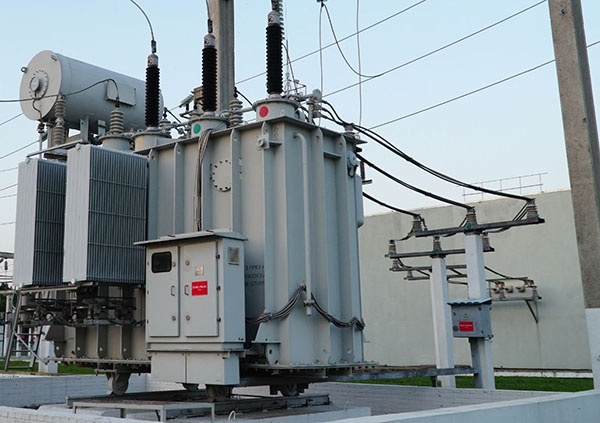
Learn about the short circuit test of a transformer—its purpose, methodology, real-world applications, safety considerations, and best practices. A comprehensive guide for electric power industry professionals to ensure reliable transformer performance.
Table of Contents
- Introduction: What Is the Short Circuit Test?
- Primary Goals of the Short Circuit Test
- When and Why to Conduct Short Circuit Tests
- Equipment and Preparations Required
- Step-by-Step Guide to Short Circuit Testing
- Personal Anecdote: Learning from a Surprising Short-Circuit Test Outcome
- Case Study: Improving Transformer Specifications with Short Circuit Data
- Best Practices and Safety Considerations
- Common Challenges and How to Overcome Them
- Future Trends in Short Circuit Testing
- Conclusion
- FAQ
1. Introduction: What Is the Short Circuit Test?
A short circuit test on a transformer is a vital procedure in power engineering circles. This test simulates how the transformer behaves when the secondary (or lower-voltage) winding is effectively “shorted” (while the primary receives just enough voltage to drive the rated current). By measuring specific parameters, engineers glean crucial insights into internal copper losses (load losses) and leakage reactances, verifying the unit’s suitability for high-current applications without risking actual in-service short circuits that could damage equipment.
While the name “short circuit test” may sound alarm bells—particularly to newcomers—this controlled procedure is safe when executed correctly and yields valuable data. Whether ensuring an existing transformer still meets design criteria or validating a new procurement from a manufacturer, short circuit testing is indispensable for reliability, cost-effectiveness, and peace of mind in the electric power industry.
2. Primary Goals of the Short Circuit Test
2.1. Measuring Load Losses and Copper Losses
In a loaded transformer, most operational losses occur in the windings themselves. The short circuit test focuses on load or copper losses—those that happen when current flows through the coil. By feeding just enough primary voltage to drive the transformer’s nominal or rated current into a short-circuited secondary, technicians measure the input power. From this, they derive:
- Copper Loss (Load Loss): A major factor in heat buildup and efficiency drop.
- Voltage Variation Under Load: Helps foresee how the transformer will handle real operating conditions.
Professional Note: A stable reading of the load-loss figure is critical in budgeting a transformer’s thermal design and longevity analysis, ensuring it won’t overheat or degrade faster than anticipated.
2.2. Verifying Impedance and Regulation Factors
During the short circuit test, the leakage reactance of the windings and the inherent resistance in the copper coil manifest as an impedance reading. This impedance influences how well the transformer can handle fault currents, define voltage drop under load, and predict short-circuit levels if an external fault or overload arises. These results feed into system modeling, protective relay settings, and parallel operation feasibility assessments.
3. When and Why to Conduct Short Circuit Tests
Short circuit tests are not restricted to newly manufactured transformers. Although typically part of routine factory acceptance tests, they also reappear in the field for:
- Post-Maintenance Verification: Confirm coil rewinds or mechanical realignments restored the unit’s design specs.
- Periodic Integrity Checks: Evaluate whether aging windings or partial insulation breakdown are altering losses or reactances beyond acceptable norms.
- Retrofit or Upgrades: When a transformer is repurposed for heavier loads or integrated into a new system topology, short circuit data ensures it can handle the updated specs.
Practical Insight: The frequency of these tests depends on factors like the transformer’s load cycles, environment, age, and importance to grid stability, balancing test overhead with the risk of undetected coil or insulation deterioration.
4. Equipment and Preparations Required
Conducting a short circuit test safely and accurately requires specialized instruments, thorough planning, and skilled personnel. Below are core essentials for typical field or factory setups.
4.1. Precision Measuring Instruments
- Wattmeters or Power Analyzers: Captures real power input during test, from which copper losses are derived.
- Ammeter: Ensures that rated current is circulated, typically at or near the transformer’s nominal load level.
- Voltmeter: Monitors the primary voltage applied—often quite low—due to the secondary being shorted, ensuring no overexcitation or risk to the coil insulation.
4.2. Personal Protective Equipment and Safety Gear
- Insulated Gloves and Footwear: Protect from accidental live parts or voltage surges.
- Face Shield and Flame-Resistant Clothing: Minimizes injury risks if sparks or arcs occur unexpectedly.
- Lockout-Tagout Protocols: Formalizes process isolation, ensuring the transformer under test remains uncontaminated by external lines or loads.
5. Step-by-Step Guide to Short Circuit Testing
While procedures differ slightly based on site conditions or instrument sophistication, the following outlines a common, structured approach ensuring data reliability and technician safety.
5.1. LOTO and Initial Safety Steps
- Secure the Transformer: Isolate from any grid or generator sources; label and lock to prevent unintentional energization.
- Review Nameplate: Check rated voltage, rated current, impedance specs, ensuring the test plan aligns with official design references.
5.2. Short-Circuiting Secondary (or Low-Voltage) Winding
- Firmly connect suitable conductors across the secondary terminals—these cables must handle the prospective short-circuit current without excessive heating.
- Double-check zero or near-zero ohmic path to confirm a proper short circuit, but keep an accessible point for measuring current or voltage if needed.
5.3. Adjusting Primary Voltage for Rated Current
Gradually apply voltage to the primary winding from a test source. Because the secondary is shorted, the necessary voltage to achieve rated current is much lower than normal operating levels—frequently just a few percent of nominal rating. Stabilize the voltage until the ammeter shows the desired current (often the rated full-load current), ensuring the transformer isn’t going beyond safe thermal or mechanical limits during the test timeframe.
5.4. Measuring Power and Voltage
- Power Input (Wattmeter): Records how many watts are consumed in the coil windings, essentially the load (copper) losses.
- Primary Voltage and Current: Double-check that the test source is stable, controlling any variations that could skew data or endanger the winding insulation.
Professional Caution: Monitor test durations carefully to avoid excessive coil heating or unintended stress on older or compromised transformers.
5.5. Recording and Analyzing Results
- Derive Copper Loss: The measured input power at rated current approximates winding (I²R) losses for typical operation.
- Calculate Leakage Reactance or Impedance: The ratio of tested voltage to short-circuit current gives valuable leakage reactance data, crucial for fault-level computations.
- Compare Against Design Values: Validate if the transformer’s actual parameters stay within permissible deviations of factory specs; major drifts suggest coil problems or mechanical deformations.
6. Personal Anecdote: Learning from a Surprising Short-Circuit Test Outcome
One memorable testing assignment in a desert substation drastically changed my perspective on short circuit checks. Our team was verifying copper losses on a newly relocated transformer that seemed near perfect in ratio and insulation tests. However, once we performed the short circuit test, the measured losses soared 20% above nameplate expectations. Delving deeper, we found that vibration from shipping compromised coil bracing, causing partial coil displacement. By identifying those spiked copper losses early, we arranged a quick coil re-tightening and realignment, saving the unit from potential meltdown under real load.
Lesson Learned: **Never assume** a stable transformer is fully healthy if short circuit data diverges from design. Minor mechanical shifts can hamper performance, leading to heavier losses, shorter coil life, and unexpected thermal burdens.
7. Case Study: Improving Transformer Specifications with Short Circuit Data
Setting
A municipal utility purchasing large power transformers for a new distribution substation insisted on short circuit test results from the manufacturer as part of acceptance protocols. They sought to confirm copper losses matched design specs and that fault-level performance was within local grid safety margins.
Approach
- Factory Short Circuit Trials: Conducted on representative transformers at the OEM test facility, verifying load losses and leakage reactances meticulously recorded.
- Post-Delivery Confirmation: Repeated short circuit checks after shipping revealed minimal coil shift or insulation warping—leading to a near match with factory data.
Outcome
- Optimized System Setup: Predictable short-circuit performance streamlined substation protective relay coordination.
- Improved Supplier Accountability: Regular short circuit tests prompted OEMs to refine coil manufacturing methods and bracing, ensuring minimal mechanical drift.
- Enhanced Relationship with the Vendor: Transparent data sharing and acceptance test protocols built mutual trust and reliability in future expansions.
Key Takeaway: **Incorporating robust short circuit data** into procurement can forestall disagreements over performance shortfalls and ensure the delivered transformer meets operational standards from day one.
8. Best Practices and Safety Considerations
Ensuring the short circuit test yields quality data—and no mishaps—demands adherence to established procedures and professional guidelines:
- Proper Equipment Calibration: Always calibrate meters, ammeters, wattmeters, and voltage sources to meet or surpass relevant industry standards.
- Detailed Pre-Test Plans: Document all steps, specify test current limits, assign roles to each team member, and define emergency shutdown procedures.
- Limited Test Durations: Control how long the transformer stays under short circuit conditions to avoid excessive coil heating or mechanical stress.
- Comprehensive Data Logging: Store every measurement (voltage, current, power) in real-time for future analysis or regulatory compliance.
Technical Reminder: Most short circuit tests operate at a small fraction of full rated voltage, but the resulting current is near or at rated levels. This scenario can still challenge older windings or weak spots if extended carelessly.
9. Common Challenges and How to Overcome Them
9.1. Test-Setup Limitations
Issue:
- Some field sites lack potent enough test sources to inject required current levels, or the available supply might vary in frequency or voltage stability.
Solution:
- Use Portable Generators or Load Banks: Offers stable current supply if substation lines are inadequate.
- Partner with Test Labs: For large or critical transformers, shipping to specialized facilities ensures comprehensive testing with robust infrastructure.
9.2. Load Simulation Beyond Nominal Currents
Issue:
- Testing only at rated load might not fully reveal how the winding behaves under short-term overload or fault conditions, especially if mechanical bracing is borderline.
Solution:
- Planned Overcurrent Tests: Evaluate short bursts of 110–125% rated current within safe thermal margins to replicate abnormal system conditions.
- Thermal Monitoring: Confirm coil or oil temperatures remain within tolerance to prevent insulation damage.
9.3. Environmental Variables
Issue:
- Fluctuating ambient temperatures or high humidity levels leading to data instability, especially in older or partially sealed transformers.
Solution:
- Stabilize Test Conditions: Attempt to measure in moderate, repeatable climate windows, or use controlled enclosures for smaller units.
- Instrumentation Shielding: Protect leads and sensors from electromagnetic interference or abrupt temperature swings.
10. Future Trends in Short Circuit Testing
Like many aspects of power engineering, short circuit testing procedures are evolving thanks to digitalization and advanced analytics. Expect to see:
- Real-Time Monitoring Integration: Sensors embedded in large transformers continuously measure partial discharges and stray currents, correlating data with short circuit test findings for predictive maintenance.
- Improved Virtual Simulation Software: Engineers can model short circuit scenarios digitally before carrying out targeted physical tests, decreasing risk and focusing in-person checks more effectively.
- Higher Automation: Automated test platforms that adjust applied currents, measure winding performance, and alert operators if coil stresses approach damaging thresholds.
Industry Outlook: The trend toward “smart transformers” is broadening. Real-time coil stress data, combined with automated short-circuit analyses, fosters deeper resiliency across future power grids.
11. Conclusion
The short circuit test is a foundational procedure that every electric power industry professional should grasp thoroughly. By simulating a high-current condition with the secondary winding shorted, technicians glean pivotal insights into the transformer’s load losses (copper losses), leakage reactance, and readiness to handle real fault scenarios. Mastering this test—adhering to strict safety measures, employing precise instruments, and analyzing data comprehensively—gives operators confidence in their equipment’s performance and lifespan.
Key Takeaway: **Short circuit tests** confirm that a transformer’s windings can bear significant currents without unusual heating or mechanical distortion, verifying overall load-handling capacity and guiding corrective steps if actual performance drifts from design ideals. Regularly incorporating these tests into maintenance schedules helps maintain stable, efficient power delivery at minimal operational risk.
12. FAQ
- What is the main purpose of the short circuit test on a transformer?
It verifies the transformer’s copper (load) losses and measures leakage reactance or impedance under rated currents, confirming how it handles high current flow without normal load connection. - Is the short circuit test dangerous?
When performed correctly—adhering to lockout-tagout procedures, using calibrated low-voltage supplies, and wearing PPE—it is controlled, revealing coil integrity with minimal risk. - What is the typical voltage applied during a short circuit test?
Often a small fraction of normal operating voltage (e.g., 2–5% of rated primary voltage) because the secondary winding is shorted and rated current is still achieved with low voltage. - Why measure power during the short circuit test?
Wattmeter readings gauge load losses in the winding, a primary contributor to heat generation and energy inefficiency under normal or fault conditions. - Do older transformers require more frequent short circuit testing?
Typically, yes. Aging insulation or mechanical bracing can degrade, raising the likelihood of ratio drifts or coil damage detectable through short circuit checks. - How does short circuit testing differ from no-load testing?
No-load tests measure core (iron) losses with the secondary open, while short circuit tests measure winding (copper) losses at rated current with the secondary shorted. - Can short circuit data predict future coil failures?
Significant deviations in measured losses or leakage reactance can suggest mechanical or insulation strain, indicating a heightened risk of coil problems if left unaddressed. - Are multi-tap transformers tested differently?
Each tap setting might be verified separately to ensure copper losses align with design across the entire tap range, especially in variable load or voltage regulation scenarios. - What if the measured short circuit power is higher than specified?
Possibly indicates partial winding damage, subpar coil alignment, or manufacturing anomalies. Investigate coil tension, insulation, or contact connections for remedial steps. - Which standards govern short circuit testing procedures?
IEEE C57 and IEC 60076 guidelines often detail short circuit testing norms, recommended tolerances, and best practices for safe, repeatable results.
Author’s Note: Always comply with manufacturer recommendations and recognized industry standards when setting up and conducting short circuit tests. Proper training, methodical planning, and careful execution ensure accurate, actionable data with minimal hazards to equipment and personnel.

 Catalan
  English
  German
  Spanish
  French
  Portuguese
  Vietnamese
  Afrikaans
  Amharic
  Arabic
  Aragonese
  Moroccan Arabic
  Assamese
  Azerbaijani
  South Azerbaijani
  Belarusian
  Bulgarian
  Bengali
  Tibetan
  Bosnian
  Czech
Czech  Danish
  Welsh
Welsh  Lower Sorbian
  Dzongkha
  Greek
Greek  Esperanto
  Estonian
  Basque
  Finnish
  Indonesian
  Italian
  Malayalam
  Latvian
  Panjabi
  Romanian
  Slovenian
  Russian