
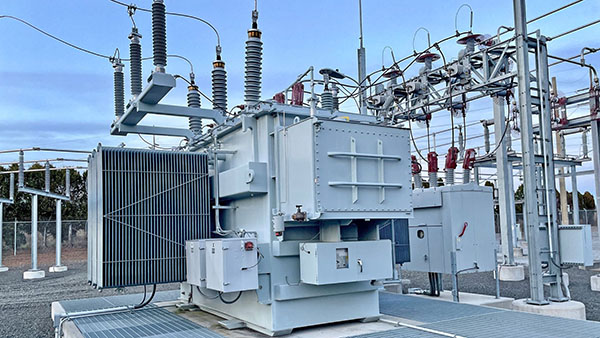
Transformer cable connections play a critical role in the efficient operation of the electrical grid. These connections allow the transformer to send electrical energy through to various components and systems. However, like all mechanical and electrical systems, transformer cables are subject to wear, corrosion, and poor maintenance practices. Faulty transformer cable connections can cause a wide range of issues, including poor performance, overheating, and even catastrophic failure. Being able to troubleshoot and repair these connections quickly is vital for ensuring the reliable operation of transformers and, by extension, the power grid.
In this article, we will guide you through the process of troubleshooting faulty transformer cable connections, providing practical steps and tips based on real-world scenarios.
Table of Contents
- Why Transformer Cable Connections Fail
- Signs of Faulty Transformer Cable Connections
- Step-by-Step Troubleshooting Process
- Tools You’ll Need for Troubleshooting Transformer Cable Connections
- Common Cable Connection Problems and How to Fix Them
- Best Practices to Prevent Faulty Cable Connections
- Case Study: Troubleshooting Transformer Cable Connections at a Power Plant
- Conclusion: The Importance of Regular Cable Connection Maintenance
Why Transformer Cable Connections Fail
Transformer cables are subjected to several conditions that may cause them to fail over time. The most common reasons for cable failure are:
1. Loose Connections
Over time, connections can become loose due to vibration, thermal cycling, or improper installation. Loose connections cause increased resistance, leading to overheating, component damage, and potential short circuits.
2. Corrosion
Moisture, dirt, and environmental pollutants can cause corrosion on cable connections. Corrosion increases resistance, causes overheating, and degrades the quality of the electrical contact.
3. Improper Torque
When cables are not tightened to the correct specifications, they can become loose or damaged. Too much torque can also cause the connectors to break or lead to poor contact.
4. Physical Damage
Cables can suffer physical damage from external factors, such as rodents, accidental impacts, or even extreme weather conditions, which can affect the electrical integrity of the connection.
5. Wear and Tear
With regular operation, cables and connections experience wear and tear, causing them to degrade. This often results in insulation breakdown, which can lead to arcing or short-circuiting.
Signs of Faulty Transformer Cable Connections
Detecting faulty transformer cable connections early can save you from extensive downtime, repair costs, and even transformer failure. Some of the most common signs of faulty connections include:
1. Overheating
If a connection is loose or has become corroded, it can cause localized heating. Excess heat is a clear sign that there is high resistance at the connection point.
2. Burnt or Discolored Cables
Overheated cables can become discolored, which may manifest as burnt marks, charred insulation, or smoke. This is an indication of a serious problem with the cable connection.
3. Power Fluctuations
Fluctuations in power, such as inconsistent voltage or frequent tripping of the transformer, can be caused by a faulty cable connection, especially if there is an intermittent fault in the circuit.
4. Sparks or Arcing
If you see visible sparks or experience electrical arcing near a transformer, it is a clear indication that there is a serious issue with the cable connection that could lead to a short circuit or fire.
5. Unusual Noise
Sometimes, faulty connections can generate unusual noises like buzzing or humming. These noises are typically due to arcing or overheating at the connection points.
Step-by-Step Troubleshooting Process
3.1 Initial Visual Inspection
The first step in troubleshooting transformer cable connections is to perform a detailed visual inspection. Look for the following:
- Signs of wear or physical damage to cables.
- Burn marks or discoloration around connection points.
- Corrosion or rust around the cable connectors.
- Loose or improperly seated connections.
If you find any obvious issues, proceed to rectify them before continuing further diagnostic testing.
3.2 Using a Multimeter for Continuity Testing
Next, use a multimeter to test the continuity of the cable connections. Set the multimeter to the appropriate resistance setting and check for any unusual readings. High resistance readings indicate a poor connection, while continuity testing will help you determine if the electrical flow is interrupted.
- No continuity means there is a break in the connection.
- High resistance indicates the presence of a loose or corroded connection.
3.3 Thermal Imaging for Hot Spots
Thermal imaging is an excellent non-contact method for identifying overheating connections. Use a thermal imaging camera to scan the transformer and surrounding cables. Hot spots will appear as areas of higher temperature, often indicating that the connection is loose or damaged. This is especially helpful for identifying issues that might not be immediately visible.
3.4 Checking for Corrosion and Wear
Corrosion is a major contributor to cable failure. Check the connectors and cables for signs of oxidation, particularly around the areas where the cables meet the transformer. If corrosion is detected, it’s important to clean the connections using appropriate cleaning agents or tools before tightening the connection.
3.5 Tightening Connections and Torque Calibration
After identifying the faulty connection, use a torque wrench to tighten the cable connections to the manufacturer’s specified torque values. Ensure that you do not overtighten, as this can lead to further damage. Properly calibrated torque is essential to ensure a secure connection without damaging the cable or connector.
Tools You’ll Need for Troubleshooting Transformer Cable Connections
To effectively troubleshoot faulty transformer cable connections, you’ll need the following tools:
1. Multimeter
For testing electrical continuity and resistance at the connection points.
2. Thermal Imaging Camera
To spot overheating connections that might not be visibly noticeable.
3. Torque Wrench
For ensuring that the connections are tightened to the correct specifications.
4. Cable Strippers and Cutters
To remove any damaged sections of cable or to strip the insulation for better contact.
5. Cleaning Tools
To remove corrosion and dirt from cable connectors, ensuring a clean and reliable connection.
Common Cable Connection Problems and How to Fix Them
1. Loose Connections
Loose cable connections are one of the most common issues. They can be fixed by using a torque wrench to tighten the connections to the correct specification.
2. Corrosion
Corroded connections should be cleaned with specialized tools or replaced if the damage is severe. Always inspect for moisture or dirt that may be contributing to the corrosion.
3. Burnt or Melted Cables
Burnt cables may need to be replaced entirely. Inspect the surrounding components for signs of overheating or damage to ensure the problem is fully resolved.
Best Practices to Prevent Faulty Cable Connections
Preventing faulty cable connections is just as important as troubleshooting them. Here are some best practices:
- Regular Inspections: Implement a routine inspection schedule using visual checks, multimeters, and thermal imaging cameras.
- Torque Calibration: Ensure all connections are tightened to the recommended torque specifications to avoid both over-tightening and under-tightening.
- Use High-Quality Materials: Always use high-quality connectors and cables designed for the specific operating conditions.
- Maintain Clean Connections: Keep the connections clean and free from moisture and debris that can lead to corrosion.
- Monitor Temperature: Regularly monitor the temperature of connections, especially during peak operation, to catch any hot spots early.
Case Study: Troubleshooting Transformer Cable Connections at a Power Plant
At a power plant, faulty cable connections led to multiple transformer failures over a short period. The maintenance team noticed that overheating and power fluctuations were becoming a recurring issue. After conducting a detailed inspection using a combination of multimeter tests and thermal imaging, they identified several loose and corroded connections. By tightening the connections and replacing corroded cables, they restored transformer performance and avoided a complete shutdown of the facility. This case demonstrates the importance of regular troubleshooting and the use of proper tools to maintain transformer cable connections.
Conclusion: The Importance of Regular Cable Connection Maintenance
Faulty transformer cable connections can lead to serious issues, including overheating, arcing, and even power grid failure. By following a systematic troubleshooting process and using the right tools, you can identify and fix issues early, ensuring reliable transformer performance. Regular inspections, proactive maintenance, and proper torque calibration are essential for preventing cable connection failures and keeping your transformers running efficiently.

 Czech
Czech  English
  German
  Spanish
  French
  Portuguese
  Vietnamese
  Afrikaans
  Amharic
  Arabic
  Aragonese
  Moroccan Arabic
  Assamese
  Azerbaijani
  South Azerbaijani
  Belarusian
  Bulgarian
  Bengali
  Tibetan
  Bosnian
  Catalan
  Danish
  Welsh
Welsh  Lower Sorbian
  Dzongkha
  Greek
Greek  Esperanto
  Estonian
  Basque
  Finnish
  Indonesian
  Italian
  Malayalam
  Latvian
  Panjabi
  Romanian
  Slovenian
  Russian