
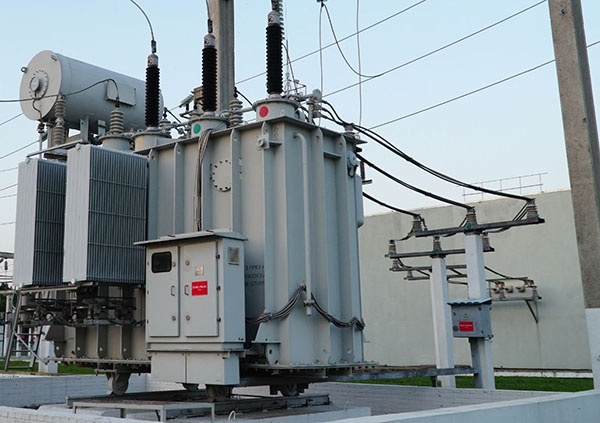
Learn how to safely and effectively pressure test a transformer to check for leaks, tank integrity, and ensure system reliability. Ideal for professionals in the electric power industry.
1. Introduction: Why Pressure Test a Transformer?
When it comes to power transformers, most discussions center on dielectric tests, oil analyses, and thermal evaluations. However, pressure testing is equally important—it verifies a transformer’s mechanical integrity and ensures there are no leaks or structural weaknesses that could compromise performance or safety. In an oil-filled transformer, even a minor leak can introduce moisture or contaminants, degrade insulation, and eventually lead to failures.
Key reasons to pressure test:
- Identify Leaks: Ensures gaskets, seals, and welded joints are holding up.
- Confirm Tank Integrity: Detects potential weak points in the transformer body that might balloon under stress.
- Enhance Longevity: Minimizes moisture ingress and preserves oil quality, extending equipment life.
2. Key Considerations Before You Start
Pressure testing a transformer is not just about attaching a hose and pumping air. It requires a systematic approach, adherence to safety protocols, and specialized tools.
2.1. Safety Precautions
- De-Energize and Isolate: Always ensure the transformer is disconnected from the grid. Lockout-tagout procedures must be strictly followed.
- Use Proper PPE: Insulated gloves, safety goggles, and arc flash gear are mandatory.
- Monitor Pressure Closely: Overpressurizing can rupture the tank or damage gaskets, creating hazardous conditions.
- Ventilation: If using inert gases (e.g., nitrogen), ensure adequate ventilation to prevent oxygen displacement in enclosed areas.
2.2. Common Tools and Equipment
- Pressure Gauge and Regulator: For applying and monitoring pressure within the transformer tank.
- Blanking Flanges or Plugs: Used to seal bushings, vents, or other openings while applying test pressure.
- Inert Gas Supply (Nitrogen or Dry Air): Minimizes moisture and oxidation during testing.
- Leak Detection Fluid or Soapy Water: A simple and effective way to identify leaks at joints or fittings.
- Data Logger: Some teams use a small logger to record pressure over time, helpful for longer tests or remote monitoring.
3. Step-by-Step Pressure Testing Procedure
3.1. Preparing the Transformer
- Drain Oil as Needed: In some cases, the tank must be partially drained to achieve a suitable air or gas space for pressurization.
- Blank Off All Openings: Insert blanking flanges or plugs into bushings and oil ports to seal them.
- Check Internal Components: Verify that tap changers, gauges, and any internal sensors are either isolated or properly vented, depending on manufacturer guidelines.
- Establish a Baseline: Measure ambient temperature, existing internal pressure (if any), and oil level before proceeding.
3.2. Applying and Monitoring Pressure
- Connect Pressure Source: Attach your gas or air supply to the transformer’s fill or vent valve, ensuring a reliable seal.
- Gradual Increase: Increase pressure gradually. Typical test pressures range from a few psi up to 8-10 psi, depending on design constraints. Always refer to the transformer’s manual or relevant industry standards.
- Observe Pressure Gauge: Monitor the gauge constantly. If the pressure rises too quickly or overshoots the target, release it immediately to prevent damage.
- Stabilization Time: Once the desired test pressure is reached, allow the system to stabilize—often 10–30 minutes—so temperature and gas distribution can settle.
3.3. Checking for Leaks and Deformation
- Visual Inspection: Walk around the transformer, focusing on weld seams, gasketed joints, bushings, radiator flanges, and tap changer compartments.
- Leak-Detection Spray: Apply soapy water or a commercial leak-detecting solution to suspect areas. Bubbles typically pinpoint a leak.
- Dimensional Measurements: Some teams measure critical tank dimensions before and after pressurization to ensure there’s no undue expansion or “ballooning” effect on the tank’s walls.
- Steady Pressure Observation: Maintain the pressure for a specified test duration (often 1–2 hours or more). If pressure drops but no leaks are visible, investigate possible micro-leaks or check instrumentation accuracy.
4. Post-Test Activities and Analysis
- Depressurize Slowly: Avoid a rapid drop in pressure that could shock internal components.
- Document Findings: Note any pressure drop rates, discovered leaks, or structural concerns. Include photos for reference and future comparison.
- Repair and Retest: If leaks are found, replace gaskets, reseal welds, or tighten flange bolts. Then repeat the pressure test to confirm resolution.
- Reintroduce Oil and Recommission: If oil was partially drained, carefully refill under vacuum to avoid moisture entrapment. Validate oil levels and dryness before returning the transformer to service.
5. Best Practices and Pro Tips
- Follow Manufacturer Guidelines: Some transformers have very specific pressure limits. Overstepping those can invalidate warranties or cause irreparable damage.
- Consider a Nitrogen Blanket: Using dry nitrogen rather than standard compressed air can reduce moisture accumulation and prevent oxidation inside the tank.
- Monitor Ambient Temperature: Gas pressure fluctuates with temperature; a cooler environment could reduce internal pressure, leading to misinterpretation of results.
- Team Coordination: Pressure testing often requires multiple personnel—one at the control valve, one monitoring gauges, and others checking for leaks. Open communication and clear signals prevent accidents.
6. Personal Anecdote: Lessons Learned in the Field
In my early days as an electrical testing engineer, I was assigned to pressure test a 15 MVA power transformer that had minor oil seepage issues. We spotted a suspicious weld seam but decided to “wait and see” if it turned out to be a real problem. When we pressurized the tank, the weld actually started hissing out a fine mist of nitrogen—clearly a weak spot! Had we ignored that pre-test suspicion, the tank could have suffered a serious failure under normal operating conditions or during a surge. This incident taught me that even small signs of trouble deserve thorough investigation.
7. Case Study: Pressure Testing in a Coastal Substation
Setting
A coastal utility substation dealing with high salt content in the air observed an increase in oil contamination incidents.
Approach
- Frequent Pressure Checks: Conducted annual pressure tests, focusing on gaskets that corroded faster due to the salty environment.
- Corrosion-Resistant Gaskets: Upgraded sealing materials to handle the harsh environment.
- Regular Cleaning: Implemented monthly washing of radiator fins and flanges to remove salt deposits.
Results
- Reduced Leakage: Post-upgrade, leak incidents dropped by over 60%.
- Extended Equipment Life: Transformers subjected to regular pressure tests showed fewer unplanned outages and stable performance metrics over five years.
- Lower Maintenance Costs: Early detection of potential leak paths minimized downtime and costly emergency repairs.
8. Future Trends in Transformer Pressure Testing
- Automated Monitoring: Some cutting-edge systems use sensors to measure internal pressure and temperature continuously, alerting operators to subtle changes.
- Drones and Robots: In especially large or remote installations, robots equipped with leak-detection cameras can roam around to identify micro-leaks or structural distortions.
- Advanced Materials: Transforming tank construction with modern alloys or composite gaskets may reduce the frequency and intensity of required pressure tests.
- Smart IoT Integration: Online platforms gather real-time data on tank pressure, oil quality, and partial discharges to provide a holistic view of transformer health.
9. Conclusion
Pressure testing is a fundamental yet sometimes overlooked procedure for ensuring a transformer’s mechanical integrity, preventing leaks, and avoiding catastrophic failures. By systematically planning your test, adhering to safety protocols, and documenting every step—from oil drainage to final analysis—you can detect small issues before they escalate. Whether you’re working in a bustling urban substation or a remote coastal facility, pressure tests should be a regular part of your transformer maintenance program.
Key Takeaway: Never underestimate minor leaks or suspicious weld seams. Proactive pressure testing reveals hidden vulnerabilities, helping you preserve asset reliability, protect personnel, and ensure uninterrupted power delivery. With the advent of new technologies like automated monitoring and advanced materials, the future of transformer maintenance is poised to become even more efficient—yet the fundamental principles of careful planning, thorough inspection, and diligent follow-up remain constant.
FAQ
- How much pressure should be used for testing?
- It varies. Some transformers only require 2–5 psi, while others can tolerate up to 10 psi or slightly more. Always consult manufacturer manuals and industry standards.
- Can I perform a pressure test with the transformer full of oil?
- Typically, a slight headspace is necessary for pressurization. Some procedures involve draining a portion of oil to create a gas space, but always follow approved guidelines.
- How do I interpret a slow pressure drop without visible leaks?
- Check instrumentation first—gauges or valves might be faulty. If they’re accurate, it could indicate micro-leaks around gaskets or bushings, requiring more sensitive detection methods.
Author’s Note: The content provided here is for informational purposes and should complement, not replace, official manufacturer guidelines, safety rules, and local regulations. Always consult engineering documentation and consider seeking specialized expertise when in doubt.

 German
  English
  Spanish
  French
  Portuguese
  Vietnamese
  Afrikaans
  Amharic
  Arabic
  Aragonese
  Moroccan Arabic
  Assamese
  Azerbaijani
  South Azerbaijani
  Belarusian
  Bulgarian
  Bengali
  Tibetan
  Bosnian
  Catalan
  Czech
Czech  Danish
  Welsh
Welsh  Lower Sorbian
  Dzongkha
  Greek
Greek  Esperanto
  Estonian
  Basque
  Finnish
  Indonesian
  Italian
  Malayalam
  Latvian
  Panjabi
  Romanian
  Slovenian
  Russian