
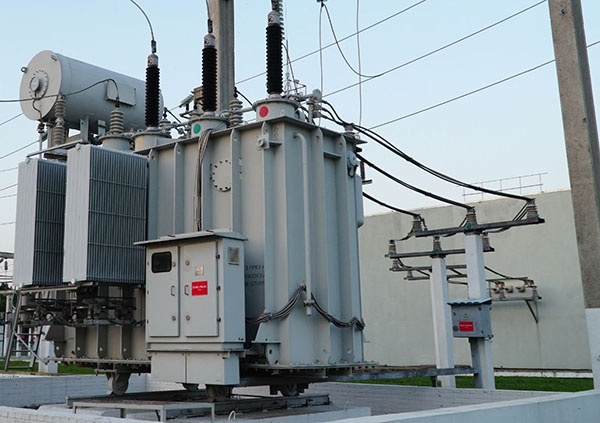
Transformer bushings serve as a critical interface between the high-voltage conductors and a transformer’s internal windings. They ensure electrical isolation while allowing power transmission. Over the years, I’ve encountered numerous cases where seemingly unexpected bushing failures were directly related to environmental conditions. Factors like extreme temperature changes, high humidity, and pollution can accelerate bushing wear, leading to breakdowns that disrupt operations and require costly repairs.
In this article, we’ll delve into how environmental conditions can affect bushing health, the warning signs of wear and tear, and best practices for mitigating these risks. Drawing from practical experience and real-world examples, we’ll show how proactive management of environmental factors can extend bushing lifespan and ensure a more reliable power distribution system.
1. Why Bushing Wear Matters for Transformer Health
A transformer’s reliability rests on multiple components, and the bushing is no exception. Damaged or worn bushings can compromise the insulation system, lead to partial discharge activity, or even cause catastrophic failures like oil leaks or arcing. When bushings are exposed to harsh environmental conditions without proper protection, they degrade more quickly, raising the risk of transformer downtime, expensive repairs, and potential safety hazards.
Key Concerns:
- Transformer Longevity: Ensuring the bushings remain in good condition can significantly lengthen the operational life of the transformer.
- System Reliability: Properly maintained bushings contribute to stable power delivery, preventing unexpected blackouts or brownouts.
- Safety Implications: A failing bushing can create safety risks for field technicians and the surrounding environment.
2. How Environmental Factors Affect Bushing Performance
2.1 Temperature Extremes
High Temperatures
Bushings exposed to continuous high temperatures often experience accelerated insulation breakdown. Overheated bushings may exhibit cracked surfaces, oil leaks, or discoloration.
Why it Matters:
Heat speeds up chemical reactions, causing oils and insulation materials to degrade more rapidly. This degradation lowers the dielectric strength of the bushing.
Low Temperatures
In extremely cold climates, the insulating material can become brittle. Rapid temperature fluctuations cause expansion and contraction of the materials, potentially leading to micro-cracks or seal failures.
2.2 High Humidity and Moisture
Moisture is a major adversary to bushing insulation, particularly in tropical or coastal regions with high humidity. Moisture ingress can result in:
- Degraded Insulation: Lower dielectric strength, increasing the possibility of flashovers.
- Internal Corrosion: Metal parts within the bushing are more prone to rust and corrosion.
Case in Point:
I recall a transformer situated near a coastal region where humidity levels and sea salt contamination combined, causing the bushings to fail far earlier than expected. Proper sealing and environmental controls were eventually implemented to mitigate moisture ingress.
2.3 Pollution and Contaminants
Bushings installed in industrial areas, especially those with high levels of airborne contaminants like dust, chemicals, or salt, can accumulate deposits that degrade insulation. Pollution also encourages the formation of conductive paths on the bushing surface, raising the risk of external flashovers.
Impact on Bushing Performance:
- Deposits of dust and chemicals can create conductive pathways for electricity, raising the chance of short circuits.
- Corrosive substances can deteriorate seals, gaskets, and metal parts.
2.4 Vibration and Seismic Activity
Certain power stations or substations experience high levels of vibration due to nearby machinery, heavy transport, or even seismic activity. This mechanical stress can cause:
- Micro-cracks in the bushing insulation.
- Loosening of mechanical connections, leading to misalignment or partial discharge activity.
Mitigation Strategy:
Use anti-vibration mounts and conduct routine mechanical stability checks to ensure bushings remain securely in place.
3. Key Signs of Environmental Damage
Spotting early signs of environmentally-induced wear on bushings can save significant repair costs and prevent system downtime. Look out for:
- Discoloration or Surface Deposits: Yellowing, browning, or any unusual color changes on the bushing surface.
- Oil Leaks or Moisture Stains: Particularly near the base of the bushing, indicating compromised seals.
- Corrosion: Rust or other oxidation signs on metallic parts or flanges.
- Cracks or Micro-Fractures: Often observed after temperature swings or mechanical stress.
4. Tools and Techniques for Assessing Environmental Impact
Evaluating how environmental conditions affect bushings involves a variety of diagnostic tools:
- Thermal Imaging: Quickly identifies hotspots from overheating.
- Partial Discharge Detectors: Detects insulation breakdowns that may result from contaminants or moisture.
- Environmental Sensors: Monitors humidity, temperature, and pollutant levels around the transformer.
- Borescopes for Internal Inspections: Allows you to see internal surfaces of the bushing for cracks or contamination.
5. Real-World Anecdotes: Environmental Failures Averted
Case Study 1: Coastal Substation Corrosion
A coastal substation, exposed to salt-laden sea breeze, began seeing widespread bushing corrosion. Technicians noticed discolored and corroded bolts during routine checks. By acting early, they replaced the corroded hardware, re-sealed bushings, and applied anti-corrosive coatings, preventing a more extensive failure.
Case Study 2: Dry Climate Shocks
In a desert environment, rapid daytime heating and nighttime cooling led to significant stress on bushings. Small hairline cracks formed, which technicians discovered using infrared scans. Proactive replacement and improved sealing extended the life of the equipment.
6. Best Practices for Minimizing Environmental Damage
- Regular Cleaning and Coating: Wipe down bushings to remove dust and pollutants, applying a protective coating if necessary.
- Insulation Resistance Testing: Perform routine IR tests to monitor the dielectric health of the bushing’s insulation materials.
- Use of Protective Barriers: In high-pollution or coastal areas, consider installing shields or enclosures around the bushings.
- Seal Quality Checks: Inspect and maintain the bushings’ seals and gaskets to keep moisture at bay.
- Install Desiccant Breathers: For bushings susceptible to moisture ingress, desiccant breathers can help control humidity levels.
7. Training and Team Preparedness
Having a well-prepared and knowledgeable team is vital:
- Frequent Training Sessions: Cover environmental effects on bushings, how to identify potential issues, and best practices for routine checks.
- Hands-On Workshops: Practice with tools like IR cameras, partial discharge equipment, and moisture meters.
- Emergency Response Drills: If your facility is in an earthquake-prone region, run scenario-based drills to ensure the team knows how to respond if bushings are destabilized.
8. Future Trends in Bushing Maintenance
As we advance, certain trends will shape the way we handle bushing maintenance in challenging environmental conditions:
- IoT and Real-Time Monitoring: Sensors and connected devices will offer live data on temperature, humidity, and partial discharge, enabling more predictive maintenance.
- Advanced Coatings: New insulating and anti-corrosive coatings are being developed to better resist salt spray, pollutants, and extreme weather.
- AI-Driven Analysis: Machine learning algorithms could analyze historical data and real-time metrics to predict bushing wear, guiding preemptive interventions.
Conclusion
Environmental factors—from humidity and pollution to temperature extremes and seismic activity—can dramatically accelerate bushing wear and tear. Ignoring these factors puts transformers at risk for higher operational costs, unplanned downtime, and even catastrophic failure. However, with regular inspections, proper maintenance techniques, and a well-trained team, you can mitigate these risks and extend the operational life of your equipment.
By leveraging modern diagnostic tools, staying vigilant about environmental stressors, and implementing protective measures, your transformer bushings can remain resilient against the elements. In a field where reliability is paramount, anticipating the impact of environmental conditions is not just proactive—it’s essential to safeguarding both your equipment and your bottom line.

 Lower Sorbian
  English
  German
  Spanish
  French
  Portuguese
  Vietnamese
  Afrikaans
  Amharic
  Arabic
  Aragonese
  Moroccan Arabic
  Assamese
  Azerbaijani
  South Azerbaijani
  Belarusian
  Bulgarian
  Bengali
  Tibetan
  Bosnian
  Catalan
  Czech
Czech  Danish
  Welsh
Welsh  Dzongkha
  Greek
Greek  Esperanto
  Estonian
  Basque
  Finnish
  Indonesian
  Italian
  Malayalam
  Latvian
  Panjabi
  Romanian
  Slovenian
  Russian