
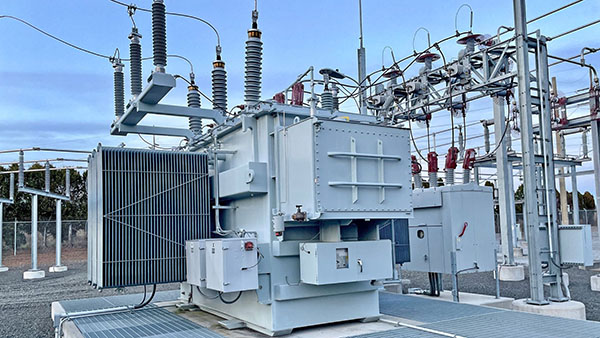
When it comes to transformer maintenance, the spotlight often shines on major components like windings and tap changers. However, bushings—the conduits that connect the transformer’s core to external circuits—can just as easily become weak links if not inspected and maintained. Traditionally, power industry professionals have relied on periodic, hands-on inspections to keep an eye on bushing health. But with advancements in technology, real-time bushing monitoring is rapidly gaining popularity as a more proactive approach.
In this article, we’ll explore the differences between bushing monitoring and traditional inspections, weighing their pros and cons, and offering advice on which method might be best for your transformers. Drawing on practical experience from years of electrical testing, I’ll also share personal anecdotes and best practices you can apply in your own operations.
1. Introduction: The Critical Role of Bushings
A transformer’s bushings are more than just pass-through components for electrical conductors. They are critical interfaces that ensure high-voltage lines connect properly to the transformer windings while maintaining strong insulation. If a bushing fails, it doesn’t just risk damage to the conductor or the transformer tank; it can lead to widespread outages, costly downtime, and even severe safety incidents.
Because of these high stakes, routine checks on bushing health are standard. Yet, with recent technological advancements, many companies are transitioning from traditional, schedule-based inspections to real-time bushing monitoring. Both have their merits, but choosing the right approach for your transformers can significantly impact performance and budgeting.
2. Traditional Bushing Inspections: What They Entail
Historically, bushing maintenance has revolved around physical inspections at scheduled intervals—often quarterly, semi-annually, or annually. Technicians use a variety of diagnostic tools (like insulation resistance testers) and rely on visual checks for:
- Cracks or chips in the porcelain or polymer housing.
- Oil leaks around the seals, particularly for oil-filled bushings.
- Discoloration or burn marks, which can indicate overheating or partial discharge.
- Loose mounting bolts or hardware that might allow the bushing to shift under load.
Advantages of Traditional Inspections
- Hands-on Approach: Physically inspecting the bushing allows you to catch mechanical issues or oil leaks you might miss on a screen.
- Cost Predictability: Scheduled checks are straightforward to budget and plan for, especially if you’re already performing other routine maintenance tasks.
- Skill Development: Field technicians gain valuable hands-on experience and expertise in diagnosing issues by physically interacting with equipment.
Limitations
- Gaps Between Inspections: Problems can develop in the weeks or months between inspections, leading to unexpected failures.
- Safety Concerns: Working close to high-voltage equipment can pose hazards if strict lockout/tagout protocols aren’t followed.
- Subjectivity: Visual inspections can sometimes overlook subtle but critical changes, and the human factor may introduce inconsistencies in detection.
3. Bushing Monitoring: A Modern, Proactive Approach
3.1 Real-Time Sensor Technology
The modern alternative to scheduled inspections is real-time bushing monitoring, using sensor arrays that continuously track parameters like temperature, partial discharge (PD) activity, and vibration. These sensors transmit data either wirelessly or via wired connections to a control station, enabling immediate alerts if values move beyond normal ranges.
Key Sensor Types:
- Temperature Sensors: Detect overheating or unusual temperature spikes, often an early sign of insulation breakdown.
- Partial Discharge Sensors: Pick up electrical discharges within the bushing, allowing early detection of insulation problems.
- Moisture Sensors: Useful for bushings exposed to high humidity or prone to seal failures, which can degrade insulation.
3.2 Data Analytics and Alerts
Collected data is typically fed into a software platform that interprets real-time readings, providing:
- Real-Time Alerts: If critical thresholds are crossed, operators receive immediate notifications, enabling quick interventions.
- Trend Analysis: Over time, data visualization can illustrate how bushing performance changes, helping to plan for eventual replacements.
- Predictive Maintenance: Advanced systems might use machine learning to predict failures based on historical data.
Personal Anecdote: I recall one case where partial discharge levels spiked unexpectedly. The real-time monitoring system sent an immediate alert, prompting the team to inspect and replace a failing seal before any major oil leakage occurred. Without this automated alert, we likely would not have caught it until the next scheduled inspection—by which point the damage might have been more severe.
4. Key Differences Between Monitoring and Inspections
| Aspect | Traditional Inspections | Bushing Monitoring |
|---|---|---|
| Frequency | Periodic (monthly, quarterly, annual) | Continuous or near-continuous real-time |
| Data Depth | Manual checks, often limited data | Detailed metrics: temperature, PD, etc. |
| Response Time | Delayed until next inspection | Immediate alerts upon anomaly detection |
| Cost | Lower upfront, potential higher risk | Higher initial cost, lower risk of failure |
| Reliability | Depends on inspector skill & schedule | Data-driven approach reduces human error |
5. Tools Required for Each Method
Traditional Inspections
- Insulation Resistance Testers: Checks bushing’s dielectric integrity.
- Multimeters: For basic voltage, current, or continuity checks.
- Torque Wrench: Ensures mechanical connections are tightened to spec.
- Thermal Camera: Spot-checks for temperature anomalies during periodic visits.
Bushing Monitoring
- Real-Time Sensors: For parameters like temperature, PD, and oil contamination.
- Data Acquisition Systems: Software to collect and interpret sensor output.
- Communication Infrastructure: Wired or wireless, to send data to a control center.
- Analytical Tools: AI-driven or data analysis platforms for predictive maintenance.
6. Best Practices for Integrating Both Methods
Despite their differences, a hybrid approach often yields the best results. Here are some best practices:
- Combine Continuous Monitoring with Routine Visits: Monitor in real-time for sudden changes, but validate data with in-person checks at regular intervals.
- Prioritize High-Risk Transformers: Deploy advanced monitoring on critical or aging transformers, while using standard inspections for lower-risk units.
- Train Teams on Both: Staff familiar with reading sensor data can better interpret anomalies, while field technicians skilled in physical inspections provide vital ground truth.
7. Real-World Anecdotes: Success Stories
Case Study 1: A coastal power plant in a high-humidity area integrated partial discharge sensors into their bushings. Soon after, the system flagged unusual PD activity. When the maintenance crew checked, they found a deteriorating seal, which they replaced before it caused a short-circuit or oil leak. The minimal downtime saved them an estimated $150,000 in repair and replacement costs.
Case Study 2: Another utility solely relied on monthly physical inspections. Although cheaper upfront, a bushing failure in a key distribution transformer led to a two-day outage, costing them more than if they had invested in partial discharge monitors or continuous temperature sensors. This event prompted them to adopt a more advanced monitoring approach.
8. Training and Team Preparedness
To fully leverage either approach, or a blend of both, you need a well-prepared team:
- Technical Familiarity: Operators should understand partial discharge, thermal imaging, and sensor data interpretation.
- Safety Protocols: Both real-time monitoring and physical inspections require strict adherence to high-voltage safety.
- System Understanding: Understanding bushing anatomy and common failure modes fosters more accurate troubleshooting.
A well-trained team ensures that the chosen inspection or monitoring method is effectively implemented, leading to more reliable results and better outcomes.
9. Future Trends in Bushing Inspection
- AI-Powered Predictive Analytics: As data sets grow, machine learning will offer more precise failure predictions and recommended maintenance windows.
- Drones and Robotics: Remote or robotic inspection tools can reduce the need for manual checks in hazardous environments.
- Self-Monitoring Bushings: Next-generation bushings may come equipped with built-in sensors and wireless communication modules for 24/7 condition reporting.
The shift toward more data-driven, automated systems suggests that bushing monitoring will continue to gain ground over purely traditional inspections. However, the human element remains indispensable for confirming issues and performing hands-on repairs.
Conclusion
When it comes to ensuring transformer reliability, both bushing monitoring and traditional inspections have important roles. Monitoring provides real-time data and immediate alerts, preventing hidden problems from evolving into costly failures. Traditional inspections offer tangible, hands-on evaluations that can catch mechanical or visible issues a sensor might overlook.
The decision between monitoring and traditional inspections isn’t about choosing one method over the other, but rather about finding the right balance. In many high-stakes environments, adopting a hybrid approach—continuous monitoring paired with periodic physical checks—delivers maximum peace of mind, reliability, and cost-effectiveness. Ultimately, whichever approach you lean towards, staying proactive and adapting to new technologies will keep your transformer bushings ready for today’s demands and tomorrow’s challenges.

 Dzongkha
  English
  German
  Spanish
  French
  Portuguese
  Vietnamese
  Afrikaans
  Amharic
  Arabic
  Aragonese
  Moroccan Arabic
  Assamese
  Azerbaijani
  South Azerbaijani
  Belarusian
  Bulgarian
  Bengali
  Tibetan
  Bosnian
  Catalan
  Czech
Czech  Danish
  Welsh
Welsh  Lower Sorbian
  Greek
Greek  Esperanto
  Estonian
  Basque
  Finnish
  Indonesian
  Italian
  Malayalam
  Latvian
  Panjabi
  Romanian
  Slovenian
  Russian