
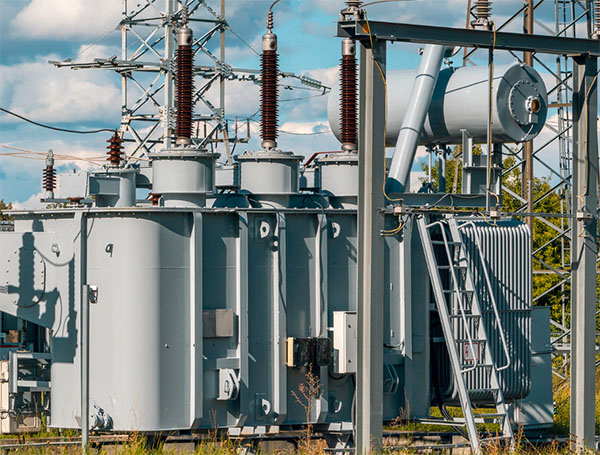
Transformers are essential components of any electrical system, responsible for stepping up or stepping down voltages to ensure the proper flow of electricity throughout the grid. Ensuring their efficiency is paramount, not just for energy savings but also for the reliability and longevity of the equipment. One of the most effective ways to optimize transformer performance is through Transformer Turns Ratio (TTR) testing.
In this article, we’ll explore how TTR testing can improve transformer efficiency, and why it should be an essential part of your regular maintenance routine.
What Is Transformer Turns Ratio (TTR) Testing?
Before diving into the ways TTR testing enhances transformer efficiency, let’s first understand what the test involves.
Transformer Turns Ratio (TTR) testing is a method used to measure the ratio of the number of turns in the primary winding to the number of turns in the secondary winding of a transformer. This ratio is critical because it dictates the voltage transformation process and ensures that the transformer operates according to its design specifications.
A proper turns ratio is essential for:
- Maintaining voltage regulation
- Avoiding electrical imbalance
- Preventing overheating and energy loss
TTR testing checks whether the transformer’s turns ratio is within the manufacturer’s specifications. If the ratio is off, it can indicate underlying problems that could negatively impact transformer efficiency.
Why Transformer Efficiency Matters
Efficient transformers are essential for a reliable and cost-effective power distribution system. Here’s why transformer efficiency should always be a priority:
- Energy Loss Prevention: Transformers inherently lose some energy in the form of heat due to resistance in the windings. An inefficient transformer will waste more energy, leading to higher operational costs and energy loss.
- Reduced Operating Costs: Transformers that are not operating efficiently require more power to achieve the same output. This increases electricity costs and puts additional strain on the electrical system.
- Enhanced Reliability: Efficient transformers are less likely to overheat or experience failures. This ensures continuous operation, reduces downtime, and extends the lifespan of the transformer.
For these reasons, TTR testing is essential in identifying and preventing efficiency issues early on, ensuring that transformers run smoothly and cost-effectively.
How TTR Testing Improves Transformer Efficiency
1. Detecting Winding Issues
One of the primary reasons for a transformer to operate inefficiently is damaged or faulty windings. Winding deformations or short circuits can distort the turns ratio, causing the transformer to underperform. TTR testing detects these issues by measuring the ratio between the primary and secondary windings.
If the ratio is incorrect, it can indicate that there are winding faults, which can lead to:
- Energy inefficiency: An improper turns ratio means that the transformer will either overheat or fail to transmit power efficiently.
- Increased wear and tear: Winding issues increase mechanical stress on the transformer, leading to faster degradation and higher maintenance costs.
By regularly conducting TTR tests, you can spot winding issues early, allowing you to make necessary repairs or replacements before efficiency is compromised.
2. Ensuring Proper Tap Changer Operation
Transformers with tap changers are designed to adjust the output voltage based on load conditions. Tap changers enable the transformer to operate at peak efficiency, adapting to different voltage levels depending on the load requirements.
However, malfunctioning tap changers can lead to an inaccurate turns ratio, causing the transformer to operate inefficiently. Regular TTR testing ensures that tap changers are functioning as they should, maintaining the correct turns ratio and optimizing voltage regulation.
3. Preventing Insulation Degradation
Transformer insulation ensures that electrical current flows through the windings safely and efficiently. Over time, insulation can degrade due to age, environmental factors, or excessive electrical stress. If insulation fails or degrades, it can result in electrical leakage or short circuits, which can alter the turns ratio and lead to energy loss.
TTR testing helps detect early signs of insulation degradation by measuring the turns ratio. If the ratio is outside of acceptable limits, it can be an indication that the transformer’s insulation is failing, and the transformer may need servicing or replacement.
4. Improving Load Distribution
Transformers are often designed to handle specific load conditions. An incorrect turns ratio can lead to poor load distribution, resulting in inefficient power transfer. When the turns ratio is accurate, the transformer can handle its rated load more effectively, reducing losses and improving overall efficiency.
By identifying issues with load distribution through TTR testing, electrical engineers can optimize transformer performance, ensuring that power is efficiently transferred without unnecessary losses.
5. Early Detection of Faults
TTR testing can detect early signs of faults in a transformer that may otherwise go unnoticed. Internal short circuits, open circuits, or broken connections can cause voltage imbalances, leading to energy inefficiency and potential transformer failure.
Regular TTR testing provides early warning signs of these faults, allowing engineers to take corrective actions before a small issue turns into a major failure. This proactive approach helps maintain transformer efficiency and extends its lifespan.
When to Perform TTR Testing
TTR testing should be a routine part of your transformer maintenance schedule. Here are some key times when you should conduct TTR tests:
- After Installation: When a new transformer is installed, conducting a TTR test ensures that it meets the manufacturer’s specifications and is ready to operate efficiently.
- Before and After Repairs: After performing repairs or maintenance, always conduct a TTR test to confirm that the transformer is functioning correctly and operating at peak efficiency.
- Regular Maintenance: Even without visible issues, it’s important to perform periodic TTR tests (e.g., annually or bi-annually) to ensure the transformer is in good condition and operating efficiently.
- Following a Transformer Overload or Abnormal Operation: If a transformer has been overloaded or has experienced abnormal operation, perform TTR testing to ensure it’s still functioning correctly.
Conclusion: Boosting Transformer Efficiency with TTR Testing
TTR testing is an essential tool for improving transformer efficiency. By detecting early signs of winding faults, insulation degradation, tap changer malfunctions, and other issues, TTR testing helps ensure that transformers operate efficiently, safely, and reliably.
By incorporating regular TTR testing into your maintenance routine, you can:
- Enhance energy efficiency and reduce operating costs.
- Prevent transformer failures and avoid costly repairs.
- Extend the lifespan of transformers, ensuring long-term reliability.
As electrical engineers and power system operators, it’s crucial to leverage the benefits of TTR testing to keep transformers running at their best. A well-maintained transformer is a more efficient transformer.
Call to Action: Ready to optimize your transformer efficiency? Browse our range of high-quality TTR testers and ensure accurate and reliable testing every time.

 Greek
Greek  English
  German
  Spanish
  French
  Portuguese
  Vietnamese
  Afrikaans
  Amharic
  Arabic
  Aragonese
  Moroccan Arabic
  Assamese
  Azerbaijani
  South Azerbaijani
  Belarusian
  Bulgarian
  Bengali
  Tibetan
  Bosnian
  Catalan
  Czech
Czech  Danish
  Welsh
Welsh  Lower Sorbian
  Dzongkha
  Esperanto
  Estonian
  Basque
  Finnish
  Indonesian
  Italian
  Malayalam
  Latvian
  Panjabi
  Romanian
  Slovenian
  Russian