
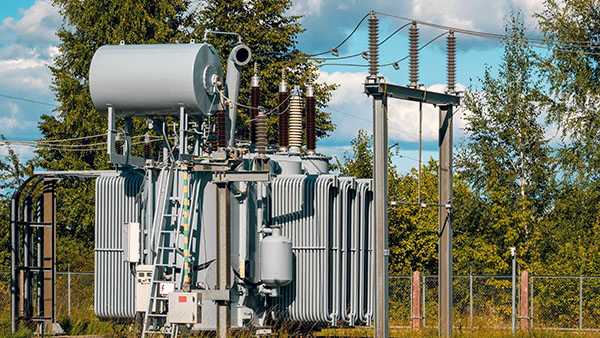
Transformers are the unsung heroes of electrical systems, silently stepping up or stepping down voltage to power everything from homes to industrial complexes. But how do manufacturers ensure these critical components perform reliably? One key answer lies in turns ratio testing—a vital quality control process that verifies a transformer’s integrity. In this article, we’ll explore what turns ratio testing entails, why it’s essential for quality control, and how it impacts transformer performance in the real world.
1. Introduction to Turns Ratio Testing
At the heart of every transformer are its primary and secondary windings—coils of wire that dictate how voltage is transformed. The turns ratio is simply the ratio of the number of turns in the primary winding to the number in the secondary winding. For example, a 10:1 turns ratio means the transformer reduces the input voltage to one-tenth of its original value.
Turns ratio testing is a diagnostic method that measures this ratio in a finished transformer and compares it to the design specification. Why does this matter? Because even a small deviation in the turns ratio can signal manufacturing defects—like incorrect winding counts or shorted turns—that could render the transformer inefficient or unsafe.
2. Importance in Quality Control
Turns ratio testing isn’t just a technical formality; it’s a cornerstone of transformer quality assurance. Here’s why it’s so critical:
- Design Verification: It confirms that the transformer matches its intended specifications, ensuring the windings were assembled correctly.
- Defect Detection: The test can uncover issues like shorted turns, open circuits, or faulty tap connections that might otherwise go unnoticed.
- Standards Compliance: Manufacturers must meet strict industry standards (e.g., IEEE or IEC), and turns ratio testing ensures transformers pass muster.
- Failure Prevention: By catching problems early, the test helps avoid costly breakdowns or safety risks after installation.
In short, turns ratio testing is a proactive step to guarantee transformers leave the factory in top shape.
3. How the Test is Performed
So, how do technicians actually perform turns ratio testing? It’s a straightforward process, typically using a transformer turns ratio tester. Here’s a step-by-step breakdown:
- Preparation: The transformer is disconnected from any power source and safely isolated.
- Connection: The tester is hooked up to the primary and secondary windings.
- Voltage Application: A small, controlled voltage is applied to the primary winding.
- Measurement: The resulting voltage in the secondary winding is recorded.
- Calculation: The turns ratio is computed by dividing the primary voltage by the secondary voltage.
- Evaluation: The result is checked against the design ratio, with acceptable tolerances usually around ±0.5%.
Modern testers often automate these steps, delivering fast, precise results that technicians can trust.
4. Interpreting Test Results
The numbers from a turns ratio test tell a story about the transformer’s health. Here’s what they might reveal:
- Within Tolerance: A ratio close to the design spec (e.g., within ±0.5%) means the transformer is good to go.
- Too Low: This could indicate shorted turns in the secondary winding, skewing the ratio downward.
- Too High: Shorted turns in the primary winding might be the culprit, increasing the effective ratio.
- Extreme Values: An infinite ratio suggests an open circuit in the secondary, while a zero ratio points to an open primary.
These insights allow manufacturers to diagnose and fix issues before the transformer reaches the field.
5. Consequences of Inadequate Testing
Skipping turns ratio testing—or ignoring abnormal results—can spell trouble down the line. Here are some potential fallout scenarios:
- Inefficiency: An off-spec turns ratio disrupts voltage transformation, wasting energy and reducing performance.
- Equipment Failure: Undetected faults can lead to transformer breakdowns, damaging connected systems and halting operations.
- Safety Risks: Faulty transformers might overheat or short-circuit, posing fire hazards or endangering workers.
- Regulatory Issues: Non-compliant transformers could lead to fines, recalls, or reputational damage for manufacturers.
In essence, cutting corners on this test is a gamble that’s not worth taking.
6. Real-World Applications
Turns ratio testing shines in practical settings. Here are a few examples:
- Production Lines: Manufacturers use it as a final check to ensure every transformer meets quality standards before shipping.
- Maintenance Checks: Utilities perform the test during routine inspections to spot wear or damage in aging transformers.
- New Installations: Before a transformer goes live in a power grid, turns ratio testing confirms it’s ready for service.
Imagine a utility company sourcing transformers from multiple vendors. By running turns ratio tests, they can ensure consistency and reliability across their supply chain, avoiding weak links in their network.
7. Conclusion
Turns ratio testing may sound like a niche technical procedure, but its impact is far-reaching. It’s a reliable, efficient way to validate transformer quality, catch defects, and uphold safety and performance standards. Whether you’re an engineer, a technician, or just curious about electrical systems, understanding this process highlights the precision and care that go into powering our world. Next time you flip a switch, you can thank turns ratio testing for helping keep the lights on.

 Greek
Greek  English
  German
  Spanish
  French
  Portuguese
  Vietnamese
  Afrikaans
  Amharic
  Arabic
  Aragonese
  Moroccan Arabic
  Assamese
  Azerbaijani
  South Azerbaijani
  Belarusian
  Bulgarian
  Bengali
  Tibetan
  Bosnian
  Catalan
  Czech
Czech  Danish
  Welsh
Welsh  Lower Sorbian
  Dzongkha
  Esperanto
  Estonian
  Basque
  Finnish
  Indonesian
  Italian
  Malayalam
  Latvian
  Panjabi
  Romanian
  Slovenian
  Russian