
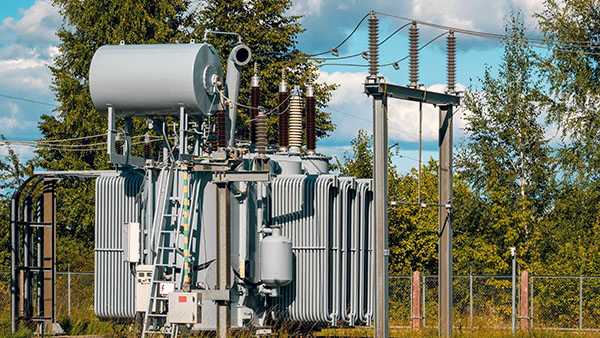
Transformers are critical assets in the electric power industry, ensuring the efficient transmission and distribution of electricity from generation plants to consumers. Maintaining their reliability and longevity is paramount to preventing costly outages and ensuring the safety of personnel and infrastructure. A well-structured transformer inspection checklist is an essential tool for achieving these goals. As a professional electrical testing expert with over 25 years of experience, I’ve developed and refined numerous inspection checklists that have proven invaluable in maintaining transformer health. This guide will walk you through creating the perfect transformer inspection checklist, covering its importance, how-to steps, best practices, troubleshooting tips, necessary tools, benefits, real-world case studies, training considerations, and future trends.
Importance of a Comprehensive Transformer Inspection Checklist
A thorough inspection checklist ensures that all critical components of a transformer are evaluated consistently and systematically. It serves as a roadmap for technicians, helping them identify potential issues early and perform maintenance proactively. The key benefits include:
- Preventing Unexpected Failures: Early detection of issues like insulation degradation or oil contamination can prevent major transformer failures and power outages.
- Enhancing Safety: Regular inspections minimize the risk of hazardous incidents such as electrical fires or explosions.
- Extending Transformer Lifespan: Proactive maintenance based on inspection findings can significantly prolong the operational life of transformers.
- Ensuring Compliance: Adhering to industry standards and regulatory requirements through regular inspections helps avoid legal penalties and enhances organizational reputation.
How to Create the Perfect Transformer Inspection Checklist
Creating an effective transformer inspection checklist involves several key steps. Here’s a detailed guide to help you develop a comprehensive and practical checklist.
Step 1: Define the Scope of Inspection
Determine the extent of the inspection based on transformer type, age, load capacity, and operating environment. Consider the following components:
- Core and Windings
- Bushings
- Cooling Systems
- Electrical Connections
- Tap Changers
- Transformer Oil and Insulation
- Grounding Systems
- Physical Structure and Enclosure
Step 2: Gather Essential Information
Collect all relevant data about the transformer, including:
- Manufacturer and Model: Understanding specific design features.
- Installation Date: Age of the transformer to determine maintenance frequency.
- Load Capacity: Operating load to assess wear and stress levels.
- Maintenance History: Previous inspections and any recorded issues.
- Operating Environment: Factors like temperature, humidity, and exposure to contaminants.
Step 3: Develop Detailed Inspection Items
For each component, outline specific items to inspect. Here’s a breakdown of key components and what to look for:
Core and Windings
- Visual Inspection: Look for signs of physical damage, rust, or deformation.
- Electrical Testing: Perform insulation resistance tests and check for winding continuity.
- Temperature Monitoring: Ensure core temperatures are within operational limits.
Bushings
- Leak Detection: Check for oil leaks or moisture ingress.
- Electrical Integrity: Test dielectric strength and inspect for cracks or deterioration.
- Physical Condition: Inspect for signs of wear and tear.
Cooling Systems
- Fan Operation: Ensure cooling fans are operational and free from obstructions.
- Oil Levels: Verify that transformer oil levels are adequate and check for contamination.
- Radiators and Heat Exchangers: Ensure they are clean and functioning properly.
Electrical Connections
- Tightness and Corrosion: Inspect all connections for tightness and signs of corrosion.
- Resistance Measurements: Use a multimeter to measure resistance at connections; high resistance indicates poor contact.
- Visual Damage: Look for any physical damage to wiring or terminals.
Tap Changers
- Operational Testing: Manually or electrically actuate the tap changer to ensure smooth operation.
- Visual Inspection: Check for wear, corrosion, or physical damage.
- Contact Resistance: Measure resistance of tap changer contacts to ensure low resistance pathways.
Transformer Oil and Insulation
- Oil Quality: Perform oil analysis for acidity, moisture content, and contaminants.
- Dissolved Gas Analysis (DGA): Detect internal faults by analyzing dissolved gases.
- Insulation Integrity: Conduct insulation resistance tests and partial discharge testing.
Grounding Systems
- Connection Integrity: Inspect grounding connections for tightness and corrosion.
- Resistance Testing: Measure grounding resistance to ensure it meets safety standards.
- Physical Condition: Check for any physical damage to grounding components.
Physical Structure and Enclosure
- Structural Integrity: Inspect the transformer casing for cracks, rust, or physical damage.
- Ventilation: Ensure vents and cooling ducts are clear and unobstructed.
- Mounting and Supports: Check that the transformer is securely mounted and that supports are intact.
Step 4: Incorporate Best Practices
To maximize the effectiveness of your inspection checklist, adhere to the following best practices:
Regular Calibration and Maintenance of Tools
Ensure that all inspection tools, such as insulation resistance testers, infrared cameras, and DGA devices, are regularly calibrated and maintained to provide accurate readings.
Comprehensive Training for Technicians
Equip your maintenance team with thorough training on how to use inspection tools, interpret results, and follow safety protocols. Continuous education helps technicians stay updated with the latest techniques and technologies.
Standardize Inspection Procedures
Develop and enforce standardized inspection procedures to ensure consistency across all inspections. This includes following a systematic approach and using a detailed checklist for each inspection.
Document and Review Inspection Results
Accurate documentation of inspection findings is crucial for tracking transformer health and making informed maintenance decisions. Maintain detailed inspection reports and maintenance logs, and regularly review them to identify trends and recurring issues.
Step 5: Implement the Checklist
Once your checklist is developed, implement it effectively by following these steps:
Assign Responsibilities
Clearly define the roles and responsibilities of each team member involved in the inspection process. Ensure that technicians understand their specific tasks and the importance of adhering to the checklist.
Schedule Regular Inspections
Create a structured inspection schedule based on transformer type, age, load capacity, and operating conditions. Incorporate routine, comprehensive, and condition-based inspections to cover all aspects of transformer health.
Use Technology to Streamline Inspections
Leverage technologies such as Computerized Maintenance Management Systems (CMMS) and mobile inspection apps to organize schedules, track inspection history, and facilitate real-time data entry and analysis.
Step 6: Continuously Improve the Checklist
Regularly update and refine your inspection checklist based on feedback from technicians, advancements in technology, and changes in industry standards. This ensures that your checklist remains relevant and effective in identifying and addressing transformer issues.
Troubleshooting Common Transformer Issues Identified During Inspections
When issues are identified during inspections, prompt and effective troubleshooting is essential to mitigate risks and maintain transformer performance. Here are some common issues and how to address them:
Insulation Degradation
- Cause: Moisture ingress, thermal stress, or aging materials.
- Solution: Replace or repair degraded insulation materials, improve environmental controls to reduce moisture, and avoid overloading transformers to minimize thermal stress.
Overheating
- Cause: Blocked cooling systems, overloading, or poor ventilation.
- Solution: Clean cooling systems, redistribute loads to prevent overloading, and ensure proper ventilation to maintain optimal operating temperatures.
Oil Contamination
- Cause: Moisture ingress, debris, or chemical contaminants.
- Solution: Implement regular oil filtration and purification processes, replace contaminated oil, and ensure seals and ventilation systems are intact to prevent contamination.
Electrical Connection Issues
- Cause: Loose connections, corrosion, or physical damage.
- Solution: Tighten and clean connections, apply anti-corrosion coatings, and replace damaged components to restore reliable electrical pathways.
Tap Changer Malfunctions
- Cause: Wear and tear, contamination, or oil leaks.
- Solution: Clean and lubricate tap changer components, repair or replace faulty seals, and ensure smooth operation through regular testing and maintenance.
Benefits of a Perfect Transformer Inspection Checklist
Implementing a comprehensive and effective transformer inspection checklist offers numerous benefits:
- Enhanced Reliability: Ensures transformers operate efficiently and reliably, minimizing the risk of outages.
- Cost Savings: Prevents costly repairs and replacements by addressing issues early.
- Improved Safety: Reduces the likelihood of hazardous incidents by maintaining transformer integrity.
- Extended Lifespan: Prolongs the operational life of transformers through proactive maintenance.
- Regulatory Compliance: Ensures adherence to industry standards and regulatory requirements, avoiding penalties and enhancing reputation.
Case Studies: Success Through Effective Checklists
Case Study 1: Preventing Major Failures with a Comprehensive Checklist
Background: A large utility company faced frequent transformer failures, leading to widespread power outages and increased maintenance costs.
Solution: They implemented a detailed transformer inspection checklist covering all critical components, including insulation, cooling systems, and electrical connections. Technicians were trained to use the checklist systematically during each inspection.
Outcome: Within a year, transformer failures decreased by 40%, and power outages were significantly reduced. The company saved millions in emergency repairs and improved customer satisfaction through enhanced reliability.
Case Study 2: Enhancing Safety and Efficiency
Background: An industrial facility experienced minor electrical incidents due to undetected transformer issues, posing safety risks to personnel and equipment.
Solution: The facility overhauled its maintenance program by developing a comprehensive inspection checklist that included detailed safety checks and the use of advanced diagnostic tools like infrared thermography and DGA.
Outcome: Safety incidents related to transformers were eliminated, equipment reliability improved, and the facility achieved compliance with stricter safety regulations, avoiding potential fines and legal issues.
Case Study 3: Extending Transformer Lifespan
Background: A regional utility provider operated an aging fleet of transformers nearing the end of their expected lifespans. Budget constraints made it challenging to conduct regular inspections.
Solution: They adopted a condition-based maintenance approach, using a detailed inspection checklist combined with sensor data and predictive analytics to schedule inspections based on actual transformer conditions rather than fixed intervals.
Outcome: Transformer lifespans were extended by an average of five years, delaying the need for costly replacements. Maintenance costs were optimized, and overall grid reliability improved.
Training and Skill Development for Effective Checklist Utilization
Importance of Skilled Technicians
The effectiveness of a transformer inspection checklist hinges on the expertise of the maintenance team. Skilled technicians can accurately use inspection tools, interpret data, and perform precise maintenance tasks, ensuring transformers operate reliably and efficiently.
Training Programs:
- Technical Workshops: Hands-on training sessions focused on using inspection tools and interpreting results.
- Certification Courses: Programs offered by industry bodies like IEEE to certify technicians in advanced transformer maintenance techniques.
- On-the-Job Training: Mentorship programs where experienced technicians guide newer staff, enhancing their practical skills and knowledge.
Continuous Learning and Development
The electric power industry is constantly evolving, with advancements in diagnostic technologies and maintenance practices. Continuous learning ensures that maintenance personnel stay updated with the latest tools and techniques.
Development Initiatives:
- Regular Training Sessions: Schedule ongoing training to keep technicians informed about new tools and methodologies.
- Online Learning Platforms: Utilize e-learning resources for flexible, on-demand training opportunities.
- Knowledge Sharing: Encourage technicians to share insights and best practices, fostering a collaborative learning environment.
Personal Anecdote:
At a previous utility company, we established a quarterly training program that included both classroom instruction and hands-on practice with new diagnostic tools. This initiative significantly enhanced our team’s proficiency, allowing us to perform more accurate inspections and implement advanced maintenance strategies effectively.
Future Trends in Transformer Inspection Checklists
Integration of Artificial Intelligence and Machine Learning
AI and ML are transforming transformer inspection scheduling by enabling predictive analytics and automated diagnostics.
Future Applications:
- Predictive Maintenance: AI algorithms analyze vast amounts of data from sensors to predict potential failures.
- Automated Diagnostics: Machine learning models can automatically detect and classify faults, reducing the need for manual data interpretation.
- Enhanced Data Analysis: AI can identify patterns and correlations in inspection data that may be missed by human technicians, providing deeper insights into transformer health.
Remote Monitoring and IoT Integration
The Internet of Things (IoT) facilitates real-time monitoring of transformer performance through connected sensors and devices.
Benefits:
- Continuous Monitoring: Real-time data collection enables constant vigilance over transformer health.
- Remote Access: Maintenance teams can monitor transformer conditions from anywhere, facilitating quicker responses to issues.
- Enhanced Collaboration: Remote monitoring enables better coordination among maintenance teams, leading to faster problem resolution.
Future Applications:
The integration of IoT with advanced analytics will provide deeper insights into transformer performance, enabling more proactive and informed maintenance decisions.
Sustainable and Eco-Friendly Maintenance Practices
Environmental sustainability is becoming increasingly important in the electric power industry. Sustainable maintenance practices focus on minimizing environmental impact while maintaining transformer performance.
Green Initiatives:
- Eco-Friendly Coolants: Using biodegradable and non-toxic cooling fluids to reduce environmental hazards.
- Energy-Efficient Tools: Employing energy-efficient diagnostic tools and equipment to lower the carbon footprint of maintenance operations.
- Sustainable Disposal: Implementing practices for the safe and environmentally friendly disposal of transformer oil and other waste materials.
Long-Term Vision:
Adopting sustainable practices not only benefits the environment but also aligns with global trends towards greener energy solutions, enhancing the industry’s reputation and compliance with environmental regulations.
Advancements in Diagnostic Technologies
Continuous advancements in diagnostic technologies are making transformer inspections more accurate, efficient, and comprehensive.
Emerging Technologies:
- Ultrasonic Testing: Detecting high-frequency sounds indicative of internal faults and insulation breakdowns.
- Digital Twins: Creating virtual replicas of transformers for simulation and analysis, allowing for detailed inspections without physical interference.
- Advanced Infrared Imaging: Enhanced thermal imaging techniques for more precise detection of thermal anomalies and hot spots.
Future Prospects:
These advancements will provide maintenance teams with more powerful tools to diagnose and address transformer issues, further reducing the risk of failures and optimizing performance.
Blockchain for Maintenance Records
Blockchain technology can revolutionize how maintenance records are managed, ensuring data integrity and traceability.
Benefits:
- Immutable Records: Ensures that maintenance logs and inspection reports cannot be tampered with.
- Enhanced Transparency: Facilitates easy sharing and verification of maintenance data among stakeholders.
- Improved Compliance: Simplifies adherence to regulatory requirements by providing a secure and transparent record-keeping system.
Future Outlook:
As blockchain technology matures, it will offer robust solutions for managing transformer maintenance records, enhancing trust and accountability within the electric power industry.
Conclusion
Creating the perfect transformer inspection checklist is a strategic endeavor that plays a crucial role in maintaining the reliability, safety, and efficiency of the electric power grid. By systematically addressing key components such as insulation, cooling systems, oil quality, electrical connections, and tap changers, and incorporating best practices, advanced diagnostic tools, and continuous training, electric power industry workers can ensure their transformers operate optimally and withstand the rigors of daily operation.
Embracing future trends like AI-driven predictive maintenance, IoT integration, sustainable practices, and blockchain for maintenance records will further enhance the effectiveness and efficiency of transformer inspections. Remember, a well-crafted inspection checklist is not just a tool—it’s a roadmap to operational excellence, safeguarding vital transformer assets, and ensuring uninterrupted power supply for communities and businesses alike.
Investing in the right tools, training, and processes today will yield significant benefits in reliability, cost savings, safety, and transformer longevity, securing the backbone of your power distribution network for the future.
Additional Resources
Recommended Reading and References
- Books and Articles:
- Transformer Engineering: Design, Technology, and Diagnostics by S.V. Kulkarni and S.A. Khaparde
- Practical Transformer Engineering and Maintenance by Gordon Chidley
- Electrical Transformers and Power Equipment Maintenance by C. Russell Mason
- Industry Standards:
- IEEE Standards for Transformer Testing and Maintenance
- IEC Standards for Electrical Transformers and Accessories
Training and Certification Programs
- Courses:
- Advanced Transformer Maintenance – Offered by IEEE
- Smart Transformer Technologies – Available through online platforms like Coursera and Udemy
- Transformer Diagnostics and Troubleshooting – Provided by technical training institutes
- Workshops and Seminars:
- Annual Transformer Maintenance Symposium
- Smart Grid and Transformer Technology Workshops hosted by major utility companies
- Hands-On Transformer Diagnostic Training Sessions
Contact Information for Experts
- Professional Networks:
- Join the IEEE Power & Energy Society for networking with industry experts and accessing valuable resources.
- Participate in LinkedIn groups focused on transformer technology and electric power systems maintenance.
- Support Services:
- Siemens Energy Solutions: www.siemens-energy.com
- ABB Power Grids: www.abb.com/powergrids
- Schneider Electric: www.se.com
- Local Utility Providers: Reach out to your local utility companies for consultation and support services.
By meticulously crafting and utilizing a comprehensive transformer inspection checklist, electric power industry workers can enhance transformer performance, prevent costly failures, ensure safety, and extend the lifespan of these indispensable assets. Embrace proactive maintenance today to secure a reliable and efficient power distribution system for tomorrow.

 English
  German
  Spanish
  French
  Portuguese
  Vietnamese
  Afrikaans
  Amharic
  Arabic
  Aragonese
  Moroccan Arabic
  Assamese
  Azerbaijani
  South Azerbaijani
  Belarusian
  Bulgarian
  Bengali
  Tibetan
  Bosnian
  Catalan
  Czech
Czech  Danish
  Welsh
Welsh  Lower Sorbian
  Dzongkha
  Greek
Greek  Esperanto
  Estonian
  Basque
  Finnish
  Indonesian
  Italian
  Malayalam
  Latvian
  Panjabi
  Romanian
  Slovenian
  Russian