
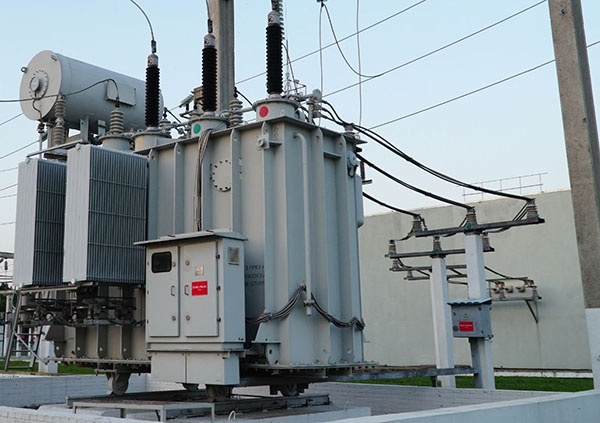
Discover the most effective transformer tests, understand their purposes, and learn best practices to ensure transformer reliability and safety in the electric power industry.
1. Introduction: The Importance of Transformer Testing
Transformers are the backbone of electrical power systems, enabling the efficient transmission and distribution of electricity by adjusting voltage levels to meet varying demands. Ensuring the reliability and longevity of transformers is paramount to maintaining system stability, preventing outages, and safeguarding both equipment and personnel.
Why Transformer Testing Matters:
- Preventing Failures: Early detection of faults can prevent catastrophic transformer failures.
- Ensuring Efficiency: Properly functioning transformers operate more efficiently, reducing energy losses.
- Safety: Identifying and addressing issues ensures the safety of personnel and infrastructure.
- Cost Savings: Proactive maintenance reduces repair costs and extends transformer lifespan.
Key Insight: Regular and comprehensive transformer testing is essential for maintaining the reliability, efficiency, and safety of electrical power systems.
2. Overview of Transformer Testing
Transformer testing encompasses a variety of diagnostic procedures aimed at assessing different aspects of a transformer’s health and performance. These tests help in identifying potential issues, ensuring that transformers operate within their specified parameters, and preventing unexpected failures that can disrupt power supply and incur significant costs.
Types of Transformer Tests
- Routine Tests: Conducted regularly to monitor transformer performance and detect any deviations from normal operation.
- Type Tests: Performed on new transformers to verify that they meet design specifications and industry standards.
- Special Tests: Conducted in specific situations, such as after a fault or when unusual operating conditions are detected.
Understanding the various types of tests and their specific purposes is crucial for effective transformer maintenance and management.
3. Most Useful Transformer Tests
Among the plethora of transformer tests available, certain tests stand out due to their effectiveness in identifying critical issues and ensuring transformer reliability. Here are the most useful tests when checking a transformer:
3.1. Insulation Resistance Test
Purpose
To evaluate the integrity of the transformer’s insulation materials, preventing short circuits and ensuring safe operation.
Procedure
- De-Energize and Isolate: Ensure the transformer is completely disconnected from all power sources.
- Use an Insulation Resistance Tester: Apply a high DC voltage (commonly 500V or 1000V) between the windings and the core or ground.
- Measure Resistance: Higher resistance values indicate better insulation quality.
Interpretation
- High Resistance: Good insulation, low risk of faults.
- Low Resistance: Indicates moisture ingress, contamination, or insulation degradation.
Safety Note: Always follow manufacturer guidelines and safety protocols when performing insulation resistance tests to prevent electrical hazards.
3.2. Winding Resistance Test
Purpose
To detect issues such as open circuits, shorted turns, or faulty connections in the primary or secondary windings.
Procedure
- Set Up the Multimeter: Use a calibrated digital multimeter set to the appropriate resistance range.
- Measure Primary Winding Resistance: Connect the multimeter probes to the primary terminals and record the resistance.
- Measure Secondary Winding Resistance: Repeat the process for the secondary winding.
- Compare with Specifications: Ensure resistance values align with manufacturer data or historical records.
Interpretation
- Consistent Resistance: Indicates healthy windings.
- Increased Resistance: Suggests open circuits or degraded connections.
- Decreased Resistance: May indicate shorted turns or insulation breakdown.
Pro Tip: Account for temperature variations as resistance values can change with temperature fluctuations.
3.3. Turns Ratio Test
Purpose
To verify that the primary-to-secondary turns ratio aligns with the transformer’s specifications, ensuring accurate voltage transformation.
Procedure
- Apply a Low AC Voltage to Primary: Use a turns ratio tester or a variable AC source to apply a known low AC voltage to the primary winding.
- Measure Secondary Voltage: Measure the output voltage from the secondary winding using a voltmeter.
- Calculate the Ratio: Compare the measured ratio with the transformer’s rated turns ratio.
Interpretation
- Accurate Ratio: Indicates intact windings with no short circuits.
- Deviated Ratio: Suggests possible shorted turns or winding damage.
Example: For a transformer with a 10:1 turns ratio, applying 100V to the primary should yield approximately 10V on the secondary.
3.4. Dissolved Gas Analysis (DGA)
Purpose
To detect and analyze gases dissolved in transformer oil, indicating internal faults like overheating, arcing, or partial discharges.
Procedure
- Sample the Oil: Carefully extract a representative oil sample from the transformer.
- Analyze Gases: Use a gas chromatograph to measure the concentrations of dissolved gases such as hydrogen, methane, ethylene, and acetylene.
- Interpret Gas Levels: Compare with industry standards to identify potential issues.
Interpretation
- Normal Gas Levels: Indicates healthy transformer operation.
- Elevated Gas Levels: Suggests underlying problems requiring immediate attention.
Pro Tip: Conduct DGA regularly as part of a comprehensive transformer maintenance program to catch faults early.
3.5. Partial Discharge Testing
Purpose
To detect and locate partial discharges within the transformer’s insulation system, signaling early-stage insulation degradation that can lead to short circuits.
Procedure
- Attach PD Sensors: Position partial discharge sensors on the transformer’s insulation surfaces.
- Apply Test Voltage: Gradually increase the voltage while monitoring for PD activity.
- Analyze PD Data: Identify the presence and location of partial discharges that may indicate insulation weaknesses.
Interpretation
- No Partial Discharges: Indicates good insulation integrity.
- Presence of Partial Discharges: Signals potential insulation weaknesses that need immediate attention.
Safety Note: Always follow manufacturer guidelines and safety protocols when performing advanced diagnostic tests like partial discharge testing.
3.6. Load Test
Purpose
To evaluate the transformer’s performance under actual load conditions, assessing efficiency and voltage regulation.
Procedure
- Apply Rated Voltage to Primary: Ensure the transformer is connected to a stable power source.
- Connect a Known Load to Secondary: Apply a controlled load and gradually increase it to full capacity.
- Monitor Performance: Measure secondary voltage, primary current, and power output at various load levels.
- Calculate Efficiency and Voltage Regulation: Compare input and output power to determine efficiency and observe voltage drop under load.
Interpretation
- High Efficiency: Indicates minimal losses and good performance.
- Poor Voltage Regulation: Suggests high impedance or issues within the transformer.
- Deviation from Expected Efficiency: May point to problems like winding resistance increases or core losses.
Example: A transformer with 98% efficiency should show minimal power loss as load increases, reflecting effective energy transfer.
3.7. Thermal Imaging
Purpose
To identify hotspots and abnormal temperature rises within the transformer, which can indicate electrical or mechanical issues.
Procedure
- Use an Infrared Thermal Camera: Scan the transformer for temperature anomalies.
- Identify Hotspots: Look for areas with unusually high temperatures compared to normal operating conditions.
- Investigate Causes: Correlate hotspots with potential issues like loose connections, overloaded windings, or faulty components.
Interpretation
- Normal Thermal Profile: Indicates efficient operation without significant energy losses.
- Abnormal Hotspots: Require immediate investigation to prevent further degradation or failure.
Pro Tip: Conduct thermal imaging as part of routine inspections to detect issues that standard tests might miss.
4. Determining the Most Useful Test
While all the aforementioned tests are crucial for comprehensive transformer assessment, determining which test is the most useful depends on the specific objectives and conditions of the transformer being tested. However, Insulation Resistance Testing and Dissolved Gas Analysis (DGA) often stand out as the most critical tests due to their ability to detect both immediate and potential future faults.
Why Insulation Resistance Test?
- Early Detection of Insulation Issues: Prevents short circuits and electrical faults by ensuring insulation integrity.
- Cost-Effective: Relatively simple and inexpensive to perform regularly.
- Broad Applicability: Applicable to both new and existing transformers, providing a baseline for further diagnostics.
Why Dissolved Gas Analysis (DGA)?
- Predictive Maintenance: Identifies internal faults before they manifest as major failures, enabling proactive maintenance.
- Comprehensive Fault Diagnosis: Differentiates between various fault types based on gas concentrations, allowing for targeted interventions.
- Extended Transformer Lifespan: Early fault detection and resolution extend the operational life of transformers.
Conclusion: While Insulation Resistance Testing and DGA are among the most useful transformer tests, a combination of multiple diagnostic methods ensures a thorough assessment and reliable transformer performance.
5. Best Practices for Transformer Testing
Implementing best practices in transformer testing enhances the accuracy, reliability, and safety of the diagnostic process. Here are key best practices to follow:
5.1. Follow Manufacturer Guidelines
- Refer to Manuals: Always consult the transformer’s manufacturer manual for specific testing procedures, voltage levels, and acceptable limits.
- Adhere to Standards: Comply with industry standards such as IEEE, IEC, and ANSI to ensure consistency and reliability in testing.
5.2. Regular Maintenance Schedule
- Routine Testing: Establish a regular testing schedule that includes all essential tests to monitor transformer health continuously.
- Scheduled Inspections: Combine various tests to cover all aspects of transformer performance and integrity.
5.3. Use Calibrated Instruments
- Accurate Measurements: Ensure all measuring instruments are calibrated regularly to maintain measurement accuracy.
- Verification: Test instruments against known standards before conducting transformer tests to confirm reliability.
5.4. Comprehensive Documentation
- Maintain Logs: Keep detailed records of all tests, including dates, results, and any corrective actions taken.
- Trend Analysis: Use historical data to identify patterns or gradual changes in transformer performance, enabling predictive maintenance.
5.5. Safety First
- PPE Usage: Always wear appropriate personal protective equipment during testing to safeguard against electrical hazards.
- Proper Isolation: Ensure transformers are fully de-energized and isolated before performing any tests to prevent accidents.
Pro Tip: Implement a digital maintenance management system to streamline documentation and facilitate easy access to historical data for trend analysis.
6. Personal Anecdote: Identifying Critical Transformer Issues
Early in my career as an electrical testing expert, I was assigned to a facility that had been experiencing sporadic power outages affecting critical production lines. The initial inspections and basic tests did not reveal any obvious faults, leaving the maintenance team frustrated and the operations team concerned.
Deciding to conduct a Dissolved Gas Analysis (DGA), I discovered elevated levels of ethylene and acetylene, indicating partial discharges and potential insulation degradation within the transformer. This finding was not apparent through visual inspection or insulation resistance tests alone. Following up with Partial Discharge Testing, we pinpointed the exact location of the insulation faults.
By addressing these issues proactively—replacing compromised insulation and reinforcing winding connections—we not only resolved the power outages but also significantly extended the transformer’s operational lifespan. This experience underscored the importance of comprehensive and targeted testing in uncovering hidden faults that can have major operational impacts.
Lesson Learned: Comprehensive and advanced testing techniques are essential for identifying critical transformer issues that basic tests might overlook, enabling timely interventions and preventing significant operational disruptions.
7. Case Study: Enhancing Transformer Reliability Through Targeted Testing
Setting
A large manufacturing plant relied on multiple transformers to supply power to various production lines. Despite having transformers with adequate kVA ratings, the plant faced frequent power fluctuations and occasional equipment malfunctions, especially during peak production periods.
Approach
- Comprehensive Testing Regimen
- Implemented a series of tests, including visual inspections, insulation resistance tests, winding resistance tests, turns ratio tests, DGA, partial discharge testing, and thermal imaging on all transformers.
- Data Collection and Analysis
- Collected and analyzed test data to identify deviations from normal operating parameters.
- Identifying Faults
- Detected elevated gas levels in DGA results and abnormal partial discharge activity in two transformers, indicating insulation degradation and internal faults.
- Targeted Maintenance
- Scheduled immediate maintenance for the affected transformers, including insulation replacement and winding repairs.
- Monitoring and Follow-Up
- Established a continuous monitoring program using condition-based maintenance techniques to track transformer health over time.
Outcome
- Reduced Power Fluctuations: Addressing the identified faults eliminated the frequent power fluctuations, ensuring stable operations across all production lines.
- Enhanced Reliability: Transformers operated more efficiently with improved continuity and resistance stability.
- Cost Efficiency: Prevented extensive downtime and avoided costly emergency repairs by proactively addressing issues.
- Improved Safety: Reduced the risk of transformer-related accidents, safeguarding personnel and infrastructure.
Key Takeaway: A comprehensive and systematic testing approach is vital for identifying and rectifying transformer issues, enhancing overall system reliability and efficiency.
8. Future Trends in Transformer Testing
As technology advances, transformer testing methodologies are evolving to offer greater accuracy, efficiency, and predictive capabilities. Staying abreast of these trends ensures that industry professionals can maintain optimal system performance and reliability.
8.1. Smart Sensors and IoT Integration
- Real-Time Monitoring: Embedding smart sensors within transformers to continuously monitor parameters like temperature, pressure, and dissolved gases.
- Data Connectivity: Leveraging IoT platforms to transmit real-time data to centralized monitoring systems, enabling immediate response to anomalies.
8.2. Artificial Intelligence and Machine Learning
- Predictive Analytics: Utilizing AI algorithms to analyze historical and real-time test data, predicting potential failures before they occur.
- Enhanced Diagnostics: Machine learning models can identify complex patterns in test results, providing deeper insights into transformer health.
8.3. Advanced Diagnostic Tools
- Portable Testing Equipment: Development of compact, high-precision testing devices that allow for comprehensive on-site diagnostics without the need for bulky equipment.
- Automated Testing Systems: Implementing robotic systems for conducting routine transformer tests, reducing human error and increasing testing frequency.
8.4. Integration with Digital Twins
- Virtual Models: Creating digital replicas of transformers that simulate various test conditions and operational scenarios, bridging the gap between theoretical and practical diagnostics.
- Enhanced Maintenance Planning: Using digital twins to predict maintenance needs and optimize testing schedules based on simulated data.
Future Insight: Embracing these advanced technologies will significantly enhance the accuracy, efficiency, and proactive maintenance capabilities in transformer testing, ensuring higher reliability and performance in power systems.
9. Conclusion
Testing transformers is a critical component of maintaining the reliability, efficiency, and safety of electrical power systems. By identifying and addressing potential issues through a structured, step-by-step testing procedure, electric power industry workers can ensure transformers operate within their specified parameters, preventing failures and optimizing performance.
Implementing a comprehensive testing regimen, adhering to best practices, and leveraging advanced diagnostic technologies are essential for ensuring transformer longevity and optimal performance. Personal experiences and case studies highlight the tangible benefits of diligent transformer testing, from preventing unexpected outages to enhancing system reliability and safety.
Key Takeaway: Selecting and executing the most useful transformer tests—such as Insulation Resistance Testing and Dissolved Gas Analysis (DGA)—is fundamental for maintaining the integrity and efficiency of electrical power systems. By integrating these practices with ongoing maintenance and emerging technologies, electric power industry professionals can safeguard the continuity of power delivery and extend the operational lifespan of their transformers.
FAQ
- What is the most useful test for checking a transformer?
- Insulation Resistance Test and Dissolved Gas Analysis (DGA) are among the most useful tests, as they effectively detect insulation issues and internal faults that can lead to transformer failures.
- Can I perform all transformer tests myself?
- While some tests like visual inspections and winding resistance tests can be performed by trained personnel, advanced diagnostics like DGA and partial discharge testing should be conducted by certified experts to ensure accuracy and safety.
- How often should transformers be tested?
- The frequency depends on factors such as transformer rating, operational environment, and maintenance policies. Typically, annual or biennial comprehensive tests are recommended, with more frequent checks for high-stress or critical transformers.
- What should I do if a transformer fails an insulation resistance test?
- If a transformer fails an insulation resistance test, isolate it from the power system immediately, conduct a detailed inspection to identify the cause, and perform necessary repairs or replacements as per manufacturer guidelines and industry standards.
- Is thermal imaging essential for transformer testing?
- Yes, thermal imaging is highly valuable as it can detect hotspots and abnormal temperature rises that may indicate underlying electrical or mechanical issues, often before they become critical.
- What tools are essential for comprehensive transformer testing?
- Essential tools include insulation resistance testers (megger), multimeters or ohmmeters, turns ratio testers, dissolved gas analyzers (DGA), partial discharge detectors, infrared thermal cameras, and appropriate safety equipment.
- Can advanced diagnostic tests prevent transformer failures?
- Absolutely, advanced diagnostic tests like DGA and partial discharge testing enable early detection of internal faults, allowing for proactive maintenance and preventing catastrophic transformer failures.
- How does the power factor affect transformer testing?
- The power factor influences the relationship between apparent power (kVA) and real power (kW). Accurate kVA calculations considering the power factor are essential for proper transformer sizing and ensuring efficient operation.
- What safety measures should be taken during transformer testing?
- Always wear appropriate PPE, follow lockout-tagout (LOTO) procedures to isolate the transformer, use calibrated and properly functioning testing equipment, and adhere to manufacturer guidelines and industry safety standards.
- How can smart sensors improve transformer testing?
- Smart sensors enable continuous real-time monitoring of transformer parameters, facilitating immediate detection of anomalies, enhancing predictive maintenance, and improving overall system reliability.
Author’s Note: Always adhere to manufacturer guidelines and industry standards (such as IEEE and IEC) when performing transformer tests. Proper training, strict safety protocols, and the use of calibrated and appropriate testing equipment are essential for accurate diagnostics and maintaining the reliability of power systems.

 Finnish
  English
  German
  Spanish
  French
  Portuguese
  Vietnamese
  Afrikaans
  Amharic
  Arabic
  Aragonese
  Moroccan Arabic
  Assamese
  Azerbaijani
  South Azerbaijani
  Belarusian
  Bulgarian
  Bengali
  Tibetan
  Bosnian
  Catalan
  Czech
Czech  Danish
  Welsh
Welsh  Lower Sorbian
  Dzongkha
  Greek
Greek  Esperanto
  Estonian
  Basque
  Indonesian
  Italian
  Malayalam
  Latvian
  Panjabi
  Romanian
  Slovenian
  Russian