
High Voltage Dielectric Testing Procedures: A Practical Guide for Power Industry Workers

High voltage dielectric testing is a critical process in the power industry used to assess the insulation integrity of electrical equipment operating under high voltages. Whether you’re testing transformers, cables, switchgear, or motors, high voltage dielectric tests help detect insulation weaknesses and prevent unexpected failures that could result in costly outages or safety hazards. In […]
Choosing the Right Ultra-Low Frequency AC High-Voltage Tester Based on IEC/IEEE Standards

When selecting an Ultra-Low Frequency AC High-Voltage Tester, the voltage rating and application should be based on the equipment being tested and its insulation class. The IEC (International Electrotechnical Commission) and IEEE (Institute of Electrical and Electronics Engineers) standards provide guidelines for high-voltage testing of electrical equipment, including the selection of the right test voltage […]
Why You Should Be Testing Your Aging Equipment with Power Factor Now!
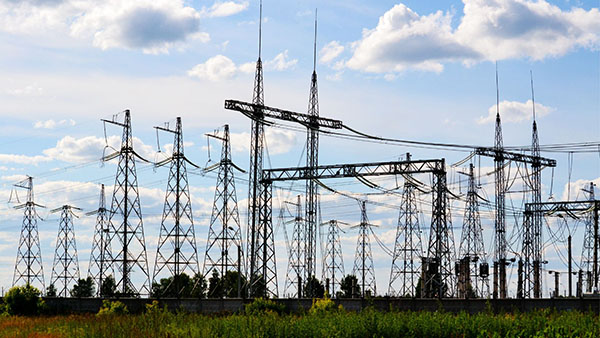
Aging electrical equipment is a fact of life in many power generation and distribution systems. However, the risk of failure increases significantly as these assets age, and without proper testing and maintenance, it could lead to costly downtime, safety hazards, and long-term damage. In this article, we’ll explore why testing aging equipment with Power Factor […]
The Shocking Issues Tan Delta Testing Reveals!
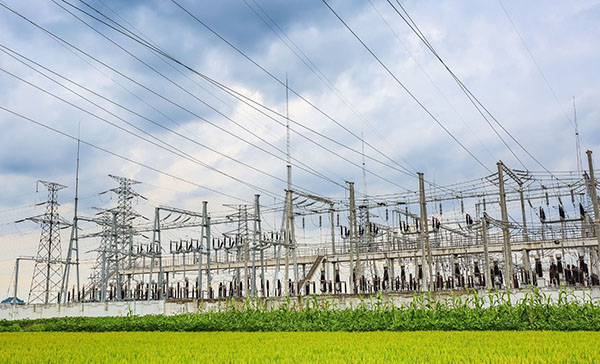
Tan Delta testing is a critical diagnostic tool in the electrical power industry, providing invaluable insights into the health and efficiency of insulation systems in electrical equipment. This article will explore the “shocking” issues that Tan Delta testing can uncover, offering a detailed and practical guide to help electric power industry professionals leverage this tool […]
The Magnetizing Current Test: Your Key to Preventing Transformer Core Damage

Transformers are critical assets in electrical systems, and their core is the heart of their operation. The transformer core ensures the efficient transfer of electrical energy through magnetic coupling between the windings. However, if the core becomes damaged or deteriorates due to issues like core displacement, shorted laminations, or saturation, it can severely impact transformer […]
Dielectric Testing for Solar Inverters: A Comprehensive Guide for Technicians and Engineers
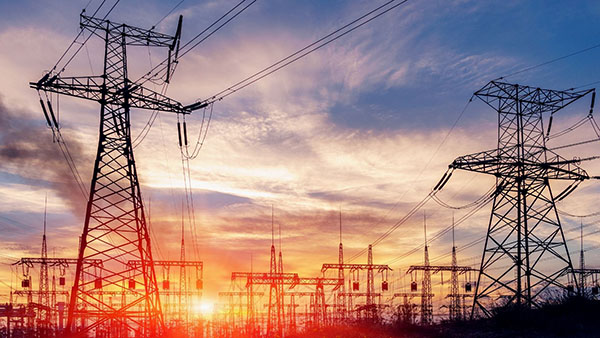
Solar inverters are critical components in photovoltaic (PV) systems, responsible for converting the DC power generated by solar panels into usable AC power for electrical grids and home use. Given the high voltages involved in solar inverters, dielectric testing is essential to ensure the insulation within the inverter can withstand electrical stresses during operation, preventing […]
Unlock the Science Behind Power Factor Testing in 5 Minutes!

Power factor testing may seem like a simple diagnostic process, but behind its straightforward application lies a fascinating and crucial science. Understanding the intricacies of power factor testing is essential for anyone in the electric power industry. This knowledge helps not only to identify issues with electrical systems but also to ensure that your equipment […]
How to Choose an Insulation Resistance Tester Based on Range: 0.01MΩ to 10TΩ, 35TΩ, or 50TΩ

The range of an insulation resistance tester (e.g., 0.01MΩ to 10TΩ, 35TΩ, or 50TΩ) determines the upper and lower limits of resistance the tester can measure. Choosing the appropriate range is essential for ensuring accurate results that meet the requirements of your testing application. In this guide, we’ll explore how to select the right tester […]
How to Avoid Costly Mistakes with Temperature-Related Dielectric Testing!
In dielectric testing, temperature is a critical factor that can significantly influence test results. Conducting dielectric tests without accounting for temperature effects can lead to inaccurate readings, misinterpretation of insulation health, and costly errors. This article provides practical insights on temperature-related dielectric testing to help electric power industry workers avoid common mistakes and ensure accurate, […]
Water Contamination and Dielectric Testing: Understanding the Impact on Insulation and Equipment

Water contamination is one of the most common and detrimental factors that can affect the dielectric strength of electrical insulation. Whether in oil-filled transformers, cables, or motors, the presence of moisture significantly reduces the ability of insulating materials to withstand high-voltage stresses. This can lead to partial discharges, insulation breakdowns, or even catastrophic equipment failure. […]
 French
  English
  German
  Spanish
  Portuguese
  Vietnamese
  Afrikaans
  Amharic
  Arabic
  Aragonese
  Moroccan Arabic
  Assamese
  Azerbaijani
  South Azerbaijani
  Belarusian
  Bulgarian
  Bengali
  Tibetan
  Bosnian
  Catalan
  Czech
Czech  Danish
  Welsh
Welsh  Lower Sorbian
  Dzongkha
  Greek
Greek  Esperanto
  Estonian
  Basque
  Finnish
  Indonesian
  Italian
  Malayalam
  Latvian
  Panjabi
  Romanian
  Slovenian
  Russian