
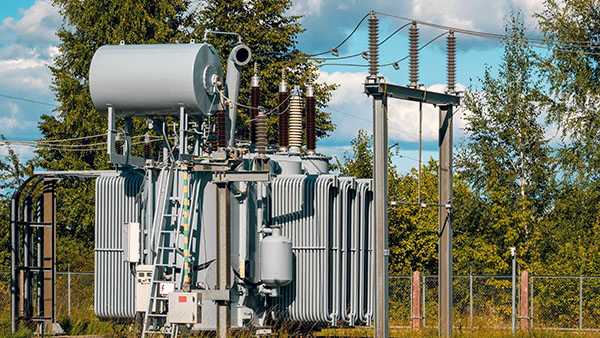
In the electric power industry, ensuring your equipment operates safely and efficiently isn’t just a matter of good practice—it’s a legal requirement. One of the most vital tools for ensuring transformer reliability and meeting industry standards is TTR (Turns Ratio) Testing. Yet, despite its importance, TTR testing can often be overlooked or mismanaged, leading to legal and financial consequences. This article explores how proper TTR testing can help you avoid costly fines, meet compliance requirements, and keep your transformers—and your company—legally safe.
Understanding Legal Compliance in the Power Industry
Key Regulations That Govern Transformer Maintenance
As the world moves toward more stringent environmental and safety regulations, it’s crucial to understand the laws that govern transformer maintenance. In the U.S., transformers are subject to various codes and standards that mandate regular inspections and performance checks to ensure safe operation.
- ANSI/IEEE Standards: The American National Standards Institute (ANSI) and the Institute of Electrical and Electronics Engineers (IEEE) set the guidelines for testing and maintaining electrical transformers. These standards emphasize the importance of TTR testing as a key part of preventative maintenance.
- IEC Standards: Internationally, the International Electrotechnical Commission (IEC) also lays out similar requirements for transformer health checks, including TTR tests, to ensure that transformers are operating within safe parameters.
TTR testing, which measures the ratio of turns between the primary and secondary windings of a transformer, is an essential part of these standards. Failure to adhere to these regulations can result in legal complications, including hefty fines, regulatory penalties, and potential shutdowns.
What Happens When You Fail to Comply?
Neglecting to meet transformer maintenance standards can have serious consequences.
- Fines and Penalties: Regulators can impose fines for non-compliance with testing standards. For example, missing required TTR tests or providing inaccurate records could result in hefty fines. In severe cases, facilities could even face operational shutdowns.
- Reputational Damage: Legal issues related to non-compliance not only cost money but also tarnish your reputation in the industry. A transformer failure due to neglected testing can result in negative publicity, a loss of business, and even a damaged relationship with regulators.
A personal anecdote: At a previous job, I was part of a team that experienced a costly penalty due to a transformer that failed during an inspection. The failure was traced back to incomplete TTR tests that had not been conducted for several years. The fines we faced were substantial, and it was a wake-up call for the entire organization about the importance of maintaining a proactive testing regimen. That experience taught me how essential it is to stay ahead of legal requirements through diligent testing and reporting.
TTR Testing: Your First Line of Defense Against Legal Risk
How TTR Testing Supports Regulatory Compliance
TTR testing plays a crucial role in ensuring that your transformers meet both safety and performance standards required by law. These tests provide critical data that can confirm whether your transformer is operating within acceptable parameters or showing signs of potential failure.
- Regulatory Assurance: Performing routine TTR tests ensures that your transformer’s turns ratio remains within the expected range, which in turn confirms that the transformer is functioning as it should. This helps you meet the compliance requirements set by various regulatory bodies.
- Avoiding Legal Action: Regularly documented TTR tests serve as proof of compliance. This documentation is vital in the event of an audit, inspection, or legal inquiry. Without it, your organization could face fines or even litigation.
TTR Testing as Part of Preventative Maintenance
TTR testing should be part of a regular, preventative maintenance program. By checking the turns ratio periodically, you can detect potential issues before they become serious failures.
- Frequency of Testing: In many cases, transformers should be tested every 1-2 years, but more frequent testing may be required for critical systems. Your maintenance schedule should align with the recommended intervals for your specific type of transformer.
- Thorough Documentation: It’s essential to document each TTR test, noting any abnormalities and ensuring that results are stored securely. This creates a trail of evidence that demonstrates your commitment to regulatory compliance.
I recall a situation where, thanks to regular TTR testing, a small anomaly was detected in a transformer’s ratio. We caught the issue early enough that a full failure was prevented, saving the company a significant amount in repair costs and avoiding legal ramifications.
Avoiding the Pitfalls: Common TTR Testing Mistakes That Lead to Non-Compliance
Human Error in TTR Testing
Even the most experienced technicians can make mistakes, and unfortunately, those errors often go unnoticed until it’s too late.
- Misreading Results: One of the most common mistakes is misinterpreting TTR test results. While TTR testers are designed to provide accurate readings, interpreting the data incorrectly can lead to false conclusions, potentially resulting in a failure to identify transformer issues before they cause significant problems.
- Incorrect Calibration: TTR testers need to be calibrated regularly to ensure accuracy. If the equipment isn’t calibrated properly, it could lead to inaccurate test results, putting your entire testing program—and the compliance of your transformers—at risk.
A personal story: I once worked with a team where the TTR tester was slightly out of calibration, which resulted in misleading results during routine checks. It wasn’t until a more detailed inspection was conducted that the discrepancy was found. While we avoided major issues, the event served as a stark reminder of how vital proper calibration and accurate data interpretation are to legal safety.
Skipping or Delaying Tests
Another mistake that can lead to non-compliance is failing to perform TTR tests as scheduled. This often happens when testing is seen as a low-priority task in the maintenance schedule, but skipping tests can result in legal ramifications.
- Delays in Testing: Postponing tests, even by a few months, can lead to situations where transformers fail unexpectedly, or legal standards aren’t met.
- Skipping Tests: In an attempt to save money or time, some companies may decide to skip TTR tests altogether. This is a risky strategy that could result in catastrophic failure and significant legal costs.
TTR Testing and Insurance: Ensuring You’re Covered
The Role of TTR Testing in Insurance Claims
TTR tester plays a key role in making sure your transformer failures are covered by insurance. If your transformer fails and you need to file a claim, having up-to-date TTR test results can serve as proof that the failure wasn’t due to negligence.
- Documentation for Claims: Insurers often require proof that transformers were regularly maintained, and TTR test results are the gold standard in providing that proof.
- Impact on Liability: If an insurer finds that transformers weren’t tested according to industry standards, it could result in a denied claim or a reduced payout.
Impact on Liability and Coverage
Having thorough records of TTR testing not only helps with insurance claims but also minimizes liability. It demonstrates that you’ve taken proactive measures to ensure transformer health, reducing the chances of legal action in the event of a failure.
Best Practices for Keeping Your TTR Test Results Legally Safe
Documenting and Storing Test Results
To avoid costly fines and ensure your test results stand up in court or during an audit, maintaining proper documentation is essential. Test results should be recorded accurately, securely stored, and easily accessible when needed for inspections or audits.
- Digital Storage vs. Paper Records: Digital records are easier to organize and manage, but it’s important to back them up to prevent data loss.
- Archiving Test Data: Storing test results for several years is crucial, as regulatory inspections can occur long after tests are conducted.
Conclusion: How TTR Testing Keeps You Legally Safe and Operational
TTR testing is more than just a technical procedure—it’s a key element of your company’s legal and operational strategy. By staying on top of your testing schedule, ensuring accurate documentation, and complying with industry standards, you can protect your company from costly fines and legal consequences.
Final anecdote: Since implementing a strict schedule for TTR testing and improving our data management practices, we’ve avoided major fines and legal issues. It’s clear that staying compliant isn’t just about avoiding penalties—it’s about maintaining a culture of responsibility and safety across the organization.
Call to Action: Take a close look at your current TTR testing processes and ensure that they align with regulatory standards. Protect your assets, your reputation, and your bottom line by prioritizing TTR testing today.

 Latvian
  English
  German
  Spanish
  French
  Portuguese
  Vietnamese
  Afrikaans
  Amharic
  Arabic
  Aragonese
  Moroccan Arabic
  Assamese
  Azerbaijani
  South Azerbaijani
  Belarusian
  Bulgarian
  Bengali
  Tibetan
  Bosnian
  Catalan
  Czech
Czech  Danish
  Welsh
Welsh  Lower Sorbian
  Dzongkha
  Greek
Greek  Esperanto
  Estonian
  Basque
  Finnish
  Indonesian
  Italian
  Malayalam
  Panjabi
  Romanian
  Slovenian
  Russian