
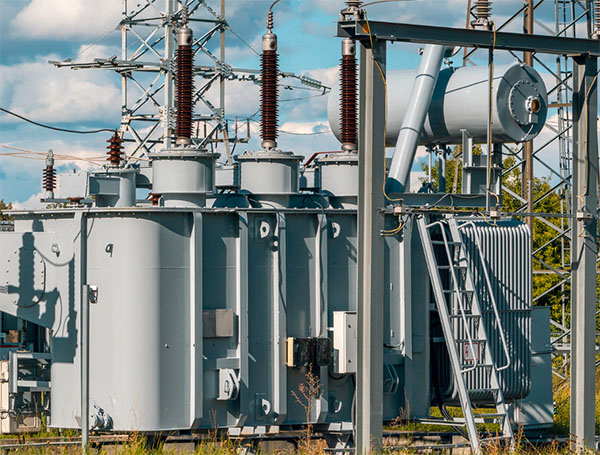
Transformers are the unsung heroes of the electric power industry, ensuring that electricity flows seamlessly from generation plants to homes, businesses, and industries. Central to their operation is transformer oil, which serves as both an insulating medium and a coolant. However, the quality of this oil is paramount; contamination can lead to severe transformer failures, costly downtimes, and safety hazards. As a professional electrical testing expert with over 25 years of experience, I’ve witnessed firsthand how diligent oil quality testing can prevent significant issues and extend transformer lifespan. This comprehensive guide provides electric power industry workers with detailed, practical steps to test transformer oil quality, covering its importance, how-to guides, best practices, troubleshooting, essential tools, benefits, real-world case studies, training considerations, and future trends.
Importance of Testing Transformer Oil Quality
Ensuring Electrical Insulation
Transformer oil acts as an insulator, preventing electrical discharges between the transformer’s internal components. High-quality oil maintains strong dielectric properties, ensuring that transformers operate safely and efficiently. Contaminated oil with reduced dielectric strength can lead to electrical faults, shorts, and potential transformer failure.
Effective Cooling
Transformer oil dissipates the heat generated during electrical transformations. Maintaining optimal oil quality ensures efficient heat transfer, preventing overheating and maintaining the transformer’s operational temperature within safe limits. Overheated transformers can suffer accelerated wear and reduced lifespan.
Preventing Transformer Failures
Contaminants such as moisture, acids, and particulates can degrade transformer oil, impairing both its insulating and cooling functions. Regular oil quality testing helps identify and address these contaminants early, preventing catastrophic transformer failures that can lead to expensive repairs and extended downtimes.
Enhancing Safety
Faulty transformer oil can pose significant safety risks, including the potential for electrical fires and explosions. Ensuring oil quality through regular testing mitigates these risks, protecting personnel and infrastructure from hazardous incidents.
Extending Transformer Lifespan
Proactive oil maintenance through regular quality testing significantly extends the lifespan of transformers. By preserving oil quality and ensuring effective cooling and insulation, transformers remain operational and reliable for longer periods, maximizing return on investment.
Types of Contaminants and Their Effects
Moisture
Moisture in transformer oil can drastically reduce its dielectric strength and promote the formation of acids through oil oxidation. High moisture levels lead to increased electrical losses and insulation degradation, raising the risk of transformer failure.
Acids
Acids are byproducts of oil oxidation and can corrode transformer components, including metal parts and insulation materials. Elevated acid levels compromise the oil’s insulating properties and accelerate the degradation of transformer internals.
Particulates
Dust, dirt, and other particulates can enter transformer oil through leaks or poor maintenance practices. Particulates obstruct cooling pathways, reduce oil flow, and cause physical damage to internal components, impairing both cooling and insulation functions.
Dissolved Gases
Dissolved gases in transformer oil, detected through Dissolved Gas Analysis (DGA), indicate internal faults such as overheating, arcing, or partial discharges. Elevated levels of specific gases can pinpoint the type and severity of transformer issues.
How to Test Oil Quality: Step-by-Step Guide
Step 1: Safety Precautions
Importance:
Safety is paramount when working with high-voltage equipment and hazardous materials like transformer oil. Proper safety measures prevent accidents and ensure a secure working environment.
Steps:
- Isolate the Transformer:
- Disconnect the transformer from the power source to eliminate electrical hazards.
- Implement Lockout/Tagout (LOTO) procedures to ensure the transformer cannot be accidentally energized during maintenance.
- Wear Appropriate Personal Protective Equipment (PPE):
- Use gloves, safety glasses, and protective clothing to protect against oil spills and potential splashes.
Step 2: Gather Necessary Tools and Equipment
Importance:
Having the right tools ensures that the oil quality test is performed accurately and efficiently, minimizing the risk of errors and contamination.
Tools Needed:
- Oil Sampling Kit: For collecting representative oil samples.
- Dissolved Gas Analyzer (DGA): For detecting and quantifying dissolved gases.
- Moisture Meter: To measure moisture content in the oil.
- Acid Number Test Kit: For determining the acidity level of the oil.
- Dielectric Strength Tester: To assess the oil’s insulating properties.
- Clean, Lint-Free Cloths: To prevent contamination during sample collection.
- Flashlight: For better visibility during inspections.
Step 3: Collect Oil Samples
Importance:
Accurate sample collection is crucial for reliable oil quality testing. Contaminated or improperly collected samples can lead to misleading results.
Steps:
- Identify Sampling Points:
- Refer to the transformer’s schematic or manufacturer’s manual to locate designated oil sampling points.
- Prepare for Sampling:
- Clean the oil fill and drain caps to prevent external contaminants from entering the sample.
- Use a clean, lint-free cloth to wipe the sampling port before collecting the sample.
- Collect the Sample:
- Use the oil sampling kit to draw a representative oil sample.
- Avoid introducing air bubbles or contaminants during the collection process.
- Seal and Label the Sample:
- Seal the sample container tightly to prevent contamination.
- Label the sample with relevant information, including the transformer ID, date, and time of collection.
Step 4: Conduct Laboratory Testing
Importance:
Laboratory testing provides comprehensive insights into oil quality, identifying contaminants and assessing the oil’s condition.
Tests to Perform:
- Dissolved Gas Analysis (DGA):
- Detect and quantify gases dissolved in the oil, such as hydrogen, methane, ethylene, and acetylene.
- Identify potential internal faults based on gas concentrations.
- Moisture Content Testing:
- Measure the moisture level in the oil, which affects dielectric strength and promotes acid formation.
- Acid Number Testing:
- Determine the acidity level of the oil, indicating the extent of oil oxidation and degradation.
- Dielectric Strength Testing:
- Assess the oil’s insulating properties to ensure it maintains adequate electrical resistance.
Best Practices:
- Use Certified Laboratories: Ensure oil samples are analyzed by certified laboratories to obtain accurate and reliable results.
- Maintain Consistent Testing Intervals: Schedule regular tests to monitor oil quality trends and detect issues early.
Step 5: Perform On-Site Testing (Optional)
Importance:
On-site testing provides immediate insights into oil quality, allowing for prompt decision-making and interventions.
Tools and Techniques:
- Portable DGA Devices:
- Conduct quick DGA tests on-site to identify gas concentrations and potential faults without waiting for laboratory results.
- Moisture Meters:
- Use portable moisture meters to assess oil moisture levels directly at the transformer site.
Best Practices:
- Ensure Calibration: Regularly calibrate portable testing devices to maintain accuracy.
- Combine with Laboratory Testing: Use on-site testing as a preliminary assessment, complementing comprehensive laboratory analyses.
Step 6: Interpret Test Results
Importance:
Understanding test results is essential for identifying oil quality issues and determining appropriate maintenance actions.
Steps:
- Compare with Standards:
- Evaluate test results against industry standards (e.g., IEEE, IEC) and manufacturer specifications to determine oil condition.
- Identify Contaminants:
- Use DGA results to pinpoint specific internal faults based on gas concentrations.
- Assess moisture and acid levels to identify oil degradation and contamination.
- Determine Maintenance Actions:
- Decide whether to purify, replace, or replenish transformer oil based on test outcomes.
Best Practices:
- Use Data Trends: Analyze historical test data to identify trends and predict potential oil quality issues.
- Consult with Experts: Engage with transformer manufacturers or oil experts to interpret complex test results and formulate effective maintenance strategies.
Step 7: Implement Maintenance Actions
Importance:
Timely maintenance actions based on oil quality tests prevent transformer failures and ensure continued performance.
Steps:
- Oil Purification:
- Use oil purifiers and filtration systems to remove contaminants, moisture, and acids from the oil.
- Oil Replacement:
- Replace degraded oil with fresh, high-quality transformer oil when purification is insufficient or oil quality is severely compromised.
- Seal and Repair Leaks:
- Identify and repair any oil leaks or damaged seals to prevent future contamination and oil loss.
- Enhance Environmental Controls:
- Improve environmental conditions around transformers to minimize contamination risks, such as controlling humidity and dust levels.
Best Practices:
- Follow Manufacturer Guidelines: Adhere to oil purification and replacement procedures as recommended by transformer and oil manufacturers.
- Document Maintenance Actions: Keep detailed records of all maintenance activities to track transformer health and inform future maintenance planning.
Best Practices for Transformer Oil Quality Testing
Establish a Regular Testing Schedule
Develop a routine maintenance plan that includes periodic oil quality tests. Regular testing ensures that oil quality is consistently monitored, allowing for early detection and resolution of potential issues.
Use Proper Sample Collection Techniques
Ensure that oil samples are collected using clean, contamination-free methods. Avoid introducing external contaminants during the sampling process by maintaining cleanliness and following standardized procedures.
Maintain Cleanliness During Testing
Keep sampling ports and testing areas clean to prevent contamination of oil samples. Use clean, lint-free cloths and tools to wipe away debris before collecting samples.
Utilize Certified Laboratories
Send oil samples to certified laboratories that adhere to industry standards for accurate and reliable testing. Certified labs ensure that test results are trustworthy and actionable.
Keep Detailed Records
Maintain comprehensive records of all oil quality tests, including dates, results, and maintenance actions taken. Detailed records help track oil quality trends and support informed decision-making.
Implement Automated Monitoring Systems
Leverage advanced monitoring technologies, such as IoT sensors and automated oil quality gauges, to continuously track oil quality in real-time. Automated systems enhance accuracy and enable proactive maintenance interventions.
Train Maintenance Personnel
Provide thorough training for maintenance staff on proper oil sampling techniques, testing procedures, and interpretation of results. Skilled technicians are essential for effective oil quality management and transformer longevity.
Troubleshooting Common Oil Quality Issues
Issue 1: Elevated Moisture Content
Cause:
- Leaks and Seal Failures: Damaged seals and gaskets allow moisture ingress.
- Condensation: Temperature fluctuations can cause moisture to condense within the oil.
- Environmental Exposure: High humidity environments increase moisture levels.
Solution:
- Identify and Repair Leaks:
- Inspect and replace faulty seals, gaskets, and oil lines to prevent further moisture ingress.
- Implement Vacuum Drying:
- Use vacuum drying systems to remove existing moisture from the oil, restoring its insulating properties.
- Enhance Environmental Controls:
- Improve ventilation and temperature control around transformers to minimize condensation and moisture accumulation.
Issue 2: High Acid Number
Cause:
- Oil Oxidation: Prolonged exposure to heat and oxygen leads to acid formation.
- Contamination: Presence of water and particulates accelerates oil degradation.
Solution:
- Oil Purification:
- Use acid scavengers and purification systems to neutralize and remove acids from the oil.
- Replace Degraded Oil:
- If acidity levels are excessively high, drain and replace the oil with fresh, high-quality transformer oil.
- Control Operating Conditions:
- Maintain optimal operating temperatures and minimize oil exposure to air to reduce oxidation rates.
Issue 3: Presence of Dissolved Gases
Cause:
- Overheating: Excessive heat generation causes oil decomposition and gas formation.
- Electrical Faults: Partial discharges and arcing within the transformer generate gases.
- Oil Contamination: Contaminants accelerate gas formation through chemical reactions.
Solution:
- Perform Detailed DGA:
- Analyze the types and concentrations of dissolved gases to identify the root cause of the issue.
- Address Underlying Faults:
- Repair any electrical faults, such as insulation breakdowns or arcing, that contribute to gas formation.
- Oil Replacement or Purification:
- Purify the oil to remove dissolved gases or replace it if gas levels are beyond acceptable limits.
Issue 4: Particulate Contamination
Cause:
- Dirty Sampling Processes: Contaminated tools and sampling procedures introduce particulates.
- External Debris: Dust and dirt ingress through contaminated environments or faulty seals.
- Oil Handling Errors: Improper handling during maintenance leads to particulate introduction.
Solution:
- Improve Sampling Techniques:
- Use clean, contamination-free tools and follow standardized sampling procedures to prevent particulate introduction.
- Install Filtration Systems:
- Use fine mesh filters and oil purifiers to capture and remove particulates from the oil.
- Enhance Environmental Controls:
- Maintain clean transformer environments by controlling dust and debris levels and ensuring proper sealing.
Issue 5: Reduced Dielectric Strength
Cause:
- Oil Degradation: Aging oil loses its insulating properties.
- Contamination: Moisture and particulates impair dielectric strength.
- Chemical Breakdown: Formation of acids and other contaminants reduces oil’s insulating capabilities.
Solution:
- Replace Degraded Oil:
- Drain and refill transformers with fresh, high-quality oil to restore dielectric strength.
- Implement Oil Purification:
- Use purification systems to remove contaminants that reduce dielectric properties.
- Regular Testing and Monitoring:
- Continuously monitor dielectric strength through regular testing to ensure oil maintains adequate insulating properties.
Essential Tools and Equipment for Testing Oil Quality
Dissolved Gas Analyzer (DGA)
Purpose: Detect and quantify dissolved gases in transformer oil that indicate internal faults.
Usage: Conduct regular DGA tests to identify gas concentrations that signal overheating, arcing, or insulation breakdown.
Oil Sampling Kit
Purpose: Collect representative oil samples for quality testing.
Usage: Follow standardized procedures to collect oil samples, ensuring they are free from air bubbles and contaminants for accurate analysis.
Moisture Meter
Purpose: Measure the moisture content in transformer oil.
Usage: Perform moisture tests to assess oil purity and determine the need for purification or replacement.
Acid Number Test Kit
Purpose: Determine the acidity level of transformer oil.
Usage: Conduct acid number tests to evaluate oil degradation and the extent of acid formation.
Dielectric Strength Tester
Purpose: Assess the insulating properties of transformer oil.
Usage: Perform dielectric strength tests to ensure oil maintains adequate electrical resistance, preventing faults.
Infrared Thermography Cameras
Purpose: Detect thermal anomalies related to oil quality and cooling efficiency.
Usage: Perform thermal scans to identify hot spots indicating potential oil degradation or cooling issues.
Personal Protective Equipment (PPE)
Purpose: Ensure safety during oil quality testing and handling.
Usage: Equip technicians with gloves, safety glasses, and protective clothing to guard against oil spills and splashes.
Computerized Maintenance Management System (CMMS)
Purpose: Organize and manage maintenance schedules, inspection records, and diagnostic data.
Usage: Input and track oil quality test results, schedule maintenance activities, and generate reports for informed decision-making.
Benefits of Regular Transformer Oil Quality Testing
Early Detection of Issues
Regular oil quality testing enables the early detection of contaminants and degradation, allowing for timely interventions before minor issues escalate into major failures.
Preventing Costly Failures
By identifying and addressing oil quality issues proactively, maintenance teams can prevent transformer failures that result in expensive repairs, replacements, and unplanned downtimes.
Optimizing Transformer Performance
Maintaining high-quality oil ensures that transformers operate efficiently, with optimal cooling and insulation, enhancing overall electrical performance and reducing energy losses.
Extending Transformer Lifespan
Consistent oil quality management preserves the integrity of transformer components, prolonging their operational life and maximizing return on investment.
Enhancing Safety
Proper oil maintenance reduces the risk of overheating-related hazards, such as electrical fires and explosions, ensuring a safer working environment for personnel and protecting critical infrastructure.
Compliance with Standards
Regular oil quality testing ensures adherence to industry standards and regulatory requirements, avoiding legal penalties and enhancing organizational credibility.
Real-World Case Studies
Case Study 1: Preventing Transformer Failure through Routine DGA
Background: A large utility company faced frequent transformer failures during peak load periods, leading to widespread power outages and customer dissatisfaction.
Challenge: Initial assessments revealed that transformer oil quality had deteriorated due to inadequate maintenance practices. High levels of dissolved gases indicated internal faults, causing overheating and eventual transformer failure.
Solution: The maintenance team implemented a routine DGA testing program, conducting monthly oil tests to monitor dissolved gas concentrations. They identified specific gas patterns indicative of partial discharges and insulation breakdowns. Based on the results, they performed targeted maintenance actions, such as repairing faulty seals and replacing damaged components.
Outcome: Transformer failures decreased by 70%, power outages were significantly reduced, and customer satisfaction improved. The proactive DGA testing program ensured that internal faults were detected and addressed before causing major issues, enhancing overall grid reliability.
Case Study 2: Extending Transformer Lifespan with Comprehensive Oil Purification
Background: An industrial facility relied on a fleet of transformers to power its operations. Frequent overheating issues threatened operational continuity and increased maintenance costs.
Challenge: Oil contamination with moisture and particulates was identified as the primary cause of cooling inefficiencies and overheating issues. Traditional purification methods were insufficient to restore oil quality.
Solution: The facility adopted a comprehensive oil purification strategy, installing high-efficiency oil purifiers and implementing a strict oil testing schedule. They conducted regular moisture removal using vacuum dryers and installed advanced filtration systems to eliminate particulates. Additionally, they trained maintenance personnel on proper oil handling and purification techniques.
Outcome: Transformer overheating incidents were eliminated, transformer lifespan was extended by an average of five years, and maintenance costs decreased by 40%. Efficient oil purification ensured reliable transformer performance, maintaining uninterrupted operations and reducing operational costs.
Case Study 3: Enhancing Safety through Effective Oil Leak Prevention
Background: A municipal utility provider experienced safety hazards due to coolant leaks in its transformers, posing risks of electrical fires and environmental contamination.
Challenge: Inadequate sealing and aging coolant lines led to persistent oil leaks, disrupting coolant circulation and increasing transformer temperatures.
Solution: The maintenance team conducted a thorough inspection to identify leak sources, replaced damaged seals and hoses, and upgraded coolant lines with more durable materials. They also implemented regular leak detection protocols using automated sensors to monitor oil levels and detect leaks early.
Outcome: Oil leaks were eliminated, transformer temperatures stabilized, and safety hazards were mitigated. The utility achieved compliance with environmental regulations and enhanced the safety of its operations, protecting both personnel and infrastructure.
Conclusion
Testing transformer oil quality is non-negotiable for ensuring the longevity, efficiency, and reliability of transformers in the electric power industry. By implementing regular oil quality tests, conducting thorough contamination assessments, and taking proactive maintenance actions, electric power industry workers can prevent overheating, extend transformer lifespan, and reduce operational costs. Adhering to best practices, utilizing advanced diagnostic tools, and investing in continuous training and skill development are essential for effective oil quality management.
Embracing future trends such as AI-driven predictive maintenance, IoT integration, sustainable practices, and blockchain for maintenance records will further enhance the effectiveness and efficiency of transformer oil quality testing. Remember, transformer maintenance is not just about keeping the equipment running; it’s about ensuring the stability and resilience of the entire power distribution network. Prioritize oil quality testing today to secure a reliable and efficient power infrastructure for tomorrow.
Additional Resources
Recommended Reading and References
- Books and Articles:
- Transformer Engineering: Design, Technology, and Diagnostics by S.V. Kulkarni and S.A. Khaparde
- Practical Transformer Engineering and Maintenance by Gordon Chidley
- Electrical Transformers and Power Equipment Maintenance by C. Russell Mason
- Industry Standards:
- IEEE Standards for Transformer Testing and Maintenance
- IEC Standards for Electrical Transformers and Accessories
Training and Certification Programs
- Courses:
- Advanced Transformer Maintenance – Offered by IEEE
- Smart Transformer Technologies – Available through online platforms like Coursera and Udemy
- Transformer Diagnostics and Troubleshooting – Provided by technical training institutes
- Workshops and Seminars:
- Annual Transformer Maintenance Symposium
- Smart Grid and Transformer Technology Workshops hosted by major utility companies
- Hands-On Transformer Diagnostic Training Sessions
Contact Information for Experts
- Professional Networks:
- Join the IEEE Power & Energy Society for networking with industry experts and accessing valuable resources.
- Participate in LinkedIn groups focused on transformer technology and electric power systems maintenance.
- Support Services:
- Siemens Energy Solutions: www.siemens-energy.com
- ABB Power Grids: www.abb.com/powergrids
- Schneider Electric: www.se.com
- Local Utility Providers: Reach out to your local utility companies for consultation and support services.
By diligently following the guidelines and steps outlined in this article, electric power industry workers can effectively test transformer oil quality and ensure optimal performance. Implement these practices today to maintain a stable and resilient power distribution network for tomorrow.

 Malayalam
  English
  German
  Spanish
  French
  Portuguese
  Vietnamese
  Afrikaans
  Amharic
  Arabic
  Aragonese
  Moroccan Arabic
  Assamese
  Azerbaijani
  South Azerbaijani
  Belarusian
  Bulgarian
  Bengali
  Tibetan
  Bosnian
  Catalan
  Czech
Czech  Danish
  Welsh
Welsh  Lower Sorbian
  Dzongkha
  Greek
Greek  Esperanto
  Estonian
  Basque
  Finnish
  Indonesian
  Italian
  Latvian
  Panjabi
  Romanian
  Slovenian
  Russian