
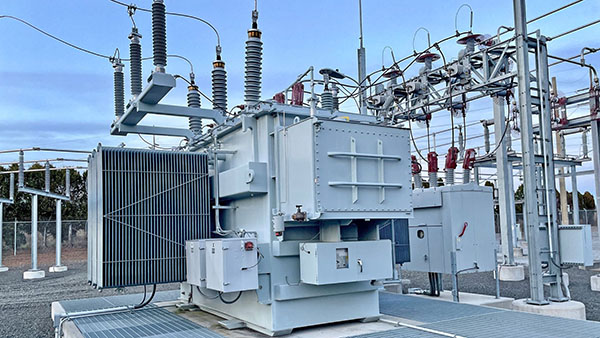
Transformers are the backbone of the electrical power distribution network. They facilitate the efficient transmission of electrical energy by stepping voltage levels up or down. While their primary function is electrical, another important aspect is the physical presence of noise. This noise, which can range from a faint hum to more disruptive sounds, is an inevitable byproduct of transformer operation. But did you know that transformer design plays a significant role in determining the noise levels of these machines?
In this article, we explore how transformer design affects noise levels and delve into practical strategies for controlling transformer noise, helping you maximize operational efficiency and reduce unnecessary disruptions in your facility.
Table of Contents
- Introduction: The Importance of Transformer Noise Control
- The Main Factors in Transformer Noise Generation
- The Role of Transformer Housing and Structural Design
- Strategies for Reducing Transformer Noise Through Design
- 4.1 Vibration Isolation and Dampening
- 4.2 Optimal Core Materials and Laminations
- 4.3 Efficient Cooling System Design
- Case Study: Improving Transformer Noise Control Through Design Modifications
- Conclusion: Achieving a Balance Between Performance and Noise Control
1. Introduction: The Importance of Transformer Noise Control
Anyone who has worked with transformers knows that noise is a common occurrence. Whether it’s the low hum from a substation or the high-pitched whine from a distribution transformer, noise is an integral part of transformer operation. But the issue isn’t just about noise—it’s about the effect of noise on transformer performance and long-term durability.
While minor noise can be a sign of normal operation, louder-than-usual noise or changes in sound patterns often signal potential inefficiencies or issues within the transformer. In this article, we will investigate how transformer design influences noise levels and how, through careful design improvements and modifications, these noise levels can be controlled without sacrificing transformer performance.
2. The Main Factors in Transformer Noise Generation
Transformer noise is primarily generated by two types of phenomena: electromagnetic forces and mechanical vibrations. Understanding how these elements are affected by transformer design is key to controlling noise levels.
2.1 Magnetic Core Design
One of the most significant sources of transformer noise comes from the magnetic core. The core is where the electrical energy is converted into magnetic flux. As the electrical current flows through the windings, it generates alternating magnetic fields, which cause the core to vibrate. These vibrations create sound waves, which we perceive as transformer noise.
Several aspects of core design can influence the level of noise:
- Core Laminations: The core is made up of laminated sheets of electrical steel to reduce eddy current losses. However, poorly constructed laminations can cause the sheets to vibrate more, increasing noise levels.
- Core Clamp Tightness: If the core clamp is not tightly fastened, the core sheets may rub against each other, resulting in excessive vibrations and noise.
- Magnetic Flux Density: The design of the core determines the magnetic flux density. If this density is too high, the vibration of the core increases, resulting in higher noise levels.
By modifying these aspects, noise levels from the magnetic core can be reduced. Using high-quality materials for the core laminations and ensuring proper assembly and alignment can significantly lower noise generation.
2.2 Windings and Coil Design
The windings are where the electric current flows in the form of alternating current (AC). The interaction of the electric current with the magnetic field causes the windings to vibrate. The design of the windings and coils—their layout, the material used, and the winding tension—can all impact the level of mechanical vibration and noise produced.
Key factors to consider:
- Winding Tension: If the windings are too tightly wound or too loose, they can vibrate excessively during operation, leading to unwanted noise. Proper winding tension and spacing can minimize this.
- Winding Material: The material chosen for the winding, usually copper or aluminum, should be of high quality and properly insulated to reduce electrical losses, which can cause additional heating and vibration.
- Core-Winding Interaction: The interaction between the windings and the magnetic core must be carefully considered during design to minimize mechanical noise. If the windings are not well-aligned with the core, they may produce unwanted vibrations.
2.3 Cooling System Design
The cooling system in a transformer typically includes oil pumps, fans, and radiators to dissipate heat and maintain the transformer’s operating temperature. However, these components can also contribute to noise. Cooling fan motors, in particular, can generate mechanical noise due to poor design or misalignment.
Factors affecting noise:
- Fan Blade Shape and Material: The shape and material of the fan blades impact their aerodynamics and efficiency. Poorly designed or unbalanced blades can cause excessive vibrations and generate noise.
- Pump Motors: The oil pump motors can vibrate or produce noise if they are not correctly installed or if they are out of alignment. Their size and operational speed also influence noise levels.
3. The Role of Transformer Housing and Structural Design
The transformer housing and structural design can amplify or dampen the noise generated by internal components. Resonance in the housing structure can amplify vibrations, leading to an increase in noise levels.
- Housing Material: The type of material used for the housing affects its ability to dampen vibrations. Some materials, like steel, can amplify sound, while others, such as rubber or specialized acoustic panels, can reduce vibrations.
- Mounting and Isolation: The way the transformer is mounted also affects noise. Mounting the transformer directly to a hard surface may allow vibrations to travel through the structure, amplifying the sound. Using vibration isolation pads or mounts can reduce this effect.
4. Strategies for Reducing Transformer Noise Through Design
While some transformer noise is unavoidable, several design strategies can significantly reduce it without sacrificing performance.
4.1 Vibration Isolation and Dampening
One of the most effective ways to control transformer noise is by isolating vibrations from the surrounding environment. Vibration isolation pads made from materials like rubber or polyurethane can absorb vibrations, preventing them from traveling to the building structure. Additionally, damping materials can be applied to the housing and core to reduce resonance and further dampen noise.
4.2 Optimal Core Materials and Laminations
The selection of materials for the magnetic core is critical to controlling noise. High-quality silicon steel with thin laminations will reduce eddy current losses, decreasing the vibrations of the core. Special coatings or bonded lamination techniques can also help reduce vibration by improving the adherence of the sheets and preventing relative movement between them.
4.3 Efficient Cooling System Design
To reduce noise from the cooling system, consider upgrading to quieter fan motors, choosing aerodynamically optimized fan blades, and ensuring that cooling components are well-aligned. Variable-speed fans can adjust to cooling demands, reducing unnecessary noise when the transformer is not under heavy load.
5. Case Study: Improving Transformer Noise Control Through Design Modifications
In a recent project with an industrial client, the facility experienced noise complaints from workers operating near several large transformers. Upon investigating, we identified several design issues that contributed to the noise. The transformers had poorly aligned windings, noisy fan motors, and loose core clamps.
After implementing several design changes—such as re-tightening the core clamps, upgrading the fan blades and motors, and adding vibration isolation pads to the housing—the noise levels were significantly reduced. The improvements not only made the work environment more comfortable but also resulted in improved transformer efficiency and reliability, with less wear and tear on critical components.
6. Conclusion: Achieving a Balance Between Performance and Noise Control
Transformer noise is a multifaceted issue, but with the right design considerations, it can be effectively managed. By focusing on magnetic core design, winding materials, and cooling system upgrades, it’s possible to significantly reduce noise without compromising transformer performance. Ultimately, achieving a balance between noise control and operational efficiency leads to better outcomes for both workers and equipment, creating a quieter and more productive environment.

 Panjabi
  English
  German
  Spanish
  French
  Portuguese
  Vietnamese
  Afrikaans
  Amharic
  Arabic
  Aragonese
  Moroccan Arabic
  Assamese
  Azerbaijani
  South Azerbaijani
  Belarusian
  Bulgarian
  Bengali
  Tibetan
  Bosnian
  Catalan
  Czech
Czech  Danish
  Welsh
Welsh  Lower Sorbian
  Dzongkha
  Greek
Greek  Esperanto
  Estonian
  Basque
  Finnish
  Indonesian
  Italian
  Malayalam
  Latvian
  Romanian
  Slovenian
  Russian