
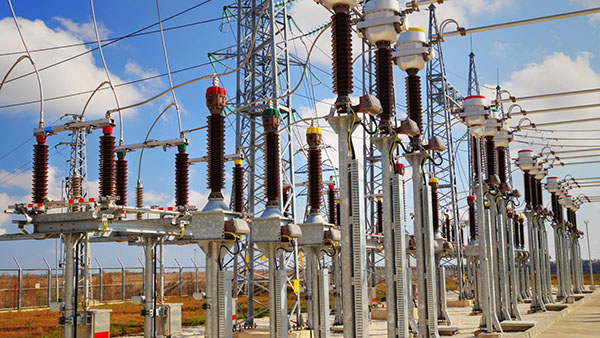
Circuit breakers are critical components in the electrical power industry, responsible for protecting equipment and preventing dangerous electrical faults. However, like any piece of electrical equipment, breakers are subject to wear, aging, and degradation. One of the most effective ways to uncover hidden problems in circuit breakers is through power factor testing. This test provides valuable insights into the health of the insulation and components, helping to identify issues before they lead to failures.
In my 35 years of experience in electrical testing, I’ve seen how effective power factor testing is in detecting hidden breaker issues. In this article, I’ll guide you through how power factor testing can help you find these hidden problems, saving time, money, and ensuring the safety of your electrical systems.
The Role of Circuit Breakers in Power Systems
Why Circuit Breaker Health is Critical
Circuit breakers are designed to protect electrical systems by interrupting current flow in the event of an overload or short circuit. Their reliability is crucial to the stability of the entire electrical network. If a breaker fails to operate as intended, it could result in catastrophic equipment damage or system-wide outages.
Common Breaker Issues
Some of the most common issues with circuit breakers include:
- Insulation degradation
- Moisture ingress
- Mechanical wear
- Loose connections
These problems can go unnoticed until a major failure occurs, but power factor testing allows you to detect early signs of trouble, particularly with insulation deterioration, which is a key indicator of breaker health.
What is Power Factor Testing?
How Power Factor Testing Works
Power factor testing measures the condition of insulation in electrical equipment by assessing how much energy is lost as heat. The test compares the resistive (loss) current to the capacitive (stored energy) current. A low power factor means the insulation is in good condition, while a high power factor indicates that the insulation is degrading.
Why Power Factor Testing is Important for Circuit Breakers
Circuit breakers, especially high-voltage models, have complex insulation systems that must remain intact to prevent dangerous electrical faults. Power factor testing gives you an accurate assessment of this insulation, allowing you to catch issues like moisture ingress or insulation breakdown long before they cause a failure.
I remember a utility company that was facing breaker reliability issues. After conducting power factor tests, we found that several of their critical breakers had insulation problems due to moisture. Addressing these problems early prevented potential outages during peak demand periods, saving the company both time and money.
Key Breaker Issues Detected by Power Factor Testing
Insulation Degradation
The primary issue uncovered by power factor testing is insulation degradation. Over time, insulation in circuit breakers can break down due to heat, contaminants, or aging, leading to increased energy losses and eventual failure. Power factor testing highlights these issues by showing elevated power factor values.
I’ve seen cases where power factor testing revealed deteriorated insulation that wasn’t visible during a routine visual inspection. In one instance, a high-voltage breaker at a substation showed signs of insulation degradation through power factor testing, even though it passed other routine checks. This early detection allowed the team to replace the insulation before a catastrophic failure occurred.
Moisture Contamination
Moisture is a major enemy of electrical insulation, especially in circuit breakers. Moisture ingress can occur in breakers exposed to outdoor environments or in areas with poor sealing. Even small amounts of moisture can lead to insulation breakdown and increase the risk of electrical faults.
Power factor testing can detect moisture contamination early by showing an increased power factor due to the reduction in insulation resistance. In one memorable project, we discovered moisture in several breakers during power factor testing, despite no visible signs of water ingress. By addressing this early, the client avoided what could have been a costly failure.
Loose Connections
Power factor testing can also help detect loose connections within a circuit breaker. These issues often present as inconsistent or fluctuating power factor readings, which suggest that something is mechanically unstable. Catching loose connections early is vital to maintaining the breaker’s ability to perform reliably during a fault event.
Oil Contamination in Oil-Filled Breakers
For oil-filled breakers, power factor testing can reveal issues related to oil contamination. Over time, oil can break down and become contaminated with moisture, particulates, or carbon from arcing. This contamination reduces the oil’s ability to insulate properly, leading to higher power factor readings.
During a project involving older oil-filled breakers, we used power factor testing to detect contamination that wasn’t apparent from visual inspection or routine oil sampling. By performing early maintenance, the utility avoided a costly failure during a critical operating period.
How to Perform Power Factor Testing on Circuit Breakers
Preparing the Breaker for Testing
The first step in conducting power factor testing is to ensure that the breaker is safely de-energized, isolated, and grounded. Depending on the type of breaker (air-insulated, gas-insulated, or oil-filled), different preparation steps may be required to expose the critical components for testing.
Testing Process
- Apply Voltage: Using a power factor test set, voltage is applied across the insulation system of the circuit breaker. The tester measures the leakage current that passes through the insulation.
- Calculate Power Factor: The tester then calculates the power factor by comparing the resistive and capacitive currents. The results are displayed as a percentage or decimal value.
Analyzing the Results
After testing, the key is to analyze the power factor values and look for any signs of elevated readings, which would indicate insulation degradation or other issues. Compare the results against baseline values, if available, or use industry-standard thresholds to assess whether the breaker is operating within acceptable limits.
Interpreting Power Factor Results for Circuit Breakers
What to Look For
- Low Power Factor (< 0.5%): This indicates that the insulation is in good condition and there are no significant issues with the breaker.
- Moderate Power Factor (0.5% – 1%): This suggests that some insulation degradation may be occurring, and the breaker should be monitored closely or retested soon.
- High Power Factor (> 1%): This is a red flag that insulation failure may be imminent. Immediate maintenance or replacement of components should be considered.
Comparing Results Over Time
Power factor testing is most effective when used as part of a long-term maintenance strategy. By comparing test results over multiple years, you can track trends and identify problems before they become critical. A gradual increase in power factor values usually indicates progressive insulation deterioration.
In one case, we monitored the power factor readings of a set of breakers over five years. The results showed a steady increase, and by year four, we recommended insulation replacement. This early action prevented a major failure during peak operating season.
Benefits of Power Factor Testing for Circuit Breakers
Preventing Catastrophic Failures
The most significant benefit of power factor testing is its ability to detect insulation problems before they lead to catastrophic failures. By catching these issues early, you can schedule maintenance and avoid unexpected outages, equipment damage, and costly repairs.
Extending Breaker Life
Power factor testing helps extend the operational life of your circuit breakers by identifying problems early and allowing for preventive maintenance. This not only reduces the risk of failures but also saves money in the long run by delaying expensive replacements.
Improved System Reliability
With early detection of breaker issues through power factor testing, you can ensure greater system reliability. Healthy circuit breakers are essential for protecting your equipment and maintaining the stability of the electrical network.
Power factor testing is a powerful tool for identifying hidden issues in circuit breakers. By detecting insulation degradation, moisture contamination, and other problems early, this test allows you to take preventive measures that keep your equipment running smoothly and your power system reliable. As an electrical testing professional, I’ve seen the dramatic difference power factor testing can make in preventing failures and extending the life of breakers.
Whether you’re working with high-voltage breakers in a substation or smaller breakers in an industrial setting, don’t overlook the value of regular power factor testing. It’s a small investment that can save you from big headaches down the road!

 Portuguese
  English
  German
  Spanish
  French
  Vietnamese
  Afrikaans
  Amharic
  Arabic
  Aragonese
  Moroccan Arabic
  Assamese
  Azerbaijani
  South Azerbaijani
  Belarusian
  Bulgarian
  Bengali
  Tibetan
  Bosnian
  Catalan
  Czech
Czech  Danish
  Welsh
Welsh  Lower Sorbian
  Dzongkha
  Greek
Greek  Esperanto
  Estonian
  Basque
  Finnish
  Indonesian
  Italian
  Malayalam
  Latvian
  Panjabi
  Romanian
  Slovenian
  Russian