
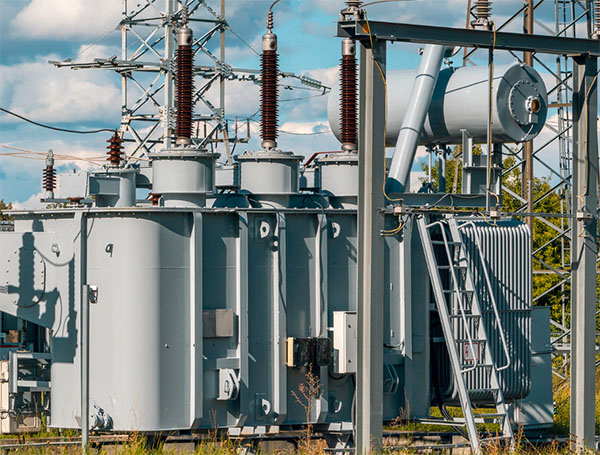
Transformer Winding Resistance Testing (TWRT) is a powerful diagnostic tool used to evaluate the health of transformer windings. It helps detect issues such as winding deformation, loose connections, and insulation degradation, which can lead to transformer failure if not addressed. In this article, I will present several case studies that demonstrate the real-world applications of TWRT, highlighting how it has been used to diagnose problems, prevent failures, and extend transformer life. These examples are based on personal experiences and industry case studies, offering valuable insights into the critical role of TWRT in transformer maintenance.
Case Study 1: Identifying Winding Short Circuits in a Distribution Transformer
Background
A utility company reported a series of unexplained outages in a rural distribution network. One particular transformer, which had been in service for over 15 years, was suspected to be the source of the problem. The transformer’s performance had been slowly declining, but no visual signs of damage were present. The utility decided to perform Transformer Winding Resistance Testing to investigate.
Testing and Diagnosis
The TWRT results revealed a significant increase in resistance in one phase compared to the baseline readings taken when the transformer was first commissioned. The resistance values were uneven across the windings, indicating a potential short circuit within the windings.
Action Taken
Upon disassembling the transformer, the team discovered that a small section of the winding insulation had deteriorated, leading to a short circuit between two turns. This internal short was causing the unexplained outages. The utility replaced the affected winding and reinstalled the transformer, restoring reliable service to the distribution network.
Key Takeaway
This case highlights how TWRT can detect internal winding shorts that are invisible during visual inspections. Early detection prevented further outages and saved the utility the cost of replacing the entire transformer.
Case Study 2: Detecting Loose Connections in a Power Transformer
Background
A large industrial plant experienced intermittent power disruptions, and the maintenance team suspected that one of the facility’s power transformers might be the cause. The transformer had been in service for 10 years and had undergone regular oil and insulation tests, all of which showed no significant issues. The team decided to conduct TWRT to assess the condition of the transformer’s windings.
Testing and Diagnosis
The Transformer Winding Resistance Testing results showed an abnormally high resistance in one phase compared to the other two. The resistance values indicated that there might be a loose or deteriorating connection between the windings and the terminal leads.
Action Taken
The team inspected the transformer and found that the connection between the winding and the terminal was loose due to thermal cycling over the years. The connection was repaired, and the transformer was put back into service with no further disruptions.
Key Takeaway
Loose connections can go unnoticed until they cause major failures, but TWRT can identify them early by detecting small increases in resistance. This proactive approach saved the plant from costly unplanned outages and extensive repairs.
Case Study 3: Diagnosing Transformer Winding Deformation After a Short-Circuit Event
Background
A transformer in a utility substation was exposed to a severe short-circuit event caused by a fault in the network. While the protective relays operated correctly and isolated the fault, the transformer itself was suspected to have sustained mechanical damage due to the extreme forces exerted during the short circuit. As a precaution, the utility performed TWRT to assess the transformer’s internal condition.
Testing and Diagnosis
The TWRT results showed that one phase had a slightly higher resistance than the others. Compared to the baseline readings from when the transformer was new, this phase’s resistance had increased by 15%. The uneven resistance values suggested that the winding in that phase had experienced some mechanical deformation during the short-circuit event.
Action Taken
After confirming the winding deformation with TWRT, the utility decided to remove the transformer from service for further inspection. Upon disassembly, they found that the winding had indeed shifted slightly, compromising the integrity of the insulation. The winding was repaired, and the transformer was reinstalled.
Key Takeaway
Short-circuit events can cause severe mechanical stress on transformer windings, leading to deformation that can be difficult to detect without TWRT. In this case, early detection of the issue prevented a potential catastrophic failure in the future.
Case Study 4: Monitoring Transformer Aging in a Wind Farm
Background
A wind farm had been operating for over a decade, and the transformers responsible for stepping up the voltage from the turbines were nearing the end of their expected lifespan. The maintenance team wanted to monitor the condition of these aging transformers to avoid unplanned outages. TWRT was incorporated into the routine maintenance plan to track the health of the windings.
Testing and Diagnosis
The results from several rounds of TWRT over a five-year period showed a gradual increase in winding resistance across all phases of one transformer. Although the increase was slow, it indicated that the insulation around the windings was deteriorating due to thermal stress and aging.
Action Taken
Based on the trend in the resistance data, the wind farm operator scheduled a controlled replacement of the aging transformer during a low-demand period. This proactive approach allowed the wind farm to maintain uninterrupted service and avoid the high costs of emergency repairs or unplanned downtime.
Key Takeaway
TWRT is an effective tool for monitoring the gradual effects of aging on transformers. By tracking winding resistance over time, operators can plan maintenance and replacements, reducing the risk of unexpected failures in critical infrastructure.
Case Study 5: Preventing Transformer Failure in a Solar Power Plant
Background
A solar power plant was experiencing reduced efficiency in one of its transformers. Although the transformer was still operational, the output was lower than expected, which prompted the maintenance team to investigate. TWRT was performed as part of a comprehensive diagnostic approach.
Testing and Diagnosis
The TWRT results revealed that the winding resistance in one of the transformer phases had increased significantly compared to previous tests. This pointed to the possibility of insulation degradation or a loose connection inside the transformer.
Action Taken
Upon inspecting the transformer, the team found that the insulation in one of the windings had deteriorated due to the high levels of UV exposure and temperature variations typical of solar installations. The affected winding was replaced, and the transformer was restored to full capacity.
Key Takeaway
Environmental factors can accelerate the aging process in transformers, particularly in renewable energy installations like solar power plants. TWRT is a valuable tool for identifying these issues before they cause operational disruptions.
These case studies demonstrate the critical role of Transformer Winding Resistance Testing in diagnosing and preventing transformer failures in a variety of applications. Whether identifying internal winding shorts, loose connections, mechanical deformation, or insulation degradation, TWRT provides a reliable and non-invasive method for assessing transformer health. By incorporating TWRT into routine maintenance programs, utilities and industrial facilities can detect problems early, plan maintenance more effectively, and extend the life of their transformers.
As these real-world examples show, early detection through TWRT not only saves money on repairs and replacements but also minimizes unplanned outages, ensuring the reliable operation of critical electrical infrastructure.

 Romanian
  English
  German
  Spanish
  French
  Portuguese
  Vietnamese
  Afrikaans
  Amharic
  Arabic
  Aragonese
  Moroccan Arabic
  Assamese
  Azerbaijani
  South Azerbaijani
  Belarusian
  Bulgarian
  Bengali
  Tibetan
  Bosnian
  Catalan
  Czech
Czech  Danish
  Welsh
Welsh  Lower Sorbian
  Dzongkha
  Greek
Greek  Esperanto
  Estonian
  Basque
  Finnish
  Indonesian
  Italian
  Malayalam
  Latvian
  Panjabi
  Slovenian
  Russian