
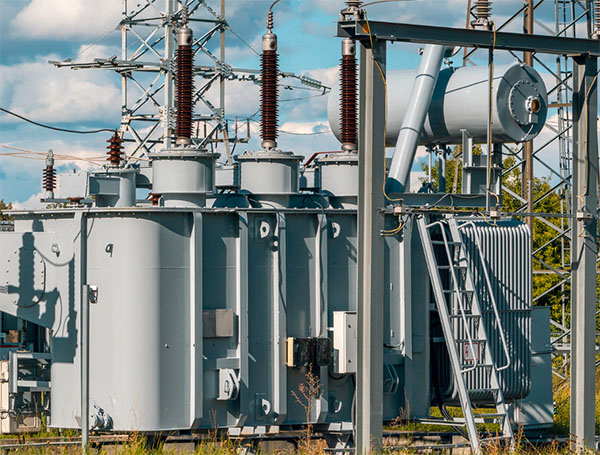
Transformers are vital to the reliability of power systems, but they are also subject to gradual degradation over time, especially within their insulation systems. A silent and often overlooked threat to transformer health is insulation capacitance changes, which can signal serious issues like moisture ingress, insulation aging, or contamination. Left unchecked, these issues can lead to transformer failures, unplanned outages, and expensive repairs.
One of the most effective ways to detect these hidden dangers early is through capacitance testing. This diagnostic tool helps identify insulation problems that may not be visible through routine inspections or other standard tests. In this article, we’ll explore how capacitance testing works, what it reveals about your transformer’s insulation health, and how it can save you thousands in costly repairs by catching problems before they escalate.
Why Capacitance Testing Is Essential for Transformer Health
The primary function of transformer insulation is to maintain electrical separation between windings and core components while allowing efficient voltage transformation. Over time, factors such as moisture, contamination, and insulation aging can degrade the dielectric properties of the insulation, increasing the risk of failures.
Capacitance testing measures the ability of the insulation system to store electrical energy. By comparing capacitance readings over time, you can identify changes in the insulation that signal potential problems. If insulation degradation goes unnoticed, it can lead to:
- Partial discharges
- Electrical arcing
- Increased power losses
- Transformer failure
Regular capacitance testing provides early warnings of insulation problems, allowing you to perform timely maintenance and avoid expensive downtime or transformer replacement.
How Capacitance Testing Works
Capacitance is a measure of how much electric charge an insulation system can store when subjected to an applied voltage. The capacitance test involves applying a low-frequency AC voltage to the transformer insulation system (typically the windings or bushings) and measuring the resulting capacitance value.
What Capacitance Tells Us About Insulation
- Higher capacitance values can indicate increased moisture content or contamination, both of which reduce the dielectric strength of the insulation.
- Lower capacitance values may suggest insulation aging or damage, such as cracking or thermal degradation, reducing the insulation’s ability to store energy.
- Stable capacitance values over time are an indication that the insulation is healthy and functioning properly.
What Capacitance Testing Can Detect
Capacitance testing can reveal a variety of insulation-related issues that might otherwise go unnoticed during routine inspections. Here are some of the key problems that this test can detect:
1. Moisture Ingress
Moisture is one of the most common causes of insulation failure in transformers. Even small amounts of water can significantly reduce the dielectric strength of the insulation, leading to partial discharges or electrical faults.
- How Capacitance Testing Helps: Increased capacitance values often indicate that the insulation has absorbed moisture, as water increases the insulation’s dielectric constant.
- Why It’s Critical: Moisture in the insulation increases the risk of electrical breakdown and transformer failure.
Practical Tip: If capacitance testing reveals elevated capacitance levels, consider performing a Dissolved Gas Analysis (DGA) and moisture content test on the insulating oil to further investigate the issue.
2. Insulation Aging
Over time, insulation materials naturally degrade due to thermal cycling, electrical stress, and exposure to environmental factors. As insulation ages, it loses its ability to maintain its dielectric properties, which can result in higher electrical losses and reduced efficiency.
- How Capacitance Testing Helps: Decreased capacitance values can signal that the insulation is becoming brittle or losing its ability to store charge, indicating aging or thermal stress.
- Why It’s Critical: Aging insulation is more likely to experience breakdowns under electrical stress, leading to costly repairs or unplanned outages.
Practical Tip: If capacitance values decrease significantly, consider power factor testing to assess the overall condition of the insulation system.
3. Contamination
Particles, sludge, or other contaminants in the insulation (whether solid or oil) can affect its dielectric properties, leading to increased power losses, overheating, or even short circuits.
- How Capacitance Testing Helps: Higher capacitance values may indicate the presence of contaminants in the insulation system, as contaminants can alter the insulation’s dielectric constant.
- Why It’s Critical: Contaminated insulation leads to higher losses and a greater likelihood of insulation failure.
Practical Tip: If capacitance testing points to contamination, conduct oil analysis and filtration to remove contaminants and restore the insulation’s dielectric strength.
4. Insulation Defects
Manufacturing defects, physical damage, or improper installation can result in localized insulation defects that compromise transformer performance. These defects can cause the capacitance to deviate from expected values.
- How Capacitance Testing Helps: Capacitance testing can identify insulation defects that may be invisible to the naked eye, such as cracks, air pockets, or uneven insulation thickness.
- Why It’s Critical: Detecting insulation defects early prevents localized electrical faults from developing into major failures.
Practical Tip: Use capacitance testing during transformer commissioning and post-repair to ensure that insulation has been properly installed and is defect-free.
5. Bushing Deterioration
Transformer bushings provide electrical insulation for high-voltage conductors passing through grounded transformer enclosures. Over time, the insulation in bushings can deteriorate due to moisture or thermal stress, reducing their performance and increasing the risk of failure.
- How Capacitance Testing Helps: Increased capacitance in bushings indicates that the insulation has degraded, potentially leading to electrical faults or short circuits.
- Why It’s Critical: Bushing failures are a common cause of transformer breakdowns and can lead to significant outages or even explosions.
Practical Tip: Perform bushing capacitance testing as part of regular maintenance, especially if the transformer operates in humid or high-temperature environments.
How Capacitance Testing Can Save You Thousands
By catching insulation problems early, capacitance testing can prevent minor issues from escalating into major transformer failures. Here’s how it can save you significant costs in repairs and downtime:
1. Preventing Costly Transformer Failures
Without regular testing, insulation degradation can go unnoticed until a major fault occurs. Transformer failures can lead to expensive repairs, extended downtime, and potential damage to surrounding equipment. Capacitance testing provides early warning signs, allowing you to address insulation issues before they result in failure.
- Cost Savings: Avoiding a full transformer replacement can save tens of thousands of dollars, especially for high-voltage equipment.
2. Reducing Unplanned Downtime
A transformer failure can cause unplanned outages, disrupting power supply and impacting business operations. Regular capacitance testing allows you to plan maintenance ahead of time, minimizing downtime and ensuring a reliable power supply.
- Cost Savings: Reducing downtime helps avoid lost revenue, especially in industrial settings where power outages can halt production.
3. Extending Transformer Lifespan
By regularly monitoring insulation health, you can extend the operational life of your transformer. Timely repairs and preventive maintenance based on capacitance test results help avoid unnecessary wear and tear, prolonging the transformer’s lifespan.
- Cost Savings: Prolonging the life of your transformer delays the need for expensive replacements, providing long-term cost savings.
4. Improving Energy Efficiency
Degraded insulation increases electrical losses, which can reduce transformer efficiency and drive up energy costs. Capacitance testing ensures that your transformer is operating efficiently by maintaining optimal insulation performance.
- Cost Savings: Improving energy efficiency through regular testing helps reduce operational costs, especially in high-demand power systems.
Best Practices for Capacitance Testing
To ensure the accuracy and effectiveness of capacitance testing, follow these best practices:
- Establish baseline readings: Conduct capacitance testing when the transformer is first installed or after major repairs to establish baseline values for future comparison.
- Test regularly: Schedule capacitance testing as part of your routine maintenance program, especially for older transformers or those operating in harsh conditions.
- Compare with historical data: By comparing current capacitance readings with historical data, you can track trends in insulation degradation and take timely action.
- Combine with other tests: Capacitance testing is most effective when used alongside other tests, such as Tan Delta testing, Dissolved Gas Analysis (DGA), and power factor testing, to provide a comprehensive assessment of transformer health.
Capacitance testing is a powerful tool that can save you thousands by preventing transformer failures, reducing downtime, and extending equipment lifespan. By detecting insulation problems early—whether it’s moisture ingress, contamination, or aging—capacitance testing gives you the insights needed to take corrective action before these issues escalate.
Incorporate capacitance testing into your regular transformer maintenance schedule to ensure reliable performance, improve energy efficiency, and avoid costly repairs. Don’t let hidden insulation problems become a transformer killer—take control with capacitance testing today!
Need help with transformer capacitance testing? Contact us now to schedule an assessment and protect your transformers from hidden dangers!

 Romanian
  English
  German
  Spanish
  French
  Portuguese
  Vietnamese
  Afrikaans
  Amharic
  Arabic
  Aragonese
  Moroccan Arabic
  Assamese
  Azerbaijani
  South Azerbaijani
  Belarusian
  Bulgarian
  Bengali
  Tibetan
  Bosnian
  Catalan
  Czech
Czech  Danish
  Welsh
Welsh  Lower Sorbian
  Dzongkha
  Greek
Greek  Esperanto
  Estonian
  Basque
  Finnish
  Indonesian
  Italian
  Malayalam
  Latvian
  Panjabi
  Slovenian
  Russian