
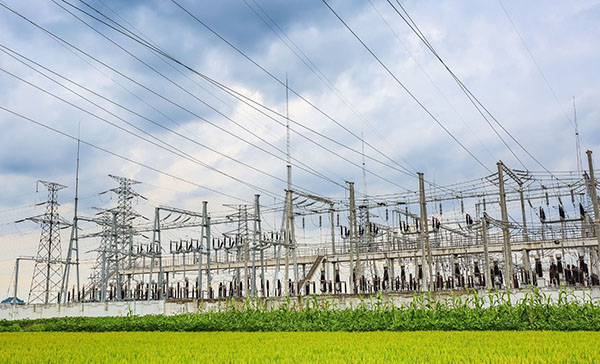
Tan Delta testing is a critical diagnostic tool in the electrical power industry, providing invaluable insights into the health and efficiency of insulation systems in electrical equipment. This article will explore the “shocking” issues that Tan Delta testing can uncover, offering a detailed and practical guide to help electric power industry professionals leverage this tool for predictive maintenance and enhanced equipment reliability.
By the end of this article, you’ll have a clear understanding of how Tan Delta testing works, the specific issues it can reveal, and how these issues impact the performance and longevity of your equipment. I will also share personal experiences and insights from years of working in the field to make this article as practical and relevant as possible.
Introduction: What is Tan Delta Testing and Why Should You Care?
The Basics of Tan Delta Testing
Tan Delta testing measures the dielectric loss factor of insulation in electrical equipment, such as transformers, motors, cables, and other high-voltage systems. This value is a key indicator of insulation health, and changes in the Tan Delta value can reveal issues like insulation degradation or moisture ingress.
- What Does Tan Delta Measure?: Tan Delta testing essentially measures the phase angle between the applied voltage and the current flowing through the insulation. A higher Tan Delta value indicates higher losses in the insulation, which is a sign of potential failure.
- Why It’s Important: Insulation failures are one of the leading causes of unplanned outages and equipment failure. Tan Delta testing is a non-invasive, efficient way to predict when insulation might be failing before it results in a catastrophic breakdown.
1. Moisture Ingress and Its Impact on Insulation Health
How Tan Delta Can Detect Moisture Issues
One of the most common causes of insulation failure is moisture. When moisture infiltrates the insulation material, it reduces its insulating properties, leading to a higher Tan Delta value. Tan Delta testing can detect these moisture-related problems before they cause severe damage.
- Moisture and Dielectric Properties: Moisture lowers the dielectric strength of the insulation, making it less effective at resisting electrical stress. This can lead to short circuits or even catastrophic failures.
- Real-Life Example: I once encountered a case in which Tan Delta testing revealed an unusually high loss factor in a transformer, signaling moisture in the windings. The transformer was disassembled, and moisture was found in the insulation, saving the company from an impending failure.
The Risks of Ignoring Moisture-Related Tan Delta Changes
- Reduced Equipment Lifespan: If not detected early, moisture damage can reduce the lifespan of your equipment significantly.
- Catastrophic Failure: Moisture-related degradation of insulation can lead to short circuits or electrical fires. Early detection through Tan Delta testing is crucial to prevent such incidents.
2. Insulation Degradation and Wear
Tan Delta as a Diagnostic Tool for Insulation Degradation
Over time, electrical insulation can deteriorate due to factors like thermal stress, electrical overload, or simply age. Tan Delta testing helps identify the early stages of this degradation by highlighting changes in the dielectric properties of the insulation material.
- Aging of Insulation: As insulation ages, it becomes more susceptible to wear, which can be detected as an increase in Tan Delta value.
- Predicting Failures: With regular Tan Delta testing, you can monitor the rate of insulation degradation and predict when a replacement or repair may be necessary.
Personal Anecdote: I once had a situation where Tan Delta readings on a set of underground cables began to rise steadily over several months. The increase was subtle at first, but after a few more tests, it became clear that the insulation was aging prematurely. Replacing the cables early prevented a major failure and avoided downtime.
Types of Insulation Materials and Their Behavior Under Tan Delta Testing
Different types of insulation materials react differently under electrical stress, and Tan Delta testing can help identify when these materials are losing their effectiveness.
- Polymer Insulation: More susceptible to thermal stress and aging.
- Oil-Filled Insulation: Tan Delta testing can identify issues related to contamination or degradation of the oil.
- Paper-Insulated Cables: Tan Delta can identify early signs of damage from moisture or heat.
3. Electrical Stress and Overloading
How Electrical Stress Affects Insulation Performance
Excessive electrical stress caused by overloading or operating equipment beyond its rated capacity can lead to accelerated insulation degradation. Tan Delta testing is a vital tool for detecting these stress-related issues early on.
- Overloading: Overloading leads to higher current through the insulation, generating heat and increasing the Tan Delta value. This can result in insulation breakdown if the stress is prolonged.
- Voltage Spikes: Tan Delta can also detect problems caused by voltage spikes, which can stress insulation and lead to higher dielectric losses.
Personal Anecdote: On one occasion, a motor in a power plant started exhibiting unusually high Tan Delta values after repeated overloading due to a control system malfunction. Tan Delta testing flagged the issue before the motor’s insulation was severely damaged, allowing us to correct the overload situation before any permanent damage occurred.
Detecting Overload Risks with Tan Delta
- Regular Testing: Routine Tan Delta testing can reveal gradual increases in dielectric losses due to electrical stress, giving operators time to address the issue before it results in a failure.
- Preventing System Failures: By identifying areas of overloading early, Tan Delta testing can help prevent widespread system failures.
4. Detecting Contamination or Chemical Degradation in Insulation
The Role of Tan Delta in Identifying Chemical Contamination
Contamination of insulation due to chemicals or other external factors can also be detected through Tan Delta testing. Chemical degradation alters the insulating properties of the material, which can lead to increased Tan Delta values.
- Common Contaminants: Contaminants like acids, dust, or even pollutants can degrade insulation. Tan Delta testing can help pinpoint these issues before they cause damage.
- Importance of Early Detection: Once chemical degradation is detected, it’s crucial to address the source of contamination to avoid further damage and premature equipment failure.
5. Improving Preventive Maintenance with Tan Delta Testing
Integrating Tan Delta Testing into Predictive Maintenance Strategies
Tan Delta testing is an essential component of any predictive maintenance strategy. By incorporating it into regular maintenance routines, operators can detect potential issues long before they result in equipment failure.
- Establishing Baselines: Regular testing helps establish baseline Tan Delta values, which can then be used to detect any deviations indicating potential problems.
- Tracking Trends: By monitoring Tan Delta values over time, you can identify trends that suggest slow degradation or imminent failure, allowing for proactive maintenance.
Benefits of Regular Tan Delta Testing
- Reduced Downtime: Early detection of insulation issues reduces the likelihood of unplanned outages.
- Extended Equipment Life: Regular monitoring helps extend the life of expensive electrical assets by addressing issues before they escalate.
- Cost Savings: By preventing major failures, Tan Delta testing can save organizations significant amounts in repair or replacement costs.
Conclusion: The Value of Tan Delta Testing in Preventing Expensive Failures
Tan Delta testing is a powerful diagnostic tool that reveals hidden problems within electrical insulation systems. From moisture ingress to insulation degradation and electrical stress, Tan Delta testing can detect issues before they lead to catastrophic failures, reducing downtime and maintenance costs.
By incorporating Tan Delta testing into your routine maintenance strategy, you can ensure that your equipment runs efficiently, extend its lifespan, and protect your operations from unexpected failures. Regular testing not only saves money in the long run but also enhances the safety and reliability of electrical systems, making it an invaluable tool for every electrical power industry worker.

 Romanian
  English
  German
  Spanish
  French
  Portuguese
  Vietnamese
  Afrikaans
  Amharic
  Arabic
  Aragonese
  Moroccan Arabic
  Assamese
  Azerbaijani
  South Azerbaijani
  Belarusian
  Bulgarian
  Bengali
  Tibetan
  Bosnian
  Catalan
  Czech
Czech  Danish
  Welsh
Welsh  Lower Sorbian
  Dzongkha
  Greek
Greek  Esperanto
  Estonian
  Basque
  Finnish
  Indonesian
  Italian
  Malayalam
  Latvian
  Panjabi
  Slovenian
  Russian