
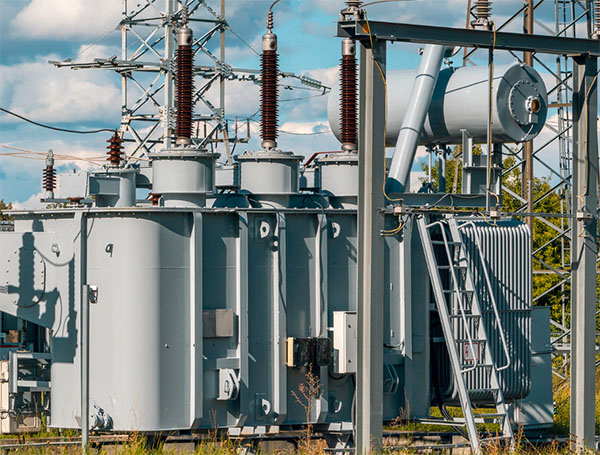
As an electrical testing expert, one of the key concepts I deal with regularly is the insulation rating of a transformer. The insulation rating is a critical specification that determines the voltage level at which the transformer’s insulation system can effectively operate without breaking down. For electrical engineers and technicians in the electric power industry, understanding insulation ratings is vital to ensure transformer reliability, efficiency, and safety.
In this article, we will explore what the insulation rating of a transformer is, why it matters, and how it influences transformer design, operation, and maintenance. We will also discuss the factors affecting insulation performance and provide practical insights based on my experience in the field.
What is the Insulation Rating of a Transformer?
Definition of Insulation Rating
The insulation rating of a transformer refers to the maximum voltage that the insulation system of the transformer can withstand under normal operating conditions without deteriorating or breaking down. This rating is typically expressed in terms of the transformer’s rated voltage and insulation class.
Transformers are designed with specific insulation systems to protect the windings from electrical faults, reduce losses, and ensure safe operation over their intended lifespan. The insulation rating ensures that the transformer can handle voltage stresses, electrical surges, and environmental factors without compromising its integrity.
Types of Insulation Ratings
- Nominal Insulation Level (NIL): This is the standard insulation rating defined by the manufacturer, specifying the maximum voltage level the transformer’s insulation can handle during normal operations. It is a key indicator of the transformer’s ability to withstand transient overvoltages and electrical surges.
- Basic Insulation Level (BIL): The BIL is the voltage level that the insulation can safely withstand during brief overvoltages (such as lightning strikes or switching transients). It is a measure of the transformer’s capability to withstand momentary surges that may exceed the nominal voltage.
- Rated Insulation Level (RIL): The RIL is used to specify the insulation’s capability under continuous operating conditions. It is a more conservative measure of the insulation’s ability to perform reliably over time, accounting for environmental and operational stresses.
- Overvoltage Withstand Capability: This is the ability of the transformer insulation to handle occasional overvoltage situations, often caused by lightning or switching operations in the power grid. The insulation is designed to handle short bursts of overvoltage that are higher than the normal operating voltage but not sustained for long periods.
Insulation Classes
Insulation classes categorize the insulation materials based on their thermal endurance. The class defines the maximum operating temperature of the insulation system, which in turn affects the transformer’s performance and longevity. The main insulation classes for transformers are:
- Class A: 105°C (220°F)
- Class E: 120°C (248°F)
- Class B: 130°C (266°F)
- Class F: 155°C (311°F)
- Class H: 180°C (356°F)
The higher the insulation class, the more durable and heat-resistant the transformer’s insulation system is, which is essential for higher-performance transformers and harsh environments.
Why is Insulation Rating Important for Transformers?
The insulation rating is a fundamental specification for several reasons:
1. Safety and Reliability
A transformer with insufficient insulation will be at risk of failure due to electrical breakdown. If the insulation is rated too low for the operational voltage, it can lead to flashovers, dielectric breakdown, or even catastrophic failure, posing safety risks to personnel and equipment.
In my experience, I once encountered a transformer with an incorrectly rated insulation level in a high-voltage substation, which resulted in severe insulation breakdown during a routine operation, causing a power outage and a long recovery time. The failure was ultimately traced back to an under-rated insulation level that was not suited to the system’s voltage demands.
2. Protection Against Voltage Surges
Transformers are frequently exposed to voltage surges due to transient conditions, such as lightning strikes or switching operations on the power grid. The insulation rating determines how well the transformer can withstand these events. Transformers with higher insulation ratings provide better protection against these temporary overvoltages.
3. Extending Transformer Life
A properly rated insulation system helps extend the life of the transformer. Over time, transformers experience aging of the insulation due to various factors such as temperature fluctuations, moisture, and contamination. A higher insulation rating provides better resilience to these factors, reducing the risk of failure and prolonging the transformer’s useful life.
In one of my past projects, we had to replace a transformer’s insulation after it had been exposed to higher-than-expected voltage surges over several years. The improper insulation rating was identified as a contributing factor in the premature aging of the insulation. This experience reinforced the importance of matching the transformer’s insulation rating to its intended operating environment.
Factors Affecting Insulation Rating
Several factors influence the insulation rating of a transformer, and understanding these factors is essential for proper selection, operation, and maintenance of transformers.
1. Operating Voltage
The most obvious factor is the operating voltage of the transformer. Higher voltage levels require more robust insulation systems to prevent electrical breakdown. The insulation must withstand both continuous operating voltages and transient overvoltages that may occur in the electrical grid.
2. Ambient Temperature
Ambient temperature plays a crucial role in the performance of the insulation. High temperatures can accelerate the degradation of insulation materials. As the temperature increases, the dielectric strength of the insulation decreases, leading to a higher likelihood of breakdown. Transformers installed in hotter climates or in areas with poor ventilation may require higher insulation classes to cope with elevated temperatures.
3. Load Conditions
The load on the transformer affects the heating of the windings. Transformers that are heavily loaded experience higher temperatures, which can degrade the insulation over time. Proper cooling and ventilation systems are necessary to prevent excessive heating that could compromise the insulation rating.
4. Humidity and Contamination
Moisture and contaminants such as dirt, dust, and chemicals can degrade the insulation materials. When selecting insulation ratings, it’s important to consider the environmental conditions where the transformer will be operating. High humidity levels or exposure to chemicals may require additional protective coatings or insulation systems.
5. Overload Conditions
Transformers are often subjected to overload conditions, particularly during peak demand. While transformers are designed to handle short-term overloads, prolonged overloads can lead to increased temperatures and potential breakdown of the insulation. Proper design and insulation rating can mitigate these risks.
6. Transformer Size and Type
Larger transformers, such as power transformers, typically require higher insulation ratings due to the larger amounts of energy they handle. Similarly, the type of transformer—whether it is a distribution transformer, autotransformer, or step-up/step-down transformer—also determines the insulation requirements.
How to Determine the Insulation Rating of a Transformer
When selecting a transformer, the insulation rating must be specified according to several guidelines. Typically, the manufacturer provides insulation ratings based on the design voltage of the transformer and its insulation class. However, the following steps should be followed to ensure the proper rating:
1. Consult Manufacturer Specifications
Always refer to the manufacturer’s data sheet to determine the nominal insulation level (NIL) and basic insulation level (BIL). The BIL is typically provided in kV and is an important factor for ensuring the transformer can withstand temporary overvoltages.
2. Understand Operational Conditions
Ensure that the transformer is rated for the intended environmental conditions. Factors such as ambient temperature, humidity, and contamination levels should influence the insulation class and rating.
3. Adhere to Standards
Standards such as IEC 60076 (International Standard for Power Transformers) and IEEE C57.12 (Standard for Distribution Transformers) offer guidelines for insulation ratings. Adhering to these standards ensures that your transformer meets industry best practices and performs reliably under various conditions.
4. Test the Insulation
Once the transformer is in operation, periodic insulation resistance testing is crucial to verify the integrity of the insulation system. Regular testing ensures that the insulation is still performing within its rated limits, and allows for early detection of any potential issues.
Conclusion
Understanding the insulation rating of a transformer is essential for ensuring the safe and reliable operation of transformers in the electric power industry. The insulation rating determines the maximum voltage the transformer’s insulation can handle and plays a crucial role in protecting the transformer from electrical breakdown, ensuring long-term reliability, and preventing failure.
By carefully considering factors such as operating voltage, environmental conditions, and load conditions, and by following proper testing procedures, electrical professionals can ensure that transformers are equipped with the appropriate insulation systems for their intended applications.
From my years of experience, I can tell you that a well-matched insulation rating can save a transformer from premature failure. In one of my projects, we managed to extend the life of a transformer by upgrading its insulation system to one better suited for high voltage transients. Not only did this upgrade prevent costly breakdowns, but it also helped the transformer operate more efficiently over the long term.
In summary, the insulation rating of a transformer is an integral part of transformer design, operation, and maintenance. It safeguards the transformer against electrical faults and environmental factors, ensuring that it operates safely and efficiently over its lifespan.

 Russian
  English
  German
  Spanish
  French
  Portuguese
  Vietnamese
  Afrikaans
  Amharic
  Arabic
  Aragonese
  Moroccan Arabic
  Assamese
  Azerbaijani
  South Azerbaijani
  Belarusian
  Bulgarian
  Bengali
  Tibetan
  Bosnian
  Catalan
  Czech
Czech  Danish
  Welsh
Welsh  Lower Sorbian
  Dzongkha
  Greek
Greek  Esperanto
  Estonian
  Basque
  Finnish
  Indonesian
  Italian
  Malayalam
  Latvian
  Panjabi
  Romanian
  Slovenian