
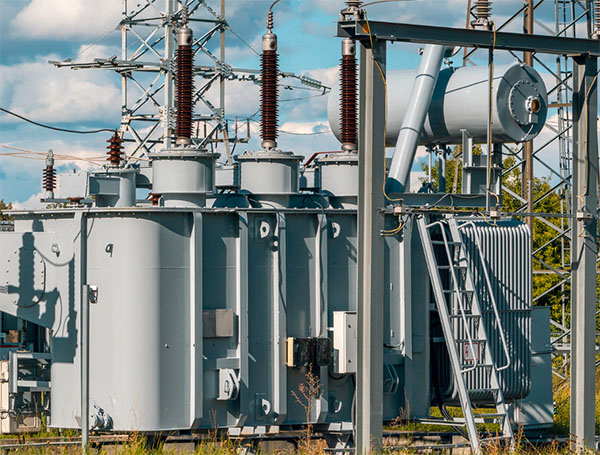
Grounding is one of the most crucial aspects of ensuring the safety and reliability of electrical systems, especially transformers. A poor grounding system can lead to equipment failures, safety hazards, and significant downtime. As electrical systems evolve, understanding and addressing grounding issues becomes more critical. In this article, we’ll explore common grounding issues in transformers and provide practical solutions on how to fix them.
As a professional electrical testing expert, I’ve encountered many grounding issues throughout my career. One key takeaway is that many grounding problems are preventable or can be quickly addressed with the right knowledge and tools. Whether you’re a seasoned technician or just getting started, this guide will help you diagnose, troubleshoot, and resolve common grounding issues effectively.
Table of Contents
- Why Grounding Is Essential for Transformer Safety
- Common Grounding Issues and Their Causes
- 2.1 Loose Grounding Connections
- 2.2 High Grounding Resistance
- 2.3 Corrosion and Deterioration of Grounding Components
- 2.4 Improper Grounding Electrode Placement
- How to Fix Grounding Issues
- 3.1 Tightening and Securing Grounding Connections
- 3.2 Reducing Ground Resistance
- 3.3 Addressing Corrosion Problems
- 3.4 Correcting Electrode Placement
- Tools Needed for Troubleshooting and Fixing Grounding Problems
- Training and Preventive Maintenance Tips
- Case Study: Resolving a Grounding Failure
- Future Trends in Grounding Technology
- Conclusion
Why Grounding Is Essential for Transformer Safety
Before diving into how to fix grounding issues, it’s important to understand why grounding is so critical in transformer systems. Proper grounding ensures that electrical faults are safely directed to the earth, preventing hazardous situations like electrical shocks, fire, or equipment damage.
A transformer with improper grounding can cause the following problems:
- Equipment Damage: Faults caused by improper grounding can lead to overheating, breakdowns, or permanent failure of transformer components.
- Personnel Safety Hazards: Without adequate grounding, electrical shock risks increase, which can lead to injuries or fatalities.
- System Instability: Poor grounding can lead to electrical instability, causing erratic performance and possibly cascading failures throughout the grid.
Personal Anecdote
I recall a situation during a routine inspection of a large transformer where I discovered that the grounding system was improperly configured. A loose connection had resulted in a minor electrical fault that didn’t trip the protection system, but it caused a lot of stress on the transformer. The failure to properly address the grounding issue could have led to a catastrophic failure. After securing the connection, the transformer ran smoothly, and we avoided a potentially expensive outage.
Common Grounding Issues and Their Causes
Despite best practices, various issues can affect a transformer’s grounding system. Here are some common problems and their underlying causes:
2.1 Loose Grounding Connections
One of the most common grounding issues is loose or inadequate grounding connections. Over time, connections can loosen due to vibration, thermal cycling, or physical stress.
Causes:
- Physical stress or vibration on the grounding cable.
- Insufficient torque during installation.
- Use of low-quality connectors or fasteners.
2.2 High Grounding Resistance
Another common problem is high grounding resistance, which can prevent fault currents from flowing efficiently to the earth. If the resistance is too high, the fault current cannot be safely dissipated, which can damage the transformer and increase the risk of electrical shock.
Causes:
- Poor soil conditions (high resistivity).
- Insufficient surface area or depth of grounding electrodes.
- Corrosion of grounding electrodes or conductors.
2.3 Corrosion and Deterioration of Grounding Components
Corrosion is a silent yet significant issue in transformer grounding systems. Over time, environmental factors like moisture, air, and chemicals can deteriorate the grounding connections, increasing resistance and weakening the overall system.
Causes:
- Exposure to harsh environmental conditions (humidity, salt, chemicals).
- Poor quality materials (e.g., copper that’s prone to oxidation).
2.4 Improper Grounding Electrode Placement
If the grounding electrodes are improperly installed, they may not provide an adequate path for fault currents to reach the earth. Proper electrode placement is essential to minimize resistance and ensure safe dissipation of electrical energy.
Causes:
- Electrode placement too shallow or not deep enough.
- Incorrect distance between electrodes.
- Electrode placement in areas with high soil resistance.
How to Fix Grounding Issues
Now that we’ve identified some of the most common grounding issues, let’s look at how to fix them.
3.1 Tightening and Securing Grounding Connections
If you discover loose connections, it’s essential to tighten them immediately to prevent further issues. Here’s how:
- Step 1: Turn off power to the transformer and implement lockout/tagout (LOTO) procedures.
- Step 2: Inspect all grounding connections for looseness.
- Step 3: Use a torque wrench to tighten all connections to the manufacturer’s recommended torque values.
- Step 4: Recheck connections to ensure they are secure.
3.2 Reducing Ground Resistance
To reduce high grounding resistance, try the following solutions:
- Step 1: Measure the grounding resistance using a ground resistance tester. A resistance of under 1 ohm is generally ideal.
- Step 2: If the resistance is too high, consider adding more electrodes or reconfiguring the existing electrodes.
- Step 3: In areas with poor soil conductivity, use chemical grounding rods or improve the soil’s conductivity by adding chemicals like bentonite to enhance the earth’s capacity to conduct electrical energy.
3.3 Addressing Corrosion Problems
Corrosion can be mitigated by following these steps:
- Step 1: Inspect all grounding components for signs of corrosion or degradation.
- Step 2: Clean corroded parts using a wire brush and appropriate cleaning solutions.
- Step 3: Use anti-corrosion coatings or galvanized connectors to prevent future corrosion. You may also want to use copper-clad steel for better corrosion resistance.
- Step 4: Ensure grounding connections are kept dry and clear of debris.
3.4 Correcting Electrode Placement
If your electrodes are improperly placed, it’s important to correct the installation to ensure they are effective. Follow these steps:
- Step 1: Reinstall electrodes to the required depth and spacing according to industry standards.
- Step 2: If necessary, re-situate electrodes in areas with better soil conductivity to lower resistance.
- Step 3: Use the proper number of electrodes as specified for your transformer’s size and location.
Tools Needed for Troubleshooting and Fixing Grounding Problems
Having the right tools on hand will make troubleshooting and fixing grounding issues much easier. Here’s a list of essential tools:
- Ground Resistance Tester: Measures the resistance of the grounding system.
- Clamp-on Ground Resistance Meter: Allows for testing without disconnecting the grounding system.
- Torque Wrench: Ensures that all connections are tightened to the proper specifications.
- Continuity Tester: Verifies that the grounding connections are continuous and free from breaks.
- Wire Brush: For cleaning corroded grounding connections.
- Anti-Corrosion Coatings: Used to prevent future corrosion on grounding components.
Training and Preventive Maintenance Tips
A grounding system that is regularly maintained and checked is far less likely to experience issues. Here are some important training and maintenance tips:
- Train staff on proper grounding techniques, safety protocols, and inspection procedures.
- Perform periodic ground resistance testing to ensure the grounding system is operating within acceptable limits.
- Inspect grounding connections during routine transformer maintenance to identify any issues early.
- Ensure proper documentation of grounding system configurations, maintenance schedules, and test results for easy reference during inspections.
Case Study: Resolving a Grounding Failure
At a large industrial facility, a transformer’s grounding system failed, causing intermittent shutdowns and safety alarms. A team was dispatched to diagnose the issue. Upon inspection, we found the grounding connections were loose, and the ground resistance was too high due to corrosion at the electrodes.
Resolution: We tightened all connections, replaced the corroded electrodes, and added additional grounding rods to lower the resistance. After performing ground resistance testing, we confirmed that the grounding system was functioning properly. The transformer ran reliably without any further interruptions.
Future Trends in Grounding Technology
With ongoing advancements in electrical engineering, transformer grounding systems will continue to evolve. Some of the emerging trends include:
- Smart Grounding Systems: IoT-based sensors that continuously monitor grounding system health and provide real-time data on resistance levels, connection integrity, and system performance.
- Advanced Materials: The use of graphene and other high-conductivity materials for grounding systems that provide better performance and longevity.
- Automated Grounding Inspections: Drones and robots equipped with grounding system inspection tools may become more common in large facilities for quick and thorough assessments.
Conclusion
Grounding issues, though common, can be effectively addressed with the right knowledge, tools, and practices. By understanding the causes of grounding problems and knowing how to fix them, you can ensure that transformers and other electrical equipment remain safe and operational. Whether you’re a field technician or an electrical engineer, proper grounding maintenance is essential for protecting equipment, personnel, and the overall reliability of your electrical system.

 Vietnamese
  English
  German
  Spanish
  French
  Portuguese
  Afrikaans
  Amharic
  Arabic
  Aragonese
  Moroccan Arabic
  Assamese
  Azerbaijani
  South Azerbaijani
  Belarusian
  Bulgarian
  Bengali
  Tibetan
  Bosnian
  Catalan
  Czech
Czech  Danish
  Welsh
Welsh  Lower Sorbian
  Dzongkha
  Greek
Greek  Esperanto
  Estonian
  Basque
  Finnish
  Indonesian
  Italian
  Malayalam
  Latvian
  Panjabi
  Romanian
  Slovenian
  Russian