
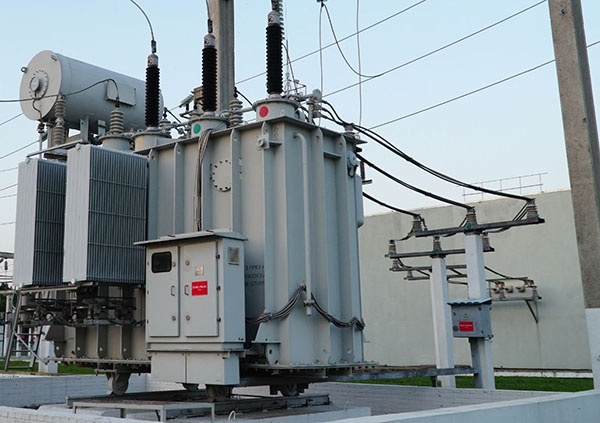
Transformers are the linchpins of the electric power industry, ensuring the efficient transmission and distribution of electricity from generation plants to consumers. A transformer’s cooling system plays a pivotal role in maintaining its optimal performance and longevity by dissipating the heat generated during operation. However, like any critical infrastructure, cooling system components can wear out, become faulty, or fail entirely if not properly maintained. Identifying and replacing these faulty components promptly is essential to prevent overheating, enhance efficiency, and extend the lifespan of transformers. As a professional electrical testing expert with over 25 years of experience, I’ve seen firsthand the significant impact that meticulous maintenance of cooling components can have on transformer reliability. This comprehensive guide provides electric power industry workers with detailed, practical steps to identify and fix faulty transformer cooling components like a pro.
Importance of Identifying and Fixing Faulty Cooling Components
Ensuring Reliability and Efficiency
The cooling system is integral to a transformer’s ability to manage the heat produced by electrical losses. Faulty cooling components can lead to inadequate heat dissipation, causing transformers to operate inefficiently. This not only reduces the transformer’s performance but also increases energy losses, leading to higher operational costs.
Preventing Overheating and Failures
Overheating is a primary cause of transformer failures. Excessive heat accelerates the degradation of insulation materials, increases the risk of electrical shorts, and can ultimately result in catastrophic transformer breakdowns. Regular maintenance and prompt replacement of faulty cooling components are crucial to preventing such failures.
Enhancing Safety
Faulty cooling systems can pose significant safety risks, including the potential for electrical fires and explosions. Ensuring that all cooling components are functioning correctly mitigates these risks, safeguarding both personnel and infrastructure.
Extending Transformer Lifespan
Proactive maintenance of cooling components extends the operational life of transformers. By addressing minor issues before they escalate, technicians can prevent unnecessary wear and tear, maximizing the lifespan and return on investment of transformer assets.
Common Transformer Cooling Components
Understanding the various components of a transformer’s cooling system is essential for effective maintenance. The primary cooling components include:
Cooling Fans
Cooling fans are responsible for circulating air over radiators and other heat-dissipating surfaces, enhancing the cooling efficiency. They can be either mechanical or electrically driven and are critical in maintaining optimal operating temperatures.
Radiators
Radiators dissipate heat from the transformer oil to the surrounding environment. Typically made of aluminum or steel with finned surfaces, radiators increase the surface area for effective heat transfer.
Oil Pumps
Oil pumps circulate transformer oil through the cooling system, ensuring continuous heat dissipation. Proper pump operation is vital for maintaining consistent cooling performance.
Valves and Controls
Valves regulate the flow of coolant within the system, while controls monitor and adjust cooling parameters to maintain desired temperature levels.
Sensors
Temperature and pressure sensors provide real-time data on the cooling system’s performance, enabling technicians to detect and address issues promptly.
Oil Filters
Oil filters remove contaminants and particulates from the transformer oil, maintaining its purity and enhancing cooling efficiency.
Signs of Faulty Cooling Components
Recognizing the signs of malfunctioning cooling components is the first step in addressing potential issues. Common indicators include:
Overheating Transformers
One of the most apparent signs is the transformer operating at higher-than-normal temperatures. Persistent overheating can indicate issues with the cooling system.
Unusual Noises
Grinding, rattling, or squealing noises emanating from the cooling system components suggest mechanical problems, such as worn bearings in fans or pumps.
Reduced Cooling Efficiency
A noticeable decline in cooling performance, such as slower heat dissipation or fluctuating temperatures, points to potential faults in cooling components.
Visible Leaks or Damage
Oil leaks, corrosion, or physical damage to cooling components like radiators and pumps are clear signs of malfunction and require immediate attention.
Error Codes or Alarms
Modern transformers equipped with monitoring systems may display error codes or trigger alarms when cooling system issues are detected.
How to Identify Faulty Cooling Components
Visual Inspections
Regular visual inspections can help identify obvious signs of damage, leaks, or debris accumulation in cooling components. Look for:
- Cracks or Corrosion: Inspect radiators and pumps for structural damage or rust.
- Oil Leaks: Check connections, seals, and hoses for signs of oil leakage.
- Debris Accumulation: Ensure that cooling fans and radiators are free from dust and debris.
Diagnostic Tools
Advanced diagnostic tools enhance the accuracy of identifying faulty components:
- Infrared Thermography Cameras: Detect hot spots and thermal anomalies, indicating overheating or inefficient cooling.
- Vibration Analyzers: Monitor the condition of mechanical components like fans and pumps by analyzing vibration patterns.
- Dissolved Gas Analyzers (DGAs): Assess oil quality by detecting dissolved gases that signal internal faults.
Monitoring System Parameters
Continuous monitoring of temperature, pressure, and flow rates provides real-time insights into the cooling system’s performance. Deviations from normal operating ranges can indicate specific issues.
Step-by-Step Guide to Replacing Faulty Cooling Components
Step 1: Preparation and Safety Measures
Importance:
Safety is paramount when working with high-voltage equipment and hazardous fluids. Proper preparation minimizes the risk of accidents and ensures a smooth maintenance process.
Steps:
- Lockout/Tagout (LOTO):
- Disconnect the transformer from the power source.
- Apply lockout/tagout devices to ensure the transformer cannot be accidentally energized during maintenance.
- Personal Protective Equipment (PPE):
- Wear appropriate PPE, including gloves, safety glasses, and protective clothing to protect against electrical hazards and coolant spills.
- Gather Tools and Supplies:
- Ensure all necessary tools and replacement parts are available before starting the replacement process.
Tools Needed:
- Lockout/tagout kit
- PPE (gloves, safety glasses, protective clothing)
- Screwdrivers and wrenches
- Replacement cooling components (fans, radiators, pumps, etc.)
- Cleaning tools (brushes, cloths)
- Diagnostic tools (infrared cameras, vibration analyzers)
Step 2: Identifying the Faulty Component
Importance:
Accurately identifying the faulty component ensures that the correct part is replaced, preventing recurrent issues and optimizing maintenance efforts.
Steps:
- Review Diagnostic Data:
- Analyze data from diagnostic tools to pinpoint the malfunctioning component. For example, high vibration levels may indicate a faulty pump.
- Conduct Targeted Inspections:
- Perform focused inspections on suspected components to confirm faults. Use infrared thermography to identify overheating parts or visual inspections to detect physical damage.
- Cross-Reference Findings:
- Compare inspection results with historical data and manufacturer specifications to validate the fault.
Step 3: Removing the Faulty Component
Importance:
Proper removal of faulty components prevents further damage and ensures the safe installation of new parts.
Steps:
- Disconnect Electrical Connections:
- Carefully disconnect any electrical connectors attached to the faulty component. Label wires if necessary for easy reconnection.
- Remove Mounting Hardware:
- Use appropriate tools to remove screws, bolts, or clamps securing the component in place.
- Extract the Component:
- Gently remove the faulty component from its mounting position, avoiding damage to surrounding parts.
Troubleshooting Tips:
- Stuck Fasteners: Apply penetrating lubricant to stuck screws or bolts and allow it to sit before attempting removal.
- Fragile Components: Handle delicate parts with care to prevent breakage or further damage.
Step 4: Installing the New Component
Importance:
Correct installation of new components ensures the cooling system functions as intended, maintaining transformer performance and reliability.
Steps:
- Position the New Component:
- Place the replacement component in the designated mounting position, ensuring proper alignment and fit.
- Secure the Component:
- Reattach screws, bolts, or clamps to secure the component firmly in place, avoiding over-tightening which can strip threads or damage parts.
- Reconnect Electrical Connections:
- Reattach any electrical connectors, ensuring secure and corrosion-free connections.
- Verify Installation:
- Double-check that the component is properly installed and secured, with no loose parts or connections.
Best Practices:
- Follow Manufacturer Guidelines: Adhere to installation instructions provided by the component manufacturer to ensure compatibility and optimal performance.
- Use Quality Replacement Parts: Always use high-quality, compatible parts to maintain system integrity and performance.
Step 5: Testing and Verification
Importance:
Testing ensures that the new component operates correctly and that the cooling system functions as intended, preventing future issues.
Steps:
- Power On the Transformer:
- Gradually restore power to the transformer, following proper procedures to avoid electrical surges or shocks.
- Monitor Performance:
- Use diagnostic tools to monitor the performance of the newly installed component. Check for proper operation, correct temperature levels, and absence of unusual noises.
- Conduct Functional Tests:
- Perform specific tests to verify the functionality of the cooling system, such as airflow checks for fans or pressure tests for pumps.
- Adjust Settings if Necessary:
- Fine-tune any control settings to optimize cooling system performance based on test results.
Troubleshooting Tips:
- Component Malfunctions: If the new component does not operate correctly, re-inspect connections, mounting, and functionality. Replace or repair as necessary.
- Performance Issues: Address any discrepancies in performance by consulting manufacturer guidelines or seeking expert assistance.
Step 6: Final Inspection and Documentation
Importance:
Final inspections and thorough documentation provide a complete record of maintenance activities, ensuring transparency and facilitating future maintenance planning.
Steps:
- Conduct a Final Visual Inspection:
- Ensure all components are securely installed and free from visible defects. Check for any signs of leaks or residual debris.
- Monitor Initial Performance:
- Observe the cooling system’s performance over a short period to confirm
- Document the Replacement Process:
- Record details of the faulty component, the replacement part used, the steps taken during the replacement, and any observations or test results. Use standardized maintenance logs or a Computerized Maintenance Management System (CMMS).
- Schedule Follow-Up Inspections:
- Plan subsequent inspections to monitor the performance of the new component and ensure that the cooling system remains in optimal condition.
Best Practices:
- Detailed Records: Maintain comprehensive documentation to track maintenance history and facilitate trend analysis.
- Review and Update Procedures: Regularly review maintenance procedures and update them based on lessons learned and industry advancements.
Best Practices for Replacing Cooling Components
Develop a Comprehensive Maintenance Plan
Establish a structured maintenance plan that includes regular inspections, timely replacements, and preventive measures. A well-defined plan ensures that cooling components are consistently monitored and maintained.
Use High-Quality Replacement Parts
Always use replacement parts that meet or exceed manufacturer specifications. High-quality components ensure reliability, longevity, and optimal performance of the cooling system.
Follow Manufacturer Guidelines
Adhere strictly to the installation and maintenance guidelines provided by the component manufacturer. These guidelines offer critical information on installation procedures, operating conditions, and maintenance requirements.
Implement Preventive Maintenance
Incorporate preventive maintenance strategies, such as regular cleaning, lubrication, and testing, to minimize the risk of component failures. Preventive measures address minor issues before they escalate into major problems.
Train and Certify Technicians
Ensure that all maintenance personnel are adequately trained and certified in transformer cooling system maintenance. Skilled technicians can accurately diagnose issues, perform precise replacements, and adhere to safety protocols.
Troubleshooting During Replacement
Component Not Functioning After Installation
Cause: Improper installation, electrical connection issues, or defective replacement part.
Solution:
- Recheck all electrical connections for secure and corrosion-free contacts.
- Verify that the component is correctly aligned and mounted.
- Test the replacement part independently to ensure it is not defective.
Excessive Noise from New Component
Cause: Imbalance in rotating parts, improper mounting, or debris interference.
Solution:
- Inspect the component for proper alignment and secure mounting.
- Check for any remaining debris that might be causing noise.
- Ensure that all moving parts are free from obstructions and are balanced correctly.
Inconsistent Cooling Performance
Cause: Residual issues in the cooling system, such as partially blocked radiators or faulty sensors.
Solution:
- Conduct a thorough inspection of the entire cooling system to identify any lingering issues.
- Clean radiators and ensure that airflow is unobstructed.
- Test sensors and controls to verify accurate temperature and pressure readings.
Tools Needed for Replacing Cooling Components
Screwdrivers and Wrenches
Essential for removing and securing screws, bolts, and clamps during the removal and installation of cooling components.
Diagnostic Tools
- Infrared Thermography Cameras: Detect thermal anomalies to identify overheating components.
- Vibration Analyzers: Monitor mechanical condition by analyzing vibration patterns.
- Dissolved Gas Analyzers (DGAs): Assess oil quality and detect internal faults.
Replacement Parts
Ensure availability of compatible and high-quality replacement components, such as fans, pumps, radiators, and valves.
Cleaning Tools
Brushes, cloths, and compressed air cans are necessary for cleaning components before reinstallation.
Safety Equipment
PPE (gloves, safety glasses, protective clothing) and lockout/tagout kits are essential for safe maintenance operations.
Benefits of Proficiently Replacing Cooling Components
Enhanced Transformer Performance
Properly functioning cooling components ensure that transformers operate within optimal temperature ranges, maintaining high efficiency and reliability.
Reduced Downtime
Preventing overheating and failures through timely replacement minimizes unplanned outages, ensuring continuous power supply and reducing operational disruptions.
Cost Savings
Avoiding major transformer failures through proactive maintenance and replacements saves significant costs associated with emergency repairs and equipment replacements.
Extended Transformer Lifespan
Regular maintenance and timely replacement of cooling components prolong the operational life of transformers, maximizing the return on investment and reducing the need for frequent replacements.
Improved Safety
Maintaining cooling components reduces the risk of overheating-related accidents, ensuring a safer environment for personnel and infrastructure.
Real-World Case Studies
Case Study 1: Preventing Transformer Failure through Timely Fan Replacement
Background: A utility company experienced recurrent transformer failures during peak load periods, leading to frequent power outages and customer dissatisfaction.
Challenge: Initial inspections revealed that the cooling fans were operating inefficiently due to worn bearings and accumulated debris, causing inadequate heat dissipation.
Solution: The maintenance team conducted a thorough inspection, confirmed the faulty cooling fans, and replaced them with high-efficiency models. They also implemented a regular cleaning schedule to prevent future debris accumulation.
Outcome: Transformer failures decreased by 70%, power outages were minimized, and customer satisfaction improved. The proactive replacement of cooling fans ensured reliable transformer performance even during high-demand periods.
Case Study 2: Enhancing Safety by Replacing Faulty Oil Pumps
Background: An industrial facility faced safety hazards due to transformer overheating, posing risks to personnel and equipment.
Challenge: Oil pump failures led to inadequate coolant circulation, resulting in elevated transformer temperatures and increased fire risk.
Solution: The facility’s maintenance team identified the faulty oil pumps through vibration analysis and thermal imaging. They replaced the defective pumps with modern, energy-efficient models and installed additional sensors for real-time monitoring.
Outcome: Overheating incidents were eliminated, safety hazards were mitigated, and the overall efficiency of the cooling system improved. The upgraded oil pumps ensured consistent coolant circulation, enhancing transformer safety and performance.
Case Study 3: Extending Transformer Lifespan with Radiator Upgrades
Background: A regional utility provider operated an aging fleet of transformers that frequently overheated, leading to premature failures and costly replacements.
Challenge: Outdated radiators were unable to dissipate heat effectively, causing transformers to operate at elevated temperatures and accelerating insulation degradation.
Solution: The utility provider upgraded the radiators with modern, high-efficiency models designed for better heat dissipation. They also implemented condition-based maintenance using sensor data to monitor radiator performance.
Outcome: Transformer lifespans were extended by an average of five years, delaying the need for expensive replacements. Maintenance costs were optimized through targeted radiator upgrades, and overall grid reliability improved. The enhanced radiators ensured efficient heat dissipation, even in harsh operating conditions.
Training and Skill Development for Effective Replacement
Importance of Skilled Technicians
The effectiveness of cooling component replacement hinges on the expertise of the maintenance team. Skilled technicians can accurately diagnose faults, perform precise replacements, and ensure that cooling systems operate efficiently and safely.
Training Programs:
- Technical Workshops: Hands-on sessions focused on diagnosing and replacing cooling components, using diagnostic tools, and adhering to safety protocols.
- Certification Courses: Programs offered by industry bodies like IEEE to certify technicians in advanced transformer maintenance techniques.
- On-the-Job Training: Mentorship programs where experienced technicians guide newer staff, enhancing their practical skills and knowledge.
Continuous Learning and Development
The electric power industry is constantly evolving, with advancements in cooling technologies and maintenance practices. Continuous learning ensures that maintenance personnel stay updated with the latest tools, techniques, and best practices.
Development Initiatives:
- Regular Training Sessions: Schedule ongoing training to keep technicians informed about new tools, methodologies, and industry standards.
- Online Learning Platforms: Utilize e-learning resources for flexible, on-demand training opportunities.
- Knowledge Sharing: Encourage technicians to share insights and best practices, fostering a collaborative learning environment.
Personal Anecdote:
At a previous utility company, we established a quarterly training program that included both classroom instruction and hands-on practice with new diagnostic tools. This initiative significantly enhanced our team’s proficiency, allowing us to perform more accurate inspections and implement advanced maintenance strategies effectively.
Encouraging Cross-Training
Cross-training staff in various aspects of transformer maintenance ensures a versatile team capable of handling diverse issues.
Benefits:
- Increased Flexibility: Technicians can perform multiple types of inspections and maintenance tasks.
- Enhanced Problem-Solving: A broader skill set enables the team to diagnose and address complex issues more effectively.
- Operational Resilience: Reduces dependency on specialized personnel, ensuring that maintenance activities can continue seamlessly even if some team members are unavailable.
Future Trends in Transformer Cooling Component Maintenance
Integration of Artificial Intelligence and Machine Learning
AI and ML are revolutionizing transformer maintenance by enabling predictive analytics and automated diagnostics, enhancing the effectiveness of cooling component maintenance.
Future Applications:
- Predictive Maintenance: AI algorithms analyze vast amounts of data from sensors to predict potential cooling component failures, allowing for timely interventions.
- Automated Diagnostics: Machine learning models can automatically detect and classify faults in cooling components, reducing the need for manual data interpretation.
- Enhanced Data Analysis: AI can identify patterns and correlations in maintenance data that may be missed by human technicians, providing deeper insights into transformer health.
Remote Monitoring and IoT Integration
The Internet of Things (IoT) facilitates real-time monitoring of transformer cooling systems through connected sensors and devices, transforming how maintenance is conducted.
Benefits:
- Continuous Monitoring: Real-time data collection enables constant vigilance over cooling component performance.
- Remote Access: Maintenance teams can monitor transformer conditions from anywhere, facilitating quicker responses to issues.
- Enhanced Collaboration: Remote monitoring enables better coordination among maintenance teams, leading to faster problem resolution.
Future Applications:
The integration of IoT with advanced analytics will provide deeper insights into transformer cooling performance, enabling more proactive and informed maintenance decisions.
Sustainable and Eco-Friendly Maintenance Practices
Environmental sustainability is increasingly important in the electric power industry. Sustainable maintenance practices focus on minimizing environmental impact while maintaining transformer performance.
Green Initiatives:
- Eco-Friendly Coolants: Using biodegradable and non-toxic cooling fluids to reduce environmental hazards.
- Energy-Efficient Tools: Employing energy-efficient diagnostic tools and equipment to lower the carbon footprint of maintenance operations.
- Sustainable Disposal: Implementing practices for the safe and environmentally friendly disposal of transformer oil and other waste materials.
Long-Term Vision:
Adopting sustainable practices not only benefits the environment but also aligns with global trends towards greener energy solutions, enhancing the industry’s reputation and compliance with environmental regulations.
Advancements in Diagnostic Technologies
Continuous advancements in diagnostic technologies are making transformer cooling component maintenance more accurate, efficient, and comprehensive.
Emerging Technologies:
- Ultrasonic Testing: Detecting high-frequency sounds indicative of internal faults and coolant contamination.
- Digital Twins: Creating virtual replicas of transformers for simulation and analysis, allowing for detailed inspections without physical interference.
- Advanced Infrared Imaging: Enhanced thermal imaging techniques for more precise detection of thermal anomalies and coolant-related issues.
Future Prospects:
These advancements will provide maintenance teams with more powerful tools to diagnose and address cooling component issues, further reducing the risk of failures and optimizing transformer performance.
Blockchain for Maintenance Records
Blockchain technology can revolutionize how maintenance records are managed, ensuring data integrity and traceability.
Benefits:
- Immutable Records: Ensures that maintenance logs and inspection reports cannot be tampered with.
- Enhanced Transparency: Facilitates easy sharing and verification of maintenance data among stakeholders.
- Improved Compliance: Simplifies adherence to regulatory requirements by providing a secure and transparent record-keeping system.
Future Outlook:
As blockchain technology matures, it will offer robust solutions for managing transformer cooling component maintenance records, enhancing trust and accountability within the electric power industry.
Conclusion
Identifying and fixing faulty transformer cooling components is a critical aspect of transformer maintenance that ensures peak performance, reliability, and safety. By following a structured, step-by-step approach to diagnosing and replacing cooling components, adhering to best practices, utilizing advanced diagnostic tools, and investing in continuous training and skill development, electric power industry workers can master the art of cooling component maintenance. This proactive approach not only prevents overheating and failures but also extends the lifespan of transformers, reduces operational costs, and enhances overall power grid reliability.
Embracing future trends such as AI-driven predictive maintenance, IoT integration, sustainable practices, and blockchain for maintenance records will further enhance the effectiveness and efficiency of cooling component maintenance. Remember, transformer maintenance is not just about keeping the equipment running; it’s about ensuring the stability and resilience of the entire power distribution network. Replace faulty cooling components like a pro today to secure a reliable and efficient power infrastructure for tomorrow.
Additional Resources
Recommended Reading and References
- Books and Articles:
- Transformer Engineering: Design, Technology, and Diagnostics by S.V. Kulkarni and S.A. Khaparde
- Practical Transformer Engineering and Maintenance by Gordon Chidley
- Electrical Transformers and Power Equipment Maintenance by C. Russell Mason
- Industry Standards:
- IEEE Standards for Transformer Testing and Maintenance
- IEC Standards for Electrical Transformers and Accessories
Training and Certification Programs
- Courses:
- Advanced Transformer Maintenance – Offered by IEEE
- Smart Transformer Technologies – Available through online platforms like Coursera and Udemy
- Transformer Diagnostics and Troubleshooting – Provided by technical training institutes
- Workshops and Seminars:
- Annual Transformer Maintenance Symposium
- Smart Grid and Transformer Technology Workshops hosted by major utility companies
- Hands-On Transformer Diagnostic Training Sessions
Contact Information for Experts
- Professional Networks:
- Join the IEEE Power & Energy Society for networking with industry experts and accessing valuable resources.
- Participate in LinkedIn groups focused on transformer technology and electric power systems maintenance.
- Support Services:
- Siemens Energy Solutions: www.siemens-energy.com
- ABB Power Grids: www.abb.com/powergrids
- Schneider Electric: www.se.com
- Local Utility Providers: Reach out to your local utility companies for consultation and support services.
By mastering the identification and replacement of faulty transformer cooling components, electric power industry workers can ensure the reliability, safety, and efficiency of their transformer fleets. Implement these practices today to maintain a stable and resilient power distribution network for tomorrow.

 Moroccan Arabic
  English
  German
  Spanish
  French
  Portuguese
  Vietnamese
  Afrikaans
  Amharic
  Arabic
  Aragonese
  Assamese
  Azerbaijani
  South Azerbaijani
  Belarusian
  Bulgarian
  Bengali
  Tibetan
  Bosnian
  Catalan
  Czech
Czech  Danish
  Welsh
Welsh  Lower Sorbian
  Dzongkha
  Greek
Greek  Esperanto
  Estonian
  Basque
  Finnish
  Indonesian
  Italian
  Malayalam
  Latvian
  Panjabi
  Romanian
  Slovenian
  Russian