
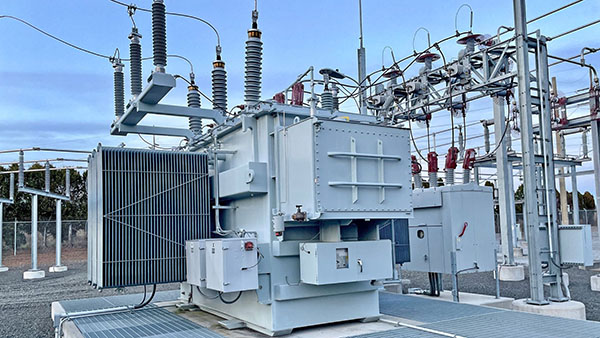
Transformer Winding Resistance Testing (TWRT) is an essential diagnostic tool used in the electric power industry to assess the condition of transformer windings. While it’s a standard practice in controlled environments like substations or manufacturing plants, performing TWRT in field applications presents its own set of challenges and considerations. In this article, we’ll explore how TWRT is applied in the field, including the unique difficulties encountered, best practices for testing in remote or tough environments, and real-world applications where TWRT can be a game-changer.
1. Why Field Applications for Transformer Winding Resistance Testing Are Important
The Critical Role of Field Testing
Transformers deployed in remote areas, such as those in rural substations, wind farms, or industrial plants, are often exposed to harsh environmental conditions, heavy loads, and mechanical stresses. Over time, these factors can lead to winding damage, loose connections, or insulation deterioration, making Transformer Winding Resistance Testing critical for monitoring their condition.
The Benefits of Regular TWRT in the Field
Performing TWRT in the field can prevent unexpected transformer failures, extend the lifespan of equipment, and reduce the need for costly emergency repairs. In field environments where accessibility is a challenge, early fault detection through TWRT ensures maintenance can be planned ahead of time.
Personal Anecdote: During a maintenance job at a remote wind farm, we conducted TWRT on a set of transformers that had been operational for several years. The test revealed slightly elevated resistance in one transformer, which indicated a potential winding issue. By detecting this early, we were able to schedule repairs during a low-demand period, preventing an expensive emergency breakdown.
2. Challenges of Performing TWRT in the Field
Environmental Factors Affecting Field Testing
In the field, TWRT is often conducted under less-than-ideal conditions. Factors like extreme temperatures, humidity, and dust can affect both the testing process and the accuracy of the results.
- Temperature Variability: Drastic changes in temperature can cause resistance values to fluctuate. This is especially true for transformers in outdoor substations, where weather conditions can vary significantly.
- Dust and Moisture: Field environments are often exposed to dust, dirt, and moisture, which can contaminate connections and affect the accuracy of the test.
Best Practice: Always use equipment that compensates for environmental factors like temperature. Portable resistance testers with automatic temperature compensation can help normalize results across varying conditions.
Limited Access and Difficult Working Conditions
Transformers located in hard-to-reach areas present logistical challenges for performing TWRT. Limited access to proper equipment, stable power sources, or trained personnel can delay critical testing.
- Remote Locations: Transporting the necessary equipment and personnel to remote areas can be time-consuming and costly.
- Equipment Power Supply: Some remote areas may not have reliable power sources, making it difficult to perform TWRT unless you have portable, battery-operated testing devices.
Personal Anecdote: While working at a remote mountain substation, we faced issues accessing stable power for testing. Fortunately, we were equipped with portable battery-operated resistance testers, allowing us to complete the test without delays.
3. Essential Equipment for Field-Based TWRT
Portable Winding Resistance Testers
In the field, portability and durability are key requirements for TWRT equipment. Field environments often demand compact, lightweight testers that are easy to transport but still provide high accuracy.
- Key Features of Portable Testers:
- Lightweight and durable to withstand harsh conditions.
- Automatic temperature compensation for accuracy in varying climates.
- Battery-powered operation for use in remote areas.
- Data logging and wireless transmission to easily store and transfer test results.
Personal Anecdote: During a job in a rural substation, we used a portable resistance tester with automatic data logging. This feature allowed us to quickly transmit test results back to the office for analysis, saving us from having to re-test due to incorrect data entry in the field.
Reliable Kelvin (4-Wire) Test Leads
Kelvin test leads, or 4-wire leads, are crucial for minimizing errors during TWRT in the field. These leads allow for precise resistance measurements by eliminating the impact of lead resistance, which is especially important when testing in environments where lead degradation or contamination is possible.
- Durability: Ensure that the test leads are rugged enough to handle dust, moisture, and physical wear in the field.
- Proper clamping: Secure clamps that ensure a solid connection between the test lead and transformer terminal are essential.
4. Best Practices for Field-Based TWRT
Proper Preparation Before Arriving On-Site
Field-based TWRT requires careful planning and preparation to minimize the impact of environmental factors and ensure accurate results.
- Site Evaluation: Assess the testing location in advance to understand the potential environmental challenges, such as extreme temperatures or limited access.
- Check Equipment Readiness: Ensure that all equipment is fully charged, calibrated, and tested before arriving on-site to avoid downtime.
- Ensure Proper Insulation: Insulate the testing setup from external moisture and dirt to avoid inaccurate readings caused by poor connections.
Best Practice: Use weatherproof storage cases and protective gear for test leads and instruments, especially in remote or harsh environments.
Step-by-Step Field Testing Process
- De-energize the Transformer: Ensure that the transformer is completely de-energized before connecting the test equipment. In remote areas, this step is critical, as power shutdowns may need to be scheduled in advance.
- Secure and Clean Connections: Before attaching the test leads, clean the terminals to remove any dust, dirt, or oxidation that could interfere with the results.
- Connect Kelvin Test Leads: Attach the 4-wire Kelvin test leads securely to the transformer terminals to minimize the impact of lead resistance on your readings.
- Measure Temperature: Use a temperature probe to record the ambient and transformer winding temperatures. Apply temperature compensation to normalize the resistance readings.
- Perform the Test: Run the winding resistance test on each winding (primary and secondary), taking care to document the results accurately.
- Analyze and Compare Data: Compare the field results with baseline measurements (if available) or industry standards to assess the health of the transformer.
- Log the Results: Use a data logger or wireless transmission tool to store and transmit the test results for further analysis.
5. Real-World Applications of TWRT in the Field
Application 1: Testing Transformers in Remote Substations
Many remote substations operate transformers under harsh environmental conditions. Field-based TWRT helps detect early signs of winding degradation, allowing operators to plan maintenance long before a failure occurs.
- Example: In a substation located in a desert region, regular TWRT revealed an increase in winding resistance due to thermal stress. By identifying this early, the substation was able to schedule repairs during an off-peak period, avoiding expensive downtime.
Application 2: Wind and Solar Farms
Transformers in wind and solar farms face unique challenges due to fluctuating loads and environmental exposure. Regular TWRT helps ensure that the transformers in these locations continue to operate efficiently, preventing unexpected failures that could disrupt energy production.
- Example: During routine testing at a wind farm, TWRT identified uneven resistance across the transformer windings. Upon further inspection, it was found that one phase had been exposed to higher thermal stress due to variable loads, allowing the operator to address the issue before a serious breakdown occurred.
Transformer Winding Resistance Testing in field applications is essential for ensuring the reliable operation of transformers in remote and harsh environments. While field-based TWRT poses unique challenges—such as environmental factors, limited access, and logistical constraints—proper preparation, the use of portable equipment, and following best practices can ensure accurate and reliable test results.
Regular field testing can save thousands of dollars by detecting issues early, extending transformer lifespan, and preventing costly emergency repairs. By incorporating TWRT into your field maintenance routine, you’ll have the tools necessary to keep your transformers operating efficiently and reliably, no matter where they are deployed.

 Moroccan Arabic
  English
  German
  Spanish
  French
  Portuguese
  Vietnamese
  Afrikaans
  Amharic
  Arabic
  Aragonese
  Assamese
  Azerbaijani
  South Azerbaijani
  Belarusian
  Bulgarian
  Bengali
  Tibetan
  Bosnian
  Catalan
  Czech
Czech  Danish
  Welsh
Welsh  Lower Sorbian
  Dzongkha
  Greek
Greek  Esperanto
  Estonian
  Basque
  Finnish
  Indonesian
  Italian
  Malayalam
  Latvian
  Panjabi
  Romanian
  Slovenian
  Russian