
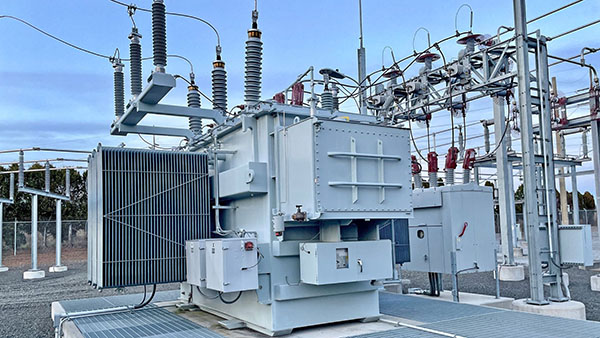
Transformer bushings are pivotal components within the electric power industry, ensuring the safe and efficient transmission of high-voltage electricity. Over time, bushings can experience wear and tear due to continuous electrical and environmental stress, leading to potential failures that can disrupt power supply and pose significant safety hazards. As a professional electrical testing expert with over 25 years of experience, I’ve witnessed the critical importance of early identification and maintenance of bushing wear. This comprehensive guide provides electric power industry workers with detailed, practical strategies to identify bushing wear and tear in transformers, encompassing their importance, identification techniques, best practices, troubleshooting, essential tools, benefits, real-world case studies, training considerations, and future trends.
Importance of Identifying Bushing Wear and Tear
Preventing Transformer Failures
Bushings are subjected to constant electrical stress and environmental conditions, which can degrade their materials over time. Wear and tear can lead to cracks, moisture ingress, and partial discharges, all of which compromise the bushing’s integrity. Identifying these issues early prevents minor problems from escalating into major transformer failures that can result in costly outages and extensive repairs.
Enhancing Safety
Faulty bushings pose significant safety risks, including electrical fires, explosions, and electrocution hazards. Regular inspection and identification of wear ensure that bushings remain in optimal condition, safeguarding maintenance personnel, the public, and infrastructure from potential dangers.
Extending Transformer Lifespan
Consistent monitoring and maintenance of bushings help preserve their functionality, reducing the overall wear on transformers. By addressing minor wear issues promptly, maintenance teams can extend the operational life of transformers, minimizing the need for frequent replacements and reducing capital expenditure.
Ensuring Operational Efficiency
Efficient bushings facilitate smooth electrical connections, ensuring that transformers operate within their designed parameters. Worn or damaged bushings can lead to increased electrical resistance, energy losses, and reduced transformer efficiency, negatively impacting the overall power system performance.
How to Identify Bushing Wear and Tear: Step-by-Step Guide
Step 1: Preparation and Safety Measures
Importance of Safety
Inspecting transformer bushings involves handling high-voltage equipment, which can be hazardous. Adhering to strict safety protocols is essential to protect maintenance personnel and prevent accidents.
Steps:
- De-Energize the Transformer:
- Ensure the transformer is fully de-energized and isolated from the power grid using Lockout/Tagout (LOTO) procedures.
- Wear Appropriate Personal Protective Equipment (PPE):
- Use insulated gloves, safety glasses, flame-resistant clothing, and other necessary PPE to protect against electrical hazards.
- Gather Necessary Tools:
- Assemble all required inspection tools, including thermal imaging cameras, partial discharge testers, moisture meters, and insulation resistance meters.
- Review Safety Protocols:
- Familiarize yourself with company safety guidelines and industry standards relevant to transformer maintenance.
Step 2: Visual Inspection
Importance of Visual Checks
A thorough visual inspection can reveal obvious signs of wear and tear, such as cracks, discoloration, or physical damage, which may indicate underlying issues.
Steps:
- Examine the Bushing Exterior:
- Look for visible cracks, chips, or other physical damage in the bushing body.
- Check for signs of overheating, such as discoloration or warping.
- Inspect Seals and Gaskets:
- Ensure that all seals and gaskets are intact and free from wear or damage.
- Look for oil leaks or moisture ingress around the base of the bushing.
- Assess Mounting Hardware:
- Verify that mounting brackets and hardware are secure and show no signs of corrosion or loosening.
- Check for Contaminants:
- Remove any dirt, dust, or debris that may obstruct proper cooling and ventilation around the bushing.
Step 3: Electrical Testing
Importance of Electrical Testing
Electrical testing assesses the performance and insulation integrity of bushings, identifying issues that may not be visible during visual inspections. These tests help ensure that bushings can withstand operational voltage levels without failure.
Common Electrical Tests:
- Insulation Resistance Testing:
- Purpose: Measures the resistance of the bushing insulation to detect degradation or contamination.
- Procedure: Use an insulation resistance tester (megger) to apply a high DC voltage and measure the resistance. Compare the results to manufacturer specifications.
- Partial Discharge (PD) Testing:
- Purpose: Detects small electrical discharges within the bushing insulation that indicate flaws.
- Procedure: Use a PD tester to monitor and analyze discharge patterns. Elevated PD levels require immediate attention.
- Capacitance and Dissipation Factor Testing:
- Purpose: Evaluates the capacitive properties and energy loss characteristics of the bushing insulation.
- Procedure: Measure the capacitance and dissipation factor using specialized equipment. Abnormal values suggest insulation issues.
Step 4: Thermal Imaging
Importance of Thermal Monitoring
Thermal imaging provides a non-contact method to detect hotspots and temperature anomalies in bushings. Elevated temperatures can indicate underlying issues such as partial discharges or insufficient cooling.
Steps:
- Conduct Thermal Scans:
- Use a thermal imaging camera to scan bushings during operation.
- Analyze Temperature Patterns:
- Identify areas with abnormal heat distribution that may require further investigation.
- Compare with Baseline Data:
- Compare current thermal images with baseline images to detect any deviations or emerging issues.
Step 5: Moisture Analysis
Importance of Moisture Control
Moisture ingress can significantly degrade bushing insulation, increasing the risk of electrical failures. Regular moisture analysis helps ensure that bushings remain dry and maintain their insulating properties.
Steps:
- Oil Sampling:
- Extract oil samples from oil-immersed bushings for moisture content analysis using Karl Fischer titration or similar methods.
- Use Moisture Meters:
- Employ portable moisture meters to assess moisture levels in the bushing insulation.
- Implement Drying Techniques:
- If high moisture levels are detected, use drying techniques such as heating or vacuum drying to remove moisture from the insulation.
Step 6: Cleaning and Maintenance
Importance of Cleanliness
Keeping bushings clean ensures that cooling systems function effectively and that there is no contamination that could compromise insulation integrity.
Steps:
- Remove Debris:
- Clean bushings to remove dust, dirt, and other contaminants using appropriate cleaning agents and tools.
- Inspect Seals:
- Ensure that seals and gaskets are intact and replace them if necessary.
- Maintain Cooling Systems:
- Clean cooling fins, fans, and ensure proper oil circulation in oil-cooled bushings.
- Reapply Protective Coatings:
- Apply anti-condensation coatings or other protective layers as recommended by the manufacturer to prevent moisture ingress.
Step 7: Repairing Damaged Components
Importance of Timely Repairs
Addressing minor issues before they escalate ensures that bushings remain functional and reliable. Prompt repairs prevent minor damages from leading to significant electrical failures and safety hazards.
Steps:
- Determine the Extent of Damage:
- Use inspection findings to assess whether the bushing can be repaired or needs replacement.
- Repair Minor Cracks and Leaks:
- For small cracks, use epoxy resin or other recommended sealants to repair the bushing.
- Replace damaged seals and gaskets to prevent moisture ingress and oil leaks.
- Replace Severely Damaged Bushings:
- If the bushing has extensive damage, corrosion, or significant insulation degradation, it should be replaced entirely.
- Follow manufacturer guidelines for proper installation of new bushings to ensure optimal performance.
- Reinforce Mounting:
- Ensure that the bushing is securely mounted to prevent mechanical stress and vibration-induced damage.
- Tighten or replace mounting hardware as necessary.
Step 8: Documentation and Reporting
Importance of Comprehensive Records
Maintaining detailed records of inspections, tests, and maintenance actions supports trend analysis, regulatory compliance, and informed decision-making for future maintenance strategies.
Steps:
- Log Maintenance Activities:
- Record all cleaning, repairs, inspections, and tests performed on the bushing.
- Generate Detailed Reports:
- Create comprehensive reports summarizing the condition of bushings, actions taken, and test results.
- Store Records Securely:
- Use Computerized Maintenance Management Systems (CMMS) to store and organize maintenance records.
- Review and Analyze Data:
- Periodically review maintenance logs to identify patterns or recurring issues, informing proactive maintenance strategies.
Best Practices for Identifying Bushing Wear and Tear
Implement a Preventive Maintenance Program
A structured preventive maintenance program ensures that bushings are regularly inspected, tested, and maintained, reducing the likelihood of unexpected failures and enhancing transformer reliability.
Components:
- Scheduled Maintenance: Define regular intervals for inspections and maintenance based on transformer usage, environmental conditions, and manufacturer recommendations.
- Comprehensive Checklists: Develop detailed maintenance checklists covering all aspects of bushing condition, including visual, electrical, and thermal aspects.
- Consistent Documentation: Maintain consistent records of all maintenance activities to support trend analysis and regulatory compliance.
Utilize Advanced Monitoring Technologies
Leveraging advanced technologies enhances the accuracy and efficiency of bushing inspections, enabling proactive identification and resolution of issues.
Technologies:
- IoT-Enabled Sensors: Facilitate real-time monitoring and data collection, providing continuous insights into bushing health.
- AI-Powered Analytics: Analyze large datasets to predict potential bushing failures, allowing for timely interventions.
- Automated Alert Systems: Ensure that maintenance teams are promptly notified of any anomalies or deviations from normal operating conditions.
Train and Educate Maintenance Personnel
Skilled maintenance personnel are essential for effective bushing inspections. Providing ongoing training ensures that technicians are knowledgeable about the latest tools, techniques, and best practices.
Training Programs:
- Technical Workshops: Hands-on training sessions focused on the use of thermal imaging cameras, partial discharge testers, insulation resistance meters, and other bushing maintenance tools.
- Certification Courses: Programs offered by industry bodies like IEEE to certify technicians in advanced transformer maintenance and bushing inspection techniques.
- On-the-Job Training: Practical training under the guidance of experienced technicians to enhance hands-on skills and knowledge.
Establish Clear Communication Channels
Effective communication ensures that maintenance teams are informed about the condition of bushings and can respond promptly to any issues.
Strategies:
- Centralized Data Systems: Use CMMS to centralize maintenance records and facilitate information sharing among team members.
- Regular Maintenance Meetings: Conduct routine meetings to discuss findings, share insights, and plan maintenance activities.
- Collaborative Platforms: Utilize digital platforms for real-time communication and collaboration, enabling swift resolution of issues.
Maintain Comprehensive Documentation
Thorough documentation supports effective troubleshooting, trend analysis, and regulatory compliance, ensuring that maintenance activities are well-recorded and easily accessible.
Practices:
- Detailed Logs: Keep comprehensive records of all inspections, tests, and maintenance actions.
- Standardized Reporting: Use standardized formats for reporting to ensure consistency and ease of understanding.
- Secure Storage: Protect maintenance records through secure storage solutions to prevent unauthorized access and data loss.
Foster a Culture of Proactive Maintenance
Encouraging a proactive approach to maintenance minimizes the risk of unexpected failures and enhances overall transformer reliability.
Strategies:
- Continuous Training: Provide ongoing training to maintenance personnel on the latest monitoring tools and response techniques.
- Regular Audits: Conduct regular audits of maintenance practices to ensure adherence to best practices and identify areas for improvement.
- Incentivize Vigilance: Reward proactive maintenance behaviors and encourage team members to stay vigilant in monitoring transformer conditions.
Troubleshooting Common Bushing Wear and Tear Issues
Issue 1: Partial Discharges
Cause:
Partial discharges occur when small electrical discharges happen within the bushing insulation, often due to voids, cracks, or contamination.
Symptoms:
- Unusual noises or arcing sounds.
- Elevated temperatures detected during thermal imaging.
- Reduced insulation resistance.
Solution:
- Identify Source: Use partial discharge (PD) testing to locate the exact area of discharge.
- Repair or Replace: Address the underlying cause by repairing cracks, sealing voids, or replacing damaged bushings.
- Improve Insulation Quality: Upgrade to higher-grade insulation materials to prevent future discharges.
Issue 2: Moisture Ingress
Cause:
Moisture can enter bushings through damaged seals, improper installation, or environmental exposure, degrading insulation properties.
Symptoms:
- Reduced insulation resistance.
- Visible moisture or oil leaks.
- Increased electrical resistance and heat generation.
Solution:
- Dry Out Insulation: Use drying methods such as heating or vacuum drying to remove moisture.
- Repair Seals: Fix or replace faulty seals and gaskets to prevent further moisture ingress.
- Implement Moisture Barriers: Use moisture-resistant materials and coatings to enhance bushing protection.
Issue 3: Physical Damage
Cause:
Physical damage to bushings can result from mechanical stress, environmental factors, or improper handling during installation and maintenance.
Symptoms:
- Cracks or fractures in the bushing body.
- Oil leaks or moisture accumulation.
- Loose or damaged mounting hardware.
Solution:
- Inspect and Assess Damage: Conduct thorough visual and physical inspections to determine the extent of the damage.
- Replace Damaged Bushings: Remove and replace bushings that are severely cracked, fractured, or leaking.
- Reinforce Mounting: Ensure that bushings are securely mounted and protected from mechanical stress and environmental factors.
Issue 4: Insulation Degradation
Cause:
Continuous exposure to high temperatures, electrical stress, and environmental contaminants can degrade bushing insulation over time.
Symptoms:
- Decreased insulation resistance.
- Visible signs of insulation wear, such as discoloration or brittleness.
- Increased likelihood of electrical faults and short circuits.
Solution:
- Regular Testing: Perform routine insulation resistance and partial discharge tests to monitor insulation health.
- Upgrade Insulation Materials: Replace old insulation with high-quality, durable materials that offer better resistance to degradation.
- Control Operating Conditions: Maintain optimal operating temperatures and protect bushings from environmental contaminants to slow down insulation degradation.
Essential Tools for Identifying Bushing Wear and Tear
Thermal Imaging Cameras
Purpose: Detect hotspots and temperature anomalies in bushings non-invasively.
Usage: Conduct regular thermal scans during inspections to identify areas of excessive heat, indicating potential issues like partial discharges or cooling system failures.
Partial Discharge (PD) Testers
Purpose: Detect and locate partial discharges within bushing insulation.
Usage: Perform PD testing to identify insulation flaws that may lead to electrical failures, enabling proactive maintenance actions.
Insulation Resistance Meters
Purpose: Measure the insulation resistance of bushings to assess insulation integrity.
Usage: Conduct insulation resistance tests during routine maintenance to detect moisture ingress, contamination, or insulation degradation.
Moisture Meters
Purpose: Assess moisture content within bushing insulation, especially in oil-immersed bushings.
Usage: Use moisture meters to monitor and control moisture levels, preventing insulation degradation and electrical faults.
Bushing Test Kits
Purpose: Perform comprehensive bushing tests, including voltage withstand and frequency response tests.
Usage: Utilize bushing test kits to conduct detailed assessments of bushing performance, ensuring they meet operational standards.
Cleaning Agents and Tools
Purpose: Safely and effectively clean bushing surfaces without damaging insulation materials.
Usage: Apply recommended cleaning agents using lint-free cloths, brushes, and compressed air for debris removal.
Computerized Maintenance Management Systems (CMMS)
Purpose: Centralize maintenance records, schedule inspections, and track bushing monitoring data.
Usage: Integrate CMMS with temperature and electrical monitoring tools to streamline maintenance workflows, ensure comprehensive documentation, and facilitate efficient maintenance scheduling.
Benefits of Identifying Bushing Wear and Tear
Enhanced Transformer Reliability
Regular identification and maintenance of bushing wear ensure that transformers operate reliably, reducing the likelihood of unexpected failures and enhancing overall system stability.
Cost Savings
Proactive maintenance minimizes the need for costly emergency repairs and extends the operational life of transformers, leading to significant long-term savings.
Improved Safety
Maintaining bushings reduces the risk of electrical fires, explosions, and other safety hazards, ensuring a secure working environment for maintenance personnel and the public.
Optimized Operational Efficiency
Efficient bushings facilitate smooth electrical connections, reducing energy losses and ensuring that transformers operate within their designed parameters, thereby enhancing overall power system efficiency.
Regulatory Compliance
Regular bushing inspections ensure compliance with industry standards and regulatory requirements, avoiding legal penalties and enhancing organizational credibility.
Real-World Case Studies
Case Study 1: Preventing Transformer Failures through Proactive Bushing Inspection
Background: A regional utility company managed a fleet of transformers serving both urban and rural areas. Frequent transformer outages during peak load periods led to widespread power disruptions and customer dissatisfaction.
Challenge: Initial assessments revealed that inadequate bushing inspections were a primary cause of transformer overheating and failures. Existing maintenance practices lacked comprehensive bushing inspections and electrical testing.
Solution: The maintenance team implemented a rigorous bushing inspection program, integrating thermal imaging cameras, partial discharge testers, and regular insulation resistance testing. They established a baseline for normal bushing temperatures and insulation resistance levels and configured real-time monitoring systems with automated alerts for any deviations.
Outcome: Transformer failures related to bushing issues decreased by 80%, power outages were significantly reduced, and customer satisfaction improved. The proactive bushing inspection program ensured that transformers operated reliably even under high-load conditions, enhancing overall grid stability and reliability.
Case Study 2: Enhancing Safety through Effective Bushing Inspection
Background: A municipal utility provider experienced safety hazards due to transformer overheating, posing risks of electrical fires and infrastructure damage.
Challenge: Inadequate bushing inspections led to undetected partial discharges and insulation degradation, resulting in overheating and safety incidents. Existing monitoring tools were outdated and lacked real-time capabilities.
Solution: The maintenance team upgraded to state-of-the-art partial discharge testers and thermal imaging cameras, enabling continuous and real-time monitoring of bushing temperatures and insulation integrity. They implemented automated alert systems to notify technicians of any temperature deviations or partial discharge activities and conducted regular training sessions to ensure effective use of the new tools.
Outcome: Safety incidents related to transformer overheating were eliminated, transformer reliability improved, and the utility achieved compliance with enhanced safety regulations. The continuous bushing monitoring practices ensured that transformers operated within safe temperature ranges, protecting both personnel and infrastructure.
Case Study 3: Reducing Maintenance Costs through Comprehensive Bushing Management
Background: An industrial manufacturing plant relied heavily on transformers to power its operations. Frequent overheating incidents were causing operational disruptions and increasing maintenance costs.
Challenge: Loose electrical connections and inadequate cooling systems within bushings were identified as primary causes of overheating. Traditional maintenance methods were insufficient to detect gradual temperature increases and predict potential failures.
Solution: The facility adopted advanced bushing maintenance strategies, including the installation of high-precision temperature sensors and integration of AI-powered data analytics. They utilized predictive maintenance tools to analyze temperature trends and forecast potential bushing issues. Additionally, they upgraded cooling systems to enhance heat dissipation and implemented more frequent cleaning schedules to maintain optimal cooling efficiency.
Outcome: Maintenance costs related to transformer bushings decreased by 60%, overheating incidents were eliminated, and transformer lifespan was extended by an average of four years. Efficient bushing management ensured reliable transformer performance, maintaining uninterrupted manufacturing operations and reducing operational disruptions.
Conclusion
Identifying and addressing bushing wear and tear is a fundamental aspect of transformer maintenance that significantly contributes to the reliability, efficiency, and longevity of transformers in the electric power industry. By following a systematic approach to bushing inspection—encompassing preparation and safety, thorough visual and electrical inspections, thermal imaging, moisture analysis, cleaning and maintenance, targeted repairs, and comprehensive documentation—electric power industry workers can effectively maintain transformer bushings and ensure reliable power distribution.
Key Takeaways:
- Regular Inspections: Conduct routine visual and electrical inspections to detect and address bushing issues promptly.
- Advanced Testing Tools: Utilize tools like thermal imaging cameras, partial discharge testers, moisture meters, and insulation resistance meters for comprehensive bushing assessments.
- Proactive Maintenance Programs: Implement preventive maintenance schedules to minimize the risk of unexpected bushing failures.
- Skilled Personnel: Invest in training and cross-training to ensure maintenance teams are proficient in bushing maintenance techniques.
- Embrace Future Technologies: Leverage AI, blockchain, and sustainable practices to enhance bushing maintenance effectiveness and efficiency.
By prioritizing bushing maintenance and leveraging the right tools and practices, electric power industry workers can ensure the reliable and efficient operation of transformers, avoiding costly failures, enhancing safety, and maintaining a stable and resilient power distribution network for the future.
Additional Resources
Recommended Reading and References
- Books and Articles:
- Transformer Engineering: Design, Technology, and Diagnostics by S.V. Kulkarni and S.A. Khaparde
- Practical Transformer Engineering and Maintenance by Gordon Chidley
- Electrical Transformers and Power Equipment Maintenance by C. Russell Mason
- Industry Standards:
- IEEE Standards for Transformer Testing and Maintenance
- IEC Standards for Electrical Transformers and Accessories
Training and Certification Programs
- Courses:
- Advanced Transformer Maintenance – Offered by IEEE
- Smart Transformer Technologies – Available through online platforms like Coursera and Udemy
- Transformer Diagnostics and Troubleshooting – Provided by technical training institutes
- Workshops and Seminars:
- Annual Transformer Maintenance Symposium
- Smart Grid and Transformer Technology Workshops hosted by major utility companies
- Hands-On Transformer Diagnostic Training Sessions
Contact Information for Experts
- Professional Networks:
- Join the IEEE Power & Energy Society for networking with industry experts and accessing valuable resources.
- Participate in LinkedIn groups focused on transformer technology and electric power systems maintenance.
By mastering the techniques to identify bushing wear and tear and adhering to best practices, electric power industry workers can ensure the reliable and efficient operation of transformers. This proactive approach not only prevents costly failures but also enhances safety and contributes to a stable and resilient power distribution network for the future.

 Assamese
  English
  German
  Spanish
  French
  Portuguese
  Vietnamese
  Afrikaans
  Amharic
  Arabic
  Aragonese
  Moroccan Arabic
  Azerbaijani
  South Azerbaijani
  Belarusian
  Bulgarian
  Bengali
  Tibetan
  Bosnian
  Catalan
  Czech
Czech  Danish
  Welsh
Welsh  Lower Sorbian
  Dzongkha
  Greek
Greek  Esperanto
  Estonian
  Basque
  Finnish
  Indonesian
  Italian
  Malayalam
  Latvian
  Panjabi
  Romanian
  Slovenian
  Russian