
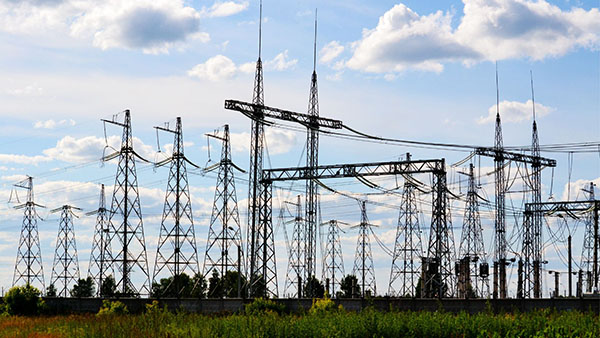
High-voltage (HV) cables are critical components in power transmission systems, ensuring the reliable transfer of electricity from power plants to substations and from substations to industrial and residential consumers. The insulation of HV cables must withstand significant electrical stress over time, and any degradation of the insulation can lead to failures, unplanned outages, or even safety hazards. Dielectric testing is one of the most effective ways to evaluate the integrity of HV cable insulation, ensuring that it can safely handle the voltage stresses it will encounter during operation.
This guide will cover the importance of dielectric testing for HV cables, the key testing methods used, and step-by-step procedures for conducting these tests. Drawing from experience working with HV cables in various power systems, I’ll also share practical tips to help ensure successful testing.
Why is Dielectric Testing Important for HV Cables?
HV cables are exposed to electrical, mechanical, and environmental stresses that can degrade their insulation over time. Dielectric testing is essential for assessing the health of the insulation, detecting partial discharges, moisture ingress, or contamination that could compromise the cable’s performance. Regular dielectric testing helps prevent costly failures, reduces the risk of safety hazards, and extends the lifespan of HV cables.
Key Objectives of Dielectric Testing for HV Cables:
- Ensure insulation integrity: Detect early signs of insulation degradation before it leads to breakdowns.
- Improve safety and reliability: Verify that the cable can handle high-voltage stresses without risk of failure.
- Comply with standards: Ensure that HV cables meet industry standards (such as IEC, IEEE) for dielectric strength and operational safety.
- Prevent costly outages: Early detection of insulation problems helps avoid unplanned outages and costly downtime.
Real-World Example:
During dielectric testing on a high-voltage underground cable system, we discovered elevated leakage currents indicating moisture ingress into the cable insulation. By identifying the issue early, the operator was able to schedule repairs, preventing a failure that could have caused a widespread power outage.
Types of Dielectric Tests for HV Cables
Dielectric testing methods for HV cables are designed to assess the condition of the insulation system under both normal operating conditions and extreme voltage stresses. Common dielectric tests include the AC withstand test, DC withstand test, tan delta testing, and partial discharge testing.
1. AC Withstand Test (Power Frequency Test)
The AC withstand test is one of the most common dielectric tests for HV cables. It evaluates the insulation’s ability to withstand alternating current (AC) voltages that exceed normal operating levels, simulating real-world overvoltage conditions. This test is typically performed at the system’s power frequency (50 or 60 Hz).
- How It Works: An AC voltage, typically 2-3 times the rated voltage of the cable, is applied for a specified period, usually 1-5 minutes. The insulation must withstand the voltage without showing signs of breakdown, arcing, or excessive leakage current.
- Purpose: The test ensures that the cable insulation can handle overvoltages and transient conditions, such as lightning strikes or switching surges.
2. DC Withstand Test
The DC withstand test applies a direct current (DC) voltage to the cable to evaluate the insulation’s ability to handle high-voltage stress. This test is often used for commissioning new cables or testing cables after repairs.
- How It Works: A DC voltage, typically 1.5-2 times the rated voltage, is applied to the cable, and the insulation is monitored for leakage current. Rising leakage current during the test indicates insulation degradation or contamination.
- Purpose: DC testing is commonly used in situations where AC testing may be impractical, such as for very long cable runs, where the capacitance of the cable would make AC testing difficult.
3. Partial Discharge (PD) Testing
Partial discharge (PD) testing detects localized electrical discharges within the insulation of HV cables. These discharges are often caused by voids, cracks, or impurities in the insulation, which can lead to eventual insulation failure if not addressed.
- How It Works: A high voltage is applied to the cable, and specialized sensors detect the presence of partial discharges. The amplitude and location of PD events are recorded to determine the severity of insulation degradation.
- Purpose: PD testing is critical for identifying early-stage defects in the insulation system, such as voids, cracks, or contamination, before they lead to complete breakdown.
4. Tan Delta (Dielectric Loss) Testing
Tan delta testing (or dielectric loss testing) measures the dielectric losses in the cable insulation by applying a voltage and monitoring the phase difference between the applied voltage and resulting current. This test helps assess the overall health of the insulation system.
- How It Works: A test voltage is applied to the cable, and the tan delta value (the tangent of the loss angle) is measured. A higher tan delta value indicates higher dielectric losses, often due to moisture, contamination, or aging.
- Purpose: Tan delta testing is used to detect moisture ingress, aging, or contamination in HV cables. It provides an overall assessment of insulation quality, making it useful for condition-based monitoring.
5. Insulation Resistance (IR) Test
The insulation resistance test measures the resistance of the cable insulation to a DC voltage. It provides a general indication of insulation health by measuring leakage current through the insulation.
- How It Works: A DC voltage (typically between 500V and 5kV) is applied to the cable, and the insulation resistance is measured in megohms. A low insulation resistance indicates that the insulation may be contaminated with moisture or degraded.
- Purpose: The IR test helps identify moisture ingress, contamination, or aging in the cable insulation. It’s a common test for routine maintenance and condition monitoring.
Step-by-Step Procedure for Dielectric Testing of HV Cables
Step 1: Preparation and Safety Measures
Before performing dielectric tests on HV cables, it is critical to take safety precautions to protect both personnel and equipment.
- De-energize the cable: Ensure the cable is fully de-energized and isolated from the power system.
- Ground the cable: Proper grounding of the cable and surrounding equipment is essential to discharge any residual voltage and prevent electrical shocks.
- Inspect the cable: Perform a visual inspection of the cable for any visible signs of damage, such as cracks, abrasions, or moisture ingress.
- Use Personal Protective Equipment (PPE): Wear appropriate PPE, including insulated gloves, boots, and face shields when working with high-voltage cables.
Step 2: Setting Up the Dielectric Test
- Select the appropriate test method:
- For AC withstand tests, apply a voltage that is 2-3 times the cable’s rated voltage.
- For DC withstand tests, apply 1.5-2 times the rated voltage.
- For tan delta and partial discharge tests, follow manufacturer specifications or industry standards for test voltages and parameters.
- Connect the test equipment:
- Attach the high-voltage test leads between the cable terminals and ground. Ensure that all connections are tight and secure to prevent arcing or disconnections during testing.
- Gradually apply the test voltage:
- Slowly increase the voltage to the specified test level. Gradual voltage application reduces the stress on the insulation and helps avoid unnecessary damage.
Step 3: Conducting the Dielectric Test
- Hold the test voltage:
- For AC withstand tests, hold the voltage for 1-5 minutes while monitoring for signs of insulation breakdown, such as arcing, sparks, or excessive leakage current.
- For DC withstand tests, monitor the leakage current throughout the test. A steady or rising leakage current indicates that the insulation may be compromised.
- For tan delta testing, measure the tan delta value and compare it to acceptable thresholds. High values indicate insulation degradation.
- Monitor for insulation breakdown:
- Watch for any visible signs of breakdown, such as arcing, sparks, or unexpected current flow. Any sign of insulation failure requires immediate action to avoid damage to the cable or test equipment.
Practical Example:
During an AC withstand test on a high-voltage cable, we noticed a surge in current followed by visible arcing near a joint in the cable. Further investigation revealed that moisture had entered the cable at the joint, compromising the insulation. The joint was repaired, and the cable was retested successfully.
Step 4: Recording and Analyzing Results
- Document test parameters:
- Record the applied voltage, test duration, and any current or resistance readings. Proper documentation is essential for tracking insulation health over time.
- Analyze the results:
- Compare the test results with manufacturer specifications and industry standards. If the cable passes without signs of breakdown or excessive leakage current, it can be considered safe for operation. Any failure or abnormal readings may require further investigation or repair.
Practical Considerations for Dielectric Testing of HV Cables
Test Voltage Selection
Choosing the correct test voltage is crucial for accurate results. Applying too low a voltage may fail to detect insulation weaknesses, while applying too high a voltage can damage the insulation. Always follow manufacturer guidelines and industry standards when selecting the test voltage.
Testing Frequency
The frequency of dielectric testing depends on the cable’s operating environment
, age, and criticality to the system:
- New installations: Perform dielectric tests before commissioning to ensure insulation integrity.
- Routine maintenance: Test every 3-5 years for critical HV cables, or more frequently in harsh environments (e.g., areas with high humidity or pollution).
- After repairs: Conduct dielectric tests after major repairs, particularly if the cable’s insulation has been affected.
Environmental Factors
HV cables often operate in challenging environments, including underground, offshore, or outdoor settings where they are exposed to moisture, extreme temperatures, or chemical contamination. Ensure that the cables are dry and clean before testing to avoid false results.
Common Issues Encountered During Dielectric Testing
False Positives and Negatives
- False positives: Contaminants like dirt, moisture, or oil on the cable surface can cause dielectric tests to fail even if the internal insulation is intact. Clean the cable thoroughly before testing to avoid these issues.
- False negatives: Applying too low a voltage or conducting the test too quickly can result in missed insulation faults, which could lead to failure during normal operation. Always use the recommended test voltage and procedures to ensure reliable results.
Aging Insulation
As HV cables age, their insulation becomes more susceptible to breakdown due to electrical stress, thermal cycling, and environmental exposure. Regular dielectric testing is particularly important for older cables to detect early signs of insulation degradation.
Dielectric testing is an essential tool for maintaining the safety, reliability, and longevity of high-voltage cables. By regularly testing the insulation, you can detect early signs of degradation, prevent costly failures, and ensure compliance with industry standards.
From my experience, conducting these tests properly has helped avoid unexpected cable failures, reduced downtime, and extended the life of critical infrastructure. Whether you’re working with underground, aerial, or subsea HV cables, following the right testing procedures will help you maintain the integrity of your electrical system.

 South Azerbaijani
  English
  German
  Spanish
  French
  Portuguese
  Vietnamese
  Afrikaans
  Amharic
  Arabic
  Aragonese
  Moroccan Arabic
  Assamese
  Azerbaijani
  Belarusian
  Bulgarian
  Bengali
  Tibetan
  Bosnian
  Catalan
  Czech
Czech  Danish
  Welsh
Welsh  Lower Sorbian
  Dzongkha
  Greek
Greek  Esperanto
  Estonian
  Basque
  Finnish
  Indonesian
  Italian
  Malayalam
  Latvian
  Panjabi
  Romanian
  Slovenian
  Russian