
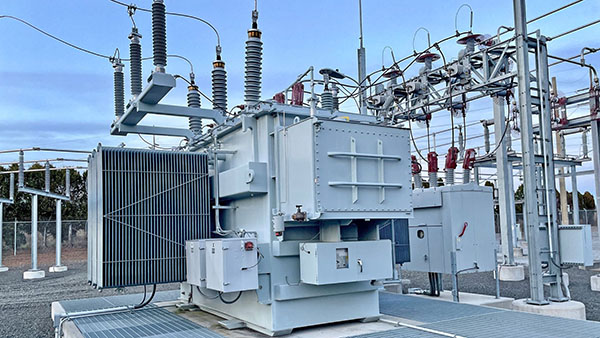
Transformer Turns Ratio (TTR) testing is a vital part of transformer maintenance and reliability checks. However, like any testing procedure, it’s easy to make mistakes—especially if you are not familiar with the nuances of the test or the equipment. These mistakes can lead to inaccurate results, misdiagnoses, or even equipment damage.
In this article, we will highlight the top 5 common mistakes in TTR testing and provide guidance on how to avoid them. By avoiding these errors, you can ensure more accurate testing, better transformer performance, and reduced downtime.
1. Incorrect Test Setup and Connections
One of the most common mistakes in TTR testing is improper setup, including incorrect connections to the transformer terminals or grounding issues. The accuracy of the test results is highly dependent on the correct setup.
How to Avoid This Mistake:
- Double-Check Connections: Before starting any test, always confirm that the TTR tester is correctly connected to the primary and secondary windings of the transformer.
- Follow Manufacturer Guidelines: Refer to the manufacturer’s manual for specific instructions on connecting the tester to your transformer model. Each transformer may have different wiring configurations or terminal layouts.
- Proper Grounding: Ensure that the tester is properly grounded to avoid inaccurate readings or electrical hazards.
Why This Is Important:
Incorrect connections can lead to erroneous measurements of the turns ratio, which could result in misdiagnosing a transformer’s health. Additionally, improper grounding can lead to safety hazards during testing.
2. Using the Wrong Tap Positions
Transformers often have multiple tap changer positions to adjust voltage levels. If you do not test the transformer across all the relevant tap positions, you may miss critical issues with the tap changer mechanism.
How to Avoid This Mistake:
- Test All Tap Positions: Always conduct TTR testing across all tap positions, especially when transformers have a load tap changer (LTC). Testing multiple tap positions ensures that the tap changer is operating correctly and that each setting is consistent.
- Document the Tap Positions: Keep a record of which tap positions have been tested and the corresponding results. This helps in identifying if any positions show significant deviations from the expected turns ratio.
Why This Is Important:
Tap changer malfunctions can cause problems with voltage regulation, which may not be apparent unless all positions are tested. Regular testing of all tap positions ensures the transformer operates correctly under different load conditions.
3. Ignoring Temperature Effects
Temperature can significantly affect the results of TTR testing. Transformers often undergo temperature fluctuations, and testing conducted during extreme temperatures (either too hot or too cold) can lead to inaccurate results.
How to Avoid This Mistake:
- Test at Standard Conditions: TTR testing should ideally be done when the transformer is operating under standard conditions. Testing at extreme temperatures may lead to resistance changes in the windings, affecting the turns ratio.
- Account for Temperature Variations: If you must test in non-standard conditions, be sure to note the ambient temperature and make adjustments or considerations when interpreting the results.
Why This Is Important:
Temperature effects can cause the transformer windings to expand or contract, which may influence the turns ratio, leading to inaccurate readings. It’s essential to conduct TTR tests in a temperature-controlled environment or take temperature into account when evaluating the results.
4. Misinterpreting TTR Results
Interpreting the results incorrectly is another common mistake. Misunderstanding the significance of small variations in the turns ratio or failing to account for normal tolerances can lead to unnecessary repairs or overlook real issues.
How to Avoid This Mistake:
- Know the Tolerances: Understand the acceptable tolerances for your specific transformer. Small deviations (typically 1-2%) are usually not cause for concern, but larger deviations could indicate a problem.
- Compare Results with Historical Data: Look at historical TTR test results for the same transformer. Consistent trends, even within tolerances, can reveal gradual deterioration over time.
- Consult Manufacturer Specifications: Refer to the transformer’s nameplate or manufacturer’s manual to confirm the expected turns ratio and the tolerance range.
Why This Is Important:
Misinterpreting the results could lead to unnecessary repairs or the failure to detect an ongoing issue. Understanding the acceptable range of variation in the test results helps prevent mistakes and ensures a more accurate diagnosis of transformer health.
5. Failing to Perform Regular TTR Testing
Some operators make the mistake of performing TTR testing only sporadically or neglecting it entirely. Without regular testing, issues with the transformer’s turns ratio may go unnoticed until it’s too late.
How to Avoid This Mistake:
- Set Up a Regular Testing Schedule: Implement a routine maintenance schedule that includes regular TTR tests. This could be annually or semi-annually depending on the transformer’s age, usage, and operating conditions.
- Use Predictive Maintenance: Use TTR test results to track trends over time. Regular testing allows you to identify potential issues before they become critical, enabling predictive maintenance.
Why This Is Important:
Without regular testing, you may miss early signs of deterioration or issues such as winding faults or tap changer malfunctions. Proactive testing can save time and money by identifying problems early and reducing the risk of unexpected transformer failure.
Conclusion: Avoiding Common TTR Testing Mistakes
TTR testing is essential for the effective maintenance of transformers, but it’s easy to make mistakes during the testing process. By understanding the most common mistakes and knowing how to avoid them, you can ensure that your testing procedure is accurate and that your transformer continues to perform efficiently.
To recap, here’s how you can avoid the top 5 mistakes in TTR testing:
- Ensure correct setup and connections for accurate results.
- Test all tap positions to assess tap changer functionality.
- Account for temperature effects when conducting tests.
- Interpret results carefully, considering acceptable tolerances.
- Perform regular TTR testing to catch issues early and extend transformer lifespan.
By following these guidelines, you’ll ensure that your transformer testing process is efficient, reliable, and effective, helping you maintain your equipment and reduce costly failures.
Call to Action: Ready to improve your transformer testing? Explore our selection of Transformer Turns Ratio Testers designed for precision and ease of use. Contact us for advice on the best testing solutions for your equipment!

 South Azerbaijani
  English
  German
  Spanish
  French
  Portuguese
  Vietnamese
  Afrikaans
  Amharic
  Arabic
  Aragonese
  Moroccan Arabic
  Assamese
  Azerbaijani
  Belarusian
  Bulgarian
  Bengali
  Tibetan
  Bosnian
  Catalan
  Czech
Czech  Danish
  Welsh
Welsh  Lower Sorbian
  Dzongkha
  Greek
Greek  Esperanto
  Estonian
  Basque
  Finnish
  Indonesian
  Italian
  Malayalam
  Latvian
  Panjabi
  Romanian
  Slovenian
  Russian