
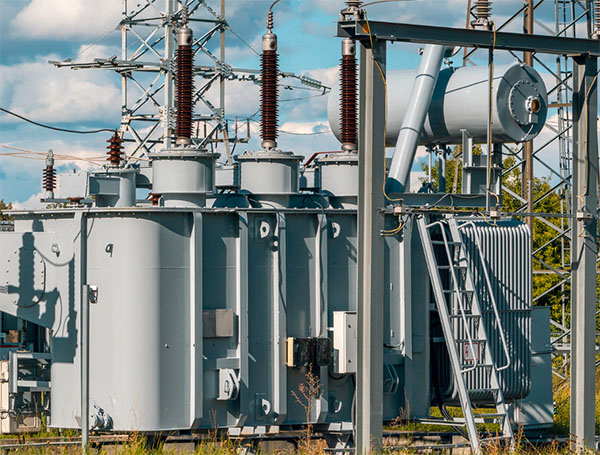
In the world of electrical power distribution, transformers are essential components that help regulate voltage levels, ensuring the safe and reliable transmission of electricity. However, like any mechanical system, transformers are vulnerable to certain environmental factors that can compromise their performance and longevity. One such factor is excessive humidity.
While transformers are built to withstand harsh conditions, excessive moisture inside the transformer can lead to insulation breakdown, corrosion, and even complete failure. In this article, we will explore the dangers of humidity in transformers, how it affects transformer health, and practical strategies for avoiding and managing moisture buildup.
Table of Contents
- Introduction: Why Humidity Matters for Transformers
- The Role of Insulation in Transformers
- How Excessive Humidity Affects Transformer Health
- Detecting Humidity Issues in Transformers
- Best Practices for Managing Humidity in Transformers
- Case Study: Managing Humidity in a Critical Transformer
- Training Your Team to Prevent Humidity Issues
- The Future of Humidity Control in Transformers
- Conclusion
1. Introduction: Why Humidity Matters for Transformers
Humidity is one of the most overlooked environmental factors affecting transformer health. Transformers rely heavily on their insulation systems, which are designed to protect sensitive electrical components from electrical stress and overheating. However, excessive moisture can compromise the insulation’s ability to function properly, leading to a host of potential issues.
The importance of controlling humidity within transformers cannot be overstated. Moisture in the insulation not only accelerates aging, but it also creates a breeding ground for corrosion, which can lead to transformer failure. Therefore, preventing moisture buildup should be a key consideration in transformer maintenance.
Personal Anecdote:
I once worked with a utility company that had a critical transformer in a humid environment. Over time, moisture began to accumulate in the insulation, leading to a slow degradation in performance. By addressing the issue early with moisture management systems, we saved the transformer from premature failure and extended its operational life.
2. The Role of Insulation in Transformers
The insulation system of a transformer is critical to its operation. It serves to prevent electrical shorts by providing a barrier between conductive parts and ensuring electrical energy flows safely through the windings and bushings.
Types of Insulation in Transformers:
- Paper and oil insulation: Traditionally used for high-voltage transformers. The paper is immersed in mineral oil, which acts as a dielectric and cooling medium.
- Solid and synthetic materials: Used for more modern transformers, these materials are designed to withstand higher stresses and provide insulation in compact designs.
Moisture in these insulation systems can compromise their dielectric properties and make them less effective at preventing electrical breakdowns.
3. How Excessive Humidity Affects Transformer Health
Excessive humidity poses multiple threats to the health and reliability of transformers. Below are some of the most common ways moisture can compromise transformer integrity:
3.1 Insulation Breakdown
Moisture in insulation materials—especially in paper and oil systems—can lower the dielectric strength of the insulation, making it less able to withstand electrical stress. As a result, partial discharge can occur, which gradually damages the insulation and accelerates transformer failure.
Impact: When the insulation weakens, the transformer becomes susceptible to internal arcing or complete short circuits, ultimately leading to costly repairs or replacements.
3.2 Corrosion of Transformer Components
Humidity in the transformer’s environment can also lead to corrosion of critical metal components, such as the bushings, taps, and the transformer tank. Corrosion increases resistance, reduces operational efficiency, and can ultimately cause mechanical failure of the components.
Impact: Corroded bushings can cause electrical shorts or allow moisture to further penetrate the insulation. Corrosion of the transformer tank could lead to leaks and the need for expensive repairs.
3.3 Shortened Transformer Lifespan
Excessive humidity, combined with the effects of insulation breakdown and corrosion, will significantly reduce a transformer’s lifespan. A transformer that is exposed to prolonged moisture contamination may experience accelerated degradation, leading to unscheduled downtimes and the need for earlier-than-expected replacements.
Impact: The cost of replacing transformers prematurely is substantial, as is the cost of energy lost due to system outages caused by transformer failure.
4. Detecting Humidity Issues in Transformers
The earlier you detect humidity issues, the better the chances of mitigating damage and prolonging transformer health. Below are some methods for identifying excess moisture and its effects on transformer components.
4.1 Visual Inspections
Start with routine visual inspections to look for visible signs of moisture or contamination around transformer seals, bushings, and venting systems. If there are visible signs of rust or wear, this could indicate that moisture has penetrated the system.
4.2 Moisture Detection Tools
- Moisture detectors: These devices can be placed inside the transformer’s oil or gas system to detect moisture levels. These sensors provide real-time data on the humidity levels and can help detect problems before they become severe.
- Insulation resistance tests: By measuring the insulation resistance, you can determine if the moisture content in the insulation is within acceptable limits.
4.3 Online Monitoring Systems
Advanced online monitoring systems use sensors to continuously track temperature, humidity, and oil condition. These systems can provide real-time alerts and historical data that help identify patterns of humidity buildup, making it easier to anticipate and prevent future problems.
5. Best Practices for Managing Humidity in Transformers
Preventing and managing moisture issues in transformers is critical to prolonging their lifespan and ensuring consistent performance. Here are some best practices:
5.1 Sealing Transformer Tanks
Ensure that your transformers are properly sealed to prevent moisture from entering the tank. Gasket seals around the transformer’s cover, bushings, and fittings should be regularly inspected and replaced if worn or damaged.
5.2 Dehumidification Techniques
- Vacuum Dehydration: This method removes moisture from the insulation paper and oil through vacuum and heating processes. It’s one of the most effective ways to restore insulation that has already absorbed moisture.
- Silica Gel Breathers: Installing a silica gel breather on the transformer’s oil conservator is an easy and inexpensive way to maintain dry air inside the transformer tank and prevent moisture buildup.
5.3 Routine Oil and Bushing Inspections
Regularly inspect the transformer’s oil and bushings. Oil filtration systems can help keep the oil clean and free from moisture and contaminants, while bushing inspections ensure that seals and connections are intact and moisture-free.
6. Case Study: Managing Humidity in a Critical Transformer
In a case with a municipal power grid, one of the transformers experienced rising PD levels. Our team deployed online monitoring systems and moisture sensors, which revealed that the transformer had absorbed moisture from the environment.
We used vacuum dehydration to remove moisture from the oil and replaced a corroded bushing that had allowed external moisture ingress. The real-time data helped us monitor the progress and ensure the system was fully restored before it became a failure point. This quick intervention saved the utility thousands of dollars in potential repairs and downtime.
7. Training Your Team to Prevent Humidity Issues
Training your team is a key factor in preventing moisture-related transformer issues. Ensure that your personnel are knowledgeable about:
- Signs of moisture ingress: Knowing the early indicators of humidity problems can help your team take action before damage becomes severe.
- Proper inspection techniques: Teach your team how to use moisture sensors, thermal cameras, and oil analysis tools to detect humidity and monitor transformer health.
- Routine maintenance protocols: Ensure your team is familiar with the best practices for sealing, dehydration, and bushing maintenance.
8. The Future of Humidity Control in Transformers
As transformer technology evolves, so too does the ability to control and manage humidity. Advanced sensors and data analytics platforms will continue to improve moisture detection accuracy, while automated dehumidification systems will make it easier to keep transformers dry and efficient.
9. Conclusion
Excessive humidity in transformers is a silent but potentially catastrophic issue. It can degrade insulation, cause corrosion, and shorten transformer lifespan. However, with early detection, proactive monitoring, and effective moisture management practices, you can safeguard your transformers from the damaging effects of humidity.
Personal Insight:
From years of experience, I’ve seen how proactive humidity management can extend the life of transformers and reduce unplanned downtime. By installing the right monitoring systems and training your team, you can ensure your transformers continue to perform optimally for years to come, saving both time and money.
Preventing moisture damage is essential for maintaining transformer health. By taking the necessary precautions and investing in modern technologies, you can keep your transformers running smoothly, safeguarding your system against costly failures and downtime.

 Belarusian
  English
  German
  Spanish
  French
  Portuguese
  Vietnamese
  Afrikaans
  Amharic
  Arabic
  Aragonese
  Moroccan Arabic
  Assamese
  Azerbaijani
  South Azerbaijani
  Bulgarian
  Bengali
  Tibetan
  Bosnian
  Catalan
  Czech
Czech  Danish
  Welsh
Welsh  Lower Sorbian
  Dzongkha
  Greek
Greek  Esperanto
  Estonian
  Basque
  Finnish
  Indonesian
  Italian
  Malayalam
  Latvian
  Panjabi
  Romanian
  Slovenian
  Russian