
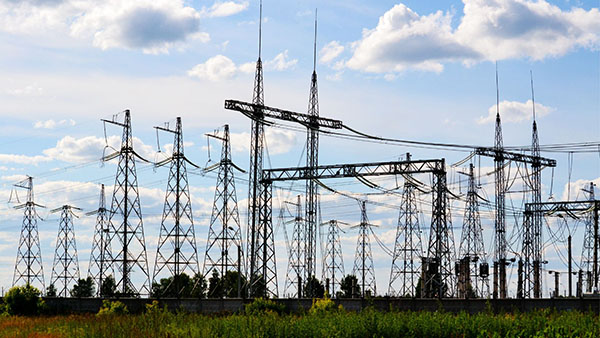
Aging electrical equipment is a fact of life in many power generation and distribution systems. However, the risk of failure increases significantly as these assets age, and without proper testing and maintenance, it could lead to costly downtime, safety hazards, and long-term damage. In this article, we’ll explore why testing aging equipment with Power Factor testing is crucial, how it can help detect issues early, and why you can’t afford to delay testing. Drawing from years of industry experience, I’ll guide you through the most critical aspects of Power Factor testing and its role in keeping your aging assets safe and reliable.
Introduction: The Importance of Regular Testing for Aging Electrical Equipment
Why Aging Equipment is More Vulnerable
Electrical equipment, such as transformers, motors, and cables, naturally deteriorates over time. With age, insulation becomes more susceptible to moisture ingress, thermal stress, and mechanical wear. As a result, the likelihood of failures increases as these systems approach the end of their service life.
- Increased Risk of Failure: The older the equipment, the more likely it is to develop faults in critical components like insulation.
- Potential Cost of Failure: Failures in aging equipment, especially in high-voltage systems, can be extremely expensive to repair or replace, and may lead to significant downtime.
The Role of Power Factor Testing in Monitoring Equipment Health
Power Factor testing measures the condition of insulation by detecting the dielectric losses occurring in electrical components. It’s a non-invasive, cost-effective method of diagnosing issues early, before they lead to failures. Testing regularly helps track the degradation of insulation over time, especially in aging equipment, allowing for proactive maintenance decisions.
1. Power Factor Testing: What You Need to Know
How Power Factor Testing Works
Power Factor testing measures the phase difference between voltage and current. A healthy system will have a low power factor, indicating minimal loss, while a higher power factor indicates significant loss due to aging insulation, moisture, or other degradation factors.
- Formula: Power Factor = Real Power (W) / Apparent Power (VA)
- Interpreting Results: A change in Power Factor can indicate deteriorating insulation, overheating, or increased leakage currents, all of which are crucial signals in aging equipment.
Why Power Factor Testing is the Ideal Choice for Aging Equipment
As equipment ages, the internal components (especially insulation) gradually degrade. Power Factor testing can detect these early warning signs, allowing maintenance teams to make informed decisions about repairs or replacements.
- Detecting Early Warnings: Power Factor testing detects small increases in losses that would go unnoticed in less frequent inspections.
- Cost-Effective Monitoring: Power Factor testing provides a reliable, cost-effective way to monitor aging equipment without having to disassemble or shut it down.
2. Early Detection of Insulation Problems
How Power Factor Testing Unveils Insulation Issues
The condition of insulation is critical for the safety and reliability of electrical systems. Power Factor testing can detect small changes in insulation properties that might indicate weaknesses such as:
- Moisture Infiltration: Increased Power Factor readings can indicate moisture in the insulation material, which reduces its dielectric strength and makes it prone to failure.
- Thermal Stress: High temperatures over time can damage insulation, leading to increased dielectric losses that Power Factor testing can detect.
Personal Anecdote: I once worked on a large-scale distribution transformer where Power Factor testing revealed a slight but consistent increase in the test results over several months. This pointed to the aging insulation inside the transformer. A more detailed inspection confirmed moisture and thermal damage in the insulation, allowing us to replace the affected parts before a major failure occurred.
Preventing Major Failures with Early Detection
By regularly conducting Power Factor tests, you can spot minor issues before they become major failures. This early detection allows operators to take corrective actions, such as drying out the transformer or replacing the insulation, rather than waiting for a catastrophic failure.
3. How Power Factor Testing Can Help Plan Maintenance and Replacement
Predictive Maintenance with Power Factor Testing
Regular Power Factor testing helps to establish a baseline and track trends in the condition of aging equipment. By analyzing trends over time, you can predict when equipment is likely to fail, enabling you to schedule maintenance or replacement in a planned manner.
- Trend Analysis: By comparing historical Power Factor results, you can identify a consistent deterioration in insulation quality and plan accordingly.
- Proactive Replacements: Instead of reacting to unexpected breakdowns, Power Factor testing helps prioritize which aging equipment should be replaced first, minimizing unplanned outages.
Managing Risk with Predictive Power Factor Testing
- Decreased Downtime: Predictive maintenance based on Power Factor trends can significantly reduce unplanned downtime and ensure the reliability of critical equipment.
- Extended Equipment Life: Early detection and repair or replacement based on Power Factor readings can extend the useful life of aging equipment, saving your organization substantial amounts of money in the long run.
4. The Cost of Ignoring Power Factor Testing for Aging Equipment
Increased Risk of Catastrophic Failures
The longer you wait to test aging equipment, the greater the chance of unexpected failures. When equipment fails unexpectedly, the costs can be astronomical—both in terms of the direct costs of repairs and the indirect costs of downtime and production losses.
- Unexpected Repairs: Without Power Factor testing, you might only discover insulation issues after a failure occurs, which can cost thousands of dollars in repairs or even replacement.
- Safety Hazards: Aging equipment with undetected insulation failures can pose serious safety hazards to personnel and the public, including the risk of electrical fires or shocks.
Personal Anecdote: I’ve seen firsthand how neglecting Power Factor testing on aging equipment can lead to dangerous situations. On one occasion, a transformer in a substation failed due to undetected insulation breakdown. The failure caused an explosion that not only destroyed the equipment but also disrupted service for a whole region, leading to significant financial losses and safety concerns.
Financial Impact of Neglecting Testing
The financial burden of major failures often far outweighs the cost of performing regular testing. Power Factor testing is a small investment that can save you thousands by preventing premature equipment failures and ensuring the safe, efficient operation of your electrical assets.
5. Best Practices for Power Factor Testing on Aging Equipment
Regular Testing Schedule
Establishing a consistent Power Factor testing schedule for aging equipment is critical. The older the equipment, the more frequently you should test to ensure that any potential issues are identified early.
- Testing Frequency: For aging equipment, Power Factor tests should be conducted at least annually. For critical assets or high-risk components, quarterly testing may be recommended.
- Testing Conditions: Always perform testing under normal operating conditions to ensure accurate results. If equipment is in a particularly harsh environment, such as high humidity or temperature, more frequent testing may be necessary.
Analyzing Test Results Effectively
Understanding and interpreting Power Factor test results is crucial for making informed decisions about equipment maintenance or replacement. Work with your engineering team to analyze test data and identify trends.
- Consult with Experts: If you detect abnormal Power Factor readings, consult with an expert to understand the underlying cause and the best course of action.
- Implement Corrective Actions: Once issues are detected, take immediate corrective actions, such as improving insulation conditions, drying out transformers, or replacing aging components.
Conclusion: Don’t Wait for Failure – Test Aging Equipment Now!
Aging electrical equipment is vulnerable to a range of issues, from insulation degradation to thermal stress. Power Factor testing offers a reliable, cost-effective way to monitor the condition of your equipment and catch problems before they result in catastrophic failures.
By integrating regular Power Factor testing into your maintenance strategy, you can extend the life of your aging equipment, minimize downtime, and protect both your personnel and your bottom line. Don’t wait until it’s too late—start testing your aging equipment now and ensure your operations run smoothly for years to come.

 Belarusian
  English
  German
  Spanish
  French
  Portuguese
  Vietnamese
  Afrikaans
  Amharic
  Arabic
  Aragonese
  Moroccan Arabic
  Assamese
  Azerbaijani
  South Azerbaijani
  Bulgarian
  Bengali
  Tibetan
  Bosnian
  Catalan
  Czech
Czech  Danish
  Welsh
Welsh  Lower Sorbian
  Dzongkha
  Greek
Greek  Esperanto
  Estonian
  Basque
  Finnish
  Indonesian
  Italian
  Malayalam
  Latvian
  Panjabi
  Romanian
  Slovenian
  Russian