
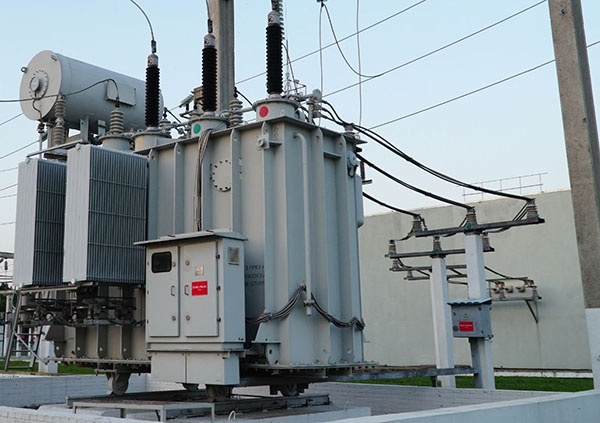
De-energizing transformers is an essential and often complex task in the electric power industry. It is a necessary procedure for maintenance, repairs, and upgrades. However, when improperly executed, it can lead to equipment damage, electrical hazards, or even fatalities. The importance of following best practices cannot be overstated, as it ensures the safety of both personnel and the equipment.
In this article, we will go over the best practices for de-energizing transformers safely. By adopting these practices, electricians and technicians can carry out their duties with greater confidence, ensuring transformer longevity and system reliability.
Why Proper De-energizing Matters
Before diving into the procedures and steps to de-energize transformers, it’s essential to understand why this process is so critical.
- Safety of Personnel De-energizing a transformer incorrectly exposes workers to the risk of electrical shock, burns, or arc flash injuries. Proper procedures ensure the safety of those working on and around the transformer.
- Protection of Equipment Improper de-energizing can cause internal electrical faults that lead to transformer damage, which can be costly and time-consuming to repair. A well-executed de-energizing procedure helps protect the transformer from being exposed to dangerous conditions like overcurrent or thermal overload.
- System Stability When de-energizing a transformer, it is vital to ensure no backfeeding of electricity occurs, as this could lead to voltage fluctuations or system instability that could affect the entire grid.
Best Practices for De-energizing Transformers Safely
1. Preparation is Key
Preparing the worksite and your team is the first step in a successful de-energizing procedure.
- Notify all personnel: Alert everyone in the area about the de-energizing process. Ensure communication lines are open so everyone is aware of the procedures being carried out.
- Check equipment status: Confirm that all necessary tools, lockout devices, and personal protective equipment (PPE) are ready before beginning the de-energizing process. Equipment like insulated gloves, rubber mats, and face shields are essential when working with live equipment.
- Ensure safe access: Make sure that the area around the transformer is clear and that all personnel are at a safe distance.
2. Disconnect the Transformer from Power Sources
One of the most crucial steps in de-energizing a transformer is ensuring that it is completely isolated from any live power sources.
- Use disconnect switches: Open the primary and secondary disconnect switches to break the connection to the power supply. These switches are usually marked and should be easily identifiable.
- Lockout/Tagout (LOTO) protocol: Implement LOTO procedures to prevent accidental re-energization. This involves locking out the switches and tagging them so they can’t be turned back on without authorization.
- Remove power sources: If the transformer is connected to any feeders or auxiliary systems, those connections must be disconnected. This prevents any backfeeding, which could re-energize the system and lead to a potential hazard.
3. Grounding the Transformer
Proper grounding of the transformer is essential for worker safety.
- Verify grounding: Ensure that the transformer is grounded securely. This helps prevent accidental electric shocks or the buildup of dangerous voltage on the transformer frame.
- Use proper grounding techniques: Connect grounding cables from the transformer frame to an earth ground to discharge any residual charges.
- Test the grounding: Use a multimeter to confirm that the grounding is effective and that no voltage remains on the transformer frame.
Personal Anecdote: “On one occasion, we had completed the de-energizing process and began maintenance only to find a potential shock risk due to a poor ground connection. It was a clear reminder of how essential a thorough grounding check is before starting work.”
4. Test for Residual Voltage
After disconnecting power and grounding the transformer, it’s time to check for any residual voltage that could still be present in the system.
- Use a voltage tester: A non-contact voltage detector can be used to check whether any voltage remains on the transformer terminals or bushing.
- Check for capacitance: Sometimes transformers can hold a charge in the form of capacitance. It is important to verify that this charge is discharged properly before proceeding with any maintenance.
5. Clearance for Maintenance Work
Once the transformer is fully de-energized and grounded, the next step is to perform your maintenance or inspection work.
- Isolate auxiliary systems: Ensure that any cooling systems, fans, or control circuits connected to the transformer are also isolated to avoid creating new risks during maintenance.
- Double-check isolation: Before opening any doors or removing covers, re-check all power isolation measures and ensure that all connections are safe for servicing.
6. Re-energizing the Transformer
After the work is completed, it’s time to re-energize the transformer. However, this process needs to be done with caution.
- Inspection before re-energizing: Inspect the transformer for any loose connections or signs of damage before re-energizing it. This ensures the transformer is ready for operation without compromising its safety.
- Slowly close switches: Gradually close the disconnect switches and energize the transformer at a low voltage level. Ensure that no sudden surges occur during the re-energization process.
- Monitor the system: Use remote monitoring systems to check for any abnormalities in the transformer’s performance once it’s re-energized. Monitoring should include temperature readings, voltage levels, and current measurements.
Tools You Will Need for Safe De-energizing
Several essential tools can make the de-energizing process more efficient and safer.
- Voltage Detectors: A non-contact voltage detector is vital to verify that the transformer is not carrying any residual voltage.
- Insulated Hand Tools: Insulated pliers, screwdrivers, and wrenches help protect workers from electric shock while working near energized components.
- Lockout/Tagout Kits: These are critical for ensuring that switches and disconnects remain in the off position during the maintenance process.
- Multimeters: These devices help measure voltage levels, current, and resistance, ensuring that no voltage remains in the system.
- Portable Grounding Systems: These ensure that the transformer is grounded correctly to avoid electrical hazards.
- PPE (Personal Protective Equipment): Safety gloves, face shields, rubber mats, and flame-resistant clothing are all necessary PPE during de-energizing procedures.
Conclusion
Properly de-energizing a transformer is not just a safety requirement—it’s a critical aspect of transformer maintenance. By following best practices, including proper preparation, grounding, disconnecting power sources, and using the right tools, you can ensure the safe handling of transformers while preventing damage to the equipment.
Safety is the number one priority when de-energizing a transformer, and the steps outlined in this article provide a comprehensive approach to achieving that. Always take the time to double-check your procedures and equipment, and never rush through the process. By doing so, you will help protect your team, your equipment, and your entire electrical system.

 Bengali
  English
  German
  Spanish
  French
  Portuguese
  Vietnamese
  Afrikaans
  Amharic
  Arabic
  Aragonese
  Moroccan Arabic
  Assamese
  Azerbaijani
  South Azerbaijani
  Belarusian
  Bulgarian
  Tibetan
  Bosnian
  Catalan
  Czech
Czech  Danish
  Welsh
Welsh  Lower Sorbian
  Dzongkha
  Greek
Greek  Esperanto
  Estonian
  Basque
  Finnish
  Indonesian
  Italian
  Malayalam
  Latvian
  Panjabi
  Romanian
  Slovenian
  Russian