
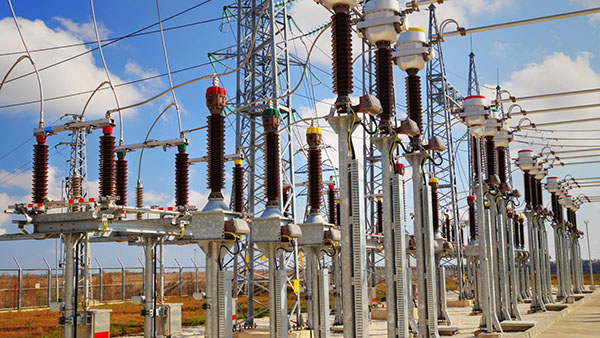
Circuit breakers are one of the most critical components in any electrical power system. Their primary function is to protect the system from overloads and short circuits by interrupting the flow of current when necessary. Ensuring that these devices function properly under high-voltage conditions is crucial for system reliability and safety. Dielectric testing for circuit breakers is one of the key maintenance tests performed to assess the integrity of the insulation within these devices.
In this guide, I’ll provide a detailed overview of dielectric testing for circuit breakers, including the types of tests, procedures, and practical considerations. Having worked with various high-voltage systems and performed countless tests on circuit breakers, I’ll also share personal insights to help you navigate this process efficiently.
What is Dielectric Testing for Circuit Breakers?
Dielectric testing evaluates the strength of the insulation within the circuit breaker, ensuring it can withstand high-voltage stress without breaking down. Circuit breakers contain several insulating components, such as insulation between contacts and ground, as well as between different parts of the breaker. Over time, this insulation can deteriorate due to environmental factors, electrical stress, and aging.
Dielectric testing is performed to:
- Ensure the insulation can handle the system’s voltage under both normal and fault conditions.
- Detect insulation deterioration before it leads to equipment failure.
- Verify circuit breaker integrity after installation, maintenance, or repairs.
Importance of Dielectric Testing for Circuit Breakers
Dielectric testing is a critical step in ensuring circuit breakers can protect electrical systems during high-stress conditions. Failures in insulation can prevent a breaker from interrupting a fault current, potentially leading to equipment damage, safety hazards, or outages.
A few years ago, I worked on a project where a circuit breaker had been in service for over 20 years without proper insulation testing. When we finally performed dielectric testing, we discovered severe insulation deterioration that had gone unnoticed for years. This early detection allowed us to replace the breaker before it caused any major issues.
Key Benefits of Dielectric Testing:
- Prevents unexpected insulation failures: Detects weak points in the insulation before they lead to catastrophic failure.
- Improves system reliability: Ensures circuit breakers will operate properly when needed.
- Compliance with standards: Meets industry requirements and ensures proper functioning based on regulatory standards like IEEE, IEC, and NEMA.
Types of Dielectric Tests for Circuit Breakers
There are two main dielectric tests commonly performed on circuit breakers:
1. Power Frequency Withstand Test (AC Dielectric Test)
In this test, an AC voltage (typically 2-3 times the rated voltage of the circuit breaker) is applied to evaluate the insulation’s ability to withstand voltage stress. This is often referred to as the “high potential test” or “hipot test.”
How it works:
- AC voltage is applied between the breaker’s contacts and ground, or between phases (in multi-phase systems).
- The voltage is gradually increased and then held for a specific duration (usually one minute).
- The insulation must withstand this voltage without breaking down, arcing, or showing signs of distress.
The power frequency withstand test is widely used because it simulates real operating conditions in systems that use AC power. It is especially useful for medium- and high-voltage circuit breakers used in substations and power distribution systems.
2. DC Dielectric Test
A DC dielectric test applies a steady direct current to the circuit breaker’s insulation. This test is generally less stressful on the insulation than an AC test and is often used for equipment that has aged or where AC testing may pose a risk of insulation damage.
How it works:
- A DC voltage (typically 1.5-2 times the rated voltage) is applied.
- The insulation resistance is measured to detect any leakage current through the insulation.
- Rising leakage current indicates insulation deterioration or moisture ingress.
While not as commonly used as AC testing for circuit breakers, the DC dielectric test is often performed on older breakers or in situations where long cable lengths complicate AC testing.
Step-by-Step Dielectric Testing Procedure for Circuit Breakers
Performing dielectric tests on circuit breakers requires careful attention to safety, setup, and procedures to ensure reliable results and prevent damage to the breaker or surrounding equipment.
Step 1: Preparation and Safety Measures
Before conducting any dielectric tests on a circuit breaker, it’s critical to ensure that all safety measures are in place:
- De-energize the circuit breaker: Ensure the breaker is disconnected from all sources of electrical power.
- Ground the breaker and surrounding equipment: Grounding is crucial to avoid any residual voltage that could present a hazard during the test.
- Use Personal Protective Equipment (PPE): Proper PPE, including insulated gloves, boots, and face shields, must be worn to protect against accidental exposure to high voltages.
- Inspect the breaker: Perform a visual inspection for any obvious damage, contamination, or moisture before starting the test. Clean the surfaces if necessary.
Step 2: Setting Up the Dielectric Test
- Connect the test equipment:
- Attach the high-voltage test leads to the breaker’s contacts and ground.
- Ensure that all connections are tight and secure to prevent arcing during the test.
- Select the appropriate test voltage:
- For AC tests, apply 2-3 times the rated voltage of the breaker.
- For DC tests, apply 1.5-2 times the rated voltage.
- Gradually increase the voltage:
- Start at a low voltage and slowly ramp up to the target test voltage.
- Monitor the breaker closely for any signs of distress, such as arcing, noise, or visual indicators of insulation failure.
Step 3: Conduct the Test
- Hold the test voltage:
- Once the target voltage is reached, hold it for the specified duration (usually one minute for AC tests).
- In DC tests, observe the leakage current. Any steady increase in leakage current over time is an indicator of deteriorating insulation.
- Monitor for insulation breakdown:
- During the test, check for any abnormal signs such as sparks, smoke, or cracking noises that could indicate insulation failure.
- In the case of a breakdown, immediately stop the test to prevent further damage to the breaker or the test equipment.
Practical Example:
During one dielectric test on a medium-voltage circuit breaker, I noticed an unusual crackling noise when we applied the test voltage. Further investigation revealed that moisture had infiltrated the insulation. Fortunately, we caught the issue before the breaker could be put back into service, which would have led to a potential failure during high load conditions.
Step 4: Recording and Analyzing Results
After completing the dielectric test, it’s essential to thoroughly document the results. This includes:
- Test voltage applied.
- Duration of the test.
- Current readings (for DC tests): Monitor and record any leakage current.
- Observations: Note any visible signs of insulation distress, breakdown, or failure.
Analyzing Results
- Pass/fail criteria: If the breaker insulation withstands the test voltage without breakdown or excessive leakage current, the breaker is considered to have passed the test.
- Recommendations: If any signs of insulation breakdown are observed, the breaker may require repair, re-insulation, or replacement before being put back into service.
Practical Considerations for Dielectric Testing of Circuit Breakers
Test Voltage Selection
Choosing the correct test voltage is critical. Applying too low a voltage may miss potential weak spots in the insulation, while applying too high a voltage could damage the insulation. Always refer to manufacturer recommendations and industry standards (e.g., IEEE, IEC) when selecting the test voltage.
Testing Frequency
The frequency of dielectric testing depends on the environment, usage, and criticality of the circuit breaker:
- New installations: Always perform dielectric tests before commissioning a new breaker to ensure insulation integrity.
- Routine maintenance: For critical breakers, dielectric tests should be performed every 3-5 years as part of regular maintenance.
- After repairs or major maintenance: Always retest the dielectric strength of a breaker after any significant repair or maintenance work involving insulation.
Environmental Considerations
The environment in which a circuit breaker operates can significantly impact its insulation. Factors like humidity, temperature, and contamination can weaken insulation over time. It’s important to consider these factors when planning dielectric tests. For instance, in high-humidity environments, it’s crucial to ensure that the breaker is properly dried before testing to avoid false positives.
Common Challenges in Dielectric Testing for Circuit Breakers
False Positives and Negatives
- False positives: External contamination such as dust, oil, or moisture can cause dielectric tests to fail even when the insulation itself is healthy. Cleaning the breaker thoroughly before testing can help avoid this issue.
- False negatives: Insufficient test voltage or improper test procedures can result in a false negative, where a weak point in the insulation is missed. Always follow the recommended test voltage and procedure to ensure accurate results.
Age of the Circuit Breaker
Older breakers may have weaker insulation due to years of exposure to electrical and environmental stress. For such breakers, DC testing may be more appropriate, as it places less stress on the insulation while still providing an accurate assessment of its condition.
Dielectric testing is an essential tool for ensuring the reliability and safety of circuit breakers. By following the correct procedures, using the appropriate equipment, and adhering to safety protocols, you can detect insulation weaknesses early, prevent unexpected failures, and extend the life of your circuit breakers.
From my experience, regular dielectric testing has prevented many costly failures in power systems, keeping both the equipment and
the people working with it safe. Circuit breakers are the last line of defense in a power system, and their insulation must be able to handle the stresses they are likely to face in real-world conditions.

 Tibetan
  English
  German
  Spanish
  French
  Portuguese
  Vietnamese
  Afrikaans
  Amharic
  Arabic
  Aragonese
  Moroccan Arabic
  Assamese
  Azerbaijani
  South Azerbaijani
  Belarusian
  Bulgarian
  Bengali
  Bosnian
  Catalan
  Czech
Czech  Danish
  Welsh
Welsh  Lower Sorbian
  Dzongkha
  Greek
Greek  Esperanto
  Estonian
  Basque
  Finnish
  Indonesian
  Italian
  Malayalam
  Latvian
  Panjabi
  Romanian
  Slovenian
  Russian