
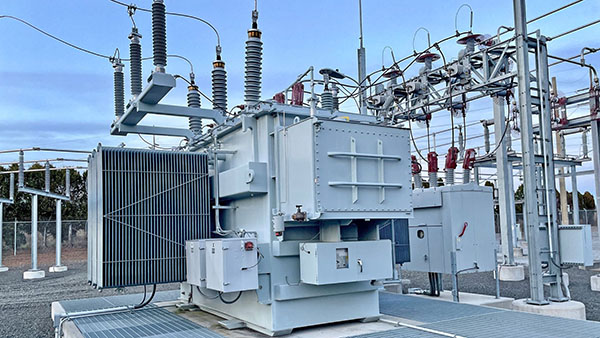
As an electrical testing professional, one of the most common and essential tests you’ll perform is the insulation resistance test. Whether you’re maintaining transformers, switchgear, cables, or other electrical equipment, the insulation resistance (IR) test plays a crucial role in ensuring the integrity and longevity of these systems. However, the real challenge often lies in interpreting the results correctly. A thorough understanding of what the results mean will help you make informed decisions about the condition of your equipment and whether further action is needed.
In this article, we’ll walk through the process of interpreting insulation resistance test results in a detailed and practical manner. We’ll also share insights, best practices, and real-life examples to help you gain confidence in this critical aspect of electrical testing.
What Is an Insulation Resistance Test?
Before diving into the interpretation process, let’s take a quick look at the insulation resistance test itself.
Definition of Insulation Resistance Test
An insulation resistance test involves applying a DC voltage to the equipment (such as a transformer, cable, or switchgear) and measuring the resistance between the electrical conductors and the ground. The goal of the test is to ensure that the insulation is intact and capable of preventing leakage currents that could potentially lead to short circuits, equipment failures, or safety hazards.
Insulation resistance is measured in ohms (Ω), and the values are typically expressed in megaohms (MΩ), as the resistance values in insulation are often very high. The higher the resistance, the better the insulation’s ability to prevent leakage currents.
The Importance of Interpreting Insulation Resistance Test Results
Interpreting insulation resistance test results accurately is vital for a number of reasons:
- Early Detection of Problems: Low insulation resistance values can indicate aging insulation, moisture ingress, contamination, or physical damage to the insulation. Identifying these issues early can help you take corrective action before they lead to equipment failure.
- Asset Management: Insulation resistance tests provide essential data for maintaining your equipment’s reliability. Proper interpretation ensures that your maintenance strategies are effective and prevent unnecessary replacements.
- Compliance: Depending on your region and industry, you may be required to meet certain standards and thresholds for insulation resistance. Correct interpretation ensures that you meet compliance and safety requirements.
Key Factors to Consider When Interpreting Results
To interpret insulation resistance test results correctly, several key factors need to be taken into account. These factors will guide you in understanding whether the test results are good or require further investigation.
1. Test Voltage
The voltage applied during the insulation resistance test significantly affects the test results. Typically, insulation resistance tests are performed with a DC voltage between 500 V and 5000 V, depending on the equipment being tested.
Recommended Test Voltages by Equipment Type:
- Low-voltage transformers: 500 V to 1000 V
- Medium-voltage transformers: 1000 V to 2500 V
- High-voltage transformers: 2500 V to 5000 V
The test voltage should match the equipment’s rating and insulation class. If the test voltage is too high for a specific piece of equipment, it may stress the insulation, potentially causing damage and leading to erroneous readings. On the other hand, a test voltage that’s too low might not be effective in detecting insulation weaknesses.
2. Temperature and Humidity
Environmental conditions, particularly temperature and humidity, can impact the insulation resistance reading. For instance:
- High humidity: Moisture in the air can lower the insulation resistance, giving you a false impression of poor insulation.
- Temperature variations: Insulation resistance typically increases with lower temperatures and decreases with higher temperatures. Therefore, it’s crucial to account for these environmental factors when interpreting results.
If you’re testing equipment in an environment with significant temperature fluctuations or high humidity, it’s wise to perform tests in controlled conditions or, if necessary, take measurements at different times to compare trends.
3. Time Factor and Polarization Index (PI)
Insulation resistance is not a static value. It varies with time as the insulation becomes polarized under the applied voltage. Therefore, the duration of the test is an important factor in interpreting the results. The Polarization Index (PI) is a useful tool to evaluate the quality of the insulation over time.
Polarization Index Calculation:
The PI is calculated by taking the ratio of the insulation resistance at 10 minutes to the resistance at 1 minute:
- PI = IR (10 min) / IR (1 min)
A PI value greater than 2.0 generally indicates healthy insulation, while a PI value below 1.5 may indicate issues such as moisture or contamination. A PI value between 1.5 and 2.0 is considered borderline, warranting further investigation or monitoring.
4. Insulation Resistance Value (IR)
The insulation resistance value itself is the most critical result of the test. The higher the resistance, the better the insulation’s ability to prevent leakage currents. But what is considered a good insulation resistance value?
Standard Insulation Resistance Values:
The following general thresholds are widely accepted in the industry:
- High-voltage equipment (above 36 kV): Insulation resistance should be greater than 100 MΩ.
- Medium-voltage equipment (up to 36 kV): Insulation resistance should typically be greater than 10 MΩ.
- Low-voltage equipment (below 1 kV): Insulation resistance should be greater than 1 MΩ.
5. Trend Analysis
Rather than looking at a single insulation resistance value, you should always consider trend analysis. Regular insulation resistance testing should be part of a predictive maintenance program. By comparing test results over time, you can track trends and identify gradual deterioration in insulation resistance.
A decreasing trend, even if the values are still above the minimum acceptable thresholds, may indicate that the insulation is starting to degrade and that you should take preventive measures to avoid failure.
Interpreting Results: Step-by-Step
Now that we’ve discussed the factors affecting insulation resistance readings, let’s break down the process of interpreting the results.
Step 1: Record the Test Values
Start by recording the initial test results: the insulation resistance value (in MΩ), the test voltage, and any relevant environmental conditions (such as temperature and humidity). If you’re calculating the polarization index, make sure to note the values at 1 minute and 10 minutes.
Step 2: Compare with Acceptable Standards
Once you have the recorded data, compare the insulation resistance values with the acceptable standards based on the equipment’s voltage rating and manufacturer specifications:
- Above the minimum threshold: A reading above the specified minimum indicates that the insulation is in good condition.
- Below the minimum threshold: If the insulation resistance is below the required level, the equipment may be at risk of electrical leakage, which could lead to failures or safety hazards.
Step 3: Consider the Polarization Index (PI)
If the PI is below 1.5, it indicates that the insulation is not in good condition. This could be due to moisture, contamination, or aging. In this case, further action is needed:
- Drying procedures may be needed.
- Further investigation might reveal physical damage to the insulation.
- Replacement of the insulation could be necessary if the degradation is severe.
Step 4: Trend Analysis
If your test results indicate that insulation resistance has been decreasing over time, consider the following actions:
- Investigate the cause of the downward trend. It could be due to environmental factors like moisture or temperature changes.
- Perform repairs or replacements before the resistance falls below the acceptable threshold.
Personal Experience: A Case in Point
I recall a situation where I was testing a medium-voltage transformer at a local substation. During routine testing, we found that the insulation resistance was starting to show signs of deterioration, dropping from an initial 75 MΩ to around 30 MΩ over the course of a few years. While still above the minimum threshold, the downward trend raised red flags.
Upon further inspection, we found that moisture buildup had been causing the insulation resistance to degrade. We initiated a drying procedure, and within a few weeks, the resistance returned to above 100 MΩ, and the PI was back to 2.2, indicating healthy insulation. Had we ignored the trend, the transformer might have failed prematurely, leading to costly downtime.
Conclusion
Interpreting insulation resistance test results is an essential skill for electrical professionals. By considering factors such as test voltage, environmental conditions, PI values, and historical trends, you can accurately assess the condition of your equipment and make informed decisions regarding maintenance or replacement.
As you gain experience, interpreting these results will become second nature. However, it’s crucial to remember that trends over time and regular monitoring are just as important as a single test reading. A proactive approach to insulation resistance testing can prevent unexpected failures, extend the life of your equipment, and save your organization valuable time and money.

 Tibetan
  English
  German
  Spanish
  French
  Portuguese
  Vietnamese
  Afrikaans
  Amharic
  Arabic
  Aragonese
  Moroccan Arabic
  Assamese
  Azerbaijani
  South Azerbaijani
  Belarusian
  Bulgarian
  Bengali
  Bosnian
  Catalan
  Czech
Czech  Danish
  Welsh
Welsh  Lower Sorbian
  Dzongkha
  Greek
Greek  Esperanto
  Estonian
  Basque
  Finnish
  Indonesian
  Italian
  Malayalam
  Latvian
  Panjabi
  Romanian
  Slovenian
  Russian