
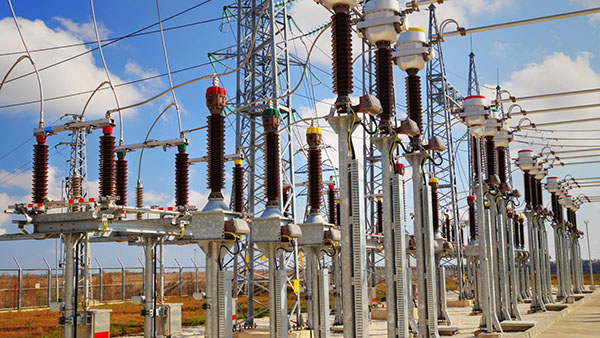
Electrical safety is a paramount concern for professionals in the electric power industry. Every day, workers maintain, inspect, and repair high-voltage systems, and even minor errors can have catastrophic consequences. One of the most critical aspects of preventing electrical accidents is ensuring the integrity of the insulation in electrical systems. Insulation resistance testing is a proven and effective method to detect weaknesses in insulation that could otherwise lead to dangerous electrical faults, shocks, or fires.
In this article, we’ll explore why insulation resistance testing is essential for safety, how it works, and best practices that every electric power industry worker should follow to avoid electrical accidents. Along the way, I’ll share some personal experiences and lessons learned to help you appreciate the value of this testing technique in real-world situations.
Understanding Insulation Resistance and Its Role in Safety
What is Insulation Resistance Testing?
Insulation resistance testing involves applying a known voltage to the insulation of electrical equipment (such as transformers, cables, and motors) and measuring how much resistance the insulation provides against electrical current. The higher the resistance, the better the insulation is at preventing electrical leakage. A sudden drop in resistance can indicate that the insulation is compromised, and the risk of electrical faults, shocks, or fires increases significantly.
The most commonly used method for insulation resistance testing is the megger test, which uses a high-voltage insulation resistance tester, or “megger,” to measure resistance in megaohms (MΩ). This tool is essential in identifying the early signs of insulation failure that could lead to accidents or equipment damage.
The Importance of Insulation in Electrical Systems
Insulation plays a vital role in protecting electrical equipment and personnel. It ensures that electrical currents remain contained within conductors and prevents stray currents from causing dangerous faults or leakage. Well-maintained insulation is a barrier that prevents electric shocks, minimizes the risk of electrical fires, and ensures the reliable operation of electrical systems.
Unfortunately, insulation can degrade over time due to various factors such as moisture, temperature extremes, chemical exposure, and mechanical wear. As insulation weakens, the resistance to electrical leakage diminishes, increasing the likelihood of catastrophic failures. This is why regular insulation resistance testing is essential.
Common Causes of Insulation Degradation
Insulation degradation can occur for many reasons, and understanding these causes is essential to prevent electrical accidents. Some of the most common causes include:
- Environmental factors: Exposure to moisture, dirt, dust, and chemicals can significantly reduce insulation quality. For instance, in areas with high humidity, insulation is more likely to absorb moisture, lowering its resistance.
- Aging materials: Over time, insulation materials such as rubber, plastics, and varnishes can degrade due to heat, pressure, and prolonged electrical stress.
- Mechanical wear: Constant movement, vibration, and bending of cables can lead to wear and tear on the insulation, making it prone to damage.
- Overloading: Overloading electrical systems can lead to overheating, which can accelerate insulation breakdown.
Recognizing these causes and conducting timely insulation resistance tests can prevent costly failures and ensure the safety of both equipment and personnel.
How Insulation Resistance Testing Can Prevent Electrical Accidents
Detecting Early Signs of Insulation Failure
One of the key benefits of insulation resistance testing is that it allows technicians to detect potential problems before they lead to electrical accidents. Even small changes in insulation resistance can signal a developing issue, and early detection allows for timely maintenance or replacement.
For example, I was once called to a site where a large transformer had been showing intermittent faults. The system was stable most of the time, but every so often, there would be a short-circuit that caused a brief power outage. During the inspection, I performed an insulation resistance test, which revealed that the insulation on one of the cables was beginning to break down. Replacing that section of cable before the fault escalated prevented a much more serious failure, saving the facility from significant downtime and potential safety risks.
Ensuring Safe Operation of Critical Equipment
Many electrical systems, particularly in substations and power plants, rely on large transformers, cables, and switchgear to maintain power distribution. When the insulation on any of these components deteriorates, the risk of a fault increases dramatically. Without regular testing, these issues can go unnoticed until a catastrophic event occurs.
For instance, I worked on a project involving a large substation, where an insulation failure led to an equipment fire. The issue could have been detected earlier through regular testing, but the lack of proactive maintenance caused a massive shutdown. As a result, not only did the company lose significant revenue due to downtime, but there was also the potential for dangerous fires, which could have put workers at risk.
This experience reinforced my belief in the importance of performing insulation resistance tests regularly. By doing so, you can ensure that critical equipment operates safely, avoiding costly downtime and reducing the risk of accidents.
Preventing Electrical Shocks and Fires
Electrical shocks are one of the most common injuries in the electrical industry, and they often occur because of degraded insulation. When insulation becomes compromised, it allows current to leak onto conductive surfaces or the equipment housing. This leakage current can cause shocks to workers who come into contact with the equipment, potentially leading to serious injuries or fatalities.
In extreme cases, weakened insulation can result in short circuits, sparking fires that could devastate entire facilities. I’ve seen first-hand how a simple insulation resistance test can prevent these types of accidents. During an inspection on a high-voltage system, I discovered an issue with the insulation on a live cable. Without the test, the issue might not have been noticed until it led to a catastrophic fault, potentially injuring workers or causing a fire.
Best Practices for Insulation Resistance Testing in the Field
Choosing the Right Equipment for Safe and Accurate Testing
Choosing the right insulation resistance tester is crucial to ensuring accurate and safe results. The tester should be capable of applying the correct test voltage (usually between 250V and 5kV), and it should have a resistance range that suits the equipment being tested. For high-voltage systems, a tester capable of measuring high-resistance values (up to 1,000 MΩ or higher) is required.
Additionally, safety features such as automatic discharge and fault detection are essential for preventing accidents during testing. For example, I once worked in a plant where the insulation resistance tester had an automatic discharge function, which provided an added layer of safety by preventing electrical shock after testing. It’s a feature I now consider a must-have on any tester I use.
Proper Safety Protocols During Insulation Testing
Before performing insulation resistance testing, it’s essential to follow safety protocols to protect yourself and your colleagues. Always make sure the equipment is properly isolated and de-energized, and use lockout/tagout procedures to prevent accidental re-energization during testing. Ensure you’re wearing the appropriate PPE such as insulated gloves, rubber boots, and a face shield.
When performing tests, take care to follow the manufacturer’s instructions and avoid creating electrical arcs or sparks. I’ve had the experience of testing a faulty circuit where improper handling of the leads caused an arc, but fortunately, the safety protocols in place prevented any injury.
Frequency of Insulation Resistance Testing
Regular insulation resistance testing is crucial for identifying potential issues before they cause serious accidents. How often you should perform the test depends on several factors, including the age of the equipment, environmental conditions, and the type of equipment being used.
For high-voltage systems, it’s recommended to perform tests at least once a year, but for critical equipment or equipment operating in harsh conditions (e.g., outdoors, high humidity, or extreme temperatures), more frequent testing may be necessary. Regular testing not only ensures safety but can also help extend the life of the equipment.
The Consequences of Skipping Insulation Resistance Testing
Increased Risk of Equipment Failures and Accidents
Skipping insulation resistance tests can result in undetected insulation issues, which can lead to expensive equipment failures and unplanned downtime. In some cases, these failures can cause electrical fires or equipment explosions, resulting in severe damage to facilities and even fatalities. Ignoring testing also increases the risk of non-compliance with safety regulations, which can lead to fines or legal action.
Impact on Worker Safety and Compliance
Worker safety should always be a top priority in the electric power industry. Inadequate insulation testing increases the risk of injury or death, as employees are more likely to come into contact with faulty equipment. Regular insulation resistance testing is not just a best practice; it’s also often mandated by safety regulations (e.g., OSHA, NFPA, and IEEE standards). Failure to comply with these standards can expose companies to legal and financial repercussions.
Conclusion: Prioritize Insulation Resistance Testing for a Safer Future
In conclusion, insulation resistance testing is an essential tool in preventing electrical accidents and ensuring the safety of electrical systems. By regularly performing insulation resistance tests, technicians can detect potential issues early, ensuring safe operation of critical equipment and preventing electrical shocks, fires, and other hazards. Regular testing, combined with proper safety protocols and the right equipment, can make all the difference in maintaining a safe working environment.
If you’re responsible for maintaining electrical systems, it’s time to prioritize insulation resistance testing in your routine maintenance schedule. By doing so, you’ll not only extend the lifespan of your equipment but also protect your workers and the integrity of your systems.
What’s your experience with insulation resistance testing? Have you encountered situations where it prevented accidents or equipment failures? Share your insights in the comments below, and don’t hesitate to reach out if you have any questions or need help selecting the right testing equipment. Stay safe, and make testing a routine part of your electrical maintenance.

 Catalan
  English
  German
  Spanish
  French
  Portuguese
  Vietnamese
  Afrikaans
  Amharic
  Arabic
  Aragonese
  Moroccan Arabic
  Assamese
  Azerbaijani
  South Azerbaijani
  Belarusian
  Bulgarian
  Bengali
  Tibetan
  Bosnian
  Czech
Czech  Danish
  Welsh
Welsh  Lower Sorbian
  Dzongkha
  Greek
Greek  Esperanto
  Estonian
  Basque
  Finnish
  Indonesian
  Italian
  Malayalam
  Latvian
  Panjabi
  Romanian
  Slovenian
  Russian