
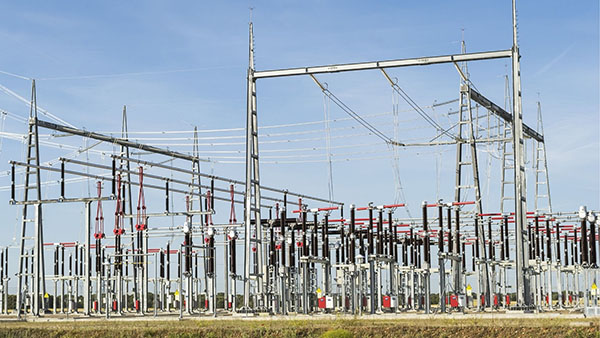
Field testing in switchyards can feel like navigating a minefield. The high voltage, tight spaces, and complicated equipment can make testing seem like an insurmountable task. However, with the right approach, you can conquer these challenges and perform accurate and safe tests every time. In this article, I’ll share my personal insights and best practices that have helped me avoid common pitfalls, ensuring your next switchyard testing session goes off without a hitch.
The Complexity of Switchyard Testing: What Makes It a Nightmare?
Switchyards are high-risk environments where electrical systems operate at their most powerful. The stakes are high, and the smallest mistake can lead to costly damage or even catastrophic failure. So, what makes switchyard testing so difficult?
Limited Space and Crowded Layouts
Switchyards are packed with equipment—transformers, circuit breakers, and protective relays. This crowded layout can make it difficult to maneuver and set up your testing equipment safely. I remember one particularly challenging project early in my career. The switchyard was a maze of steel structures and cables. I had to test a transformer under extreme time constraints, but the cramped space made it nearly impossible to reach the necessary testing points without bumping into live parts.
Tip: Always conduct a thorough walk-through of the site beforehand to understand the layout and plan your movements. This step helps ensure that you can move safely while avoiding obstacles during testing.
High Voltage and Hazardous Conditions
Another major issue is dealing with high-voltage components. The risk of electrical shock is a constant concern. In one instance, I was conducting a test on a transformer when a nearby circuit unexpectedly tripped. It was a close call, but fortunately, my training and safety protocols kept me safe.
Tip: Always check the electrical status of the equipment before proceeding with the test. Use lock-out/tag-out procedures to ensure the system is de-energized and follow your safety gear protocol strictly.
Essential Tools and Equipment for Switchyard Testing
Field testing in a switchyard requires specific tools designed to handle the harsh conditions and deliver reliable results. Let’s go over the key equipment you’ll need.
Choosing the Right Testing Instruments
The equipment you use can significantly impact the accuracy of your test results. I’ve used a variety of tools over the years, but one that stands out for testing transformers is the Transformer Turns Ratio (TTR) Tester. It’s a portable, reliable tool that makes determining transformer health easier and faster. However, I’ve learned the hard way that not all TTR testers are created equal. On a job once, a malfunctioning tester led to erroneous readings, which could have compromised the entire test.
Tip: Make sure you calibrate your testing equipment before each session to ensure accuracy. Portable testers are ideal for switchyard settings, but they must be calibrated and in good condition.
Safety Equipment
Switchyard testing involves high-voltage equipment, so proper safety gear is essential. Helmets, gloves, rubber mats, and insulated tools are non-negotiable when you are working near live equipment. One time, a co-worker of mine ignored the safety gear while inspecting a transformer. He wasn’t in immediate danger, but the risk was too high. From that day, we all made sure to follow the safety protocols strictly.
Tip: Always wear your full PPE, and make sure your team does the same. It only takes one oversight for things to go wrong.
Data Recording and Analysis Tools
Capturing and analyzing data quickly is crucial for making decisions on the fly. During a field test, I used a data logger to record transformer readings and monitor changes in real-time. It made interpreting results much easier than relying on handwritten notes, which are prone to human error.
Tip: Invest in tools that enable you to record and analyze data instantly. This can save valuable time, especially when you’re in a high-stakes testing environment.
Planning Your Field Test to Avoid Common Pitfalls
Successful switchyard testing doesn’t just rely on tools and technology. A well-thought-out plan is essential for avoiding delays and ensuring safety.
Pre-Test Planning
Before any test, take time to review the layout of the switchyard and assess any potential risks. Look for areas where you might need additional tools, or where equipment could be difficult to access. During one test I conducted, we realized that a transformer was located in a hard-to-reach corner. We hadn’t anticipated this, and it caused a significant delay. After that, we always include this consideration in our planning.
Tip: Walk through the site before starting your test. Get a good idea of what equipment is where, and plan your approach accordingly.
Test Sequencing
The order in which you perform the tests matters. Testing the wrong component first or skipping steps could give you inaccurate results. I once worked on a project where improper test sequencing caused a delay, as we had to backtrack and re-test components. We quickly learned that a logical approach—starting with insulation resistance and moving to TTR testing—saves time and reduces errors.
Tip: Plan a logical sequence of tests. Start with basic checks like insulation resistance and move to more complex tests like TTR.
Maximizing Accuracy in a Switchyard Environment
Switchyards often involve unpredictable conditions, such as extreme weather or interference from nearby electrical systems. Here’s how you can ensure your tests remain accurate despite these challenges.
Handling Environmental Factors
Weather can play a huge role in test results. I’ve had to cut tests short due to rain or extreme temperatures, but I’ve also learned how to adapt. For instance, moisture can interfere with insulation resistance tests, leading to misleading results. In one instance, I performed an insulation resistance test on a transformer during a particularly humid day, and the readings were far too low. Upon reviewing the conditions, we decided to retest once the humidity had decreased, and the results were much more reliable.
Tip: Be mindful of environmental conditions. If possible, perform tests during dry weather and avoid conducting tests when temperatures or humidity are extreme.
Avoiding Electrical Noise and Interference
Electrical noise in a switchyard can be a huge source of error, especially when you’re testing sensitive equipment like transformers. During a test, you may encounter unwanted signals from nearby high-voltage equipment, which could skew your results. I’ve learned to always look for these interferences before performing tests. Checking for “clean” test conditions minimizes the chances of receiving inaccurate data.
Tip: Use shielding or grounding techniques to reduce electrical interference during tests.
Post-Test Data Analysis: Turning Field Results Into Actionable Insights
Once you’ve completed the field tests, the next step is analyzing the results and turning them into actionable insights.
Interpreting Your Data
Switchyard tests often yield large amounts of data. To make sense of it, you need to look beyond the raw numbers and focus on trends. During one test, I found a small discrepancy in the TTR results that, at first glance, didn’t seem important. However, after reviewing the data from previous tests, I realized the discrepancy was part of a larger trend that indicated an issue with the transformer’s tap changer.
Tip: Don’t just focus on individual data points—look for patterns over time to spot issues that may not be immediately obvious.
Troubleshooting Common Issues
If your data shows an anomaly, it’s important to troubleshoot immediately. Whether it’s an issue with insulation resistance, TTR readings, or other parameters, quick identification and resolution are crucial. I once had a transformer where the TTR readings were all over the place. After checking the connections, we found that a loose wire was causing the inconsistent results.
Tip: Always double-check your connections. A loose or corroded connection is often the culprit behind inconsistent test results.
Conclusion: Conquering Switchyard Testing Challenges
Switchyard testing doesn’t have to be a nightmare. With proper planning, the right tools, and a clear understanding of the environment, you can perform accurate and reliable tests that ensure the safety and longevity of your transformers and other critical equipment.
In the end, the best advice I can offer is to be prepared, stay calm, and follow your protocols. By doing so, you’ll not only master the complexities of switchyard testing, but you’ll also gain confidence that will serve you well in your career as an electrical testing professional.

 Catalan
  English
  German
  Spanish
  French
  Portuguese
  Vietnamese
  Afrikaans
  Amharic
  Arabic
  Aragonese
  Moroccan Arabic
  Assamese
  Azerbaijani
  South Azerbaijani
  Belarusian
  Bulgarian
  Bengali
  Tibetan
  Bosnian
  Czech
Czech  Danish
  Welsh
Welsh  Lower Sorbian
  Dzongkha
  Greek
Greek  Esperanto
  Estonian
  Basque
  Finnish
  Indonesian
  Italian
  Malayalam
  Latvian
  Panjabi
  Romanian
  Slovenian
  Russian