
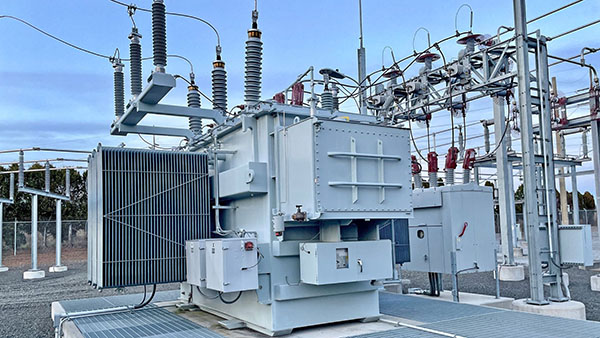
As electrical professionals, we rely heavily on standards to ensure the safety, reliability, and efficiency of transformers. One of the most crucial tests in transformer maintenance is insulation resistance testing. This test assesses the integrity of the insulation and helps prevent failures that could lead to costly repairs, downtime, or even catastrophic failures. But what does the International Electrotechnical Commission (IEC) say about transformer insulation resistance testing? In this article, we’ll explore the IEC standards for transformer insulation resistance testing, why they are important, and how to apply them in your daily work.
What is Insulation Resistance Testing?
Before we delve into the specifics of IEC standards, let’s briefly review what insulation resistance testing is and why it matters.
Definition of Insulation Resistance Testing
Insulation resistance testing involves measuring the resistance of the insulation between the transformer windings, core, and other conductive parts. This test uses a insulation resistance tester to apply a high DC voltage (typically between 500V and 5000V, depending on the transformer rating) to the transformer insulation and measure how much current leaks through the insulation.
The goal is to determine whether the insulation is still effective at preventing unwanted leakage currents. Low insulation resistance can indicate aging, moisture, contamination, or damage to the insulation, which can lead to transformer failures.
Why It’s Important
Testing insulation resistance regularly helps to:
- Prevent Transformer Failures: It detects potential insulation weaknesses before they become catastrophic issues.
- Extend the Life of Transformers: Timely maintenance can prevent costly repairs and prolong the life of transformers.
- Ensure Compliance: Following IEC standards ensures that your testing methods align with international best practices.
What is the IEC Standard for Transformer Insulation Resistance Testing?
The IEC standard for transformer insulation resistance testing is part of the broader set of guidelines laid out by the International Electrotechnical Commission for the testing, operation, and maintenance of electrical equipment. The specific standard that addresses insulation resistance testing in transformers is IEC 60076, which covers power transformers in general, including testing requirements.
IEC 60076-3: Insulation Resistance Testing
The most relevant part of the IEC standards for transformer insulation resistance testing comes from IEC 60076-3, which specifies the general requirements for the insulation resistance test for transformers. According to this standard:
1. Test Voltage
IEC 60076-3 recommends applying a DC voltage to the transformer’s insulation during the insulation resistance test. The voltage should be in the range of:
- 2 kV to 5 kV for low-voltage windings.
- 5 kV to 10 kV for high-voltage windings, depending on the transformer’s rating and voltage class.
The standard specifies that the test voltage should be applied for at least 1 minute to obtain stable readings, though the time may vary depending on the transformer size and manufacturer recommendations.
2. Test Duration
Typically, the test duration is 1 minute, but longer periods may be required depending on the transformer’s condition and manufacturer’s guidelines. This duration allows the insulation to stabilize and for any leakage current to decrease to a steady state, ensuring accurate measurement.
3. Test Methodology
The IEC 60076-3 standard emphasizes that the test should be conducted after disconnecting the transformer from all circuits and ensuring that there is no residual charge on the core or windings. A insulation resistance tester is then used to measure the resistance between the windings and earth (ground).
A high-resistance reading (typically 100 MΩ or higher) indicates good insulation, while lower readings suggest a potential issue with the transformer’s insulation system, requiring further investigation.
IEC 60076-3 Specific Guidelines for Resistance Values
The standard outlines specific guidelines for interpreting the insulation resistance values:
1. Minimum Insulation Resistance (IR) Values
IEC 60076-3 specifies that the minimum insulation resistance should meet the following criteria for different voltage levels:
- For high-voltage transformers (more than 36 kV), the minimum insulation resistance value should be at least 100 MΩ.
- For medium-voltage transformers (up to 36 kV), the minimum insulation resistance should be 10 MΩ or higher.
- For low-voltage transformers, the minimum acceptable resistance typically starts at 1 MΩ or higher.
2. Polarization Index (PI)
IEC 60076-3 also discusses the polarization index (PI), which is calculated as the ratio of the insulation resistance at 10 minutes to the resistance at 1 minute. This value helps to identify aging or moisture issues in the insulation:
- A PI of 2.0 or higher is generally considered acceptable.
- A PI value below 1.5 suggests potential issues with the insulation, such as moisture or contamination.
Why Following IEC Standards Is Crucial
As a professional electrical tester, I cannot stress enough how important it is to follow IEC standards. Let me share an example from my experience.
On one occasion, I was involved in the maintenance of a high-voltage transformer at a substation. Initially, the transformer had been performing well, but during a routine inspection, we discovered that the insulation resistance was slightly lower than expected. Instead of following the IEC 60076-3 recommendations to assess the insulation further and apply the appropriate test voltage, we proceeded with repairs without the full scope of testing.
After a few months, the transformer started to show signs of overheating. The core insulation had failed, likely due to undetected moisture buildup, and we had to replace the entire unit. If we had followed the IEC 60076-3 guidelines, the insulation resistance test would have flagged the issue early, saving time and costs.
Practical Application of IEC Standards for Insulation Resistance Testing
Now that we’ve covered the theoretical aspects, let’s discuss how to effectively apply the IEC standards in real-world testing situations. Here are some steps to follow when conducting insulation resistance tests on transformers, based on IEC 60076-3:
Step 1: Prepare the Transformer for Testing
- Disconnect the Transformer: Ensure that the transformer is disconnected from all circuits and no residual voltages remain.
- Verify Safety Protocols: Follow all standard lockout/tagout (LOTO) procedures to ensure safety before starting the test.
- Select the Appropriate insulation resistance tester: Choose a insulation resistance tester that suits the voltage rating of the transformer and the insulation voltage class.
Step 2: Conduct the Test
- Apply the Test Voltage: Use the recommended DC voltage, typically 2 kV to 5 kV for low-voltage transformers, or higher for medium to high-voltage transformers.
- Measure the Insulation Resistance: Allow the test to run for at least 1 minute and record the insulation resistance value. Ideally, it should be above 100 MΩ for high-voltage transformers.
Step 3: Calculate the Polarization Index (PI)
If required, calculate the polarization index by measuring the resistance at both 1-minute and 10-minute intervals and calculating the ratio of the two.
Step 4: Interpret the Results
- Compare the measured values to the acceptable standards mentioned in IEC 60076-3.
- If the results are below the minimum acceptable values, investigate further by performing additional tests or drying procedures.
Step 5: Documentation
- Record all test results, including the megger voltage, insulation resistance values, and PI results.
- Maintain a log of all test data for future reference and to track any trends in insulation degradation over time.
Conclusion
Transformer insulation resistance testing is an essential part of transformer maintenance, and adhering to the IEC 60076-3 standard is crucial to ensure the safety and reliability of electrical transformers. By following the IEC guidelines on test voltage, duration, and acceptable resistance values, electrical professionals can effectively monitor transformer health and prevent failures.
From my personal experience, testing insulation resistance in line with IEC standards is not just about meeting compliance requirements—it’s about safeguarding assets, improving the lifespan of transformers, and ensuring the continuous operation of power systems. Whether you’re testing low-voltage, medium-voltage, or high-voltage transformers, always follow the best practices outlined by IEC, and don’t skip the details—they matter in preventing costly failures.
By incorporating these standards into your routine testing, you contribute to the overall safety, efficiency, and longevity of the electrical grid.

 Czech
Czech  English
  German
  Spanish
  French
  Portuguese
  Vietnamese
  Afrikaans
  Amharic
  Arabic
  Aragonese
  Moroccan Arabic
  Assamese
  Azerbaijani
  South Azerbaijani
  Belarusian
  Bulgarian
  Bengali
  Tibetan
  Bosnian
  Catalan
  Danish
  Welsh
Welsh  Lower Sorbian
  Dzongkha
  Greek
Greek  Esperanto
  Estonian
  Basque
  Finnish
  Indonesian
  Italian
  Malayalam
  Latvian
  Panjabi
  Romanian
  Slovenian
  Russian