
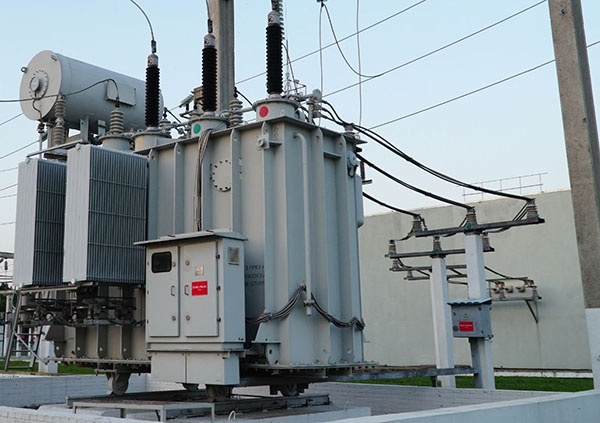
In the power industry, the performance and longevity of transformers are heavily influenced by the quality of their cable connections. Loose, corroded, or improperly maintained cable connections can lead to overheating, damage, and even failure of transformer components. Regular and proper maintenance of these connections is essential to keep the transformer operating efficiently and safely. This article provides a step-by-step guide on how to maintain transformer cable connections, ensuring that your equipment runs smoothly, reduces downtime, and prevents costly failures.
Table of Contents
- Why Cable Connections Matter
- Tools You Need for Cable Connection Maintenance
- Step-by-Step Guide to Cable Connection Maintenance
- Common Issues with Cable Connections and How to Prevent Them
- Best Practices for Ongoing Cable Maintenance
- Case Study: Preventing Failure with Proper Cable Maintenance
- Conclusion: The Importance of Regular Cable Connection Maintenance
Why Cable Connections Matter
Cable connections are critical components of transformers, as they provide the electrical pathways that allow energy to flow from the transformer to external systems. Over time, these connections are subjected to stress from electrical current, mechanical forces, and environmental factors, which can cause wear and tear. If left unchecked, loose or degraded connections can create heat, resistance, and potentially lead to transformer failure.
A proper connection ensures that electrical current flows efficiently, with minimal loss or heating. It also prevents dangerous arcs or short circuits, which could lead to serious safety issues, equipment damage, or power outages. For this reason, regular inspection and maintenance of transformer cable connections are a key part of keeping transformers operating safely and efficiently.
Tools You Need for Cable Connection Maintenance
To ensure that cable connections are maintained properly, certain tools are essential. Below is a list of the most critical tools you’ll need for this job:
1. Torque Wrench
A torque wrench is necessary for ensuring that cable connections are tightened to the proper specifications, avoiding over-tightening or under-tightening that could lead to damage or poor performance.
2. Multimeter
A multimeter is used to measure electrical continuity and resistance across cable connections. It helps you determine if the connection is functioning properly or if there is any excessive resistance indicating a problem.
3. Insulation Resistance Tester
This tool checks the insulation around cables and connections to ensure that they are intact. It helps detect any degradation that could lead to shorts or electrical leaks.
4. Thermal Imaging Camera
Thermal imaging allows you to scan for heat spots around connections that may indicate excessive resistance or impending failure. Hot spots can be early indicators of cable issues that need addressing before they cause further damage.
5. Cable Cutters and Strippers
These tools are essential for cutting and stripping cables to ensure proper installation and maintenance of cable connections. They help ensure that cables are cleanly cut and ready for re-connection when needed.
6. Cleaning Tools
Use cleaning agents and abrasive tools like wire brushes to clean off any dirt, corrosion, or oxidation that may have built up on the connections.
Step-by-Step Guide to Cable Connection Maintenance
3.1 Visual Inspection
The first step in maintaining transformer cable connections is a thorough visual inspection. Regularly check all visible connections for signs of wear, corrosion, discoloration, or physical damage. Pay close attention to:
- Corrosion: Rust or greenish discoloration, which indicates that moisture is present and affecting the connection.
- Discoloration or Burns: Heat or arcing can leave discoloration on the cables or connectors. Burn marks are a clear sign that there may have been an electrical fault or that the cable was too loose.
- Physical Damage: Cracks in the cable insulation, fraying, or missing cable clamps that could affect the connection’s integrity.
Make sure all parts of the connection are intact, and if necessary, replace any worn-out components.
3.2 Tightening and Securing Connections
Once you’ve identified areas that need attention, the next step is to tighten the connections. Use a torque wrench to ensure that all connections are tightened to the specified torque values as per the manufacturer’s guidelines. Avoid using excessive force, as over-tightening can damage the cables and connectors.
Ensure that the cable connections are secure and there’s no risk of loosening due to external factors such as vibration or thermal cycling. If necessary, use locking connectors or cable clamps to keep the connections firmly in place.
3.3 Cleaning Connections
Cleaning cable connections is a crucial part of maintenance. Dirt, dust, moisture, and corrosion can build up over time, which can impact the quality of the electrical contact. Use non-abrasive cleaning agents to remove dirt and wire brushes to clean off corrosion or oxidation. Be sure to clean both the cable and the connectors to ensure a solid, reliable connection.
For areas with significant corrosion, you may need to replace the connectors or cables entirely, as corrosion can degrade their electrical performance.
3.4 Insulation Inspection
Check the insulation around the cables for any signs of damage, such as cracks, cuts, or wear. Damaged insulation can expose the conductive parts of the cables, increasing the risk of shorts or electrical leaks. Use an insulation resistance tester to check for potential issues.
If you find any damage to the insulation, replace the cables or connectors immediately to prevent safety hazards or transformer failure.
3.5 Testing Electrical Continuity
Using a multimeter, test the electrical continuity of the connections to ensure that current is flowing properly. Measure the resistance at each connection point. A high resistance reading suggests that the connection is loose or corroded, which could lead to overheating and failure. If resistance readings are abnormal, further investigation and repair are required.
Common Issues with Cable Connections and How to Prevent Them
Some common issues that affect cable connections include:
1. Corrosion
Corrosion occurs due to moisture or environmental exposure and can weaken connections over time. Ensure that connections are cleaned regularly and that cables are protected from external moisture. Use anti-corrosion sprays or coating for added protection.
2. Loose Connections
Loose connections are one of the most common causes of overheating in transformers. Regularly tighten cable connections using a torque wrench to prevent this issue.
3. Insulation Breakdown
Over time, the insulation around cables can degrade due to thermal cycling, mechanical stress, or environmental exposure. Regular inspection of insulation and timely replacement of damaged cables can help prevent electrical faults.
Best Practices for Ongoing Cable Maintenance
1. Regular Inspections
Perform visual inspections and thermal imaging regularly to detect any problems early. Inspections should be scheduled at regular intervals, such as every 6 months or according to the manufacturer’s recommendations.
2. Use Quality Materials
Use high-quality cables and connectors that are rated for the specific operational conditions of the transformer. Quality materials are less likely to degrade and can withstand the stresses placed on transformer components.
3. Monitor Temperature
Monitor the temperature of the cables and connectors to detect any unusual heat buildup. A thermal imaging camera can help you spot hot spots that indicate excess resistance or poor connections.
4. Record Keeping
Maintain a log of all inspections and maintenance activities, including photos and readings from tools like multimeters or thermal cameras. Keeping detailed records helps identify recurring issues and track the health of the transformer over time.
Case Study: Preventing Failure with Proper Cable Maintenance
At a large industrial facility, transformers were experiencing frequent outages. Upon investigation, technicians discovered that many of the outages were caused by loose cable connections, which had resulted in overheating and component damage. By implementing a regular cable connection inspection schedule, tightening all connections with a torque wrench, and using thermal imaging to identify hot spots, the facility was able to prevent further transformer failures. This proactive approach saved the company significant repair costs and downtime.
Conclusion: The Importance of Regular Cable Connection Maintenance
Regular cable connection maintenance is essential for ensuring the safe and efficient operation of transformers. By following a detailed inspection and maintenance routine—using the proper tools and techniques—you can avoid the risks associated with loose, corroded, or damaged connections. Timely identification of issues and the use of quality materials can extend the life of transformers, reduce downtime, and improve overall grid reliability.

 Dzongkha
  English
  German
  Spanish
  French
  Portuguese
  Vietnamese
  Afrikaans
  Amharic
  Arabic
  Aragonese
  Moroccan Arabic
  Assamese
  Azerbaijani
  South Azerbaijani
  Belarusian
  Bulgarian
  Bengali
  Tibetan
  Bosnian
  Catalan
  Czech
Czech  Danish
  Welsh
Welsh  Lower Sorbian
  Greek
Greek  Esperanto
  Estonian
  Basque
  Finnish
  Indonesian
  Italian
  Malayalam
  Latvian
  Panjabi
  Romanian
  Slovenian
  Russian