
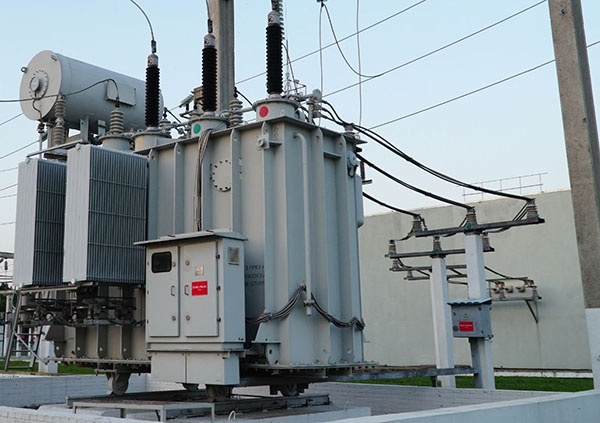
Learn how to accurately check transformer load with our comprehensive guide. Essential techniques, tools, and best practices for electric power industry professionals to ensure transformer efficiency and reliability.
1. Introduction: The Importance of Monitoring Transformer Load
Transformers are the backbone of electrical power systems, facilitating the efficient transmission and distribution of electricity across various voltage levels. Ensuring that transformers operate within their optimal load capacities is crucial for maintaining system reliability, enhancing efficiency, and prolonging transformer lifespan. Monitoring transformer load allows electric power industry professionals to detect potential issues early, optimize performance, and prevent costly downtimes.
Why Transformer Load Monitoring Matters:
- Efficiency Optimization: Ensures transformers operate at peak efficiency, minimizing energy losses.
- Preventing Overloads: Avoids transformer overheating and potential failures by maintaining appropriate load levels.
- Cost Savings: Reduces operational costs through efficient energy management and timely maintenance.
- System Reliability: Enhances overall power system stability by ensuring consistent transformer performance.
Key Insight: Accurate monitoring of transformer load is essential for optimizing performance, ensuring reliability, and extending the operational life of transformers within the power system.
2. Understanding Transformer Load
Before delving into the methods of checking transformer load, it’s essential to understand what transformer load entails and why it is a critical parameter in transformer management.
2.1. What is Transformer Load?
Transformer load refers to the electrical demand placed on a transformer by the connected equipment and systems. It is typically expressed in terms of power (kVA/kW) and is a measure of how much electrical power the transformer is supplying to the load.
- Load Power (kVA): Represents the apparent power delivered by the transformer, combining both real power (kW) and reactive power (kVAR).
- Load Current (Amperes): The current flowing through the transformer’s windings to supply the connected load.
Load Rating: The maximum load a transformer can handle without exceeding its thermal and operational limits, ensuring safe and efficient performance.
2.2. Why Monitoring Transformer Load is Crucial
Monitoring transformer load is vital for several reasons:
- Preventing Overload Conditions: Excessive load can lead to overheating, insulation breakdown, and transformer failure.
- Enhancing Efficiency: Ensuring transformers operate within optimal load ranges minimizes energy losses and improves overall system efficiency.
- Prolonging Transformer Lifespan: Proper load management reduces thermal stress, extending the service life of transformers.
- Ensuring System Stability: Balanced load distribution across transformers maintains voltage stability and prevents power quality issues.
Practical Tip: Regularly monitoring transformer load helps in identifying trends and potential issues, enabling proactive maintenance and operational adjustments to maintain system integrity.
3. Tools and Equipment for Checking Transformer Load
Accurate measurement and monitoring of transformer load require specialized tools and equipment. Below are the essential instruments used in the process.
3.1. Multimeters and Clamp Meters
- Digital Multimeters (DMMs): Used to measure voltage, current, resistance, and other electrical parameters with high accuracy.
- Clamp Meters: Allow for non-intrusive measurement of current by clamping around a conductor without breaking the circuit.
Usage: Ideal for basic load measurements, verifying voltage levels, and checking current flow in transformer windings.
3.2. Power Analyzers
Power Analyzers provide comprehensive analysis of electrical power parameters, including real power (kW), apparent power (kVA), reactive power (kVAR), power factor, and harmonic distortion.
Usage: Essential for detailed load assessments, performance monitoring, and identifying power quality issues affecting transformer load.
3.3. Load Banks
Load Banks are devices that simulate electrical loads, allowing transformers to be tested under controlled load conditions.
Usage: Used for performing load tests, verifying transformer capacity, and conducting acceptance testing during installation or maintenance.
3.4. Thermal Cameras
Thermal Cameras detect and visualize temperature variations on the transformer’s surface, identifying hotspots and areas of excessive heating.
Usage: Useful for preventive maintenance, identifying load-related thermal issues, and ensuring uniform temperature distribution across transformer components.
Practical Tip: Utilize a combination of these tools to obtain a comprehensive understanding of transformer load and performance, ensuring accurate measurements and effective monitoring.
4. Step-by-Step Guide to Checking Transformer Load
Checking a transformer’s load involves a systematic approach to ensure accurate measurement and interpretation. Follow these steps to effectively assess transformer load.
4.1. Preparation and Safety Precautions
Safety First:
- Personal Protective Equipment (PPE): Wear insulated gloves, safety goggles, flame-resistant clothing, and appropriate footwear.
- Lockout/Tagout (LOTO): Implement LOTO procedures to ensure the transformer is de-energized and cannot be accidentally energized during testing.
- Proper Ventilation: Ensure the testing area is well-ventilated to dissipate heat generated during the test.
- Fire Safety Measures: Have fire extinguishers and emergency shutdown procedures in place in case of overheating or electrical faults.
Preparation:
- Review Transformer Specifications: Familiarize yourself with the transformer’s rated capacity, voltage levels, and operational parameters.
- Gather Required Tools: Ensure all necessary tools and equipment (multimeters, clamp meters, power analyzers, load banks, thermal cameras) are calibrated and in good working condition.
- Plan the Test Procedure: Outline the steps to be followed, ensuring a systematic approach to measuring and recording data.
Practical Tip: Never overlook safety protocols. Proper safety measures are the foundation of any successful and incident-free transformer load assessment.
4.2. Performing a No-Load Test
A No-Load Test helps in understanding the core losses (iron losses) and the no-load current of the transformer. While it doesn’t directly measure the load, it provides baseline data essential for subsequent load assessments.
Steps:
- Isolate the Transformer: Ensure the transformer is disconnected from all loads.
- Connect to Voltage Source: Energize the primary winding with the rated voltage while keeping the secondary winding open.
- Measure Input Parameters: Use a wattmeter to measure the input power (P₀), voltmeter for voltage (V₀), and ammeter for no-load current (I₀).
- Record Data: Document the measured values for analysis.
Practical Tip: Use the No-Load Test results as a reference point for calculating load-related parameters, ensuring accurate assessment of transformer performance under load conditions.
4.3. Conducting a Load Test
A Load Test evaluates the transformer’s performance under actual or simulated load conditions, measuring both copper losses and voltage regulation.
Steps:
- Apply Controlled Load: Connect a load bank or actual load to the secondary winding, ensuring it does not exceed the transformer’s rated capacity.
- Measure Input and Output Parameters:
- Primary Side: Measure voltage (V₁), current (I₁), and input power (P₁).
- Secondary Side: Measure voltage (V₂), current (I₂), and output power (P₂).
- Monitor Temperature: Use a thermal camera to monitor transformer temperatures, ensuring they remain within safe limits.
- Record Data: Document all measurements for analysis.
Practical Tip: Gradually apply the load to prevent sudden electrical stress on the transformer, ensuring a smooth and controlled load application process.
4.4. Analyzing Load Measurements
Analyzing the data collected from both No-Load and Load Tests provides insights into transformer efficiency, load losses, and overall performance.
Calculations:
- Copper Loss (Load Condition): Copper Loss=P1−P2−Iron Loss
- P₁: Input power during load test
- P₂: Output power during load test
- Iron Loss: Obtained from No-Load Test
- Voltage Regulation: Voltage Regulation (%)=(Vp−Vs)/Vs×100%
- Vₚ: Primary voltage under load
- Vₛ: Secondary voltage under load
Interpretation:
- High Copper Losses: Indicate increased winding resistance, possible insulation degradation, or overloading.
- High Iron Losses: Suggest core inefficiencies, such as poor core material or core saturation.
- Poor Voltage Regulation: Reflects inadequate transformer design or excessive load, impacting system stability.
Practical Tip: Compare measured losses with manufacturer specifications to identify deviations and determine necessary corrective actions, ensuring transformer operates within optimal parameters.
5. Personal Anecdote: Ensuring Transformer Reliability Through Load Monitoring
A few years ago, I was part of a maintenance team at a large manufacturing plant that relied heavily on multiple transformers to power its extensive production lines. One of the transformers began exhibiting signs of inefficiency—higher operating temperatures and fluctuating voltage levels under load were reported, leading to intermittent equipment malfunctions.
During a routine assessment, we decided to perform comprehensive load testing on the suspect transformer. Starting with a No-Load Test, we established baseline iron loss values and observed normal no-load current. However, during the subsequent Load Test, the copper losses were significantly higher than expected, indicating increased winding resistance.
Further inspection revealed that one of the windings had deteriorated insulation, causing partial short circuits and elevated resistance. By identifying this issue early through diligent load monitoring, we were able to re-insulate the winding and prevent a potential transformer failure that could have resulted in costly downtimes and production losses.
Lesson Learned: Regular and thorough load monitoring is essential for detecting early signs of transformer inefficiency and preventing major failures, ensuring uninterrupted and reliable power supply within industrial settings.
6. Case Study: Optimizing Transformer Performance in a Commercial Facility
Setting
A commercial facility comprising multiple office buildings and retail outlets experienced frequent power quality issues, including voltage sags and equipment overheating. The facility relied on several transformers to supply power, necessitating a detailed investigation into transformer load and performance.
Approach
- Initial Assessment:
- Conducted a comprehensive load analysis to understand power demand patterns across different sections of the facility.
- Performed No-Load Tests to measure baseline iron losses and ensure core integrity.
- Load Testing:
- Executed Load Tests on each transformer, applying both actual and simulated loads to assess performance under varying conditions.
- Utilized power analyzers and thermal cameras to monitor electrical parameters and temperature distribution.
- Data Analysis:
- Identified transformers with higher-than-expected copper losses, indicating increased winding resistance.
- Noted poor voltage regulation in transformers serving high-load areas, leading to voltage sags and equipment stress.
- Implementing Solutions:
- Rewound affected transformers with higher quality conductors to reduce winding resistance and copper losses.
- Rebalanced loads across transformers to ensure even distribution and prevent overloading of specific units.
- Upgraded cooling systems in transformers exhibiting excessive heating to maintain optimal operating temperatures.
- Post-Implementation Monitoring:
- Re-conducted Load Tests to verify improvements in copper losses and voltage regulation.
- Implemented continuous monitoring systems to track transformer performance in real-time, enabling proactive maintenance and rapid issue resolution.
Outcome
- Improved Power Quality: Resolved voltage sag issues, ensuring stable and consistent power supply across all facility sections.
- Enhanced Transformer Efficiency: Reduced copper losses and optimized load distribution, leading to lower energy consumption and operational costs.
- Increased System Reliability: Prevented transformer overheating and potential failures, ensuring uninterrupted operations and equipment longevity.
- Cost Savings: Minimized maintenance costs and avoided emergency repairs through proactive load management and transformer optimization.
Key Takeaway: Strategic load monitoring and management can significantly enhance transformer performance, improve power quality, and reduce operational costs in commercial facilities, ensuring reliable and efficient power distribution.
7. Best Practices for Monitoring and Managing Transformer Load
Implementing best practices in transformer load monitoring and management ensures optimal performance, efficiency, and longevity. Below are key strategies to achieve effective load management.
7.1. Regular Monitoring and Testing
- Scheduled Load Assessments: Conduct routine load tests to monitor transformer performance and detect anomalies early.
- Continuous Monitoring Systems: Utilize automated monitoring tools to track real-time load, temperature, and voltage levels, enabling prompt detection of issues.
- Trend Analysis: Analyze historical load data to identify patterns, predict future load demands, and optimize transformer utilization.
Practical Tip: Establish a regular testing schedule and integrate continuous monitoring systems to maintain ongoing insights into transformer load and performance.
7.2. Implementing Automated Monitoring Systems
- Smart Sensors: Deploy IoT-enabled sensors to continuously monitor key parameters such as current, voltage, temperature, and power factor.
- Data Integration: Integrate monitoring systems with centralized data platforms for comprehensive analysis and reporting.
- Alert Mechanisms: Set up automated alerts to notify technicians of abnormal load conditions or parameter deviations, facilitating immediate intervention.
Practical Tip: Leverage advanced monitoring technologies to enhance visibility into transformer load dynamics, enabling proactive maintenance and operational adjustments.
7.3. Proper Load Distribution
- Balanced Loads: Ensure loads are evenly distributed across all phases and transformers to prevent overloading specific units.
- Load Scheduling: Implement load scheduling strategies to manage peak demands and distribute loads efficiently throughout the day.
- Redundancy Planning: Design transformer setups with redundancy to handle load fluctuations and ensure continuous power supply during maintenance or failures.
Practical Tip: Optimize load distribution by regularly reviewing load patterns and adjusting transformer assignments to maintain balanced and efficient power distribution.
7.4. Maintenance and Inspection
- Routine Inspections: Perform regular visual and electrical inspections to identify signs of wear, overheating, or insulation issues.
- Preventive Maintenance: Schedule preventive maintenance activities, such as cleaning, tightening connections, and replacing worn components, to maintain transformer health.
- Documentation: Keep detailed records of all maintenance activities, load measurements, and performance tests to track transformer condition over time.
Practical Tip: Implement a comprehensive maintenance program that includes regular inspections and preventive measures to sustain transformer performance and prevent unexpected failures.
8. Troubleshooting Common Issues Related to Transformer Load
Despite best practices, transformer load issues can arise, affecting performance and reliability. Effective troubleshooting strategies are essential for maintaining optimal transformer operation.
8.1. Overloading
Symptoms:
- Excessive heating of transformer windings.
- Decreased transformer efficiency and increased energy losses.
- Frequent tripping of protective devices.
Possible Causes:
- Increased Load Demand: Sudden or sustained increases in connected loads beyond transformer capacity.
- Load Imbalance: Uneven distribution of loads across transformer phases.
- Faulty Equipment: Malfunctioning equipment drawing excessive current.
Troubleshooting Steps:
- Verify Load Ratings: Ensure that the connected load does not exceed the transformer’s rated capacity.
- Check Load Distribution: Assess and rebalance loads across all phases and transformers to prevent overloading specific units.
- Inspect Connected Equipment: Identify and repair or replace faulty equipment that may be causing excessive current draw.
- Upgrade Transformer Capacity: Consider increasing transformer capacity or adding additional units to handle higher load demands.
Practical Tip: Monitor load trends and plan for capacity upgrades proactively to prevent overloading and maintain transformer reliability.
8.2. Underloading
Symptoms:
- Low load current leading to inefficient transformer operation.
- Increased core losses relative to load losses.
- Potential for oil stratification in oil-filled transformers.
Possible Causes:
- Reduced Load Demand: Decreased power requirements due to operational changes or equipment shutdowns.
- Transformer Sizing: Transformers oversized for the current load, leading to underutilization.
- Control System Issues: Faulty load management systems causing inconsistent load distribution.
Troubleshooting Steps:
- Assess Load Requirements: Reevaluate current load demands to determine if transformer sizing is appropriate.
- Reconfigure Load Distribution: Adjust load assignments to utilize transformers more effectively, reducing underloading.
- Implement Load Management: Use load scheduling and demand management techniques to optimize transformer utilization.
- Consider Transformer Re-sizing: Replace oversized transformers with appropriately rated units to enhance efficiency and reduce losses.
Practical Tip: Balance transformer sizing with actual load demands to prevent underloading and ensure efficient transformer operation.
8.3. Load Imbalance
Symptoms:
- Uneven voltage levels across different phases.
- Increased neutral current in three-phase systems.
- Reduced overall system efficiency and potential equipment stress.
Possible Causes:
- Uneven Load Distribution: Disproportionate loading of different phases or transformers.
- Phase Connection Issues: Incorrect wiring or connection faults causing imbalance.
- Variable Loads: Fluctuating or inconsistent load demands across phases.
Troubleshooting Steps:
- Measure Phase Loads: Use clamp meters or power analyzers to measure and compare loads across all phases.
- Identify Discrepancies: Detect phases with significantly higher or lower loads compared to others.
- Rebalance Loads: Adjust load assignments to achieve a more balanced distribution across all phases and transformers.
- Inspect Connections: Check phase connections and wiring for faults or inconsistencies contributing to load imbalance.
Practical Tip: Regularly monitor phase loads and implement load balancing strategies to maintain voltage stability and enhance system efficiency.
8.4. Faulty Connections
Symptoms:
- Unexplained voltage drops and fluctuations.
- Overheating at connection points.
- Increased transformer losses and reduced efficiency.
Possible Causes:
- Loose Connections: Poorly tightened connections increasing contact resistance.
- Corroded Terminals: Oxidation and corrosion affecting connection integrity.
- Damaged Conductors: Physical damage to conductors leading to intermittent connections.
Troubleshooting Steps:
- Inspect All Connections: Perform a thorough visual and physical inspection of all transformer connections.
- Tighten Loose Connections: Ensure all connections are securely tightened to minimize contact resistance.
- Clean and Recondition Terminals: Remove corrosion and clean terminal surfaces to restore good electrical contact.
- Replace Damaged Conductors: Repair or replace any conductors showing signs of physical damage or wear.
Practical Tip: Regularly inspect and maintain transformer connections to prevent faulty connections, ensuring reliable load handling and minimizing transformer losses.
9. Future Trends in Transformer Load Management
The electric power industry is continuously advancing, adopting innovative technologies and methodologies to enhance transformer load management. Emerging trends focus on increasing automation, improving diagnostic accuracy, and leveraging data analytics for predictive maintenance.
9.1. Integration of IoT and Smart Sensors
- Real-Time Load Monitoring: IoT-enabled smart sensors provide continuous monitoring of transformer load, temperature, and voltage levels, enabling instant detection of anomalies.
- Automated Data Collection: Smart sensors automatically collect and transmit load data to centralized systems, reducing the need for manual data logging and enhancing data accuracy.
- Remote Diagnostics: Operators can access transformer load data remotely, facilitating timely interventions without the need for on-site presence.
9.2. Artificial Intelligence (AI) and Machine Learning
- Predictive Load Analytics: AI algorithms analyze historical and real-time load data to predict potential transformer overloads and performance issues based on usage patterns.
- Anomaly Detection: Machine learning models identify unusual load patterns that may indicate emerging issues, enabling early intervention and maintenance.
- Optimized Load Scheduling: AI-driven insights help in optimizing load distribution and scheduling, ensuring efficient transformer utilization and minimizing losses.
9.3. Enhanced Diagnostic Tools
- Advanced Power Analyzers: Development of more sophisticated power analyzers with higher precision and comprehensive data collection capabilities for detailed load assessments.
- Portable Load Testing Devices: Creation of more portable and versatile load testing tools that allow for flexible and on-site transformer load evaluations.
- Augmented Reality (AR) Tools: AR tools provide technicians with real-time guidance and visualization during load testing, enhancing accuracy and efficiency.
9.4. Digital Twins and Simulation
- Virtual Load Testing Environments: Digital twins simulate transformer load under various operational scenarios, helping engineers anticipate and mitigate potential issues before physical testing.
- Performance Optimization: Simulation models assist in optimizing transformer design and operational parameters to minimize load-induced losses and enhance efficiency.
- Training and Education: Digital twins offer realistic platforms for training maintenance personnel, improving their ability to manage transformer load accurately and safely.
Industry Outlook: Embracing these advanced technologies will significantly enhance transformer load management capabilities, enabling more precise, efficient, and proactive maintenance practices that ensure system stability and longevity.
10. Conclusion
Accurately checking and managing transformer load is essential for optimizing transformer performance, ensuring system reliability, and minimizing operational costs within the electric power industry. By understanding the fundamentals of transformer load, utilizing the right tools and equipment, and following systematic testing procedures, industry professionals can effectively monitor and manage transformer loads.
Implementing best practices such as regular monitoring, load balancing, preventive maintenance, and adopting advanced technologies like IoT and AI enhances transformer efficiency and longevity. Additionally, proactive troubleshooting of common load-related issues ensures that transformers operate within their optimal parameters, preventing costly downtimes and enhancing overall power system stability.
As the industry progresses, integrating innovative diagnostic tools and predictive maintenance strategies will further revolutionize transformer load management, supporting the sustainability and resilience of electrical power systems.
Key Takeaway: Effective transformer load monitoring and management are crucial for maintaining efficient, reliable, and cost-effective power systems, ultimately supporting the sustainability and resilience of the electric power industry.
11. FAQ
- What is transformer load?
- Transformer load refers to the electrical demand placed on a transformer by the connected equipment and systems. It is typically measured in kilovolt-amperes (kVA) or kilowatts (kW) and indicates how much power the transformer is supplying to the load.
- Why is it important to check a transformer’s load?
- Checking a transformer’s load is important to ensure that it operates within its rated capacity, prevent overloading, optimize efficiency, reduce energy losses, and extend the transformer’s lifespan. Proper load management also enhances overall power system reliability and stability.
- What tools are needed to check a transformer load?
- Essential tools include multimeters, clamp meters, power analyzers, load banks, and thermal cameras. These instruments help measure voltage, current, power parameters, and temperature, providing comprehensive insights into transformer load and performance.
- How often should transformer load be checked?
- Transformer load should be checked regularly as part of a preventive maintenance program. The frequency depends on the transformer’s usage, operating conditions, and criticality within the power system. Typically, load assessments are conducted annually or biannually, with more frequent monitoring for high-stress or critical transformers.
- What is a No-Load Test and how does it relate to checking transformer load?
- A No-Load Test involves energizing the transformer’s primary winding while keeping the secondary winding open. It measures core losses (iron losses) and no-load current, providing baseline data essential for calculating load-related parameters during subsequent Load Tests.
- Can transformer load affect power quality?
- Yes, improper transformer load management can lead to power quality issues such as voltage sags, fluctuations, and imbalances. Overloading transformers can cause excessive voltage drops and overheating, while underloading can result in inefficient operation and increased core losses.
- What are the signs of an overloaded transformer?
- Signs of an overloaded transformer include excessive heating, higher-than-normal energy consumption, frequent tripping of protective devices, reduced voltage regulation, and visible signs of wear or insulation degradation.
- How does load imbalance affect transformer performance?
- Load imbalance can lead to uneven voltage levels across different phases, increased neutral current in three-phase systems, and overall reduced system efficiency. It can also cause excessive heating and stress on specific transformer windings, potentially leading to premature failures.
- What steps can be taken to prevent transformer overloading?
- To prevent transformer overloading, conduct regular load assessments, implement balanced load distribution, use load scheduling techniques, ensure accurate transformer sizing, and utilize continuous monitoring systems to detect and address load anomalies promptly.
- How can advanced technologies like IoT and AI enhance transformer load management?
- IoT and AI technologies enhance transformer load management by enabling real-time monitoring, predictive analytics, anomaly detection, and optimized load scheduling. These technologies facilitate proactive maintenance, improve diagnostic accuracy, and ensure transformers operate within their optimal load ranges, enhancing overall system reliability and efficiency.
Author’s Note: Always adhere to manufacturer guidelines and industry standards (e.g., IEEE, IEC) when checking and managing transformer load. Proper training, strict safety protocols, and the use of calibrated, appropriate testing equipment are essential for accurate diagnostics and maintaining the reliability and efficiency of power systems.

 Greek
Greek  English
  German
  Spanish
  French
  Portuguese
  Vietnamese
  Afrikaans
  Amharic
  Arabic
  Aragonese
  Moroccan Arabic
  Assamese
  Azerbaijani
  South Azerbaijani
  Belarusian
  Bulgarian
  Bengali
  Tibetan
  Bosnian
  Catalan
  Czech
Czech  Danish
  Welsh
Welsh  Lower Sorbian
  Dzongkha
  Esperanto
  Estonian
  Basque
  Finnish
  Indonesian
  Italian
  Malayalam
  Latvian
  Panjabi
  Romanian
  Slovenian
  Russian