
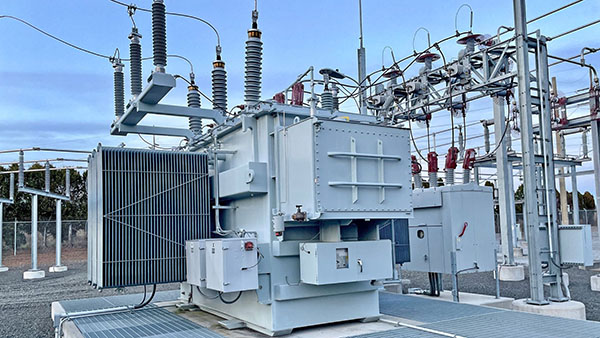
Transformer Turns Ratio (TTR) testing is a crucial process in maintaining the health and efficiency of transformers, especially in high-voltage electrical systems. In this comprehensive guide, we’ll walk you through everything you need to know about Transformer Turns Ratio Testing equipment, including what it is, why it’s important, and how to choose the right tools for your needs.
What Is Transformer Turns Ratio Testing?
Transformer Turns Ratio (TTR) testing is the process of measuring the ratio of the number of turns in the primary winding to the number of turns in the secondary winding of a transformer. This ratio helps determine if the transformer is operating within its specified parameters and is crucial for ensuring optimal performance, efficiency, and safety in electrical power systems.
A transformer’s turns ratio must remain consistent over time. Any deviation in this ratio may indicate issues such as winding faults, core problems, or incorrect tap settings. TTR testing is typically conducted during transformer maintenance, installation, or troubleshooting.
Why Is TTR Testing Important?
TTR testing provides valuable insights into the health of a transformer, and regular testing is essential for the following reasons:
1. Early Detection of Faults
- By comparing the test results with the manufacturer’s specifications, technicians can identify issues such as shorted or open windings, incorrect tap settings, or damage to the core before they lead to costly failures.
2. Ensures Optimal Transformer Operation
- Transformers need to maintain their designed turns ratio for proper voltage regulation. Deviations from the rated ratio can result in inefficient power distribution and potential equipment damage.
3. Compliance with Industry Standards
- Regular TTR testing ensures transformers meet industry standards and regulatory requirements, preventing operational disruptions and ensuring safety in electrical systems.
4. Enhances Preventive Maintenance
- Conducting TTR tests on a scheduled basis helps electrical engineers monitor the transformer’s performance and avoid unexpected downtimes by addressing issues proactively.
Types of Transformer Turns Ratio Testing Equipment
Selecting the right TTR tester is crucial for accurate and reliable results. Transformer Turns Ratio testers come in various types and models, depending on the testing requirements. Below are the key types of TTR testing equipment available:
1. Portable TTR Testers
Portable TTR testers are ideal for field testing due to their compact design, ease of use, and battery operation. These devices are commonly used by electrical engineers and technicians for on-site transformer diagnostics.
Advantages:
- Lightweight and easy to transport
- Battery-powered for convenient field use
- Typically features automatic test cycles and easy-to-read results
Examples of Portable TTR Testers:
- Megger MTR105: Offers quick and reliable testing with a user-friendly interface.
- HVA TTR Tester: Known for its accuracy in measuring ratio across a wide range of transformer types.
2. Digital TTR Testers
Digital TTR testers are more advanced and provide highly accurate readings with digital displays. These testers are used for both field and laboratory testing, offering precise measurements that can be stored and analyzed.
Advantages:
- High accuracy with digital output
- Advanced functionality for detailed analysis
- User-friendly interface with graphical results
Examples of Digital TTR Testers:
- Omicron TTR360: A highly accurate device that offers comprehensive analysis for large transformers.
- Fluke 1664 FC: A portable tester with advanced digital capabilities for a wide range of transformer testing.
3. Stationary TTR Testers
Stationary TTR testers are designed for testing in a controlled, laboratory environment. These devices typically have advanced features for comprehensive testing, such as extended voltage and current range, and are often used for high-voltage transformer testing.
Advantages:
- Offers the highest level of accuracy
- Can handle larger transformers and higher voltages
- Features comprehensive analysis and reporting capabilities
Examples of Stationary TTR Testers:
- Doble M4000: A high-end system designed for large transformer testing and diagnostic purposes.
- Baur TTR-100: Used in labs for extensive testing and diagnostics.
4. Automated TTR Testers
Automated TTR testers allow for hands-off testing, providing the advantage of increased productivity and accuracy. These devices can automatically switch between taps on transformers and generate detailed test reports.
Advantages:
- Fully automated for efficiency
- Ideal for high-volume testing
- Automatic test reports for compliance
Examples of Automated TTR Testers:
- OMICRON CT Analyzer: Known for automating the testing process, ensuring fast and precise results.
- Megger MTR202: A highly efficient automated testing solution for a wide range of transformer types.
How to Use a Transformer Turns Ratio Tester
While the specific process may vary depending on the tester, the general procedure for using a TTR tester involves the following steps:
1. Prepare the Transformer
Ensure that the transformer is isolated and de-energized before connecting any test leads to prevent electrical hazards.
2. Connect the TTR Tester
Connect the test leads to the primary and secondary windings of the transformer. Some testers may require connection to various taps if multiple winding configurations are available.
3. Set Up the Tester
Follow the instructions for the specific TTR tester you are using to configure the test parameters (e.g., voltage, current range).
4. Perform the Test
Activate the test sequence. The tester will apply a known voltage and measure the resulting current to calculate the turns ratio. The device will display the test results on a screen or output them to a report.
5. Analyze the Results
Compare the measured turns ratio to the manufacturer’s specifications. Any deviation outside the acceptable range should be investigated further.
Selecting the Right TTR Tester
When choosing a TTR tester, consider the following factors:
1. Accuracy
Look for a tester with high measurement accuracy, particularly if you’re working with critical transformers that require precise readings.
2. Voltage Range
Ensure that the tester supports the voltage levels for the transformers you’ll be testing. High-voltage systems require testers that can handle the corresponding ranges.
3. Portability
If you need to perform tests in the field, a portable tester will provide the flexibility and convenience you need.
4. User Interface
Choose a tester with an intuitive interface that allows for easy operation and result interpretation.
5. Compliance and Standards
Ensure that the tester meets industry standards and is certified for use in your region.
Conclusion
Transformer Turns Ratio testing is a vital part of maintaining the health and reliability of transformers in electrical systems. Selecting the right TTR testing equipment is crucial for ensuring accurate results and identifying potential issues early on. Whether you need a portable, digital, stationary, or automated tester, there are a variety of options available to suit your testing needs.
For optimal performance, always follow manufacturer instructions and ensure that the equipment is calibrated regularly. Proper TTR testing can help prevent transformer failures, reduce downtime, and extend the lifespan of your equipment.

 English
  German
  Spanish
  French
  Portuguese
  Vietnamese
  Afrikaans
  Amharic
  Arabic
  Aragonese
  Moroccan Arabic
  Assamese
  Azerbaijani
  South Azerbaijani
  Belarusian
  Bulgarian
  Bengali
  Tibetan
  Bosnian
  Catalan
  Czech
Czech  Danish
  Welsh
Welsh  Lower Sorbian
  Dzongkha
  Greek
Greek  Esperanto
  Estonian
  Basque
  Finnish
  Indonesian
  Italian
  Malayalam
  Latvian
  Panjabi
  Romanian
  Slovenian
  Russian