
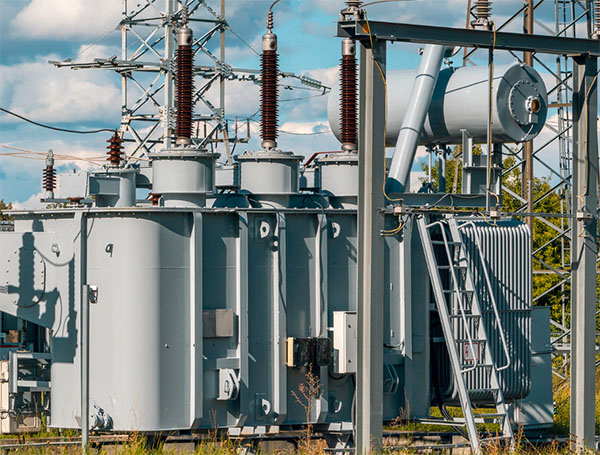
Transformers are essential components in the power distribution network, but as they age, their performance may decline, leading to inefficiencies and potential failures. Effectively managing transformer ageing is crucial for maintaining the reliability of electrical grids and minimizing operational costs. Fortunately, advancements in diagnostic tools and technologies allow for better monitoring and management of transformers to help extend their lifespan and maximize performance.
In this article, we will explore some of the top tools used to manage transformer ageing, along with the best practices for utilizing them to maintain optimal transformer performance.
Why Transformer Ageing Matters
Before diving into the tools used for managing transformer ageing, it’s important to understand why transformer ageing is such a significant concern. Transformers undergo natural wear and tear over time due to the stresses of high voltage operation, environmental factors, and thermal cycling. Components such as insulation, oil, and mechanical parts degrade over time, leading to:
- Reduced energy efficiency
- Increased maintenance costs
- Higher risk of unexpected failures
By actively monitoring these aspects and using the right tools, you can effectively manage transformer ageing, reduce maintenance costs, and extend the service life of your transformers.
Top Tools for Managing Transformer Ageing
1. Oil Testing and Filtration Systems
Transformer oil serves two main functions: insulation and cooling. Over time, oil can degrade due to exposure to moisture, particulate contamination, and high temperatures. Poor-quality oil compromises insulation, causing increased electrical losses and overheating.
Best Practices for Oil Testing:
- Dielectric Strength Testing: This measures the oil’s ability to resist electrical breakdown. Regular testing can help determine the oil’s health and whether it needs to be replaced or filtered.
- Moisture Content Measurement: Water in transformer oil can decrease its insulating properties and accelerate degradation. Tools for measuring water content help prevent moisture-related issues before they cause failures.
- Acidity Tests: Acidity in oil is a sign of oxidation, which can be harmful to the transformer. Regular acid number tests can identify oil breakdown.
Oil Filtration Systems: These systems help remove contaminants, such as water and particles, from the oil. Regular oil filtration can improve the oil’s lifespan and prevent premature transformer failure.
2. Thermal Imaging Cameras
Thermal imaging is one of the most effective tools for managing transformer health. It detects hotspots that could indicate internal issues, such as overloads, poor connections, or insulation degradation. Hotspots often precede transformer failure, and using thermal cameras allows technicians to spot them early, enabling quick corrective action.
Best Practices for Thermal Imaging:
- Routine Scans: Regular thermal imaging scans help identify potential issues early by pinpointing components that are running hotter than usual.
- Targeting Critical Areas: Focus on areas where heat buildup is most likely, such as bushings, tap changers, and the transformer’s cooling system.
By using thermal imaging, you can take a proactive approach to managing transformer ageing and reduce the risk of catastrophic failures.
3. Partial Discharge Detection
Partial discharge (PD) is a common sign of transformer insulation deterioration. PD occurs when there is a localized breakdown of the insulation material, leading to small electrical discharges. Over time, PD can cause complete insulation failure, leading to transformer breakdown.
Best Practices for Partial Discharge Testing:
- Regular Monitoring: Implement continuous PD monitoring systems or perform periodic PD tests to identify small electrical discharges before they develop into larger issues.
- Diagnosing Source of PD: Identifying whether PD is occurring in the windings, bushings, or tap changer is critical to addressing the root cause and extending transformer life.
By detecting PD early, you can prevent extensive insulation damage and avoid costly transformer replacements.
4. Vibration Analysis
Transformers consist of numerous moving parts, such as tap changers and cooling fans, that can experience wear over time. Vibration analysis is used to monitor the health of these components and detect abnormal vibrations that may indicate mechanical wear or misalignment.
Best Practices for Vibration Analysis:
- Baseline Measurements: Establish baseline vibration readings when the transformer is in good condition. This allows you to compare future readings and detect deviations that may signal mechanical issues.
- Monitoring Critical Components: Focus on key components like tap changers and cooling fans, as they are prone to wear and can impact transformer performance if not maintained.
Vibration analysis can help detect minor mechanical issues before they develop into major problems, ensuring that your transformer remains reliable throughout its service life.
5. Bushing Monitoring Systems
Bushings are critical components that provide insulation and allow current to flow in and out of the transformer. As transformers age, the bushings can degrade due to thermal stress, contamination, or mechanical wear, increasing the risk of failure.
Best Practices for Bushing Monitoring:
- Regular Inspections: Visually inspect bushings for signs of wear, such as cracks, leakage, or contamination.
- Bushing Insulation Resistance Testing: This test helps determine if the bushing insulation is still performing as it should. Low resistance could indicate a fault in the bushing.
- Real-Time Monitoring: Install real-time monitoring systems that track bushing performance and send alerts when abnormalities are detected.
Monitoring bushings can prevent sudden failures and reduce the risk of catastrophic transformer damage.
6. Condition-Based Monitoring (CBM) Systems
Condition-based monitoring involves using a combination of sensors, data analysis tools, and alarms to assess the condition of transformers in real time. These systems track various parameters like temperature, voltage, load, oil quality, and PD activity. When a parameter deviates from the normal range, the system alerts the maintenance team, enabling prompt corrective action.
Best Practices for CBM:
- Set Thresholds: Configure the system to send alerts when any monitored parameter exceeds predefined thresholds. This helps prioritize maintenance actions.
- Analyze Data Trends: Over time, CBM systems collect valuable data that can be used to detect performance trends, such as oil degradation or gradual increases in temperature.
By using CBM, utilities can monitor transformer health remotely and make data-driven decisions about when maintenance or upgrades are needed.
Maximizing Transformer Performance with Lifecycle Management
Managing transformer ageing is not just about avoiding failures; it’s about ensuring that the transformer operates at peak performance throughout its life. Effective lifecycle management includes a combination of regular inspections, proactive maintenance, and real-time monitoring. The tools mentioned above play a crucial role in this process, allowing for early detection of potential issues, minimizing downtime, and optimizing transformer performance.
Benefits of Using These Tools:
- Prolonged Transformer Life: By identifying issues early and addressing them proactively, these tools help extend the transformer’s lifespan.
- Increased Reliability: Monitoring technologies provide real-time data that allows for predictive maintenance, reducing the likelihood of unexpected breakdowns.
- Cost Savings: By preventing failures and improving efficiency, these tools help reduce maintenance costs and energy losses.
- Improved Operational Efficiency: With optimal performance, transformers run more efficiently, reducing operational costs and enhancing system reliability.
Conclusion
Managing transformer ageing is crucial for maintaining an efficient and reliable electrical grid. By using the right tools, including oil testing systems, thermal imaging, partial discharge detection, vibration analysis, and CBM, you can proactively manage the health of your transformers and extend their service life. These tools not only help identify potential issues before they escalate but also contribute to reducing operating costs and improving energy efficiency. When combined with a solid lifecycle management strategy, these tools will ensure that your transformers continue to perform at their best, even as they age.

 English
  German
  Spanish
  French
  Portuguese
  Vietnamese
  Afrikaans
  Amharic
  Arabic
  Aragonese
  Moroccan Arabic
  Assamese
  Azerbaijani
  South Azerbaijani
  Belarusian
  Bulgarian
  Bengali
  Tibetan
  Bosnian
  Catalan
  Czech
Czech  Danish
  Welsh
Welsh  Lower Sorbian
  Dzongkha
  Greek
Greek  Esperanto
  Estonian
  Basque
  Finnish
  Indonesian
  Italian
  Malayalam
  Latvian
  Panjabi
  Romanian
  Slovenian
  Russian