
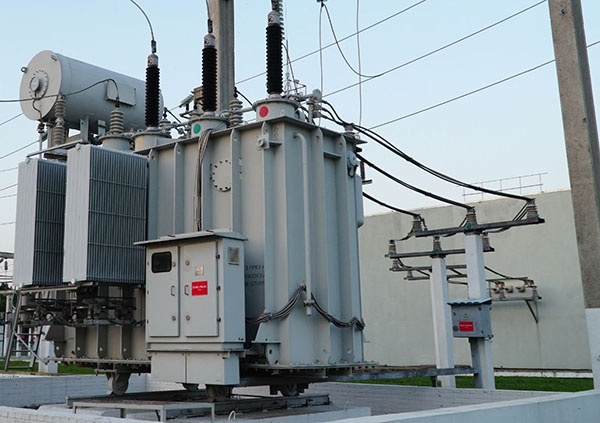
Transformers are the backbone of the electric power industry, enabling the efficient transmission and distribution of electricity from generation plants to consumers. Ensuring their optimal performance and longevity is critical for maintaining a stable and reliable power grid. One of the most effective ways to achieve this is through the meticulous analysis of transformer temperature data. As a professional electrical testing expert with over 25 years of experience, I’ve witnessed firsthand how transforming raw temperature data into actionable insights can prevent failures, enhance safety, and extend the lifespan of transformers. This comprehensive guide explores how to analyze transformer temperature data for effective maintenance, providing electric power industry workers with detailed, practical insights into its importance, methodologies, best practices, troubleshooting, essential tools, benefits, real-world case studies, training considerations, and future trends.
Importance of Analyzing Transformer Temperature Data
Preventing Failures
Transformers operate under significant electrical loads, generating heat as a byproduct of energy transmission. Excessive heat can degrade insulation materials, leading to short circuits, reduced efficiency, and ultimately, transformer failure. Analyzing temperature data helps detect abnormal heat buildup early, allowing for timely interventions before minor issues escalate into major failures.
Enhancing Operational Efficiency
Maintaining transformers within their optimal temperature range ensures efficient electrical performance. High temperatures increase electrical resistance, leading to energy losses and reduced power quality. By analyzing temperature data, operators can identify inefficiencies and optimize transformer performance, minimizing energy wastage and enhancing overall grid performance.
Extending Transformer Lifespan
Consistent temperature monitoring and analysis contribute to the longevity of transformers. Overheating accelerates wear and tear on internal components, shortening the equipment’s operational life. Proactive temperature management helps preserve the integrity of critical parts, ensuring transformers remain reliable for extended periods and reducing the need for frequent replacements.
Ensuring Safety
Overheated transformers pose significant safety risks, including electrical fires and explosions. Monitoring and analyzing temperature data is crucial for identifying potential hazards, protecting maintenance personnel, and safeguarding infrastructure from damage. Early detection of overheating can prevent dangerous incidents, ensuring a safer working environment.
Compliance with Standards and Regulations
Industry standards and regulatory requirements often mandate regular temperature monitoring to ensure transformer safety and performance. Adhering to these guidelines not only ensures compliance but also demonstrates a commitment to maintaining high operational standards and protecting public infrastructure.
Collecting and Managing Temperature Data
Tools for Data Collection
Accurate temperature data collection is the foundation of effective analysis. Utilizing the right tools ensures that the data is reliable and comprehensive.
- Thermal Imaging Cameras: Provide non-contact temperature measurements and visual identification of hotspots.
- Temperature Sensors (RTDs and Thermocouples): Offer continuous, accurate temperature monitoring of critical transformer components.
- IoT-Enabled Sensors: Facilitate real-time, remote monitoring and data transmission to centralized systems.
- Data Loggers: Record and store temperature data over time for trend analysis and historical reference.
Data Management Practices
Efficient data management is essential for accurate analysis. Implement the following practices to ensure data integrity and accessibility:
- Centralized Storage: Use centralized databases or cloud-based platforms to store temperature data, ensuring easy access and retrieval.
- Regular Backups: Perform regular backups to prevent data loss due to hardware failures or other unforeseen events.
- Data Security: Implement robust security measures to protect sensitive temperature data from unauthorized access and cyber threats.
- Standardized Formats: Use standardized data formats to facilitate seamless integration and analysis across different systems and tools.
How to Analyze Temperature Data
Data Collection Methods
Accurate data collection is the first step in effective analysis. Ensure that temperature sensors are strategically placed near critical components such as windings, cores, and cooling systems to capture relevant data.
Data Cleaning and Preprocessing
Before analysis, clean and preprocess the data to remove inaccuracies and inconsistencies:
- Remove Outliers: Identify and eliminate data points that fall outside normal operating ranges.
- Fill Missing Values: Use interpolation or other techniques to address any gaps in the data.
- Normalize Data: Standardize data to ensure consistency across different sensors and measurement units.
Data Analysis Techniques
Employ various data analysis techniques to extract meaningful insights from temperature data:
Trend Analysis
Monitor temperature trends over time to identify patterns and gradual changes that may indicate emerging issues.
- Moving Averages: Smooth out short-term fluctuations to highlight longer-term trends.
- Seasonal Decomposition: Analyze data for seasonal patterns that could impact transformer performance.
Anomaly Detection
Detect sudden temperature spikes or deviations from normal operating conditions that may signal potential problems.
- Statistical Methods: Use statistical thresholds to identify outliers.
- Machine Learning Models: Implement supervised or unsupervised learning algorithms to classify normal and abnormal temperature patterns.
Correlation Analysis
Examine the relationship between temperature data and other performance metrics (e.g., load levels, voltage) to identify factors influencing transformer temperature.
- Pearson Correlation: Measure the linear relationship between two variables.
- Spearman’s Rank Correlation: Assess the monotonic relationship between variables.
Using Software Tools
Leverage specialized software tools to facilitate data analysis:
- Excel: Suitable for basic data analysis and visualization.
- MATLAB: Offers advanced computational capabilities for complex analyses.
- Python with Libraries (Pandas, NumPy, SciPy, Scikit-learn): Provides flexibility and powerful tools for data manipulation, analysis, and machine learning.
- Dedicated Analytics Platforms (e.g., Tableau, Power BI): Enable interactive data visualization and real-time monitoring dashboards.
Best Practices for Analyzing Temperature Data
Establish a Baseline
Establishing a baseline involves recording the normal operating temperatures of the transformer under various load conditions. This baseline serves as a reference point for identifying deviations and abnormal temperature patterns.
- Initial Measurements: Use thermal imaging and temperature sensors to measure the transformer’s temperature under different loads.
- Data Collection Period: Gather data over several operating cycles to account for variations and establish consistent baseline readings.
- Document Findings: Create detailed records of baseline temperatures for comparison against future measurements.
Define Clear Thresholds
Setting clear temperature thresholds based on baseline data and manufacturer specifications ensures that any deviations are promptly identified and addressed.
- Manufacturer Guidelines: Refer to the transformer’s manual for recommended operating temperatures and safety limits.
- Safety Margins: Incorporate a safety margin above the maximum recommended temperature to account for unexpected load spikes or environmental changes.
- Alert Levels: Define different alert levels (e.g., warning, critical) to categorize temperature deviations and prioritize maintenance actions.
Implement Continuous Monitoring
Continuous monitoring provides real-time data, enabling immediate detection of temperature anomalies and facilitating prompt maintenance actions.
- Real-Time Data Transmission: Use IoT-enabled sensors to transmit temperature data to centralized monitoring systems.
- Automated Alerts: Configure the system to send alerts when temperature thresholds are exceeded, ensuring timely intervention.
- Integration with CMMS: Link temperature monitoring data with Computerized Maintenance Management Systems (CMMS) for streamlined maintenance scheduling and record-keeping.
Regularly Review and Update Thresholds
Transformers operate under varying conditions over time, making it essential to periodically review and adjust temperature thresholds to reflect changes in load, environment, and equipment aging.
- Periodic Assessments: Regularly evaluate temperature data and maintenance records to determine if thresholds remain appropriate.
- Adjustments: Modify temperature limits based on updated data, changing operational conditions, or after performing major maintenance.
- Feedback Loop: Incorporate feedback from maintenance personnel to refine temperature monitoring practices and threshold settings.
Troubleshooting Based on Temperature Data Analysis
Issue 1: Sudden Temperature Spikes
Cause:
- Overloading transformers
- Poor ventilation or blocked cooling systems
- Loose electrical connections increasing resistance
Solution:
- Check Load Levels: Ensure that transformers are operating within their rated capacities. Redistribute loads if necessary.
- Inspect Cooling Systems: Verify that cooling fans and radiators are clean and functioning properly. Remove any obstructions that impede airflow.
- Tighten Connections: Inspect and tighten electrical connections to reduce resistance and prevent overheating.
Issue 2: Gradual Temperature Increases
Cause:
- Insulation degradation
- Accumulation of contaminants affecting cooling efficiency
- Aging transformer components
Solution:
- Assess Insulation Integrity: Perform insulation resistance tests to evaluate the condition of insulation materials. Replace compromised insulation as needed.
- Enhance Cleaning Practices: Implement more frequent cleaning schedules to remove contaminants and improve cooling efficiency.
- Replace Aging Components: Identify and replace aging or worn-out transformer components to restore optimal performance.
Issue 3: Consistently High Operating Temperatures
Cause:
- Inadequate cooling system design
- Excessive ambient temperatures
- Transformer overloading
Solution:
- Evaluate Cooling System Design: Assess the efficiency of existing cooling systems and consider upgrades or modifications to enhance heat dissipation.
- Monitor Ambient Conditions: Implement environmental controls such as improved ventilation, shading, or cooling measures to mitigate the impact of high ambient temperatures.
- Rebalance Load Distribution: Redistribute electrical loads to prevent overloading of specific transformers, ensuring balanced and efficient operation.
Tools Needed for Analyzing Temperature Data
Thermal Imaging Cameras
Purpose: Provide non-contact temperature measurements and visual identification of hotspots.
Usage: Conduct regular thermal scans to detect abnormal heat patterns and identify areas requiring maintenance.
Temperature Sensors (RTDs and Thermocouples)
Purpose: Offer continuous, accurate temperature monitoring of critical transformer components.
Usage: Install sensors strategically near high-risk areas to capture real-time temperature data for ongoing monitoring.
IoT-Enabled Sensors
Purpose: Facilitate real-time, remote monitoring and integration with centralized management systems.
Usage: Use IoT sensors to transmit temperature data wirelessly to monitoring platforms, enabling remote oversight and timely responses.
Data Loggers
Purpose: Record and store temperature data over time for trend analysis and historical reference.
Usage: Deploy data loggers to capture and archive temperature readings, supporting long-term maintenance planning and performance assessments.
Data Analytics Software
Purpose: Analyze temperature and vibration data to identify trends, predict issues, and optimize maintenance schedules.
Usage: Utilize software tools to process and visualize temperature data, enabling data-driven decision-making and proactive maintenance strategies.
Computerized Maintenance Management Systems (CMMS)
Purpose: Centralize maintenance records, schedule inspections, and track temperature monitoring data.
Usage: Integrate CMMS with temperature monitoring tools to streamline maintenance workflows, ensure comprehensive documentation, and facilitate efficient maintenance scheduling.
Benefits of Analyzing Transformer Temperature Data
Enhanced Reliability and Performance
Consistent temperature monitoring and analysis ensure that transformers operate within safe and efficient temperature ranges, reducing the likelihood of unexpected failures and enhancing overall performance.
Cost Savings
Proactive temperature management minimizes the need for costly emergency repairs and extends the lifespan of transformers, leading to significant long-term savings.
Improved Safety
Monitoring temperature helps identify potential safety hazards early, preventing accidents and ensuring a secure working environment for maintenance personnel and the surrounding infrastructure.
Data-Driven Maintenance Strategies
Accurate temperature data supports data-driven maintenance strategies, allowing for more precise and effective maintenance actions based on real-time insights and predictive analytics.
Regulatory Compliance
Regular temperature monitoring ensures compliance with industry standards and regulatory requirements, avoiding legal penalties and enhancing organizational credibility.
Real-World Case Studies
Case Study 1: Preventing Transformer Failures through Proactive Temperature Monitoring
Background: A regional utility company managed a fleet of transformers serving both urban and rural areas. Frequent transformer failures during peak load periods resulted in widespread power outages and customer dissatisfaction.
Challenge: Initial assessments revealed that inadequate temperature monitoring was a primary cause of transformer overheating and failures. Existing maintenance practices lacked real-time temperature tracking and proactive intervention.
Solution: The maintenance team implemented a comprehensive temperature monitoring system, integrating thermal imaging cameras and IoT-enabled temperature sensors. They established a baseline of normal operating temperatures and configured real-time alerts for temperature anomalies. Additionally, they trained technicians on interpreting temperature data and conducting timely maintenance actions.
Outcome: Transformer failures decreased by 75%, power outages were significantly reduced, and customer satisfaction improved. The proactive temperature monitoring system ensured that transformers operated reliably even under high-load conditions, enhancing overall grid stability and reliability.
Case Study 2: Extending Transformer Lifespan through Advanced Temperature Management
Background: An industrial facility relied on a fleet of transformers to power its manufacturing operations. Frequent overheating and reduced transformer performance threatened operational continuity and increased maintenance costs.
Challenge: Loose electrical connections and inadequate cooling systems were identified as the primary causes of overheating. Traditional temperature monitoring methods were insufficient to detect gradual temperature increases and predict potential failures.
Solution: The facility adopted advanced temperature management strategies, including the installation of high-precision temperature sensors and integration of AI-powered data analytics. They utilized predictive maintenance tools to analyze temperature trends and forecast potential issues. Additionally, they upgraded cooling systems to enhance heat dissipation and implemented more frequent cleaning schedules to maintain optimal cooling efficiency.
Outcome: Transformer lifespan was extended by an average of six years, overheating incidents were eliminated, and maintenance costs decreased by 50%. Efficient temperature management ensured reliable transformer performance, maintaining uninterrupted manufacturing operations and reducing operational disruptions.
Case Study 3: Enhancing Safety through Continuous Temperature Monitoring
Background: A municipal utility provider experienced safety hazards due to transformer overheating, posing risks of electrical fires and infrastructure damage.
Challenge: Inadequate temperature monitoring led to undetected overheating, resulting in safety incidents and transformer damage. Existing monitoring tools were outdated and lacked real-time capabilities.
Solution: The maintenance team upgraded to state-of-the-art thermal imaging cameras and IoT-enabled temperature sensors, enabling continuous, real-time monitoring of transformer temperatures. They implemented automated alert systems to notify technicians of any temperature deviations from safe thresholds. Regular training sessions were conducted to ensure that maintenance personnel could effectively use the new monitoring tools and respond promptly to alerts.
Outcome: Safety incidents related to transformer overheating were eliminated, transformer reliability improved, and the utility achieved compliance with enhanced safety regulations. The continuous temperature monitoring practices ensured that transformers operated within safe temperature ranges, protecting both personnel and infrastructure.
Conclusion
Analyzing transformer temperature data is a critical aspect of transformer maintenance that significantly contributes to the reliability, efficiency, and longevity of transformers in the electric power industry. By turning raw temperature data into actionable insights—through establishing baselines, setting accurate thresholds, implementing continuous monitoring, and leveraging advanced analytics—electric power industry workers can ensure that transformers operate within safe and optimal temperature ranges. This proactive strategy not only prevents costly failures and enhances transformer performance but also promotes safety and extends the lifespan of critical infrastructure.
Embracing future trends such as AI-driven predictive maintenance, advanced analytics, blockchain for maintenance records, sustainable data practices, and enhanced visualization tools will further elevate the effectiveness and efficiency of temperature data analysis. Remember, transformer maintenance is not just about collecting data; it’s about transforming that data into meaningful actions that ensure the stability and resilience of the entire power distribution network. Turn data into action today to secure a reliable and efficient power infrastructure for tomorrow.
Additional Resources
Recommended Reading and References
- Books and Articles:
- Transformer Engineering: Design, Technology, and Diagnostics by S.V. Kulkarni and S.A. Khaparde
- Practical Transformer Engineering and Maintenance by Gordon Chidley
- Electrical Transformers and Power Equipment Maintenance by C. Russell Mason
- Industry Standards:
- IEEE Standards for Transformer Testing and Maintenance
- IEC Standards for Electrical Transformers and Accessories
Training and Certification Programs
- Courses:
- Advanced Transformer Maintenance – Offered by IEEE
- Smart Transformer Technologies – Available through online platforms like Coursera and Udemy
- Transformer Diagnostics and Troubleshooting – Provided by technical training institutes
- Workshops and Seminars:
- Annual Transformer Maintenance Symposium
- Smart Grid and Transformer Technology Workshops hosted by major utility companies
- Hands-On Transformer Diagnostic Training Sessions
Contact Information for Experts
- Professional Networks:
- Join the IEEE Power & Energy Society for networking with industry experts and accessing valuable resources.
- Participate in LinkedIn groups focused on transformer technology and electric power systems maintenance.
- Support Services:
- Siemens Energy Solutions: www.siemens-energy.com
- ABB Power Grids: www.abb.com/powergrids
- Schneider Electric: www.se.com
- Local Utility Providers: Reach out to your local utility companies for consultation and support services.
By turning data into action through meticulous analysis of transformer temperature data, electric power industry workers can ensure the reliable and efficient operation of transformers, avoiding costly failures and maintaining a stable and resilient power distribution network for the future.

 English
  German
  Spanish
  French
  Portuguese
  Vietnamese
  Afrikaans
  Amharic
  Arabic
  Aragonese
  Moroccan Arabic
  Assamese
  Azerbaijani
  South Azerbaijani
  Belarusian
  Bulgarian
  Bengali
  Tibetan
  Bosnian
  Catalan
  Czech
Czech  Danish
  Welsh
Welsh  Lower Sorbian
  Dzongkha
  Greek
Greek  Esperanto
  Estonian
  Basque
  Finnish
  Indonesian
  Italian
  Malayalam
  Latvian
  Panjabi
  Romanian
  Slovenian
  Russian