
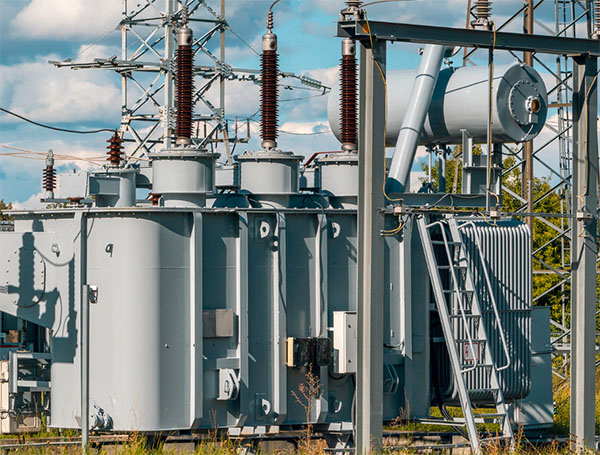
Understand iron loss in transformers, its causes, measurement techniques, impact on efficiency, and strategies to minimize it. Essential knowledge for electric power industry professionals.
1. Introduction: The Role of Iron Loss in Transformers
Transformers are fundamental components in electrical power systems, responsible for stepping voltage levels up or down to facilitate efficient power transmission and distribution. Among various types of losses in transformers, iron loss (also known as core loss) plays a significant role in determining overall transformer efficiency. Understanding iron loss is crucial for electric power industry professionals to optimize transformer performance, reduce energy wastage, and ensure reliable power delivery.
Why Understanding Iron Loss Matters:
- Efficiency Optimization: Minimizing iron loss directly enhances transformer efficiency, leading to energy savings and reduced operational costs.
- Heat Management: Excessive iron loss contributes to overheating, which can degrade transformer insulation and shorten its lifespan.
- System Reliability: High iron loss can impact overall power system stability, potentially leading to outages or equipment failures.
- Environmental Impact: Reduced iron loss translates to lower energy consumption and decreased carbon footprint.
Key Insight: Iron loss is an inherent aspect of transformer operation, but through informed strategies and best practices, it can be effectively managed to enhance performance and sustainability.
2. Understanding Iron Loss
Iron loss in transformers encompasses all losses associated with the transformer’s magnetic core. Unlike copper losses, which relate to the resistance in the windings, iron loss arises from the core material’s interaction with the magnetic field.
2.1. Definition of Iron Loss
Iron loss refers to the energy lost in the transformer’s core due to two primary phenomena: hysteresis and eddy currents. These losses occur whenever the core material is subjected to a varying magnetic field, which is inherent in transformer operation.
2.2. Types of Iron Loss
Iron loss can be categorized into two main types:
2.2.1. Hysteresis Loss
Hysteresis loss results from the repeated magnetization and demagnetization of the transformer’s core material as the magnetic field cycles. This process requires energy to realign the magnetic domains within the core material, and the energy dissipated manifests as heat.
- Dependence on Material: Hysteresis loss is influenced by the core material’s hysteresis loop properties. Materials with narrow hysteresis loops, such as silicon steel, exhibit lower hysteresis loss.
- Frequency and Flux Density: The loss increases with higher frequencies and greater magnetic flux densities, making core material selection and design critical.
2.2.2. Eddy Current Loss
Eddy current loss arises from induced circulating currents within the core material due to the changing magnetic field. These currents generate heat and contribute to the overall energy loss.
- Core Lamination: To minimize eddy current loss, transformer cores are constructed from thin, insulated laminations. This design restricts the path of eddy currents, reducing their magnitude and associated losses.
- Material Resistivity: Higher resistivity materials, such as laminated silicon steel, help in lowering eddy current loss by impeding the flow of these currents.
Practical Note: Effective core design and material selection are essential in controlling both hysteresis and eddy current losses, thereby optimizing transformer efficiency.
3. Causes of Iron Loss
Several factors contribute to iron loss in transformers. Understanding these causes is key to implementing strategies that mitigate these losses.
3.1. Magnetic Core Material
The choice of core material significantly impacts iron loss. High-quality magnetic materials like silicon steel are preferred for their favorable hysteresis properties and high resistivity, which reduce both hysteresis and eddy current losses.
- Silicon Steel: Contains silicon, which increases resistivity and decreases hysteresis loss, making it a common choice for transformer cores.
- Amorphous Steel: Exhibits even lower hysteresis loss compared to silicon steel due to its non-crystalline structure, though it is more expensive and less widely used.
3.2. Core Construction and Lamination
The physical construction of the transformer core plays a pivotal role in minimizing eddy current loss.
- Laminated Cores: Consist of thin, insulated steel sheets stacked together. This design breaks up the pathways for eddy currents, limiting their flow and reducing associated losses.
- Continuous Laminations: Prevent the formation of loops where eddy currents can circulate, further curbing loss magnitude.
3.3. Operating Frequency and Flux Density
Operational parameters directly influence iron loss levels.
- Frequency: Higher operating frequencies increase both hysteresis and eddy current losses. This is why transformers used in higher frequency applications need carefully designed cores.
- Flux Density: Elevated magnetic flux densities result in greater hysteresis loss. Balancing flux density is crucial to maintain efficiency without compromising transformer performance.
Key Takeaway: Material selection, core design, and operational parameters are interrelated factors that collectively determine the magnitude of iron loss in transformers.
4. Measuring Iron Loss
Accurate measurement of iron loss is essential for assessing transformer efficiency and diagnosing potential issues. There are direct and indirect methods for measuring iron loss.
4.1. Direct Measurement Techniques
Direct measurement involves evaluating the core losses under specific testing conditions.
- Open-Circuit (No-Load) Test
- Procedure: Energize the transformer’s primary winding with rated voltage while keeping the secondary winding open.
- Measurements: Record the input current, voltage, and power.
- Calculation: The power measured during this test primarily represents iron loss, as there is negligible load current (thus, minimal copper loss).
- Core Loss Meter
- Purpose: Specialized equipment designed to measure core losses directly.
- Functionality: Provides precise measurements of hysteresis and eddy current losses by analyzing the transformer’s response to applied magnetic fields.
4.2. Indirect Calculation Methods
Indirect methods involve deducing iron loss from other measured parameters.
- Total Loss Measurement
- Procedure: Perform both no-load and full-load tests.
- Calculation: Subtract copper losses (measured during full-load tests) from total losses to estimate iron loss.
- Hysteresis and Eddy Current Separation
- Approach: Use frequency-dependent models to separate hysteresis loss from eddy current loss based on their distinct dependencies on operating frequency.
Practical Tip: Direct measurement techniques, particularly the no-load test, are more straightforward and commonly used for routine assessments of iron loss.
5. Impact of Iron Loss on Transformer Efficiency
Iron loss directly affects the overall efficiency and operational costs of a transformer. Here’s how:
5.1. Efficiency Reduction
Iron loss is a component of the total losses in a transformer. High iron loss means more energy is wasted as heat, reducing the transformer’s efficiency. This inefficiency can lead to increased operational costs over the transformer’s lifespan.
5.2. Thermal Stress and Insulation Degradation
Excessive iron loss generates additional heat within the transformer. Elevated temperatures can accelerate the degradation of insulating materials, compromising the transformer’s reliability and lifespan.
5.3. Operational Costs
Higher iron losses translate to increased energy consumption, especially in transformers that operate continuously or at high load factors. This rise in energy usage directly impacts operational expenses and overall system sustainability.
5.4. Environmental Impact
Increased energy losses contribute to a larger carbon footprint, especially in large-scale or multiple transformer installations. Minimizing iron loss is not only an economic concern but also an environmental imperative.
Key Insight: Minimizing iron loss is essential for enhancing transformer efficiency, reducing costs, extending equipment lifespan, and supporting environmental sustainability.
6. Strategies to Minimize Iron Loss
Reducing iron loss involves a combination of material selection, core design optimization, and operational control. Here are key strategies to achieve minimal iron loss:
6.1. Selecting Appropriate Core Materials
- High-Quality Silicon Steel: Opt for low-loss silicon steel, which has better magnetic properties and higher resistivity, thus reducing both hysteresis and eddy current losses.
- Amorphous Steel: Consider using amorphous steel for critical applications where ultra-low iron loss is necessary, despite higher costs.
6.2. Optimizing Core Design and Lamination
- Thinner Laminations: Utilize thinner laminations to disrupt eddy current paths effectively, thereby lowering eddy current loss.
- Edge Grain Orientation: Align the grain direction of silicon steel laminations with the flux direction to minimize hysteresis loss.
- Core Geometry: Design the core to minimize flux leakage and ensure efficient magnetic coupling, which reduces overall iron loss.
6.3. Controlling Operating Conditions
- Frequency Management: Operate transformers at optimal frequencies to balance core loss characteristics.
- Flux Density Optimization: Maintain flux density within design limits to prevent excessive hysteresis loss.
- Temperature Control: Implement effective cooling systems to manage core temperature, thereby preventing insulation degradation and maintaining resistivity.
Practical Tip: Regular maintenance and monitoring of operating conditions help in maintaining optimal transformer performance and minimizing iron loss over time.
7. Personal Anecdote: Detecting Excessive Iron Loss Prevented an Outage
Several years into my career, I was assigned to troubleshoot a transformer at a critical substation that had been experiencing unexpected downtime. Initial checks revealed normal voltage and current readings, but the transformer was heating up beyond expected levels. Deciding to conduct a no-load test, I measured the iron loss and found it significantly higher than the manufacturer’s specifications.
Further inspection using an infrared camera pinpointed hotspots within the core, indicating excessive hysteresis loss. Delving deeper, we discovered that a section of the core had deteriorated due to poor insulation and mechanical stress from fluctuating loads. Promptly addressing the insulation issue and reinforcing the core structure restored the transformer’s efficiency and prevented what could have been a major outage affecting thousands of customers.
Lesson Learned: Regularly measuring and analyzing iron loss can uncover hidden issues, enabling timely interventions that preserve system reliability and prevent widespread outages.
8. Case Study: Enhancing Transformer Efficiency by Reducing Iron Loss
Setting
A large industrial facility relied on multiple transformers to manage its power distribution. Over time, energy costs were rising, and the facility management suspected inefficiencies in their transformers but lacked concrete data.
Approach
- Comprehensive Testing
- Conducted no-load tests on all transformers to measure iron loss.
- Utilized dissolved gas analysis (DGA) to detect internal faults contributing to core degradation.
- Data Analysis
- Identified transformers with iron loss levels exceeding acceptable thresholds.
- Correlated high iron loss with older core materials and suboptimal core designs.
- Implementation of Minimization Strategies
- Upgraded core materials to higher-grade silicon steel.
- Redesigned core laminations to thinner sheets and optimized grain orientation.
- Enhanced cooling systems to maintain optimal operating temperatures.
- Post-Implementation Testing
- Re-measured iron loss after upgrades, confirming a significant reduction.
- Monitored operational efficiency and observed decreased energy consumption.
Outcome
- Energy Savings: Reduced iron loss led to noticeable decreases in energy wastage, translating to substantial cost savings.
- Improved Transformer Lifespan: Enhanced cooling and better core materials extended the operational life of the transformers.
- Operational Efficiency: Increased transformer efficiency contributed to more stable power distribution within the facility, minimizing downtime and boosting productivity.
Key Takeaway: Targeted strategies to minimize iron loss not only enhance transformer efficiency but also result in significant cost savings and improved operational reliability in large-scale industrial settings.
9. Best Practices for Managing Iron Loss
Implementing best practices ensures effective management of iron loss, maximizing transformer performance and longevity.
- Regular Monitoring and Testing
- Schedule routine no-load tests and incorporate iron loss measurements into periodic maintenance plans.
- Use advanced diagnostic tools like DGA and partial discharge testing to complement resistance measurements.
- Optimal Material Selection
- Invest in high-quality, low-loss core materials to reduce both hysteresis and eddy current losses.
- Stay updated with advancements in core material technologies to adopt more efficient options when feasible.
- Effective Core Design
- Collaborate with manufacturers to design transformer cores that minimize iron loss through optimized lamination thickness and grain orientation.
- Implement continuous improvements based on field performance data and emerging industry standards.
- Temperature Management
- Ensure robust cooling systems are in place and functioning correctly to maintain core temperature within optimal limits.
- Monitor ambient conditions and adjust cooling strategies as needed to accommodate changing operational environments.
- Training and Education
- Equip maintenance personnel with the knowledge and skills to identify and mitigate factors contributing to iron loss.
- Foster a culture of proactive maintenance and continuous improvement within the organization.
Practical Tip: Integrate maintenance data with real-time monitoring systems to facilitate predictive maintenance, allowing for timely interventions before iron loss impacts transformer performance.
10. Future Trends in Iron Loss Reduction
The electric power industry continues to evolve, adopting new technologies and methodologies to further reduce iron loss in transformers.
10.1. Advanced Core Materials
- Nanocrystalline Materials: Offer superior magnetic properties with lower hysteresis and eddy current losses.
- Amorphous Metals: Provide ultra-low iron loss characteristics, ideal for high-efficiency transformer applications despite higher costs.
10.2. Enhanced Core Design Techniques
- 3D Modeling and Simulation: Utilize advanced software to simulate magnetic flux and optimize core geometry for minimal loss.
- Additive Manufacturing: Explore the use of 3D printing for innovative core designs that reduce iron loss through intricate structures.
10.3. Smart Monitoring Systems
- IoT Integration: Embed sensors within transformers to continuously monitor iron loss and other critical parameters in real-time.
- AI and Machine Learning: Implement predictive analytics to forecast iron loss trends and enable proactive maintenance strategies.
10.4. Sustainable Practices
- Eco-Friendly Core Manufacturing: Develop environmentally sustainable methods for producing low-loss core materials.
- Energy-Efficient Transformer Designs: Focus on holistic transformer designs that integrate low iron loss materials and efficient cooling systems for overall energy savings.
Industry Outlook: Adopting innovative materials and smart technologies will play a pivotal role in further minimizing iron loss, enhancing transformer efficiency, and supporting the industry’s move towards more sustainable and reliable power systems.
11. Conclusion
Iron loss is a fundamental aspect of transformer operation, directly impacting efficiency, operational costs, and system reliability. By understanding the underlying causes of iron loss—hysteresis and eddy currents—and implementing effective measurement and reduction strategies, electric power industry professionals can optimize transformer performance and extend their operational lifespan.
Adopting best practices in material selection, core design, and temperature management, alongside leveraging advanced diagnostic tools and emerging technologies, ensures that transformers operate efficiently and reliably. Personal anecdotes and case studies highlight the tangible benefits of proactive iron loss management, underscoring its critical role in maintaining robust and sustainable power systems.
Key Takeaway: Effective management of iron loss is essential for maximizing transformer efficiency, reducing energy wastage, and ensuring the reliability and longevity of power systems in the electric power industry.
FAQ
- What is iron loss in transformers?
- Iron loss refers to the energy lost in a transformer’s core due to hysteresis and eddy currents when subjected to a varying magnetic field.
- How is iron loss measured?
- Iron loss is typically measured through a no-load test where the transformer’s primary winding is energized while the secondary winding is open. Specialized equipment like core loss meters can also be used.
- What are the two main types of iron loss?
- The two primary types are hysteresis loss and eddy current loss.
- Why is minimizing iron loss important?
- Minimizing iron loss enhances transformer efficiency, reduces operational costs, prevents overheating, and extends the transformer’s lifespan.
- How do core materials affect iron loss?
- Core materials with high resistivity and favorable hysteresis properties, such as silicon steel or amorphous metals, reduce both hysteresis and eddy current losses.
- Can iron loss be completely eliminated?
- No, iron loss is inherent in transformer operation, but it can be significantly minimized through optimal material selection and core design.
- What role does lamination play in reducing iron loss?
- Lamination breaks up the core into thin, insulated sheets, limiting eddy current paths and thereby reducing eddy current loss.
- How does operating frequency influence iron loss?
- Higher operating frequencies increase both hysteresis and eddy current losses, necessitating careful core design and material selection.
- What advanced technologies are being used to reduce iron loss?
- Technologies such as nanocrystalline materials, amorphous metals, 3D modeling, IoT sensors, and AI-driven analytics are being employed to further reduce iron loss.
- Is regular monitoring of iron loss necessary?
- Yes, regular monitoring helps in early detection of issues, optimizing transformer performance, and implementing timely maintenance strategies.
Author’s Note: Always adhere to manufacturer guidelines and industry standards (e.g., IEEE, IEC) when measuring and managing iron loss in transformers. Proper training, strict safety protocols, and the use of calibrated and appropriate testing equipment are essential for accurate diagnostics and maintaining the reliability of power systems.

 English
  German
  Spanish
  French
  Portuguese
  Vietnamese
  Afrikaans
  Amharic
  Arabic
  Aragonese
  Moroccan Arabic
  Assamese
  Azerbaijani
  South Azerbaijani
  Belarusian
  Bulgarian
  Bengali
  Tibetan
  Bosnian
  Catalan
  Czech
Czech  Danish
  Welsh
Welsh  Lower Sorbian
  Dzongkha
  Greek
Greek  Esperanto
  Estonian
  Basque
  Finnish
  Indonesian
  Italian
  Malayalam
  Latvian
  Panjabi
  Romanian
  Slovenian
  Russian