
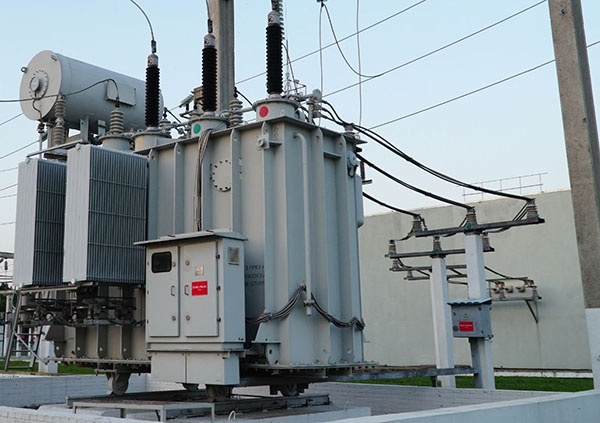
Transformers are the backbone of the electric power distribution network, ensuring efficient voltage regulation and seamless energy transfer across vast distances. Given their critical role, maintaining transformer health through regular testing is paramount for preventing unexpected failures, minimizing downtime, and ensuring the safety and reliability of power systems. As a professional electrical testing expert, understanding the various transformer tests, their applications, and best practices is essential for electric power industry workers. This comprehensive guide delves into the essential transformer tests, offering detailed insights, practical guidelines, and real-world applications to enhance your expertise and operational efficiency.
Importance of Transformer Testing
Transformers operate under high voltage and current conditions, making them susceptible to various forms of degradation and failure. Regular testing serves multiple purposes:
- Preventive Maintenance: Identifies potential issues before they escalate into major failures.
- Performance Verification: Ensures transformers operate within specified parameters, maintaining system efficiency.
- Safety Assurance: Detects hazardous conditions that could pose risks to personnel and infrastructure.
- Regulatory Compliance: Meets industry standards and regulatory requirements, avoiding legal and financial repercussions.
Personal Anecdote: Early in my career, I witnessed a transformer failure that led to a significant power outage affecting an entire neighborhood. Upon investigation, we discovered that routine tests had not been adequately performed, allowing minor insulation degradation to go unnoticed. This incident reinforced the critical importance of regular and comprehensive transformer testing.
Types of Transformer Tests
Transformer tests can be broadly categorized into Routine Tests, Type Tests, and Special Tests. Each category serves a unique purpose in assessing different aspects of transformer health and performance.
Routine Tests
Routine tests are standard procedures conducted on every transformer during manufacturing and installation. They verify the transformer’s basic functionality and ensure it meets design specifications.
1. Visual Inspection
Purpose: Detect physical defects such as cracks, corrosion, oil leaks, and loose connections.
How-To:
- Inspect the transformer’s exterior for signs of damage or wear.
- Check insulation materials, bushings, and connections for integrity.
- Verify that all protective devices are correctly installed and functioning.
Best Practices:
- Use a checklist to ensure a thorough inspection.
- Document any anomalies for further investigation.
2. Insulation Resistance Test
Purpose: Assess the quality of the transformer’s insulation by measuring its resistance.
How-To:
- Disconnect the transformer from the circuit.
- Apply a high DC voltage using an insulation resistance tester.
- Measure the resistance between windings and between windings and the ground.
Best Practices:
- Conduct the test under dry conditions to avoid moisture interference.
- Compare results with manufacturer’s specifications and historical data.
3. Turns Ratio Test
Purpose: Verify the correct turns ratio between primary and secondary windings, ensuring proper voltage transformation.
How-To:
- Connect a turns ratio tester to the primary and secondary terminals.
- Apply a low voltage and measure the ratio of primary to secondary turns.
- Compare the measured ratio with the theoretical value.
Best Practices:
- Perform the test without load to avoid measurement inaccuracies.
- Ensure all connections are secure to prevent false readings.
4. Polarity Test
Purpose: Determine the correct phase relationship between primary and secondary windings, essential for parallel operations.
How-To:
- Use a polarity tester to send a pulse through the transformer.
- Observe the direction of the induced voltage in the secondary winding.
- Confirm that the polarity matches the design specifications.
Best Practices:
- Conduct the test in a controlled environment to avoid interference.
- Document the polarity to prevent phase alignment issues in the future.
5. Winding Resistance Test
Purpose: Measure the resistance of primary and secondary windings to detect anomalies such as shorted turns or open circuits.
How-To:
- Disconnect the transformer from all circuits.
- Use a precision ohmmeter to measure the resistance of each winding.
- Compare the readings with reference values.
Best Practices:
- Ensure temperature consistency, as resistance varies with temperature.
- Repeat measurements for accuracy.
Type Tests
Type tests are comprehensive evaluations performed on prototypes or samples from a production batch to ensure the design meets all operational standards. These tests are typically conducted during the manufacturing phase.
1. Dielectric Test (Hi-Pot Test)
Purpose: Evaluate the insulation’s ability to withstand high voltages without breaking down.
How-To:
- Connect a high-potential tester to the transformer’s windings.
- Apply a specified high voltage for a set duration.
- Monitor for any insulation breakdown or leakage.
Best Practices:
- Follow manufacturer’s guidelines for voltage levels and duration.
- Ensure proper safety measures to protect personnel and equipment.
2. Temperature Rise Test
Purpose: Determine the transformer’s ability to operate within safe temperature limits under load conditions.
How-To:
- Load the transformer with a specified current, typically 100% of its rated load.
- Monitor the temperature of windings, core, and oil over time.
- Compare the temperature rise with design specifications.
Best Practices:
- Use accurate temperature sensors for monitoring.
- Allow sufficient time for the temperature to stabilize before recording data.
3. Short-Circuit Test
Purpose: Assess the transformer’s impedance and its performance under short-circuit conditions.
How-To:
- Short the secondary winding while applying a reduced voltage to the primary.
- Measure the current, voltage, and power during the test.
- Calculate the impedance based on the measurements.
Best Practices:
- Conduct the test in a controlled environment to prevent accidents.
- Ensure all protective devices are operational.
4. Impulse Test
Purpose: Evaluate the transformer’s ability to withstand transient overvoltages such as lightning strikes or switching surges.
How-To:
- Apply high-voltage impulses to the transformer’s windings.
- Observe the insulation’s response to each impulse.
- Identify any breakdowns or flashovers.
Best Practices:
- Use standardized impulse waveforms as per industry guidelines.
- Monitor the transformer closely during the test for immediate response.
5. Partial Discharge Test
Purpose: Detect internal insulation defects by identifying partial discharges within the transformer.
How-To:
- Connect partial discharge detectors to the transformer.
- Apply operational voltages and monitor for discharge activity.
- Analyze the discharge patterns to locate defects.
Best Practices:
- Perform the test under varying load conditions to capture all potential discharge events.
- Use calibrated detectors for accurate measurements.
Special Tests
Special tests are advanced evaluations conducted based on specific requirements or when routine and type tests indicate potential issues.
1. Dissolved Gas Analysis (DGA)
Purpose: Detect gas formation within the transformer oil, indicating possible insulation breakdown or overheating.
How-To:
- Extract a sample of transformer oil using a gas chromatograph.
- Analyze the types and concentrations of dissolved gases.
- Compare the results with standard DGA thresholds to assess transformer health.
Best Practices:
- Conduct DGA periodically to monitor trends over time.
- Use proper sampling techniques to avoid contamination.
2. Frequency Response Analysis (FRA)
Purpose: Assess the mechanical integrity of transformer windings by analyzing their frequency response.
How-To:
- Apply a range of frequencies to the transformer windings.
- Measure the response and compare it with baseline data.
- Identify shifts or changes in the frequency response indicative of winding deformation or movement.
Best Practices:
- Establish a reference FRA signature during initial testing.
- Perform FRA after major events like transportation, installation, or repairs.
3. Thermography
Purpose: Detect abnormal temperature patterns on the transformer’s surface, indicating potential issues such as loose connections or overheating components.
How-To:
- Use an infrared camera to capture thermal images of the transformer.
- Analyze the images for hotspots or irregular temperature distributions.
- Investigate and address any identified anomalies.
Best Practices:
- Perform thermographic inspections under normal operating conditions.
- Schedule regular inspections to monitor temperature trends.
4. Vibration Analysis
Purpose: Identify mechanical issues within the transformer by analyzing vibration patterns.
How-To:
- Attach vibration sensors to the transformer.
- Record vibration data during operation.
- Compare the data with standard vibration profiles to detect abnormalities.
Best Practices:
- Conduct baseline vibration measurements for comparison.
- Investigate significant deviations promptly to prevent mechanical failures.
How to Conduct Transformer Testing: A Step-by-Step Guide
Step 1: Preparation
- Identify the Transformer: Determine the specific transformer to be tested, considering its type, rating, and operational history.
- Review Specifications: Understand the manufacturer’s specifications and industry standards applicable to the transformer.
- Safety Measures: Ensure all safety protocols are in place, including de-energizing the transformer if necessary and using appropriate personal protective equipment (PPE).
Step 2: Selecting the Appropriate Tests
- Determine Test Requirements: Based on the transformer’s condition, age, and operational environment, select the relevant routine, type, or special tests.
- Plan the Test Sequence: Organize the tests in a logical order to maximize efficiency and safety, starting with non-invasive tests before proceeding to more comprehensive evaluations.
Step 3: Setting Up the Equipment
- Calibrate Instruments: Ensure all testing equipment, such as megger testers, oscilloscopes, and gas chromatographs, are calibrated according to manufacturer specifications.
- Connect Test Devices: Securely attach measurement devices to the transformer’s terminals or appropriate testing points.
- Configure Parameters: Set the necessary parameters on each testing device, such as voltage levels, frequency ranges, and measurement durations.
Step 4: Executing the Tests
- Conduct Visual Inspection: Begin with a thorough visual inspection to identify any obvious physical issues.
- Perform Routine Tests: Execute routine tests like insulation resistance, turns ratio, and winding resistance measurements.
- Advance to Type Tests: If required, carry out type tests such as dielectric and temperature rise evaluations.
- Implement Special Tests: Use special tests like DGA or FRA based on preliminary findings or specific diagnostic needs.
Step 5: Analyzing and Documenting Results
- Evaluate Data: Compare test results with baseline data, manufacturer specifications, and industry standards to assess transformer health.
- Identify Anomalies: Highlight any deviations or irregularities that indicate potential issues.
- Document Findings: Maintain detailed records of all test results, including methodologies, measurements, and observations for future reference and compliance purposes.
Step 6: Implementing Corrective Actions
- Address Identified Issues: Based on test outcomes, perform necessary maintenance or repairs, such as replacing damaged insulation or tightening loose connections.
- Re-Test if Necessary: After corrective actions, re-conduct relevant tests to ensure that issues have been resolved.
- Update Maintenance Plans: Incorporate findings into the transformer’s maintenance schedule to prevent recurrence of similar issues.
Best Practices for Transformer Testing
Adhere to Industry Standards
Follow guidelines and standards from organizations such as the Institute of Electrical and Electronics Engineers (IEEE), International Electrotechnical Commission (IEC), and American National Standards Institute (ANSI). These standards provide comprehensive procedures and safety protocols essential for consistent and reliable testing.
Regular Maintenance and Testing
Implement a routine maintenance and testing schedule to monitor transformer health continuously. Regular testing helps in early detection of issues, allowing for timely interventions and extending the transformer’s lifespan.
Comprehensive Documentation
Maintain detailed records of all tests, including methodologies, results, and corrective actions. Proper documentation facilitates trend analysis, compliance audits, and informed decision-making, enhancing overall system reliability.
Skilled and Trained Personnel
Ensure that personnel conducting transformer tests are adequately trained and certified. Continuous education on the latest testing techniques and safety protocols is essential for maintaining high standards of operational excellence.
Utilize Advanced Testing Technologies
Leverage modern testing tools and technologies such as online monitoring systems, digital oscilloscopes, and advanced data analytics to enhance the accuracy and efficiency of transformer testing.
Tools Needed for Transformer Testing
- Insulation Resistance Tester (Megger): For measuring insulation resistance.
- Turns Ratio Tester: To verify the correct turns ratio between windings.
- Polarity Tester: For determining the phase relationship between windings.
- Winding Resistance Meter: To measure the resistance of transformer windings.
- Dielectric Tester (Hi-Pot Tester): For high-voltage insulation testing.
- Gas Chromatograph: For dissolved gas analysis (DGA).
- Frequency Response Analyzer (FRA): To assess mechanical integrity through frequency response.
- Infrared Camera (Thermography): For detecting thermal anomalies.
- Vibration Sensors: To monitor and analyze transformer vibrations.
- Oscilloscope and Spectrum Analyzer: For visualizing and analyzing electrical waveforms and harmonics.
Troubleshooting Common Transformer Issues Through Testing
Insulation Degradation
Symptoms:
- Decreased insulation resistance.
- Increased dissolved gas levels in oil.
- Partial discharges detected during testing.
Solutions:
- Replace or repair degraded insulation materials.
- Implement stricter environmental controls to minimize moisture and contaminants.
- Schedule more frequent insulation resistance and DGA tests to monitor conditions.
Winding Imbalance
Symptoms:
- Abnormal turns ratio readings.
- Excessive heating in specific windings.
- Unusual voltage drops under load.
Solutions:
- Realign or replace affected windings.
- Ensure balanced loading across all windings.
- Perform regular turns ratio and winding resistance tests to detect imbalances early.
Overheating Components
Symptoms:
- Elevated temperatures detected via thermography.
- Increased winding resistance.
- Reduced efficiency and performance.
Solutions:
- Improve cooling systems to manage heat dissipation.
- Tighten loose connections that may generate heat.
- Conduct regular temperature rise and winding resistance tests to monitor thermal performance.
Harmonic Distortion
Symptoms:
- Presence of excessive harmonics in power quality measurements.
- Equipment malfunctions or failures due to distorted waveforms.
- Increased losses and reduced efficiency.
Solutions:
- Install harmonic filters to eliminate unwanted frequencies.
- Reconfigure the load distribution to minimize harmonic generation.
- Utilize spectrum analyzers and PMUs to monitor and address harmonic issues proactively.
Benefits of Regular Transformer Testing
Enhanced Reliability
Regular testing ensures that transformers operate smoothly without unexpected failures, enhancing the overall reliability of the power distribution network.
Extended Equipment Lifespan
By identifying and addressing issues early, transformer testing helps in extending the lifespan of critical equipment, leading to significant cost savings on maintenance and replacements.
Improved Power Quality
Managing transformer health through testing minimizes power quality issues such as voltage sags, harmonics, and imbalances, ensuring stable and efficient power delivery to consumers.
Increased Safety
Detecting and mitigating potential transformer failures reduces the risk of electrical accidents, fires, and other safety hazards, protecting both personnel and infrastructure.
Cost Efficiency
Preventive maintenance through regular testing avoids costly outages and emergency repairs, contributing to more efficient and economical power system operations.
Case Studies: Real-World Applications
Case Study 1: Preventing Transformer Failure Through DGA
A large industrial facility experienced intermittent power disturbances and equipment malfunctions. Initial inspections revealed no obvious physical damage, but Dissolved Gas Analysis (DGA) indicated elevated levels of acetylene and methane, suggesting partial discharges within the transformer. Further investigation identified deteriorating insulation as the root cause. By replacing the affected insulation and implementing improved cooling measures, the facility eliminated power disturbances and enhanced transformer reliability, preventing potential extensive downtime.
Case Study 2: Enhancing Power Quality with FRA
A utility company faced complaints of flickering lights and unstable voltages in a residential area. Frequency Response Analysis (FRA) was conducted on the transformers serving the affected region, revealing mechanical shifts in the windings due to transportation damage. By repairing the winding alignment and reinforcing the transformer structure, the utility company restored stable power quality, satisfying customer needs and preventing further infrastructure damage.
Conclusion
Transformer testing is a critical aspect of maintaining the reliability, efficiency, and safety of electric power systems. By understanding the various types of tests—routine, type, and special—and implementing best practices, electric power industry workers can ensure transformers operate optimally, preventing failures and extending equipment lifespan. Leveraging advanced tools and embracing future trends in digital technologies will further enhance the effectiveness of transformer testing, contributing to robust and resilient power infrastructures.
By mastering the principles and practices of transformer testing, electric power industry professionals can significantly enhance system reliability, ensure high power quality, and safeguard critical infrastructure, meeting the evolving demands of the modern energy landscape.

 Basque
  English
  German
  Spanish
  French
  Portuguese
  Vietnamese
  Afrikaans
  Amharic
  Arabic
  Aragonese
  Moroccan Arabic
  Assamese
  Azerbaijani
  South Azerbaijani
  Belarusian
  Bulgarian
  Bengali
  Tibetan
  Bosnian
  Catalan
  Czech
Czech  Danish
  Welsh
Welsh  Lower Sorbian
  Dzongkha
  Greek
Greek  Esperanto
  Estonian
  Finnish
  Indonesian
  Italian
  Malayalam
  Latvian
  Panjabi
  Romanian
  Slovenian
  Russian