
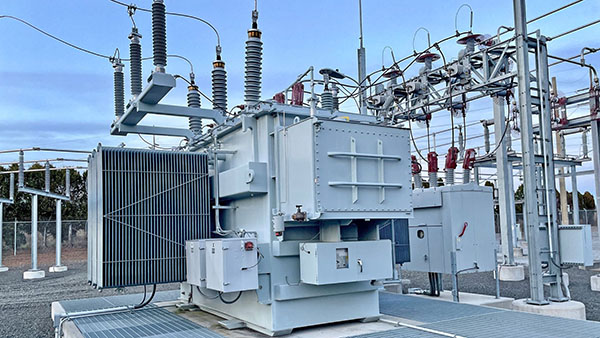
In the electric power industry, transformers are the unsung heroes that ensure electricity flows seamlessly from power plants to homes and businesses. These critical components operate behind the scenes, handling immense electrical loads and maintaining voltage levels across the grid. However, their importance often leads to complacency when it comes to maintenance. Skipping regular transformer inspections might seem like a cost-saving measure in the short term, but it can lead to significant financial losses, operational disruptions, and safety hazards in the long run. As an electrical testing expert with over 25 years of experience in the field, I’ve witnessed firsthand the dire consequences of neglecting transformer inspections. This article delves into why regular transformer inspections are indispensable, offering practical insights, best practices, troubleshooting tips, and real-world case studies to underscore their importance.
Understanding the Importance of Regular Transformer Inspections
Transformers are pivotal in the distribution and transmission of electrical power. They step up voltage levels for efficient long-distance transmission and step them down for safe usage in residential and commercial settings. Given their critical role, ensuring their optimal performance is non-negotiable.
Preventing Costly Failures
Regular inspections help identify potential issues before they escalate into major failures. Components such as bushings, windings, and cooling systems can degrade over time due to various factors like thermal stress, moisture ingress, and mechanical wear. Detecting these issues early allows for timely interventions, preventing unexpected outages and costly repairs.
Personal Anecdote:
During a routine inspection at a mid-sized utility company, we discovered minor corrosion on the transformer’s cooling fans. Addressing this early prevented a potential overheating scenario that could have led to transformer failure and a significant power outage affecting hundreds of customers.
Enhancing Safety
Faulty transformers can pose serious safety risks, including electrical fires, explosions, and electrocution hazards. Regular inspections ensure that all safety mechanisms are functioning correctly and that there are no hidden faults that could lead to dangerous situations.
Safety First:
Ensuring proper insulation, checking for oil leaks, and verifying grounding systems are all part of safety-focused inspections. These measures protect both the equipment and the personnel working around them.
Extending Transformer Lifespan
Transformers are substantial investments with lifespans that can extend beyond 30 years with proper maintenance. Regular inspections help maintain their efficiency and operational integrity, thereby extending their useful life and maximizing the return on investment.
Longevity Through Care:
By addressing wear and tear promptly, you can avoid the premature replacement of transformers, saving your organization significant capital expenses.
How to Conduct Effective Transformer Inspections
Conducting thorough and effective transformer inspections requires a systematic approach, utilizing the right tools and adhering to best practices.
Developing an Inspection Schedule
Creating a structured inspection schedule is the first step in ensuring regular maintenance. The frequency of inspections should be based on factors such as transformer age, load capacity, operating environment, and manufacturer recommendations.
Best Practices:
- Routine Inspections: Monthly or quarterly checks for visual and operational assessments.
- Comprehensive Inspections: Annual or bi-annual in-depth evaluations involving detailed testing and analysis.
- Condition-Based Inspections: Additional inspections triggered by abnormal operating conditions or performance metrics.
Key Components to Inspect
A thorough inspection should cover all critical components of the transformer to ensure comprehensive maintenance.
Core and Windings:
- Visual Inspection: Look for signs of physical damage, rust, or deformation.
- Electrical Testing: Perform insulation resistance tests and check for winding continuity.
Bushings:
- Leak Detection: Check for oil leaks or moisture ingress.
- Electrical Integrity: Test the dielectric strength and ensure there are no cracks or deterioration.
Cooling Systems:
- Fan Operation: Ensure cooling fans are operational and free from obstructions.
- Oil Levels: Verify that transformer oil levels are adequate and check for contamination.
Grounding Systems:
- Connection Integrity: Inspect grounding connections for tightness and corrosion.
- Resistance Testing: Measure grounding resistance to ensure it meets safety standards.
Tools and Equipment Needed
Having the right tools is essential for conducting effective inspections. Here are some must-have tools for transformer maintenance:
- Infrared Thermography Cameras: For detecting hot spots and thermal anomalies.
- Insulation Resistance Tester: To assess the integrity of insulation materials.
- Oil Analysis Kits: For sampling and analyzing transformer oil quality.
- Multimeters and Clamp Meters: For electrical measurements and continuity testing.
- Vibration Analyzers: To detect mechanical issues through vibration patterns.
- Safety Gear: Personal protective equipment (PPE) such as gloves, helmets, and safety glasses.
Step-by-Step Inspection Guide
- Preparation:
- Review the transformer’s maintenance history and previous inspection reports.
- Gather all necessary tools and safety equipment.
- Ensure the transformer is de-energized and properly isolated before inspection.
- Visual Inspection:
- Examine the exterior for signs of damage, oil leaks, or corrosion.
- Inspect the bushings, tap changers, and cooling systems for any visible issues.
- Electrical Testing:
- Perform insulation resistance tests on windings and core.
- Check for winding continuity and absence of short circuits.
- Test the dielectric strength of bushings.
- Oil Analysis:
- Sample transformer oil and test for acidity, moisture content, and contamination.
- Analyze the presence of dissolved gases to detect internal faults.
- Thermal and Vibration Analysis:
- Use infrared thermography to identify hot spots.
- Conduct vibration analysis to detect mechanical imbalances or loose components.
- Grounding System Check:
- Inspect grounding connections for integrity.
- Measure grounding resistance to ensure compliance with standards.
- Documentation:
- Record all findings, test results, and any corrective actions taken.
- Update the transformer’s maintenance log for future reference.
Best Practices for Transformer Maintenance
Adhering to best practices ensures that transformer inspections are thorough, consistent, and effective in preventing issues.
Regular Training for Maintenance Personnel
Continuous training ensures that maintenance staff are knowledgeable about the latest inspection techniques, tools, and safety protocols.
Training Programs:
- Manufacturer-Specific Training: Understanding the unique aspects of different transformer models.
- Technical Workshops: Hands-on training with inspection tools and equipment.
- Safety Training: Emphasizing the importance of PPE and safe working practices.
Implementing a Condition-Based Maintenance Approach
Condition-based maintenance (CBM) focuses on performing maintenance based on the actual condition of the transformer rather than on a fixed schedule. This approach optimizes maintenance efforts and resources.
Benefits of CBM:
- Cost Efficiency: Reduces unnecessary maintenance tasks.
- Increased Reliability: Ensures maintenance is performed when needed, enhancing transformer reliability.
- Extended Lifespan: Maintains transformer health more effectively, prolonging operational life.
Utilizing Advanced Monitoring Technologies
Incorporating advanced technologies can significantly enhance the effectiveness of transformer inspections.
Technologies to Consider:
- Smart Sensors: Provide real-time data on transformer performance and health.
- Predictive Analytics: Use data analytics and machine learning to predict potential failures.
- Digital Twins: Create virtual models of transformers for simulation and analysis.
Personal Anecdote:
At a major utility provider, the implementation of smart sensors and predictive analytics transformed our maintenance strategy. We were able to predict and address potential failures before they occurred, reducing unplanned outages by 30% and maintenance costs by 20%.
Troubleshooting Common Transformer Issues
Despite regular inspections, transformers may still encounter issues. Effective troubleshooting is crucial for maintaining optimal performance and preventing minor problems from escalating.
Overheating
Causes:
- Insufficient Cooling: Blocked vents or malfunctioning cooling fans.
- Overloading: Exceeding the transformer’s rated capacity.
- Poor Insulation: Degraded insulation increasing resistance and heat generation.
Troubleshooting Steps:
- Check Cooling Systems: Ensure fans and cooling systems are operational and free from obstructions.
- Assess Load Levels: Verify that the transformer is not overloaded and redistribute loads if necessary.
- Inspect Insulation: Perform insulation resistance tests and replace degraded insulation.
Oil Leaks
Causes:
- Faulty Bushings: Cracks or wear in bushings leading to oil seepage.
- Loose Fittings: Improperly tightened connections allowing oil to escape.
- Structural Damage: Physical damage to the transformer casing.
Troubleshooting Steps:
- Identify Leak Source: Conduct a visual inspection to locate the origin of the leak.
- Repair or Replace Components: Fix faulty bushings, tighten fittings, or replace damaged parts.
- Monitor Oil Levels: Ensure oil levels are maintained and check for further leaks during subsequent inspections.
Electrical Failures
Causes:
- Short Circuits: Between windings or with the core.
- Overvoltage: Excessive voltage causing insulation breakdown.
- Aging Components: Wear and tear leading to component failures.
Troubleshooting Steps:
- Perform Electrical Testing: Use insulation resistance testers and continuity checks to identify short circuits.
- Analyze Voltage Levels: Ensure voltage levels are within specified ranges and adjust if necessary.
- Replace Worn Components: Upgrade or replace aging parts to restore electrical integrity.
Unusual Noises
Causes:
- Loose Parts: Vibrations causing components to become dislodged.
- Magnetic Resonance: Core or winding issues leading to humming or buzzing sounds.
- Cooling System Malfunctions: Fans or pumps generating abnormal noises.
Troubleshooting Steps:
- Inspect for Loose Components: Tighten any dislodged parts to eliminate vibrations.
- Check Core and Windings: Assess for any magnetic resonance issues and perform necessary repairs.
- Evaluate Cooling Systems: Ensure cooling fans and pumps are functioning correctly without generating unusual noises.
Tools Needed for Effective Transformer Maintenance
Equipping your maintenance team with the right tools is essential for conducting thorough inspections and efficient troubleshooting.
Essential Inspection Tools
- Infrared Thermography Cameras: Detect thermal anomalies and hot spots.
- Insulation Resistance Testers: Measure the integrity of insulation materials.
- Oil Analysis Kits: Analyze transformer oil for contaminants and degradation.
- Vibration Analyzers: Identify mechanical issues through vibration patterns.
- Multimeters and Clamp Meters: Perform electrical measurements and continuity tests.
- Digital Oscilloscopes: Visualize electrical signals and diagnose faults.
- Personal Protective Equipment (PPE): Ensure safety during inspections.
Advanced Diagnostic Tools
- Partial Discharge Monitors: Detect internal insulation failures.
- Power Analyzers: Assess power quality and load characteristics.
- Ground Resistance Testers: Measure grounding system effectiveness.
- Data Loggers: Record and analyze performance data over time.
- Ultrasonic Detectors: Identify high-frequency sounds indicating electrical discharges.
Maintenance and Repair Tools
- Hand Tools: Screwdrivers, wrenches, and pliers for component adjustments.
- Hydraulic Tools: For tightening or loosening heavy-duty fittings.
- Sealant and Adhesives: Repair oil leaks and secure components.
- Replacement Parts: Stock essential parts for quick replacements during repairs.
Benefits of Regular Transformer Inspections
Regular transformer inspections offer a myriad of benefits that extend beyond immediate maintenance needs.
Improved Reliability and Uptime
Ensuring transformers are in optimal condition minimizes the risk of unexpected failures, thereby enhancing the reliability of the power supply and reducing downtime.
Real-World Impact:
A utility company I worked with implemented a rigorous inspection schedule, resulting in a 25% decrease in transformer-related outages. This improvement not only boosted customer satisfaction but also reduced operational costs associated with emergency repairs.
Enhanced Safety for Personnel and Equipment
Maintaining transformers reduces the likelihood of hazardous incidents such as electrical fires or explosions, ensuring a safer working environment for maintenance personnel and protecting surrounding equipment.
Cost Savings
Preventive maintenance is significantly more cost-effective than reactive repairs. By addressing issues early, you can avoid expensive emergency repairs, extend the lifespan of transformers, and optimize energy efficiency.
Financial Perspective:
Investing in regular inspections can lead to substantial savings by preventing minor issues from evolving into major faults that require costly interventions or replacements.
Compliance with Regulatory Standards
Adhering to regular inspection protocols ensures compliance with industry standards and regulations, avoiding legal penalties and enhancing the organization’s reputation for reliability and safety.
Regulatory Compliance:
Many jurisdictions mandate regular transformer inspections as part of their electrical safety standards. Staying compliant not only avoids fines but also demonstrates a commitment to maintaining high operational standards.
Optimized Performance and Efficiency
Well-maintained transformers operate more efficiently, reducing energy losses and ensuring that electrical power is distributed effectively. This optimization contributes to overall grid stability and performance.
Efficiency Gains:
Improved transformer efficiency leads to lower operational costs and reduced environmental impact, aligning with sustainability goals and enhancing the organization’s green credentials.
Case Studies: The Cost of Neglect and the Rewards of Regular Inspections
Case Study 1: Preventing a Major Outage
Background: A large utility company serving a metropolitan area faced frequent transformer failures, leading to power outages that disrupted businesses and inconvenienced residents.
Issue: The company had a reactive maintenance approach, addressing issues only after failures occurred. This led to repeated outages and increased repair costs.
Solution: They implemented a proactive inspection schedule using advanced diagnostic tools, including infrared thermography and partial discharge monitoring.
Outcome: Within a year, transformer failures decreased by 40%, and power outages were reduced significantly. The company saved millions in repair costs and improved customer satisfaction.
Case Study 2: Enhancing Safety and Reducing Risks
Background: An industrial facility relied heavily on transformers for its operations. Neglecting regular inspections had led to minor faults going unnoticed.
Issue: One transformer developed a severe insulation failure, causing an electrical fire that damaged equipment and posed safety risks to personnel.
Solution: Post-incident, the facility overhauled its maintenance program, instituting regular inspections and using comprehensive testing methods.
Outcome: The new maintenance regime prevented further incidents, enhanced safety, and protected valuable equipment, demonstrating the critical importance of regular inspections.
Case Study 3: Extending Transformer Lifespan
Background: A utility provider operated a fleet of aging transformers nearing the end of their expected lifespans. Budget constraints made it tempting to delay inspections.
Issue: Several transformers experienced unexpected failures, forcing the provider to invest in expensive replacements earlier than planned.
Solution: They shifted to a condition-based maintenance approach, conducting detailed inspections and timely repairs based on actual transformer conditions.
Outcome: Transformer lifespans were extended by an average of five years, delaying the need for costly replacements and optimizing capital expenditures.
Training and Skill Development for Effective Transformer Maintenance
Importance of Skilled Personnel
Effective transformer maintenance relies heavily on the expertise of trained personnel. Skilled technicians can accurately diagnose issues, perform precise repairs, and ensure that inspections are thorough and effective.
Training Programs:
- Technical Training: Comprehensive programs covering transformer design, operation, and maintenance techniques.
- Certification Courses: Obtaining certifications from recognized industry bodies enhances credibility and proficiency.
- On-the-Job Training: Practical experience under the supervision of seasoned professionals reinforces theoretical knowledge.
Continuous Learning and Development
The electric power industry is continually evolving, with advancements in transformer technology and maintenance practices. Continuous learning ensures that maintenance personnel stay updated with the latest techniques and tools.
Development Initiatives:
- Workshops and Seminars: Regular attendance at industry events to learn about new technologies and best practices.
- Online Courses: Access to e-learning platforms offering courses on advanced transformer maintenance.
- Knowledge Sharing: Encouraging experienced technicians to mentor newer staff fosters a culture of continuous improvement.
Personal Anecdote:
At a previous role, our team participated in a specialized training program focused on advanced diagnostic tools and predictive maintenance techniques. This investment in training not only enhanced our technical skills but also empowered us to implement more effective maintenance strategies, resulting in improved transformer reliability and operational efficiency.
Future Trends in Transformer Maintenance
Integration of Artificial Intelligence and Machine Learning
Artificial Intelligence (AI) and Machine Learning (ML) are revolutionizing transformer maintenance by enabling predictive analytics and automated diagnostics.
AI-Driven Predictive Maintenance:
- Data Analysis: AI algorithms analyze vast amounts of data from sensors to predict potential failures.
- Automation: Automated systems can schedule maintenance tasks based on predictive insights, reducing human error and enhancing efficiency.
Future Outlook:
As AI and ML technologies advance, they will offer even more accurate predictions and automated solutions, transforming how transformer maintenance is conducted and further minimizing the risk of unexpected failures.
Remote Monitoring and IoT Integration
The Internet of Things (IoT) allows for real-time monitoring of transformer performance through connected sensors and devices.
Benefits:
- Continuous Monitoring: Real-time data collection enables constant vigilance over transformer health.
- Remote Access: Maintenance teams can monitor transformer conditions from anywhere, facilitating quicker responses to issues.
Future Applications:
The integration of IoT with advanced analytics will provide deeper insights into transformer performance, enabling more proactive and informed maintenance decisions.
Sustainable Maintenance Practices
Environmental sustainability is becoming increasingly important in the electric power industry. Sustainable maintenance practices focus on minimizing environmental impact while maintaining transformer performance.
Green Initiatives:
- Eco-Friendly Coolants: Using biodegradable and non-toxic cooling fluids to reduce environmental hazards.
- Energy-Efficient Tools: Employing energy-efficient diagnostic tools and equipment to lower the carbon footprint of maintenance operations.
Long-Term Vision:
Adopting sustainable practices not only benefits the environment but also aligns with global trends towards greener energy solutions, enhancing the industry’s reputation and compliance with environmental regulations.
Advancements in Diagnostic Technologies
Continuous advancements in diagnostic technologies are making transformer inspections more accurate, efficient, and comprehensive.
Emerging Technologies:
- Ultrasonic Testing: Detecting high-frequency sounds indicative of internal faults.
- Digital Twins: Creating virtual replicas of transformers for simulation and analysis, allowing for detailed inspections without physical interference.
- Advanced Infrared Imaging: Enhanced thermal imaging techniques for more precise detection of thermal anomalies.
Future Prospects:
These advancements will provide maintenance teams with more powerful tools to diagnose and address transformer issues, further reducing the risk of failures and optimizing performance.
Conclusion
Regular transformer inspections are not just a maintenance task; they are a critical component of ensuring the reliability, safety, and efficiency of the electric power grid. Skipping these inspections can lead to costly failures, safety hazards, and diminished transformer lifespan, ultimately impacting both the utility providers and the end consumers.
By implementing structured inspection schedules, utilizing the right tools, adhering to best practices, and investing in continuous training, electric power industry workers can safeguard their transformer assets and maintain seamless power distribution. Embracing future trends such as AI-driven predictive maintenance and IoT integration will further enhance the effectiveness of maintenance strategies, ensuring that transformers continue to perform optimally in an increasingly demanding energy landscape.
Remember, proactive maintenance is an investment that pays off through reduced downtime, lower repair costs, extended equipment life, and enhanced safety. Don’t let complacency cost you big—prioritize regular transformer inspections and secure the backbone of your power distribution network.
Additional Resources
Recommended Reading and References
- Books and Articles:
- Transformer Engineering: Design, Technology, and Diagnostics by S.V. Kulkarni and S.A. Khaparde
- Practical Transformer Engineering and Maintenance by Gordon Chidley
- Electrical Transformers and Power Equipment Maintenance by C. Russell Mason
- Industry Standards:
- IEEE Standards for Transformer Testing and Maintenance
- IEC Standards for Electrical Transformers and Accessories
Training and Certification Programs
- Courses:
- Advanced Transformer Maintenance – Offered by IEEE
- Smart Transformer Technologies – Available through online platforms like Coursera and Udemy
- Transformer Diagnostics and Troubleshooting – Provided by technical training institutes
- Workshops and Seminars:
- Annual Transformer Maintenance Symposium
- Smart Grid and Transformer Technology Workshops hosted by major utility companies
- Hands-On Transformer Diagnostic Training Sessions
Contact Information for Experts
- Professional Networks:
- Join the IEEE Power & Energy Society for networking with industry experts and accessing valuable resources.
- Participate in LinkedIn groups focused on transformer technology and electric power systems maintenance.
- Support Services:
- Siemens Energy Solutions: www.siemens-energy.com
- ABB Power Grids: www.abb.com/powergrids
- Schneider Electric: www.se.com
- Local Utility Providers: Reach out to your local utility companies for consultation and support services.
By prioritizing regular transformer inspections and embracing best practices in maintenance, electric power industry workers can ensure the reliability and safety of the power grid, protect valuable assets, and contribute to a stable and efficient energy distribution system. Don’t wait for failures to occur—take proactive steps today to secure your transformers and, by extension, the communities and businesses that rely on them.

 Basque
  English
  German
  Spanish
  French
  Portuguese
  Vietnamese
  Afrikaans
  Amharic
  Arabic
  Aragonese
  Moroccan Arabic
  Assamese
  Azerbaijani
  South Azerbaijani
  Belarusian
  Bulgarian
  Bengali
  Tibetan
  Bosnian
  Catalan
  Czech
Czech  Danish
  Welsh
Welsh  Lower Sorbian
  Dzongkha
  Greek
Greek  Esperanto
  Estonian
  Finnish
  Indonesian
  Italian
  Malayalam
  Latvian
  Panjabi
  Romanian
  Slovenian
  Russian