
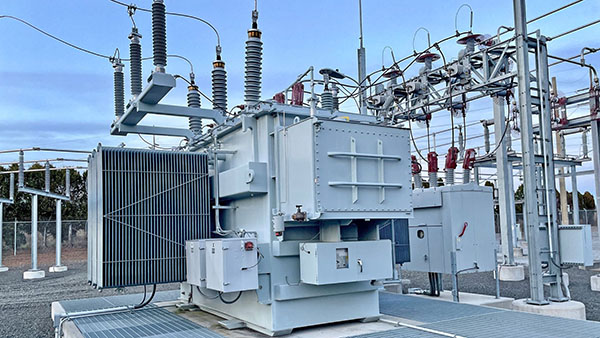
Learn to identify the key signs of an overloaded transformer, understand their causes, and implement effective troubleshooting and preventive measures. Essential knowledge for electric power industry professionals.
1. Introduction: Importance of Recognizing Transformer Overloads
Transformers are the backbone of electrical power systems, facilitating the efficient transmission and distribution of electricity across various voltage levels. Ensuring that transformers operate within their designed capacity is crucial for maintaining system reliability, preventing costly outages, and extending the lifespan of the equipment. Transformer overloads—situations where the transformer is subjected to currents exceeding its rated capacity—can lead to severe consequences if not promptly identified and addressed.
Why Recognizing Overloads Matters:
- System Reliability: Prevents unexpected power outages that can disrupt industrial operations and daily life.
- Safety: Reduces the risk of transformer failures that can cause fires, equipment damage, and hazards to personnel.
- Cost Efficiency: Avoids expensive repairs or premature replacement of transformers by addressing issues early.
- Longevity of Equipment: Maintains the structural and functional integrity of transformers, extending their operational lifespan.
Key Insight: Early detection and management of transformer overloads are essential for ensuring continuous, safe, and efficient power delivery within the electric power industry.
2. Understanding Transformer Overload
Before diving into the signs and detection methods, it is essential to grasp what constitutes an overloaded transformer and the factors that contribute to such conditions.
2.1. Definition of Overloaded Transformer
A transformer overload occurs when the electrical load exceeds the transformer’s rated capacity, forcing it to operate beyond its designed current levels. This condition can arise due to sudden increases in demand, equipment malfunctions, or improper system configurations. Overloading can cause excessive heating, insulation degradation, and ultimately, transformer failure if not mitigated.
2.2. Causes of Transformer Overload
Several factors can lead to transformer overloads:
- Sudden Load Increases: Unexpected surges in demand can push transformers beyond their capacity.
- Faulty Equipment: Malfunctioning electrical devices may draw excessive current, overloading the transformer.
- Incorrect Sizing: Transformers that are undersized for the application can experience continuous overloads.
- Poor Maintenance: Neglecting routine maintenance can lead to inefficiencies and increased load demands.
- Environmental Factors: High ambient temperatures can reduce transformer efficiency, contributing to overload conditions.
Practical Note: Understanding the underlying causes of transformer overloads is crucial for implementing effective preventive and corrective measures.
3. Major Signs of an Overloaded Transformer
Identifying an overloaded transformer involves recognizing specific symptoms that indicate the device is operating beyond its optimal capacity. Below are the major signs to watch for:
3.1. Excessive Heat Generation
One of the most immediate and noticeable signs of an overloaded transformer is excessive heat generation.
- Description: Transformers under heavy load generate more heat due to increased copper losses (I²R losses) and iron losses. Over time, this heat can accumulate, causing the transformer’s temperature to rise significantly.
- Indicators:
- Hot Transformer Casing: Touching the transformer’s exterior may reveal that it feels unusually warm or hot.
- Overheating of Surrounding Components: Nearby equipment or infrastructure may also show signs of elevated temperatures.
- Thermal Imaging: Using an infrared (IR) camera can visually detect hotspots and thermal anomalies on the transformer.
Key Insight: Monitoring temperature is a straightforward and effective method to assess transformer load conditions and prevent overheating.
3.2. Unusual Noises
Transformers operating under excessive loads may produce abnormal sounds.
- Description: The increased electrical and mechanical stresses can lead to noises that are not typical during normal operation.
- Indicators:
- Humming or Buzzing: While a slight hum is normal, louder or irregular humming can indicate overheating or internal stress.
- Popping or Cracking Sounds: These noises may suggest insulation breakdown or arcing within the transformer.
- Vibrations: Excessive vibrations can result from imbalanced loads or mechanical faults caused by overloading.
Practical Tip: Listening for changes in the transformer’s sound profile can serve as an early warning system for potential overloads.
3.3. Voltage Fluctuations
Overloaded transformers can cause instability in voltage levels supplied to the system.
- Description: When a transformer is overloaded, it may struggle to maintain consistent voltage levels, leading to fluctuations that affect connected equipment.
- Indicators:
- Voltage Drops: A noticeable decrease in voltage output can occur when the transformer cannot sustain the required load.
- Voltage Swells: Occasionally, overloading can cause temporary voltage increases due to transformer saturation.
- Inconsistent Voltage Levels: Frequent and unpredictable changes in voltage can signal transformer stress.
Key Takeaway: Voltage monitoring is essential for detecting overload conditions and ensuring the stability of the power supply.
3.4. Oil Temperature Rise and Quality Deterioration
In oil-filled transformers, monitoring oil temperature and quality is vital for identifying overloads.
- Description: Transformer oil serves as both an insulator and a coolant. Overloading increases oil temperature, which can degrade its insulating properties and overall quality.
- Indicators:
- Rising Oil Temperature: Elevated oil temperatures beyond design specifications indicate excessive load.
- Deteriorated Oil Quality: Signs include discoloration, the presence of sludge, or unusual odors, which can result from thermal degradation.
- Increased Dissolved Gases: Elevated levels of gases such as hydrogen, methane, or ethylene detected through dissolved gas analysis (DGA) can signify overheating and internal faults.
Practical Note: Regular oil testing and temperature monitoring are critical practices for maintaining transformer health and detecting overloads early.
3.5. Increased Copper Losses
Copper losses in transformers increase with load, and excessive losses can indicate overloading.
- Description: Copper losses, or I²R losses, occur due to the resistance in the windings as current flows through them. Higher loads result in increased current, thereby raising copper losses.
- Indicators:
- Higher Input Currents: Measuring input current with a multimeter or clamp meter can reveal if the current exceeds the transformer’s rated capacity.
- Elevated Power Consumption: An increase in the power drawn by the transformer at no-load or light-load conditions may suggest inefficiency and potential overloading.
- Reduced Efficiency Metrics: Calculating the efficiency of the transformer can highlight higher-than-normal copper losses.
Key Insight: Monitoring copper losses provides quantitative data on transformer load conditions and efficiency, aiding in the detection of overloading.
3.6. Protective Relay Trips
Frequent or unexpected trips of protective relays can be a direct response to transformer overloads.
- Description: Protective relays are designed to shut down transformers when abnormal conditions, such as overloading, are detected to prevent damage.
- Indicators:
- Frequent Trips: Regular relay activations without a clear external fault indicate internal transformer stress.
- Unexpected Shutdowns: Transformers may trip unexpectedly under normal load conditions if they are being overloaded.
- Alarm Indicators: Monitoring systems often have indicators or alerts when protective relays are activated.
Practical Tip: Analyzing relay trip logs can help identify patterns and pinpoint transformers that are frequently overloaded.
4. Detection and Diagnosis Methods
Identifying an overloaded transformer requires a combination of visual inspections, electrical tests, and advanced diagnostic techniques. Employing a systematic approach ensures accurate fault detection and effective remedial actions.
4.1. Visual Inspection
Visual inspection is the first step in identifying signs of an overloaded transformer. It involves examining the external components for obvious signs of distress.
Steps:
- Examine the Casing: Look for burns, discoloration, dents, or signs of overheating.
- Inspect Bushings and Connections: Check for cracks, moisture ingress, or loose connections.
- Assess Cooling Systems: Ensure fans, radiators, or pumps are operational and free from obstructions.
- Check Oil Levels and Quality: Observe for oil leaks, discoloration, or the presence of sludge.
Tools:
- Flashlight: Enhances visibility in dimly lit areas.
- Infrared (IR) Camera: Detects hotspots and thermal anomalies.
- Magnifying Glass: Useful for inspecting fine cracks or small components.
Practical Tip: Regular visual inspections should be part of routine maintenance schedules to catch early signs of overloading and other issues.
4.2. Thermal Imaging
Thermal imaging uses infrared cameras to detect temperature variations within the transformer that are not visible to the naked eye.
Procedure:
- Scan the Transformer: Use an IR camera to photograph the entire transformer, focusing on areas prone to overheating.
- Identify Hotspots: Look for unusually high temperatures on the core, windings, bushings, or cooling components.
- Analyze Temperature Data: Compare with manufacturer specifications and historical data to assess severity.
Interpretation:
- Consistent Hot Spots: May indicate core saturation or inefficient cooling.
- Sudden Temperature Rises: Suggest immediate overloading or a developing fault.
Key Insight: Thermal imaging provides a non-invasive and comprehensive method for detecting temperature anomalies indicative of overloading.
4.3. Electrical Testing
Electrical tests offer quantitative measurements that help in diagnosing transformer overloads and assessing overall health.
4.3.1. Load Current Measurement
Purpose: To determine if the transformer is operating beyond its rated current capacity.
Procedure:
- Use a Clamp Meter: Attach the clamp meter around the transformer’s primary or secondary conductors.
- Measure the Current: Record the current flow and compare it with the transformer’s rated capacity.
- Analyze Load Patterns: Identify if the current consistently exceeds normal operating levels.
Interpretation:
- Higher Than Rated Current: Indicates overloading, requiring load redistribution or capacity upgrades.
- Fluctuating Current: Suggests inconsistent load demands or potential equipment malfunctions.
4.3.2. Efficiency Testing
Purpose: To assess the overall efficiency of the transformer and identify increased losses due to overloading.
Procedure:
- Perform No-Load and Load Tests: Measure input power during no-load and full-load conditions.
- Calculate Efficiency: Use the formula: Efficiency(%)=(Output Power/Input Power)×100%
- Compare with Standards: Benchmark the calculated efficiency against industry standards or manufacturer specifications.
Interpretation:
- Reduced Efficiency: May indicate excessive losses from overloading and other inefficiencies.
- Significant Discrepancies: Suggest potential faults or operational issues needing attention.
4.3.3. Insulation Resistance Test
Purpose: To ensure the integrity of the transformer’s insulation, preventing short circuits and overheating.
Procedure:
- Use an Insulation Resistance Tester: Apply a high DC voltage between windings and ground.
- Measure Resistance: Record the insulation resistance values.
- Analyze Results: Compare with manufacturer’s guidelines to assess insulation health.
Interpretation:
- Low Insulation Resistance: Indicates compromised insulation, increasing the risk of overheating and faults.
- Consistently High Resistance: Suggests good insulation integrity.
Practical Tip: Combine multiple electrical tests to gain a comprehensive understanding of the transformer’s condition and accurately diagnose overloads.
4.4. Monitoring Load Patterns
Load pattern monitoring involves tracking the transformer’s load over time to identify trends and prevent overloading.
Procedure:
- Implement Monitoring Systems: Use digital meters and data loggers to continuously track load currents and voltages.
- Analyze Data Trends: Look for consistent patterns of high load or sudden load spikes.
- Adjust Load Distribution: Redistribute loads across multiple transformers to prevent any single unit from being overloaded.
Interpretation:
- Consistent High Loads: Indicate a need for capacity upgrades or additional transformers.
- Irregular Load Spikes: Suggest operational inefficiencies or equipment malfunctions requiring immediate attention.
Key Insight: Proactive load management based on monitoring data helps in preventing transformer overloads and optimizing system performance.
5. Personal Anecdote: Preventing an Outage Through Early Detection
A few years ago, I was part of a maintenance team at a large manufacturing plant that relied heavily on a single transformer to supply power to multiple production lines. During a routine inspection, I noticed that the transformer’s casing felt unusually warm and detected minor fluctuations in voltage outputs. Deciding to delve deeper, I conducted a thermal imaging scan and discovered significant hotspots near the cooling radiators, indicating potential overload conditions.
Further electrical testing revealed that one of the connected machines had been inadvertently drawing excessive current due to a malfunctioning motor. By quickly isolating and repairing the faulty equipment, we prevented the transformer from overheating and avoided a major power outage that would have halted production and incurred substantial financial losses.
Lesson Learned: Early detection of overload signs through vigilant monitoring and testing can avert catastrophic outages, ensuring continuous and efficient operations within the electric power industry.
6. Case Study: Managing Transformer Overload in a Manufacturing Facility
Setting
A mid-sized automotive manufacturing facility depended on a single distribution transformer to power several high-demand production lines. Over time, the facility experienced intermittent power quality issues, including voltage dips and equipment malfunctions, disrupting the production process.
Approach
- Comprehensive Inspection
- Conducted visual inspections and thermal imaging, identifying hotspots on the transformer’s core and cooling radiators.
- Performed electrical tests, measuring load currents and insulation resistance, revealing that the transformer was consistently operating near its maximum capacity.
- Load Analysis
- Analyzed the facility’s load patterns, noting that recent expansions had increased the demand beyond the transformer’s rated capacity.
- Identified that a newly installed robotic assembly line was the primary contributor to the increased load.
- Implementing Solutions
- Load Redistribution: Redistributed some of the power demands to an auxiliary transformer to alleviate the burden on the primary unit.
- Capacity Upgrade: Upgraded the main transformer to a higher capacity model to accommodate future growth and prevent recurrent overloads.
- Enhanced Cooling Systems: Installed additional cooling components to manage the increased thermal load effectively.
- Post-Implementation Testing
- Re-measured transformer temperatures and electrical parameters, confirming reduced heat generation and stabilized voltage levels.
- Monitored the facility’s power quality over subsequent months, observing no further overload-related issues.
Outcome
- Stable Power Supply: Eliminated voltage fluctuations and ensured consistent power delivery to all production lines.
- Increased Efficiency: The upgraded transformer operated within optimal parameters, enhancing overall system efficiency.
- Future-Proofing: The capacity upgrade and improved cooling systems provided a robust foundation for the facility’s ongoing growth and operational demands.
Key Takeaway: Proactive management and strategic upgrades effectively address transformer overloads, ensuring reliable and efficient power distribution in high-demand industrial environments.
7. Preventive Measures and Best Practices
Preventing transformer overloads involves a combination of regular maintenance, load management, and the implementation of advanced monitoring systems. Adhering to best practices ensures transformers operate within their designed capacities, enhancing reliability and longevity.
7.1. Regular Maintenance and Monitoring
- Scheduled Inspections: Conduct routine visual and thermal inspections to identify early signs of overload and other issues.
- Electrical Testing: Perform periodic electrical tests, including load current measurements and insulation resistance assessments, to monitor transformer health.
- Condition Monitoring: Utilize condition monitoring systems to track key parameters like temperature, voltage, and current in real-time.
- Dissolved Gas Analysis (DGA): Regularly analyze dissolved gases in transformer oil to detect internal faults that may lead to overloads.
7.2. Load Management
- Load Balancing: Distribute electrical loads evenly across multiple transformers to prevent any single unit from being overburdened.
- Peak Load Analysis: Monitor and analyze peak load demands to ensure transformers are sized appropriately for current and future needs.
- Demand Forecasting: Use historical data and predictive analytics to anticipate future load requirements and adjust transformer capacities accordingly.
- Implement Load Shedding Protocols: Develop and implement protocols to temporarily reduce loads during peak demand periods, preventing transformer overloads.
7.3. Upgrading Transformer Capacity
- Assess Current and Future Needs: Regularly evaluate the facility’s power requirements and upgrade transformer capacities to match growing demands.
- Invest in Higher-Capacity Transformers: Replace undersized transformers with models that can handle higher loads, ensuring scalability and reliability.
- Phase Out Aging Transformers: Replace old transformers that are no longer efficient or capable of handling increased loads to maintain system integrity.
7.4. Implementing Advanced Monitoring Systems
- Smart Sensors and IoT Integration: Deploy smart sensors that provide real-time data on transformer performance, enabling immediate detection of overload conditions.
- Automated Alert Systems: Implement systems that automatically alert maintenance teams when load thresholds are exceeded, allowing for swift corrective actions.
- Data Analytics and AI: Use advanced data analytics and artificial intelligence to analyze monitoring data, predict potential overloads, and recommend preventive measures.
- Remote Monitoring Capabilities: Enable remote access to transformer monitoring data, allowing technicians to oversee multiple transformers efficiently and respond promptly to issues.
Practical Tip: Integrate advanced monitoring technologies with existing maintenance schedules to create a comprehensive transformer management strategy, enhancing proactive fault detection and prevention.
8. Future Trends in Transformer Overload Management
The electric power industry is continually advancing, adopting new technologies and methodologies to enhance transformer overload management. Emerging trends focus on increasing automation, improving diagnostic accuracy, and leveraging data analytics for predictive maintenance.
8.1. Internet of Things (IoT) and Smart Sensors
- Real-Time Monitoring: IoT-enabled smart sensors provide continuous monitoring of critical transformer parameters such as temperature, load current, and voltage, enabling instant detection of overload conditions.
- Automated Data Collection: Smart sensors automatically collect and transmit data to centralized systems, reducing the need for manual inspections and enhancing data accuracy.
- Remote Diagnostics: Operators can access real-time transformer data remotely, allowing for timely interventions without the need for on-site presence.
8.2. Artificial Intelligence (AI) and Machine Learning
- Predictive Analytics: AI algorithms analyze historical and real-time data to predict potential overloads and other faults before they occur, enabling proactive maintenance strategies.
- Anomaly Detection: Machine learning models identify unusual patterns in transformer performance data that may indicate emerging overload conditions or other issues.
- Optimized Maintenance Schedules: AI-driven insights help in optimizing maintenance schedules, ensuring transformers receive timely attention based on their operational conditions rather than fixed intervals.
8.3. Advanced Diagnostic Tools
- Enhanced Thermal Imaging: Improvements in infrared (IR) camera technology offer higher resolution and more accurate hotspot detection, aiding in precise overload diagnosis.
- Dissolved Gas Analysis (DGA) Advancements: Portable and more sensitive DGA devices allow for frequent and detailed analysis of transformer oil, identifying overload-induced faults early.
- Vibration Analysis Technologies: Advanced vibration sensors and analysis tools help detect mechanical imbalances or internal structural issues contributing to transformer overloads.
8.4. Digital Twins and Simulation
- Virtual Modeling: Digital twins simulate transformer behavior under various load conditions, helping engineers predict overload scenarios and test mitigation strategies without physical trials.
- Performance Optimization: Simulation models assist in optimizing transformer design and operational parameters to minimize overload risks and enhance efficiency.
- Training and Education: Digital twins provide realistic platforms for training maintenance personnel, improving their ability to recognize and address overload signs effectively.
Industry Outlook: Embracing these advanced technologies will significantly enhance transformer overload management, enabling more precise, efficient, and proactive maintenance practices that ensure system reliability and longevity.
9. Conclusion
Transformers are integral to the seamless operation of electrical power systems, but their performance can be compromised by overload conditions. Recognizing the signs of an overloaded transformer—such as excessive heat, unusual noises, voltage fluctuations, oil temperature rise, increased copper losses, and protective relay trips—is essential for maintaining system reliability, safety, and efficiency.
Implementing a systematic approach to detection and diagnosis, utilizing both traditional and advanced diagnostic methods, empowers electric power industry professionals to identify and address overload conditions promptly. Adhering to preventive measures and best practices, including regular maintenance, effective load management, and the adoption of advanced monitoring technologies, further enhances transformer performance and extends their operational lifespan.
As the industry continues to evolve, integrating emerging technologies like IoT, AI, and digital twins will play a pivotal role in optimizing transformer overload management. These innovations promise to transform preventive maintenance strategies, enabling more proactive and data-driven approaches that safeguard power systems against the challenges of increasing demand and operational complexities.
Key Takeaway: Proactive identification and management of transformer overloads are crucial for ensuring the continuous, safe, and efficient delivery of electrical power, ultimately supporting the resilience and sustainability of power systems in the electric power industry.
10. FAQ
- What is a transformer overload?
- A transformer overload occurs when the electrical load exceeds the transformer’s rated capacity, causing it to operate beyond its designed current levels.
- What are the primary signs of an overloaded transformer?
- Key signs include excessive heat generation, unusual noises, voltage fluctuations, oil temperature rise and quality deterioration, increased copper losses, and protective relay trips.
- How does excessive heat indicate an overloaded transformer?
- Overloading increases copper and iron losses, leading to excessive heat generation. Prolonged high temperatures can degrade insulation and damage transformer components.
- Can an overloaded transformer cause voltage drops?
- Yes, when a transformer is overloaded, it may struggle to maintain consistent voltage levels, resulting in noticeable voltage drops and instability.
- What role does thermal imaging play in detecting transformer overloads?
- Thermal imaging detects hotspots and temperature anomalies that are indicative of overloading, allowing for non-invasive and precise identification of affected areas.
- How does load management prevent transformer overloads?
- Load management involves distributing electrical loads evenly across multiple transformers, preventing any single unit from being overburdened and maintaining system balance.
- Why are protective relay trips a sign of transformer overload?
- Protective relays are designed to shut down transformers when abnormal conditions, such as overloading, are detected to prevent damage and ensure safety.
- Can increasing transformer capacity eliminate overloads?
- Upgrading transformer capacity can accommodate higher loads, effectively preventing overloads. However, it should be based on accurate load assessments and future demand projections.
- How often should transformers be inspected for overload signs?
- Transformers should undergo regular inspections, typically annually or biennially, with increased frequency in high-demand or critical applications.
- What preventive measures can minimize the risk of transformer overloads?
- Preventive measures include regular maintenance and monitoring, effective load management, upgrading transformer capacity as needed, and implementing advanced monitoring systems like IoT sensors and AI-driven analytics.
Author’s Note: Always adhere to manufacturer guidelines and industry standards (e.g., IEEE, IEC) when monitoring and managing transformer loads. Proper training, strict safety protocols, and the use of calibrated, appropriate testing equipment are essential for accurate diagnostics and maintaining the reliability of power systems.

 Finnish
  English
  German
  Spanish
  French
  Portuguese
  Vietnamese
  Afrikaans
  Amharic
  Arabic
  Aragonese
  Moroccan Arabic
  Assamese
  Azerbaijani
  South Azerbaijani
  Belarusian
  Bulgarian
  Bengali
  Tibetan
  Bosnian
  Catalan
  Czech
Czech  Danish
  Welsh
Welsh  Lower Sorbian
  Dzongkha
  Greek
Greek  Esperanto
  Estonian
  Basque
  Indonesian
  Italian
  Malayalam
  Latvian
  Panjabi
  Romanian
  Slovenian
  Russian